
2001 Great Dane Trailers For Sale
Shop 2001 Great Dane trailers for sale, including dry van and specialty configurations with common specs, features, and buyer considerations.
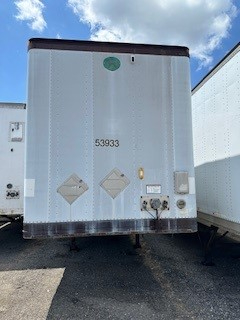
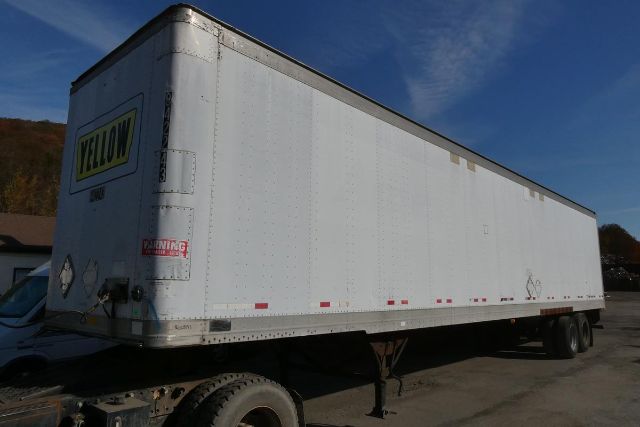
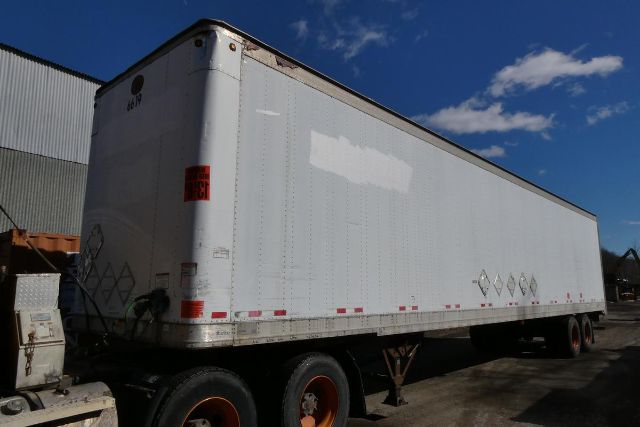
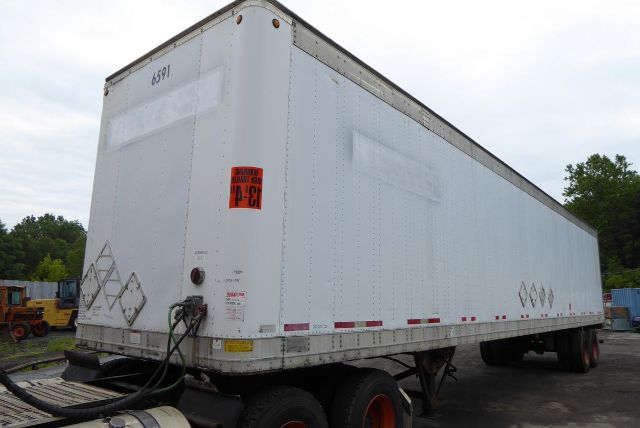
Selling a 2001 great dane trailer? List your 2001 great dane trailer for sale and reach thousands of commercial buyers.
2001 Great Dane Trailers
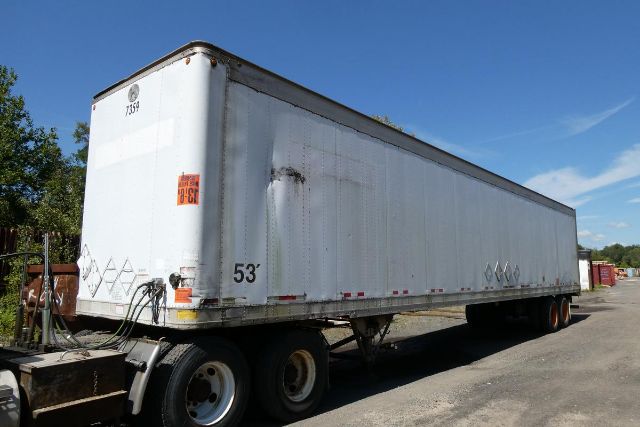
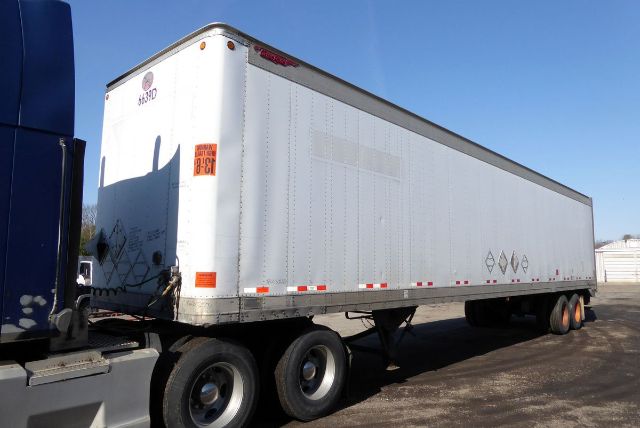
In this age range, dry van trailers are especially common. Many 2001 Great Dane vans were spec'd in 48-foot lengths, 102-inch width, tandem axles, and sliding tandems with air ride suspension. Aluminum trailer composition helped control tare weight, while wood floors were standard on many vans and still matter today because floor rot, patchwork, and forklift wear can make or break a trailer's remaining service life. Swing doors are common on older road vans, though some vocational or city-delivery setups may have roll-up doors, liftgates, heater units, or tire inflation systems. A buyer should look closely at the rear frame, door seals, roof, landing gear, air lines, and the area around the tandem slider rails, because those are frequent wear points on older trailers.
If the trailer will stay on the road, pay attention to GVWR, brake condition, tire size, wheel type, and kingpin area fatigue. Many Great Dane trailers from this period were built around a 68,000-pound GVWR with 11R22.5 tires and steel wheels, but actual usable capacity depends on the trailer's empty weight and current structural condition. Crossmembers, side rails, subframe components, and the floor-to-wall transition deserve a careful inspection, especially on trailers that have seen heavy dock traffic or uneven loading. On refrigerated or heated van configurations, the box condition matters as much as the unit itself. Check for insulation breakdown, floor damage, air chute condition, front wall repairs, and hours and service history on any Thermo King or Carrier unit.
Great Dane remains a recognized trailer brand because parts support and industry familiarity are strong, which helps when keeping an older trailer in service. A 2001 model can make sense for short-haul freight, farm support, dedicated warehouse moves, export work, or as a lower-cost backup trailer, provided the frame, floor, suspension, and running gear are still solid. Buyers comparing 2001 Great Dane trailers for sale should separate cosmetic age from structural age. Faded panels and worn paint are one thing. Corrosion around the rear sill, weak crossmembers, failed floors, and neglected suspension components are where the real cost shows up.
Frequently Asked Questions about 2001 Great Dane Trailers
What should I inspect first on a 2001 Great Dane trailer?
Start with the structure. Inspect the crossmembers, main rails, kingpin area, tandem slider assembly, rear frame, floor, and roof before focusing on cosmetic issues. On older dry vans, floor wear and crossmember corrosion are common cost drivers. Also check suspension bushings, brake components, air system leaks, landing gear operation, and DOT items such as lights, tires, and ABS function.
Are 2001 Great Dane dry van trailers still good for over-the-road use?
They can be, but only if the trailer has been maintained and passes a serious structural inspection. A 2001 Great Dane dry van may still work well in regional freight, dedicated lanes, or short-haul service if the frame, floor, suspension, brakes, and tandem system are in good condition. Many older trailers are better suited for warehouse shuttles or storage if structural wear, roof issues, or rear frame fatigue make highway service less practical.
What are common specs on older Great Dane trailers?
Common specs include aluminum trailer construction, 48-foot or 53-foot lengths depending on application, 102-inch overall width, tandem axles, sliding tandems, air ride suspension, and wood or wood-over-steel flooring. Dry van models often came with swing doors, while delivery-oriented units could have roll-up doors and liftgates. GVWR on many highway trailers from this era is commonly around 68,000 pounds, but exact ratings vary by model and original build sheet.
Is an aluminum Great Dane trailer better than a steel trailer on an older unit?
Aluminum construction usually helps with tare weight and corrosion resistance, which is an advantage on an older trailer. That said, aluminum trailers still need careful inspection for cracks, repairs, and fatigue around stress points such as the kingpin plate, crossmember connections, and rear frame. Steel components are still present in many areas, so rust and corrosion remain important inspection points even on an aluminum-bodied trailer.
Do parts and repairs present a problem on a 2001 Great Dane trailer?
In most cases, no. Great Dane is a well-known trailer manufacturer, and many service shops are familiar with the brand. Standard wear items such as brakes, tires, suspension parts, lights, doors, seals, and landing gear components are generally straightforward to source. The bigger concern is not parts availability but whether a heavily worn floor, damaged rear frame, or corroded slider assembly is worth repairing compared with the trailer's intended use and remaining value.