
2001 Great Dane Van Trailers For Sale
Shop 2001 Great Dane van trailers with specs buyers compare most, including length, tandem setup, suspension, doors, floor condition, and GVWR.
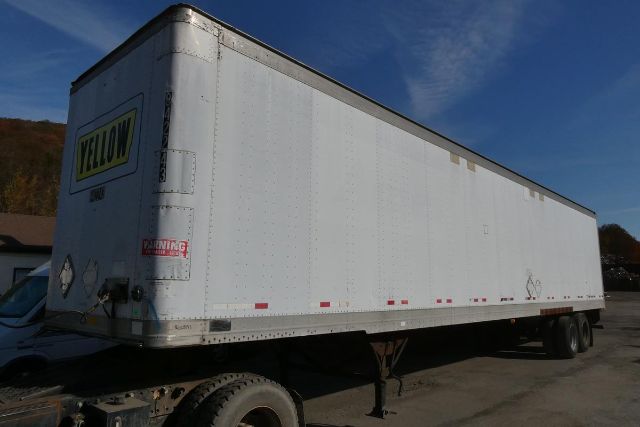
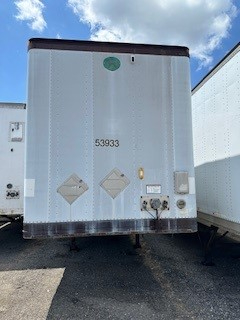
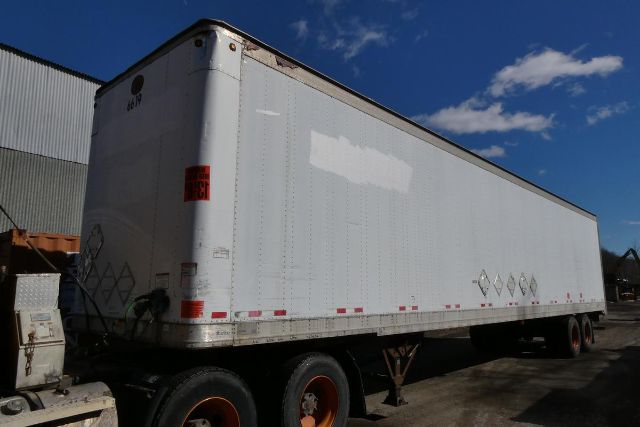
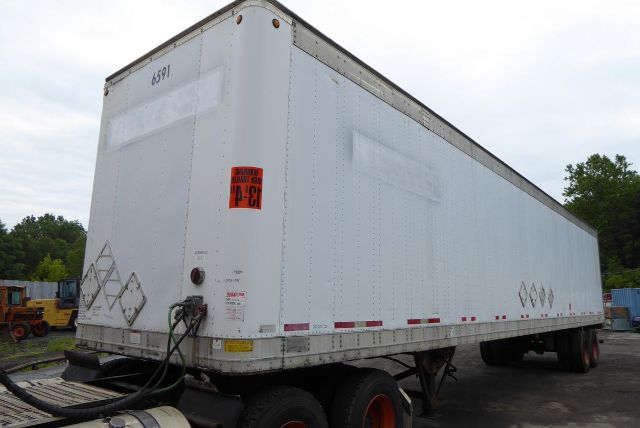
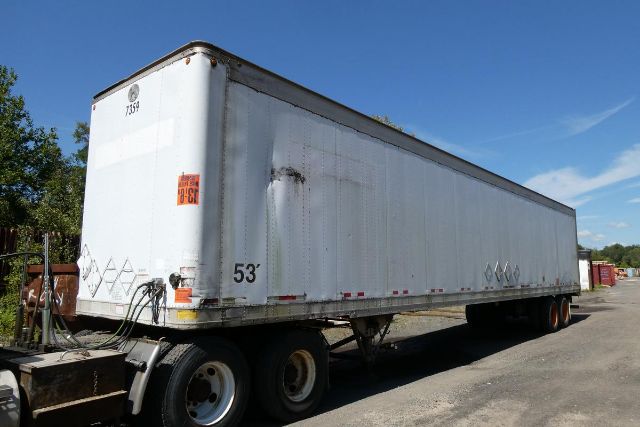
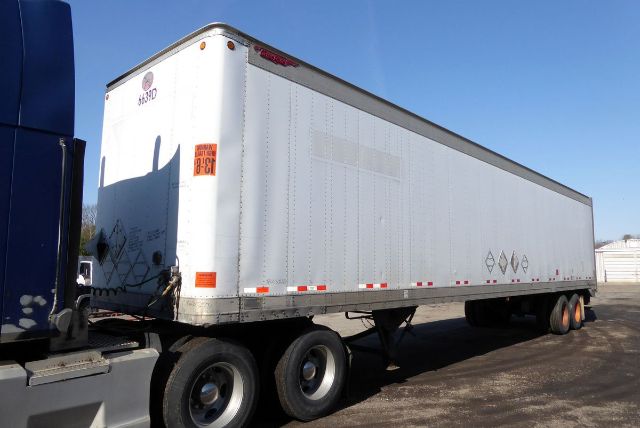
Have 2001 great dane van trailer to sell? List it here to reach thousands of buyers.
2001 Great Dane Van Trailers
Frequently Asked Questions about 2001 Great Dane Van Trailers
What should I inspect first on a 2001 Great Dane van trailer?
Start with the floor, roof, rear frame, and suspension. On a van trailer of this age, floor soft spots, crossmember fatigue, roof leaks, and rear door frame damage can turn a low purchase price into a costly repair unit. Also check tandem slider operation, brake chamber condition, bushing wear, wheel ends, and the general condition of tires and hubs.
Are 2001 Great Dane van trailers usually 48-foot or 53-foot models?
Both are common, but 53-foot dry vans are generally the standard for higher cube freight and modern dock networks. A 48-foot trailer can still fit dedicated lanes, regional work, and certain private fleet applications, but buyers should confirm freight profile, dock compatibility, and bridge law needs before choosing between lengths.
What suspension and axle setups are common on this type of trailer?
A 2001 Great Dane van trailer will often have a tandem axle setup with either air ride or spring suspension, and many include a sliding tandem. Sliding tandems help with axle weight distribution, kingpin-to-rear axle compliance, and dock positioning. Suspension choice affects ride quality, maintenance cost, and suitability for fragile or high-value freight.
What cargo features matter most in an older dry van trailer?
Interior logistics and weather protection matter most. Buyers should look for solid scuff liners, functional E-track or logistics posts if needed for load securement, a dry roof, and rear doors that seal properly. The floor rating and condition are especially important if the trailer will see heavy forklift use, beverage freight, paper rolls, or dense palletized loads.
Is a 2001 Great Dane van trailer still a practical fleet or owner-operator purchase?
It can be, if the trailer has been maintained and matches the application. Older dry vans are often a practical fit for storage, short-haul freight, dedicated lanes, agricultural support, or warehouse shuttle work. The key is balancing acquisition cost against remaining floor life, structural integrity, brake and tire condition, and any repairs needed to keep the trailer compliant and productive.