
2001 Great Dane Van Trailers For Sale in New York
Shop 2001 Great Dane van trailers for sale in New York. Compare dry van specs, lengths, tandem setups, doors, floors, and overall condition.
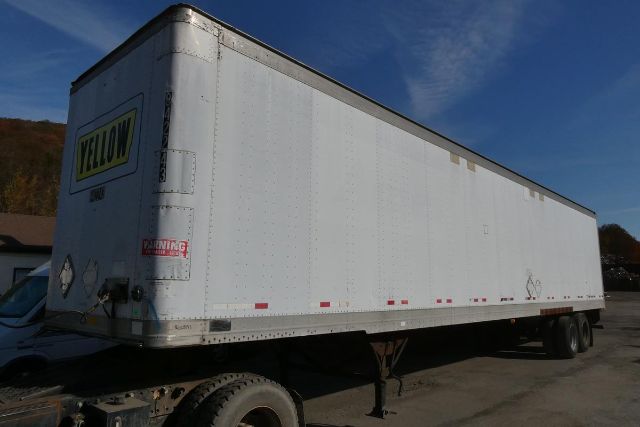
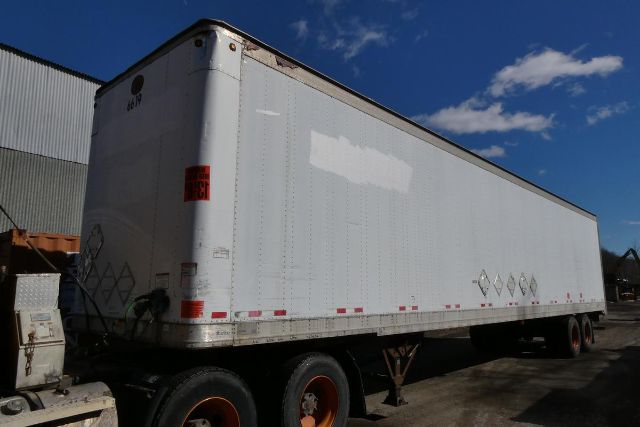
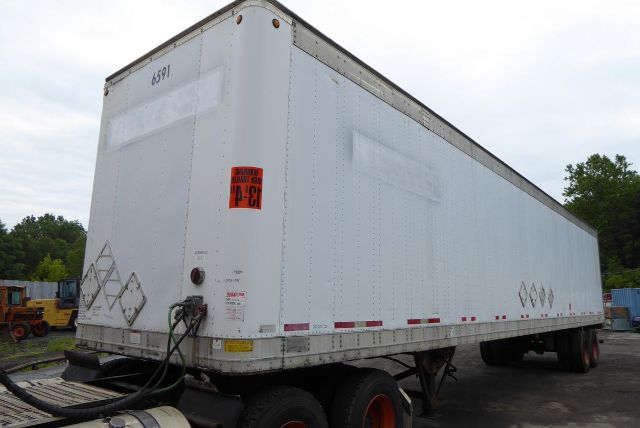
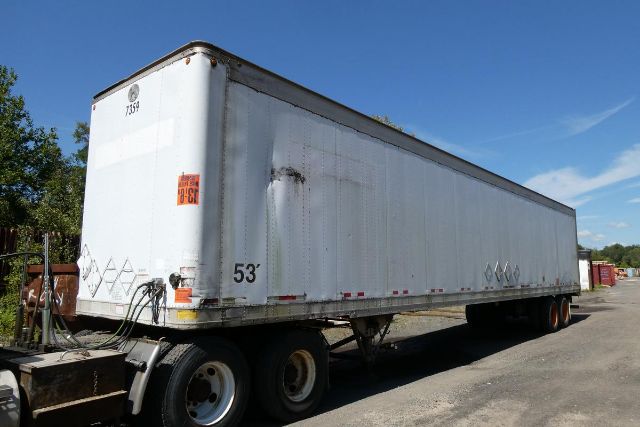
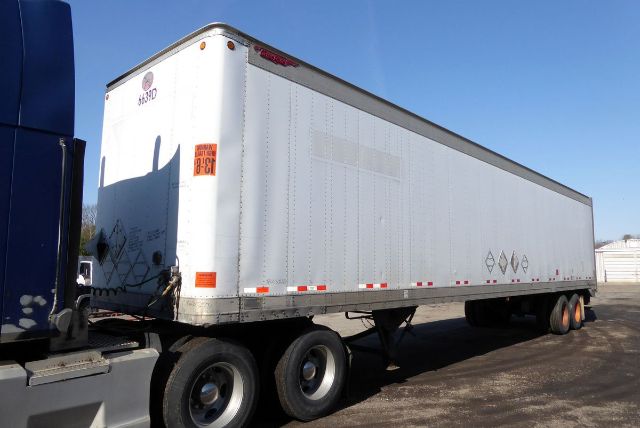
Have 2001 great dane van trailer to sell? List it here to reach thousands of buyers.
2001 Great Dane Van Trailers in New York
The first things to check are length, axle setup, suspension, and door style. A 53-foot trailer usually offers the cube needed for high-volume freight, while a 48-foot van can still be a strong fit for regional lanes, older dock layouts, and operations that do not need maximum capacity. Many 2001-era Great Dane vans use a slideable tandem, which matters for bridge law compliance, weight distribution, and dock positioning. Air ride and spring ride suspensions are both common in the broader van trailer market, and tire size, hub-piloted steel wheels, brake condition, and slider function should all be evaluated closely on an older trailer.
Body and cargo-area condition matter as much as the running gear. Buyers should inspect the roof bows, side posts, crossmembers, floor wear, door frame alignment, and signs of prior patchwork around the nose, rear frame, and lower rail. Wood floors are common and can hold up well, but forklift traffic, moisture, and concentrated loads can expose weak spots. Interior features such as scuff liners, E-track, translucent or transparent roof panels, and liftgates can change the trailer’s value depending on the application. In New York service, pay attention to corrosion around the rear sill, slider rails, suspension mounts, brake components, and wiring, especially on trailers that have seen winter road salt.
A 2001 Great Dane van trailer can still be a practical low-cost freight box if the structure is sound and the trailer matches the job. For dry freight, moving and storage, route delivery, and warehouse support, these trailers often appeal to buyers who want usable cube without paying late-model prices. The best buying decision usually comes down to structural integrity, current DOT-ready condition, door operation, floor life, and whether the trailer’s axle spread, height, and interior configuration fit your freight and loading environment.
Frequently Asked Questions about 2001 Great Dane Van Trailers in New York
What should I inspect first on a 2001 Great Dane van trailer?
Start with the structural items that are expensive to correct. Inspect the floor for soft spots, broken boards, and forklift damage. Check crossmembers, side rails, rear frame, roof bows, and the nose for cracks, corrosion, or poor repairs. Then inspect the tandem slider, suspension, brakes, tires, and hubs. Door alignment is also important because bent rear frames and worn hinges can turn into constant loading issues.
Are 48-foot or 53-foot Great Dane van trailers more common for this year range?
Both are common, but 53-foot dry vans are usually preferred for maximizing cargo volume in over-the-road freight. A 48-foot trailer can still make sense for regional work, city deliveries, or operations serving tighter facilities. The right choice depends on your freight profile, dock space, legal routing, and how much cube versus maneuverability matters in your lanes.
Is a slideable tandem important on a dry van trailer?
Yes. A slideable tandem gives you flexibility for bridge law compliance, axle weight distribution, and operational fit at different docks and customer locations. It can also affect turning characteristics and ease of positioning. On an older trailer, make sure the slider pins engage properly, the rail is not excessively worn, and the adjustment mechanism has not been damaged by corrosion or impact.
What cargo applications are common for a 2001 Great Dane van trailer?
This category is commonly used for palletized dry freight, packaged goods, retail shipments, paper products, furniture, and general warehouse transfers. Some units may have interior logistics tracks, scuff protection, translucent roof panels, or liftgates that make them useful for route delivery or specialized handling. They are not intended for temperature-controlled freight unless the trailer has been specifically equipped for that purpose.
How important is corrosion when buying an older van trailer in New York?
Corrosion is a major factor because road salt can affect the rear frame, landing gear, suspension mounts, brake hardware, wiring, and tandem slider assembly. Surface rust is common on older trailers, but scaling, metal loss, seized components, and rust around structural attachment points deserve close attention. A trailer with a solid body but severe undercarriage corrosion can quickly become more expensive than its purchase price suggests.