
2004 Great Dane Trailers For Sale
Shop 2004 Great Dane trailers for sale, including dry vans and reefer trailers with common specs, construction details, and buyer-focused guidance.

Selling a 2004 great dane trailer? List your 2004 great dane trailer for sale and reach thousands of commercial buyers.
2004 Great Dane Trailers
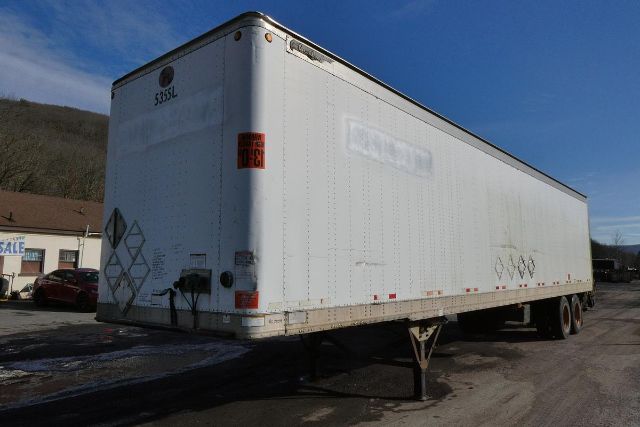
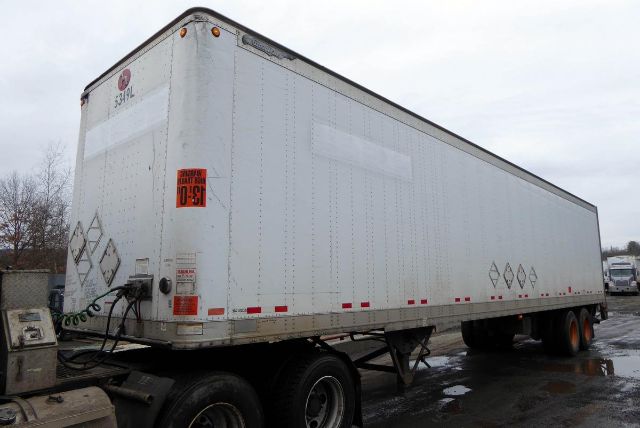
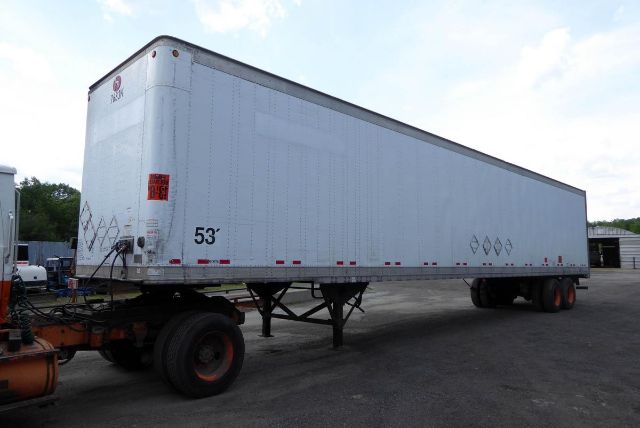
For dry van buyers, many 2004 Great Dane trailers were built in 45-foot, 48-foot, and 53-foot configurations, usually 102 inches wide with a wood floor over steel crossmembers and an aluminum or aluminum-steel body. Sliding tandems are common, along with air ride or spring ride suspension, roll-up or swing rear doors, and standard tandem axle layouts. A dry van from this year often makes sense for general freight, regional LTL support, warehouse-to-store deliveries, or dedicated lanes where cosmetic age matters less than door function, floor condition, and straight sidewalls. If a trailer has a liftgate, inspect the platform, cylinders, wiring, and rear sill closely because those areas take concentrated wear.
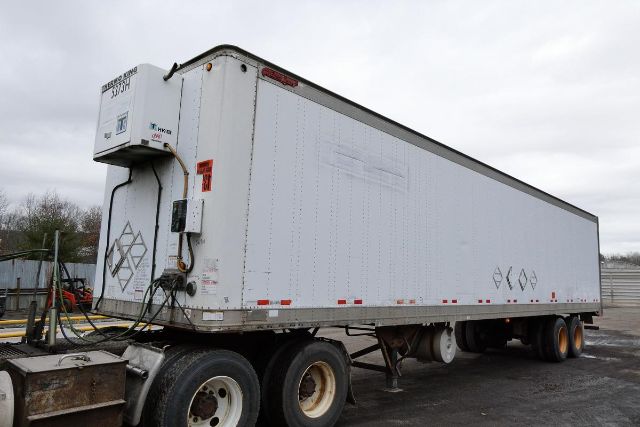
On reefer models, Great Dane trailers from this period are known for insulated construction, duct floors, scuff liners, stainless rear components, and compatibility with Thermo King or Carrier refrigeration units depending on original spec or later replacement. Buyers should pay close attention to unit hours, insulation integrity, floor damage, door seal condition, and evidence of water intrusion or patch repairs. Reefer value is driven by box condition as much as the refrigeration unit itself. A clean interior, solid bulkhead area, and intact chute or air delivery setup matter if the trailer will stay in food-grade or temperature-sensitive service.
A smart buyer will also check the basics that decide near-term operating cost: tire size and age, brake life, wheel type, suspension bushing wear, axle alignment, lighting, ABS function, and legal empty weight versus payload needs. On a 2004 Great Dane, corrosion at the rear frame, crossmember fatigue, kingpin plate wear, and floor soft spots are more important than brand reputation alone. If the trailer will be used for dock-high freight, confirm inside height, rear opening dimensions, and door style. If it will run in tight regional operations, trailer length and tandem adjustment range can matter just as much as the purchase price.
Frequently Asked Questions about 2004 Great Dane Trailers
What should I inspect first on a 2004 Great Dane trailer?
Start with the frame, crossmembers, floor, rear sill, and kingpin area. Those components tell you more about the trailer's remaining service life than paint or panel appearance. On dry vans, look for soft wood floors, cracked crossmembers, sidewall bowing, and roll-up or swing door issues. On reefers, inspect the insulated body for floor damage, delamination, poor door seals, and signs of water intrusion. After structure, move to the suspension, tandems, brakes, tires, and ABS system.
Are 2004 Great Dane trailers still good for over-the-road use?
They can be, but condition matters far more than age alone. A well-maintained 2004 Great Dane dry van or reefer can still serve in over-the-road, regional, or dedicated fleet work if the body is straight, the running gear is current, and the trailer passes inspection without major structural repairs. Many buyers use trailers of this age for shorter-haul freight, private fleet support, drop trailer programs, or storage applications because the acquisition cost is lower and the equipment can still be productive when matched to the right lane.
What are common specs on a 2004 Great Dane dry van?
Common specs include 45-foot, 48-foot, or 53-foot overall length, 102-inch width, tandem axles, sliding tandems, and either air ride or spring ride suspension. Many were built with aluminum or aluminum-steel construction, wood floors, and roll-up or swing rear doors. Tire sizes often include 11R22.5 or low-profile 22.5-inch rubber depending on application and later changes. GVWR and empty weight vary by exact build, but buyers usually focus on floor rating, door opening dimensions, and suspension type when comparing used dry vans.
What matters most on a used Great Dane reefer trailer from this era?
The most important factors are box integrity and refrigeration performance. Unit brand, model, and hours matter, but a reefer with damaged insulation, bad door seals, or a compromised floor can become expensive quickly. Inspect the evaporator area, chute, duct floor, scuff liner condition, and rear frame. Confirm the refrigeration unit pulls down properly, holds temperature, and has documented maintenance if possible. Food-grade use usually demands a cleaner interior and stronger evidence of consistent upkeep.
Is a liftgate on an older Great Dane van trailer a benefit or a liability?
It can be either, depending on your operation and the condition of the gate. A functioning Waltco or Maxon liftgate adds value for city delivery, retail freight, and locations without dock access. At the same time, liftgates add weight, introduce hydraulic and electrical components that can fail, and place extra stress on the rear frame area. Buyers should test lift operation, check for leaks, inspect platform wear, and make sure the gate does not interfere with cargo handling or dock use.