
Great Dane Trailers For Sale in Minnesota
Shop Great Dane trailers for sale in Minnesota, including dry vans and reefers with 53-foot specs, composite construction, air ride, and fleet-ready options.
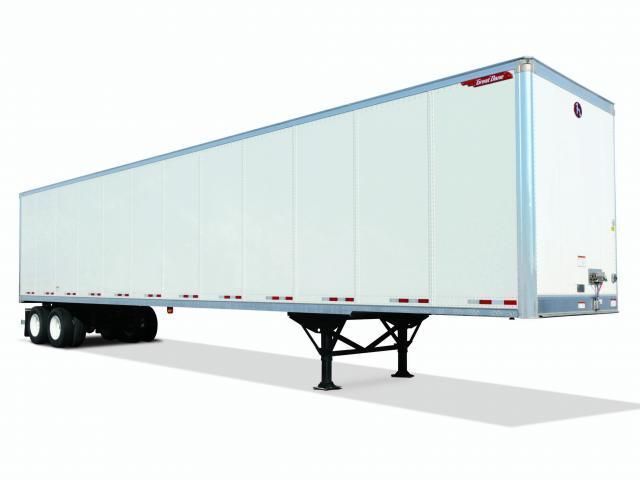
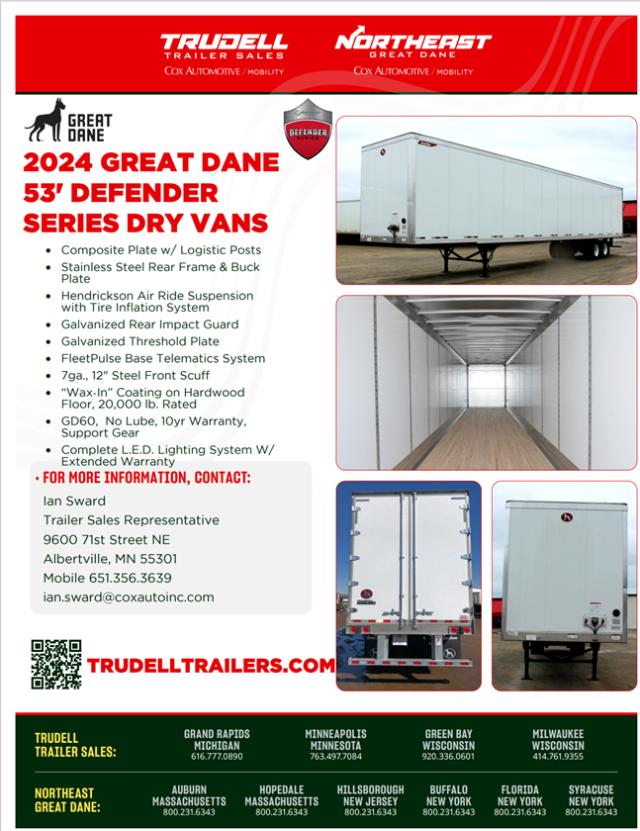
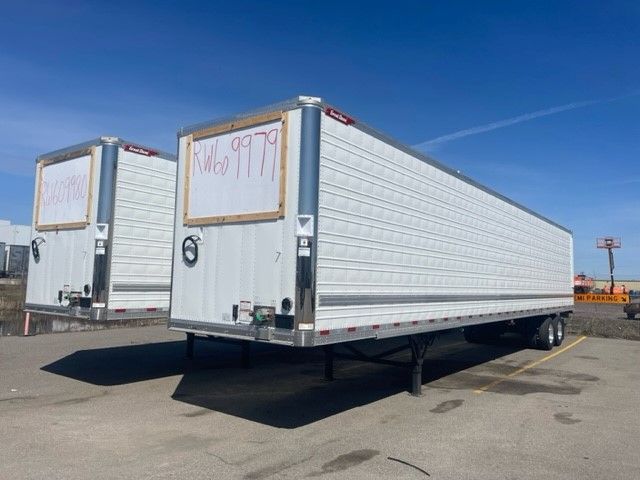
Selling a great dane trailer? List your great dane trailer for sale and reach thousands of commercial buyers.
Great Dane Trailers in Minnesota
For dry van buyers, Great Dane plate and composite-side configurations are popular because they balance durability, tare weight, and repairability. Common specs include tandem axles, sliding suspension, 22.5 low-profile tires, hardwood floors, swing doors, and a 36-inch kingpin setting. Those details matter in day-to-day operation. A sliding tandem helps with bridge law and dock approach needs, hardwood flooring remains a proven option for mixed pallet and forklift traffic, and composite construction can be a strong fit for fleets that want structural integrity with manageable maintenance costs. Air ride suspension, often paired with Hendrickson components, is also a frequent spec because it helps protect freight and supports a smoother ride on longer Midwest routes.
For reefer applications, Great Dane trailers are often spec'd for grocery, foodservice, produce, dairy, frozen freight, and other cold-chain work where insulation package, floor design, and door sealing matter as much as the refrigeration unit itself. Buyers should pay close attention to interior height, floor type, scuff protection, rear door construction, and options like tire inflation systems, roll-stability packages, disc brakes, and aerodynamic roof treatments. A 53-foot reefer with aluminum flooring, sliding tandems, LED lighting, and fleet-grade suspension can be a strong fit for carriers running hard in all seasons, especially in a state like Minnesota where winter traction, corrosion exposure, and temperature performance all affect long-term operating cost.
When comparing Great Dane trailers, the right decision usually comes down to freight profile and maintenance strategy more than brand name alone. Dry vans need the right wall and floor combination for loading patterns and abuse level. Reefers need the right insulation, brake, and support systems for uptime and cold-chain reliability. Look closely at kingpin setting, wheel material, tire specification, brake type, door configuration, and any trailer management options that reduce roadside events. Great Dane has a long presence in commercial trailer fleets, and that matters to buyers who want familiar parts support, predictable resale, and specs that line up with standard fleet operations.
Frequently Asked Questions about Great Dane Trailers in Minnesota
What types of Great Dane trailers are most common on the used and new market?
The most common Great Dane trailer types in this segment are 53-foot dry vans and 53-foot refrigerated trailers, also called reefers. Dry vans are used for general freight, retail, packaged goods, and palletized shipments, while reefers are built for temperature-sensitive freight such as food, produce, dairy, and frozen products. Both are commonly found in 102-inch width with tandem axles and fleet-oriented specifications.
What should I look for when buying a Great Dane dry van trailer?
Start with body construction, floor condition, suspension type, axle configuration, and kingpin setting. Composite or plate van construction affects weight, durability, and repair approach. Hardwood floors are still common and work well for forklift traffic, but buyers should inspect wear, soft spots, and patch history. Also confirm whether the trailer has sliding tandems, air ride suspension, swing or roll-up doors, and the tire and wheel package that matches your operation.
Are Great Dane reefer trailers a good fit for Midwest operation?
Great Dane reefer trailers are widely used in Midwest freight because they can be spec'd for harsh weather, frequent dock work, and long over-the-road cycles. Features such as aluminum floors, strong door seals, interior scuff liners, LED lighting, tire inflation systems, and roll-stability packages support uptime in demanding regional conditions. In colder states like Minnesota, buyers should also pay close attention to corrosion exposure, brake configuration, and overall trailer insulation performance.
Why do buyers pay attention to kingpin setting and sliding tandems on a 53-foot trailer?
Kingpin setting and sliding tandem position affect bridge law compliance, tractor-to-trailer weight distribution, and maneuverability. A common 36-inch kingpin setting works well in many fleet applications, but the right setup depends on your tractor wheelbase, loading pattern, and route restrictions. Sliding tandems add flexibility for scaling loads, meeting state bridge requirements, and improving dock approach in tighter yards.
What are the advantages of disc brakes and tire inflation systems on a Great Dane trailer?
Disc brakes can improve stopping consistency, reduce brake fade, and simplify certain maintenance tasks compared with traditional drum setups, especially in high-mileage service. Automatic tire inflation systems help maintain proper tire pressure, which can extend tire life, improve fuel efficiency, and reduce roadside breakdowns. For buyers focused on uptime and total operating cost, those options can be meaningful advantages on both reefer and van applications.