
Great Dane Flatbed Trailers For Sale
Shop Great Dane flatbed trailers with common specs, deck options, axle setups, and securement features for general freight and steel hauling.
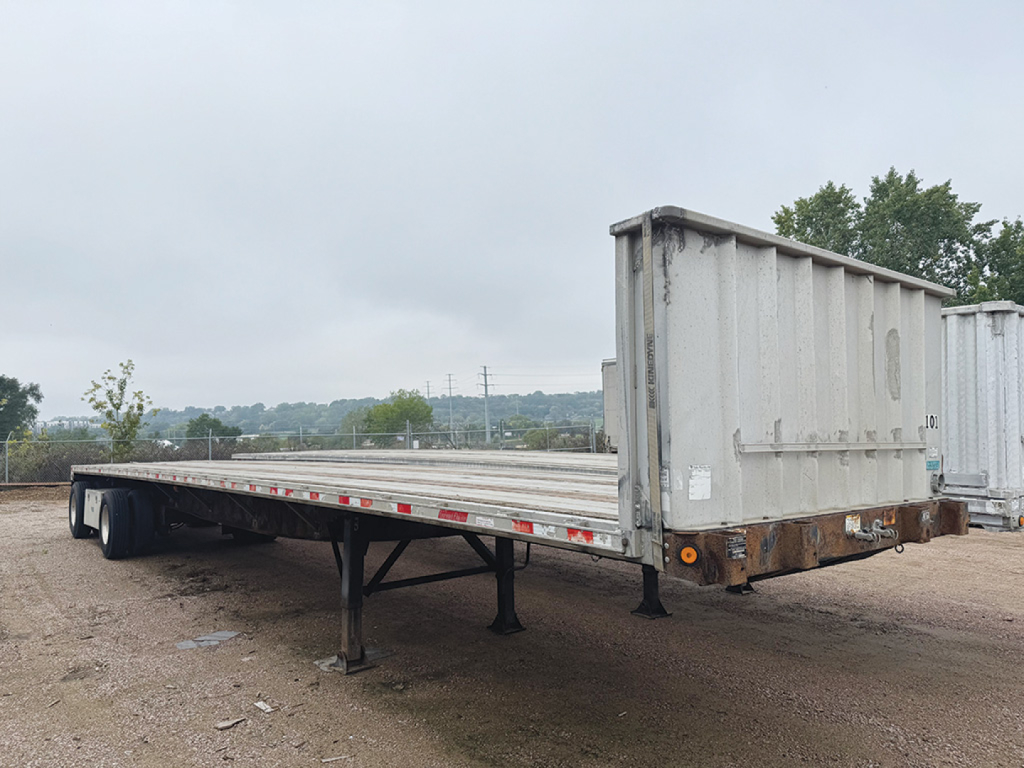
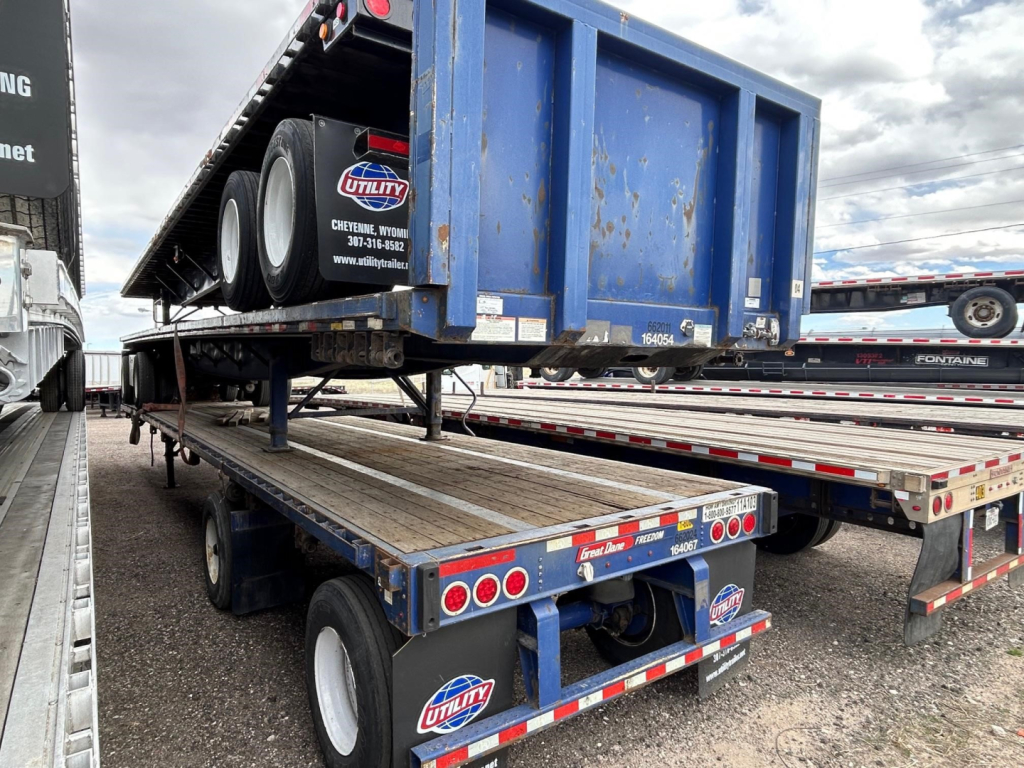
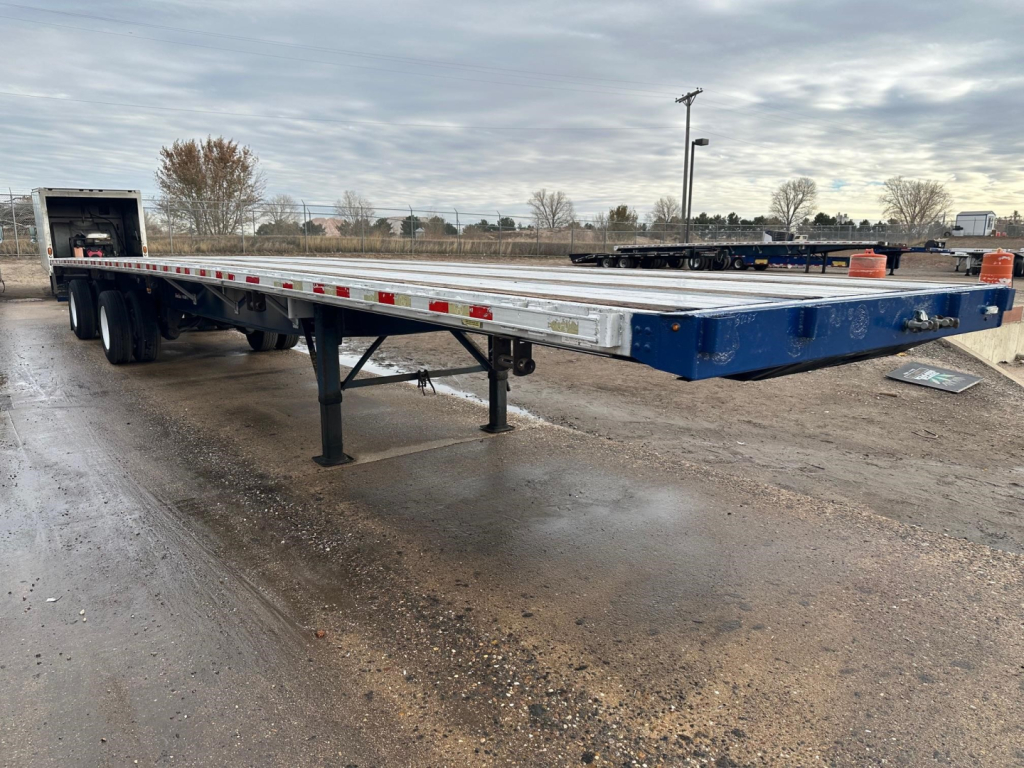
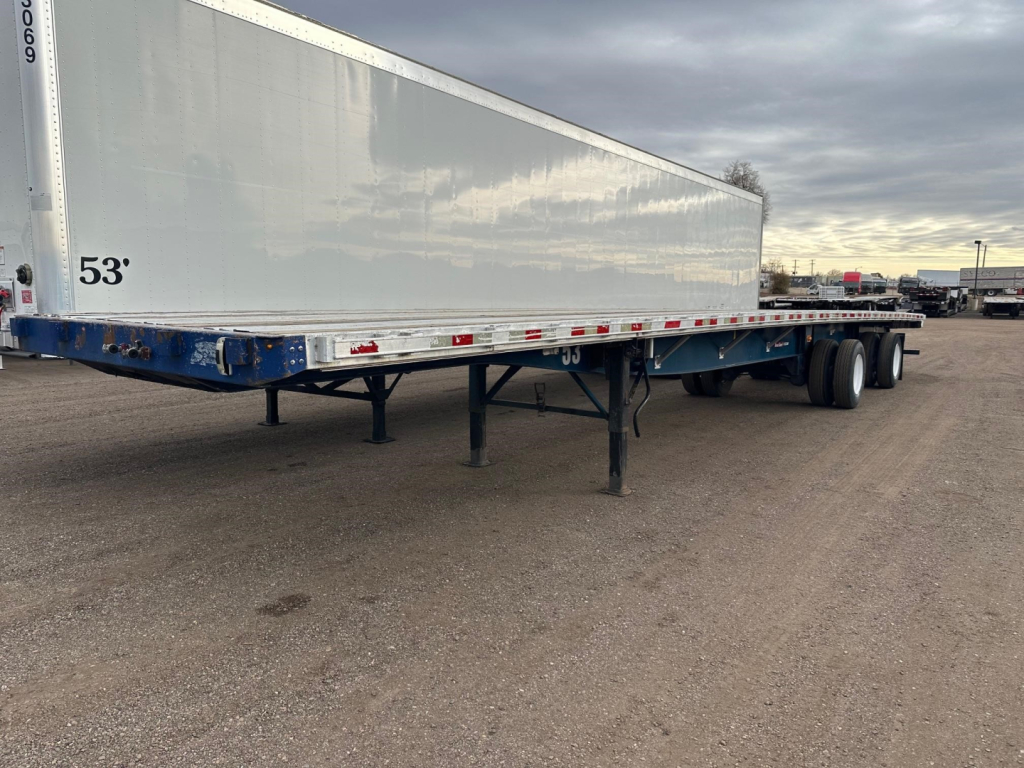
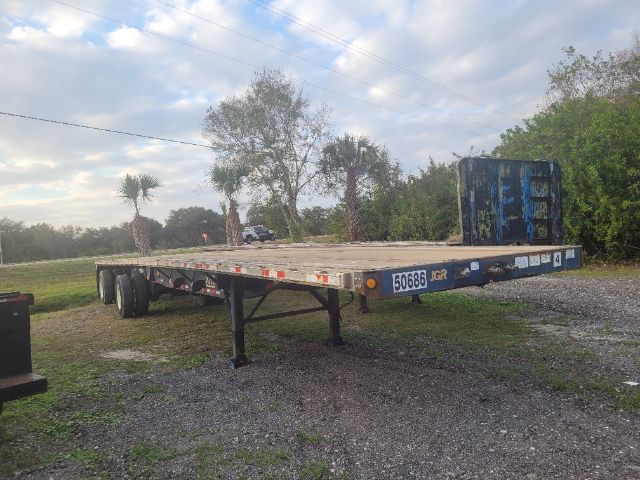
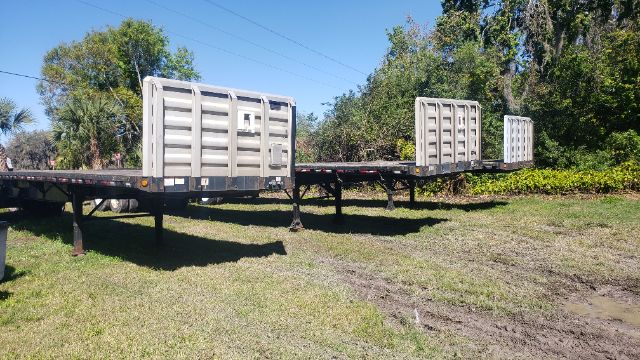
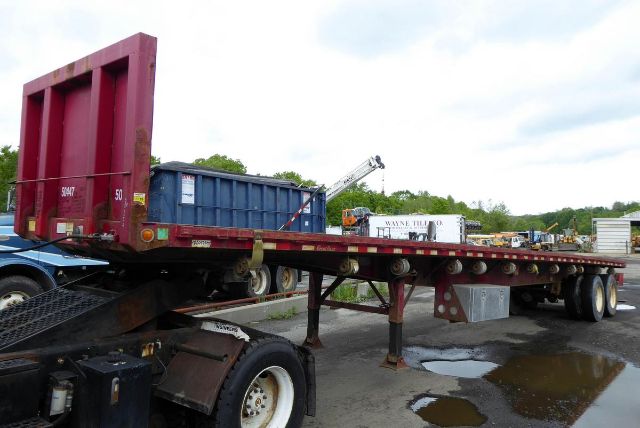

Selling a great dane flatbed trailer? List your great dane flatbed trailer for sale and reach thousands of commercial buyers.
Great Dane Flatbed Trailers
One of the first buying decisions is trailer construction. Great Dane flatbeds are commonly found in aluminum, steel, or aluminum combo designs. An aluminum combo trailer typically gives you a good balance of tare weight savings and durability by using aluminum components with steel in higher-stress areas. Full steel decks generally weigh more but can be a practical fit for tougher applications, repeated forklift traffic, and operations where outright durability matters more than payload. Floor design also deserves attention. Buyers should look closely at aluminum floor condition, wood and steel floor wear, crossmember spacing, side rail integrity, and any signs of deck repairs that may affect loading or securement.
Spec details make a real difference in day-to-day use. Many Great Dane flatbeds are equipped with winch tracks, sliding winches, chain tie-downs, nailing strips, pipe spools, toolboxes, coil package setups, and LED lighting. Kingpin setting, suspension setting, and axle placement can affect bridge law compliance and turning radius, especially for fleets running California or other weight-sensitive lanes. Tire size, wheel material, landing gear condition, brake life, and rail straightness are also worth checking closely on a used flatbed. If the trailer will handle concentrated loads like steel coils, machinery, or bundled lumber, confirm the deck rating and look for a proper securement package rather than assuming every flatbed is spec'd the same.
Great Dane has long been a recognized name in the trailer market, and their flatbeds are often chosen by carriers that want a straightforward, serviceable platform trailer with broad parts support. Also known simply as a flatbed trailer or open-deck trailer, this equipment class is valued for versatility more than specialization. The right trailer depends on your freight mix, target payload, loading method, and the securement hardware already on the deck. Buyers comparing listings should pay closest attention to composition, empty weight, suspension type, deck condition, and securement features, since those factors usually matter more than model year alone in long-term operating value.
Frequently Asked Questions about Great Dane Flatbed Trailers
What lengths are most common for Great Dane flatbed trailers?
The most common lengths are 48 feet and 53 feet, usually with a 102-inch width. A 48-foot flatbed is still widely used in general freight, steel, and regional work, while a 53-foot deck offers more loading space for lighter, longer, or more dimensional freight. The right length depends on the lanes you run, state bridge rules, and the type of cargo you secure most often.
Is an aluminum combo Great Dane flatbed better than a steel flatbed?
Neither is automatically better. An aluminum combo flatbed usually reduces trailer weight and helps maximize payload, which can matter on weight-sensitive freight. A steel flatbed generally weighs more but can be attractive for severe-duty use, frequent forklift loading, and operations that prioritize ruggedness over tare weight. The better choice depends on your freight mix, expected deck abuse, and how much payload capacity affects revenue in your operation.
What should I inspect first on a used Great Dane flatbed trailer?
Start with the frame rails, crossmembers, deck surface, suspension, brakes, tires, and all securement hardware. On a flatbed, deck condition and rail straightness are critical because damage there affects both loading and cargo securement. Buyers should also inspect winch tracks, sliding winches, chain tie-down points, landing gear, light system, and any repaired areas around stress points. A lower-priced trailer can become expensive quickly if the floor, rails, or suspension need major work.
Why does air ride suspension matter on a flatbed trailer?
Air ride suspension can improve ride quality and reduce shock transferred into the load compared with spring suspension. That can be useful for machinery, palletized freight, finished materials, and mixed loads that need better stability in transit. Air ride is also common in fleet specifications because it tends to be more versatile across freight types, although some buyers still prefer spring suspension for simplicity and certain severe-service applications.
What flatbed features are important for steel, lumber, or machinery hauling?
For those applications, buyers should focus on securement and deck configuration more than appearance. Useful features include winch tracks on one or both sides, sliding winches, chain tie-downs, pipe spools, coil package capability, solid side rails, and a deck material suited to concentrated weight. If you haul steel coils or heavy machinery, confirm the trailer is equipped for that work and check the floor, crossmember spacing, and rated structure carefully rather than relying on a generic flatbed spec.