
Great Dane Trailers For Sale in South Dakota
Browse Great Dane trailers for sale in South Dakota, including reefer and flatbed models built for durable regional and over-the-road service.

Selling a great dane trailer? List your great dane trailer for sale and reach thousands of commercial buyers.
Great Dane Trailers in South Dakota
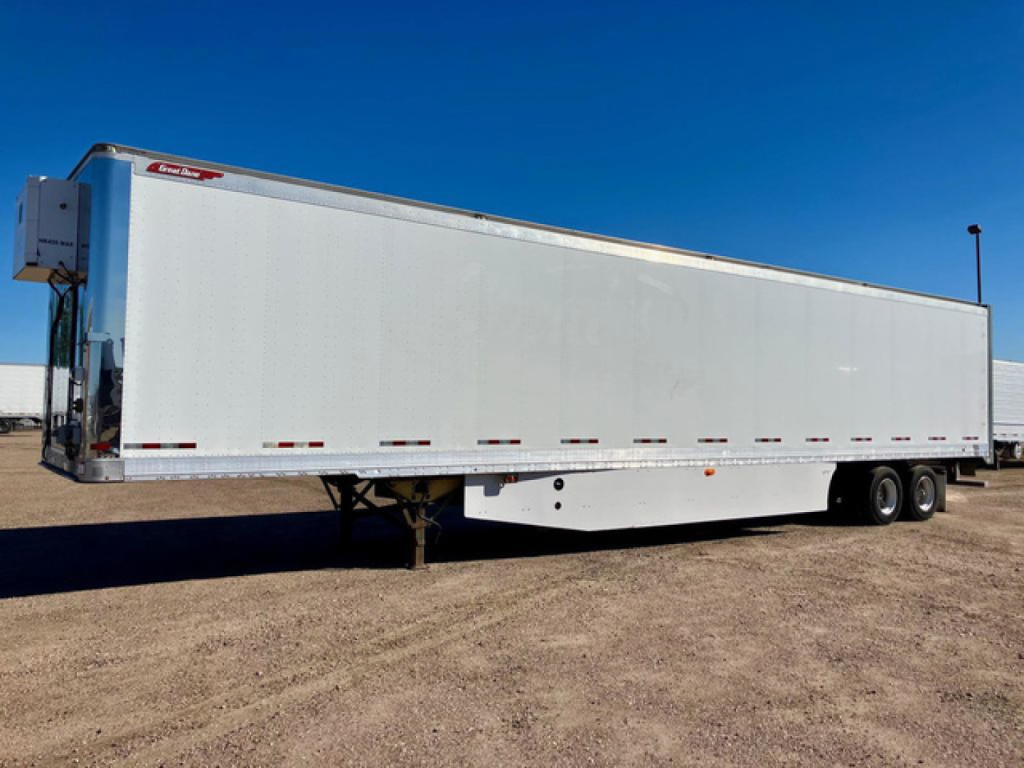
For reefer buyers, the key decisions usually come down to insulation package, liner condition, floor type, refrigeration unit spec, and trailer weight. Great Dane refrigerated trailers are commonly seen in 53-foot tandem axle configurations with air ride suspension, aluminum roofs, swing rear doors, and logistics-ready options like tire inflation systems, stainless rear frames or doors, and durable interior liners such as Bulitex. A buyer should pay close attention to reefer unit hours, operating history, brake and suspension condition, and signs of floor or wall damage from heavy pallet traffic. If the trailer will stay in dedicated food service, grocery distribution, or multi-stop regional work, door seal condition, chute wear, and overall thermal integrity matter as much as the refrigeration unit itself.
Great Dane flatbeds appeal to buyers who want a straightforward trailer with good deck life, solid rail condition, and predictable maintenance. Common specs include 48-foot lengths, air ride suspension, aluminum components to control tare weight, and practical additions like toolboxes for chains, straps, and edge protection. On a used flatbed, straight rails, deck condition, crossmember integrity, tire match, and brake wear are more important than paint. Buyers hauling steel, lumber, ag products, or equipment should also look at load securement setup, winch track condition, stake pockets, and how the trailer has been used in previous service.
Across the Great Dane lineup, resale value is helped by broad parts support and strong market familiarity. That makes these trailers easier to place into regional fleets, owner-operator use, or mixed freight operations. When comparing listings, focus less on model year alone and more on the actual working spec: trailer length, suspension, roof and lining materials, reefer unit brand, brake history, tire condition, and evidence of consistent upkeep. A well-maintained Great Dane trailer can be a cost-effective choice for buyers who need durable freight equipment without giving up serviceability or lane flexibility.
Frequently Asked Questions about Great Dane Trailers in South Dakota
What types of Great Dane trailers are most common on the used market?
Great Dane reefer trailers and flatbed trailers are both common, with dry vans also widely recognized in the brand lineup. Reefer models are popular in grocery, produce, and temperature-controlled freight, while flatbeds are used for building materials, machinery, and general open-deck hauling. The most common lengths are 48 feet and 53 feet depending on application.
What should I inspect first on a used Great Dane reefer trailer?
Start with the refrigeration unit hours, service records, liner condition, floor wear, and door seals. Then inspect the suspension, brake components, tire condition, and rear frame area for corrosion or damage. On a reefer, thermal integrity is critical, so interior wall damage, gaps around doors, and signs of moisture intrusion can affect performance just as much as the reefer unit itself.
Are Great Dane flatbeds a good fit for regional and agricultural freight?
Yes. Great Dane flatbeds are commonly used in regional freight lanes and agricultural markets because they are simple to maintain and adaptable to many load types. Buyers in South Dakota often use flatbeds for hay, steel, lumber, equipment, and palletized freight that does not require enclosure. The right fit depends on deck condition, rail straightness, suspension type, and the available securement features.
Does air ride suspension matter on a Great Dane trailer?
Air ride suspension is a major selling point for many buyers because it helps reduce cargo shock and generally provides a smoother ride than spring suspension. It is especially useful for sensitive freight, refrigerated loads, and higher-value flatbed cargo. Buyers should still inspect air bags, shocks, bushings, ride height, and overall axle alignment because suspension condition matters as much as suspension type.