
2000 Great Dane Trailers For Sale
Shop 2000 Great Dane trailers for sale, including dry vans and flatbeds. Compare specs, construction, axle setups, and fleet-ready features.
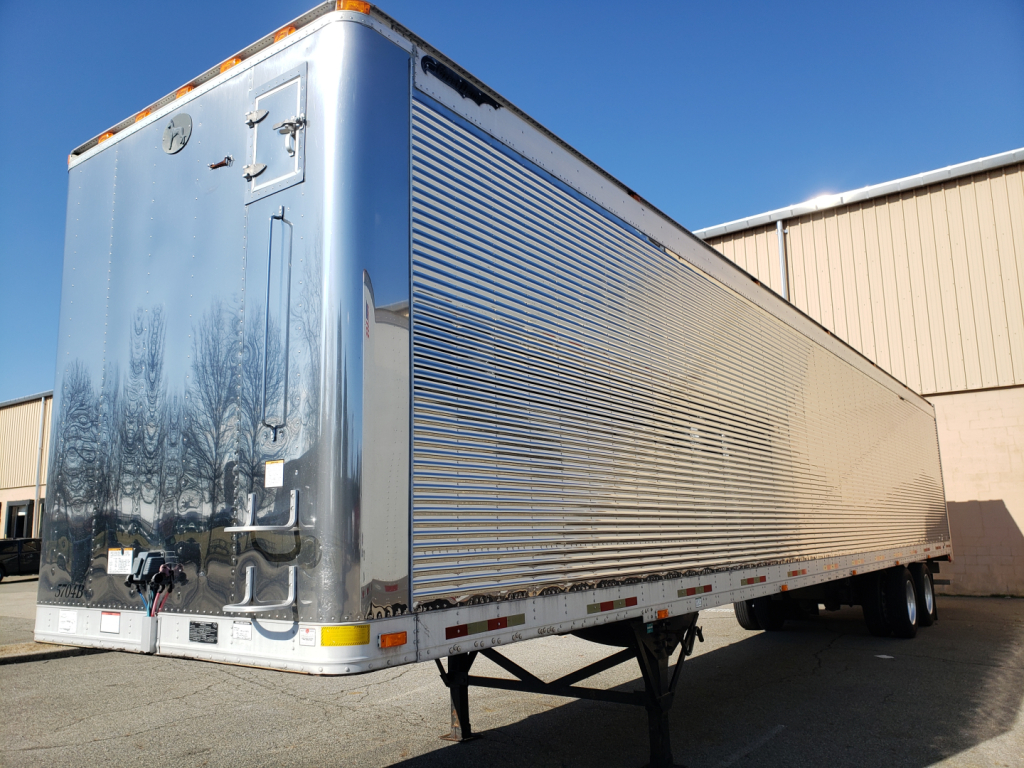
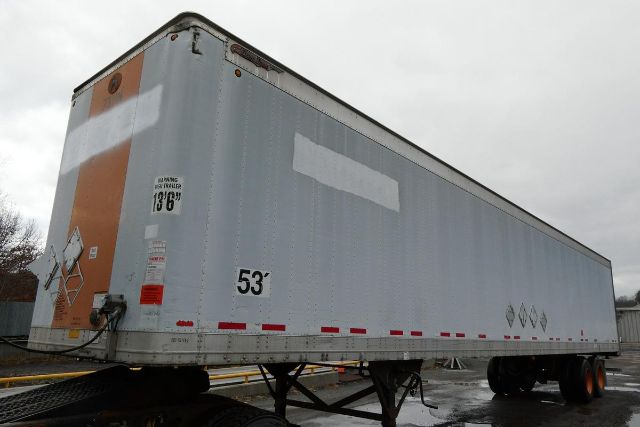
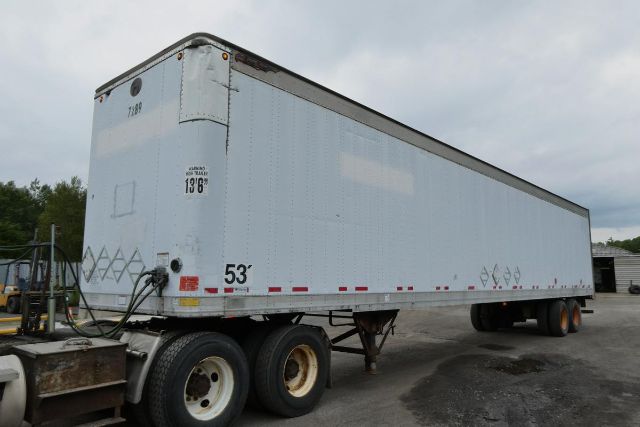
Have 2000 great dane trailer to sell? List it here to reach thousands of buyers.
2000 Great Dane Trailers
Frequently Asked Questions about 2000 Great Dane Trailers
What should I look for first on a 2000 Great Dane trailer?
Start with the frame, crossmembers, suspension hangers, tandem slide area, floor condition, and rear structure. On a trailer of this age, the biggest value difference is usually structural condition rather than brand name alone. Check for cracked welds, corrosion around the rails and rear sill, loose or damaged crossmembers, floor soft spots, and excessive wear in the slider box. Brake system condition, wheel-end maintenance, tire age, and door seal integrity also matter because those items can quickly change the true cost of ownership.
Are 2000 Great Dane dry vans still practical for fleet or regional work?
They can still be practical if the trailer has been maintained well and the intended lane matches the trailer's condition and spec. Many 2000 Great Dane dry vans were built with aluminum roofs, wood floors, steel or combo understructures, and sliding tandems, which remain serviceable for general freight, storage, local shuttle work, and some regional applications. Buyers running high-mileage over-the-road freight or strict shipper standards may need newer trailers, but for secondary lanes, short-haul freight, and budget-conscious operations, an older Great Dane van can still make sense.
What sizes and configurations are common on older Great Dane trailers?
The most common configurations are 48-foot or 53-foot length, 102-inch width, tandem axles, and a standard 13-foot 6-inch outside height on van and reefer applications. Many dry vans from this period use sliding tandem axle setups to help with bridge law compliance and dock positioning. Suspension may be spring ride or air ride depending on original fleet specification, and wheel setups often include steel disc wheels with 22.5-inch low-profile tires. Flatbeds from the same era are commonly 48-foot by 102-inch tandem axle units with aluminum, steel, or combo construction.
Is aluminum or steel construction better on a used Great Dane trailer?
It depends on the freight and the repair strategy. Aluminum and aluminum-combo trailers usually offer lower empty weight and better corrosion resistance, which helps payload and long-term operating efficiency. Steel components can be durable and easier to repair in some shops, but they add weight and may show more corrosion over time if maintenance was inconsistent. On a 2000 model, actual condition matters more than the material on paper, so inspect the rails, floor attachment points, roof bows, side posts, and rear frame closely before deciding.
How do I evaluate a used 2000 Great Dane reefer or van for hidden costs?
Look beyond appearance and review all wear items and structural points that create immediate shop bills. On a dry van, inspect the floor thickness, wall lining, logistics track, roof skin, scuff liners, door hardware, and ABS function. On a reefer, add inspection of the front wall, chute, duct floor, drain lines, insulation integrity, and reefer unit hours and service history. Tires, brakes, suspension bushings, airbags, slack adjusters, lights, and registration compliance can all add significant cost after purchase, so a thorough trailer PM-level inspection is worth doing before committing.