
2000 Great Dane Van Trailers For Sale
Shop 2000 Great Dane van trailers with specs buyers want most, including 53-foot dry vans, tandem options, aluminum construction, and roll-up doors.
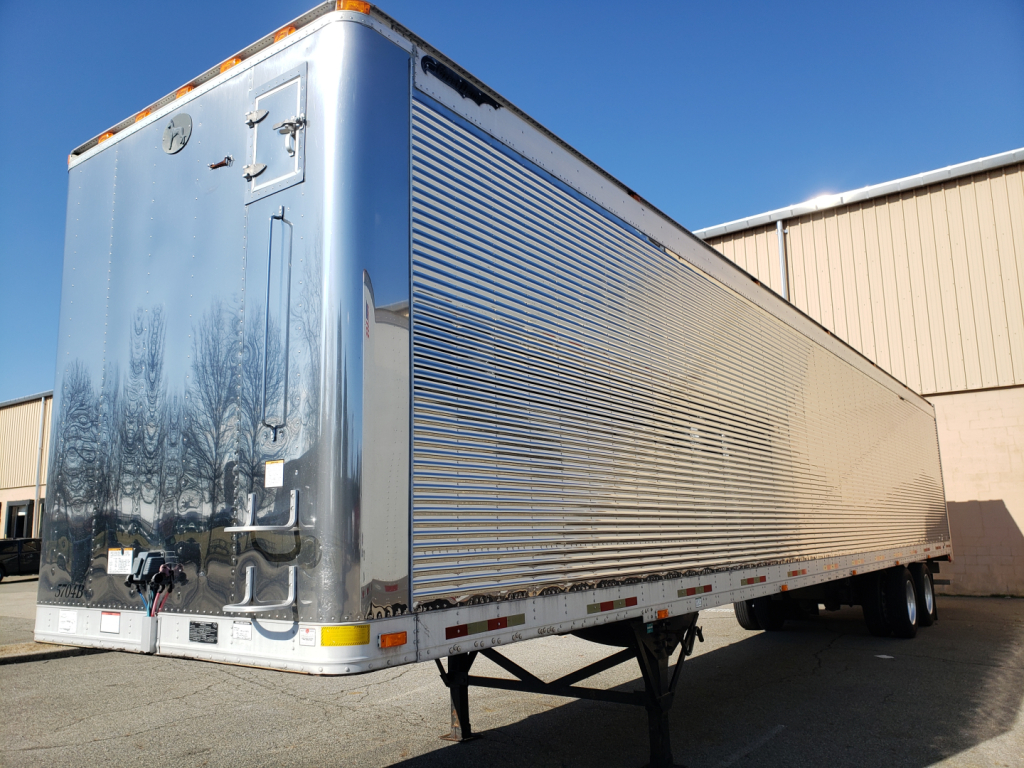
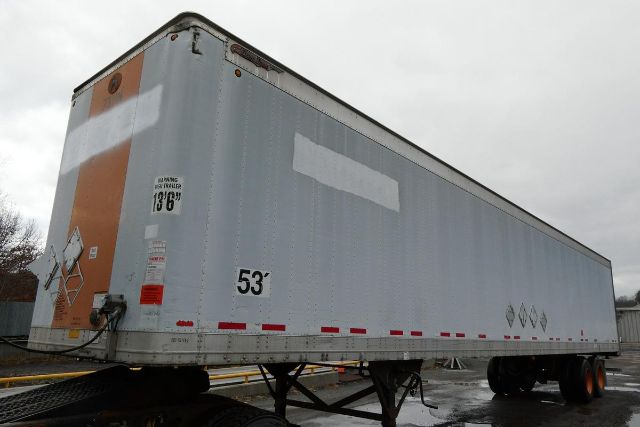
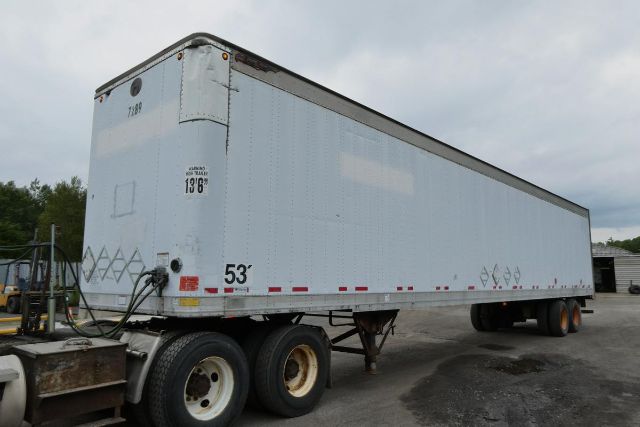
Have 2000 great dane van trailer to sell? List it here to reach thousands of buyers.
2000 Great Dane Van Trailers
The first decision is usually axle setup and suspension. A slideable tandem is valuable for bridge law compliance, dock balance, and lane-by-lane weight adjustment, especially in regional and over-the-road service. Fixed single-axle pups are more common in doubles service and city freight applications. On older 2000 model trailers, suspension type matters because it affects ride quality, maintenance cost, and how the trailer has aged under load. Spring ride is straightforward and durable, while air ride is preferred for more delicate freight and can be a plus in dedicated or higher-cube operations.
Condition matters more than age in this category. Buyers should pay close attention to the roof, front wall, rear frame, crossmembers, floor wear, and door surround. Dry vans in this age range may have roll-up rear doors, translucent roofs, scuff liners, and steel rear surrounds that show corrosion at the corners or hinge points. Check for floor soft spots from forklift traffic, sidewall repairs, tandem rail wear, brake condition, and evidence of previous body damage. Tire inflation systems, side skirts, liftgates, and heater units can add value when they fit the intended route, but they also add inspection points and maintenance considerations.
For many fleets, a 2000 Great Dane van trailer can still make sense as a lower-cost freight box, storage trailer, yard trailer, regional van, or route trailer if the structure is sound. Great Dane has a long reputation in the dry van market, so parts support and service familiarity are typically better than with lesser-known brands. Buyers comparing listings should focus on trailer length, axle configuration, overall empty weight, door style, floor condition, and how the trailer’s prior application matches the next job. A clean 2000 dry van with a solid floor, straight rails, and usable tandem can still be a practical asset in the right operation.
Frequently Asked Questions about 2000 Great Dane Van Trailers
What should I inspect first on a 2000 Great Dane van trailer?
Start with the structural items that are expensive to repair or difficult to justify on an older dry van. Inspect the floor for forklift damage and soft spots, check crossmembers and side rails for cracks or heavy corrosion, and look closely at the rear frame, door surround, and roof seams. Tandem slider rails, suspension hangers, brakes, and air system condition also deserve close attention because these directly affect roadworthiness and operating cost.
Are 2000 Great Dane van trailers usually 53-foot dry vans?
Many are 53-foot dry vans, but this category can also include 28-foot pups and 40-foot vans depending on the trailer’s original application. Great Dane built van trailers for long haul, regional, city delivery, and doubles service, so length and axle layout vary. Buyers should confirm overall length, door opening dimensions, and interior cube before assuming a trailer fits a specific freight lane or dock setup.
Is a slideable tandem important on an older van trailer?
A slideable tandem is still a valuable feature because it gives the operator flexibility for bridge compliance, axle weight distribution, and dock approach balance. It is especially useful in over-the-road and regional operations where freight density changes from load to load. On an older trailer, the benefit depends on condition, so inspect the slider mechanism, locking pins, rails, and signs of wear or damage before placing much value on that feature.
What construction features are common on Great Dane dry vans from this era?
Aluminum trailer construction is common, often with a wood or wood-over-steel floor designed for pallet and forklift traffic. Many units have 102-inch width, roll-up rear doors, air brakes, and steel rear door surrounds. Some trailers also include translucent roofs, scuff liners, tire inflation systems, liftgates, or heater units depending on prior fleet specification and delivery application.
Are 2000 Great Dane van trailers better suited for highway freight or local work today?
That depends on condition, weight, and spec, but many older dry vans are well suited to regional freight, dedicated customer lanes, storage use, yard spotting, or local route work. A structurally sound trailer with good brakes, solid flooring, and a usable tandem can still handle highway service. Units with liftgates, heater packages, or shorter lengths may be especially attractive for city delivery, route distribution, and specialized support roles.