
2020 Trailers For Sale
Browse 2020 trailers for sale including van, reefer, flatbed, and dump trailers. Compare specs, axle setups, floors, and suspension.
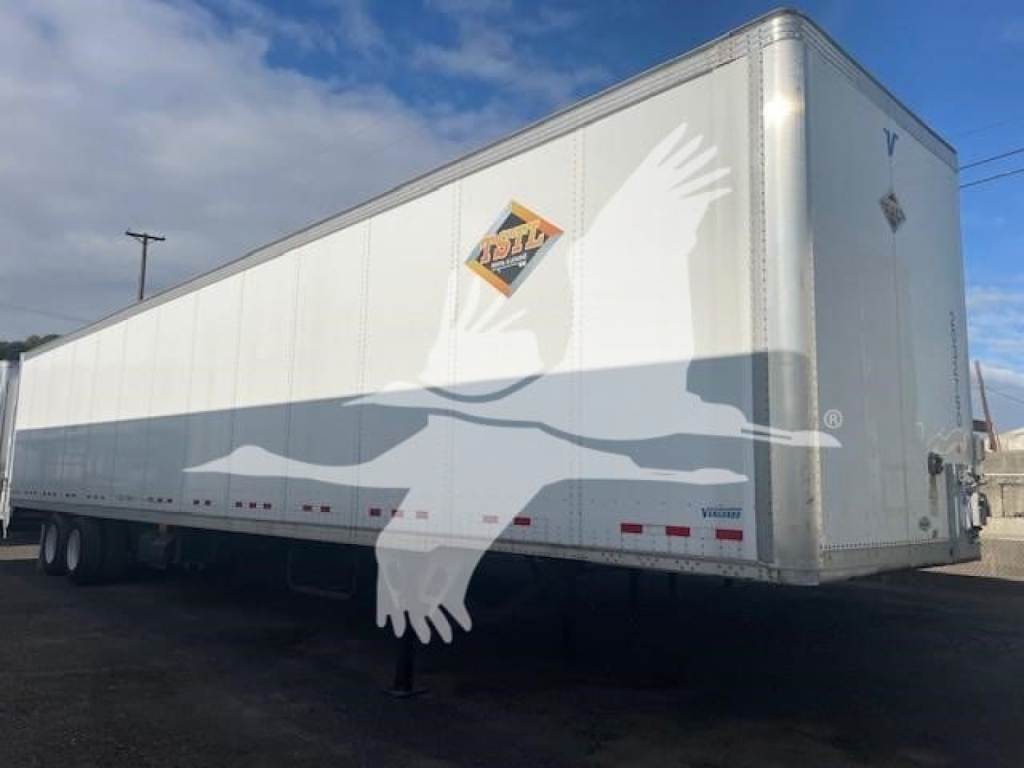
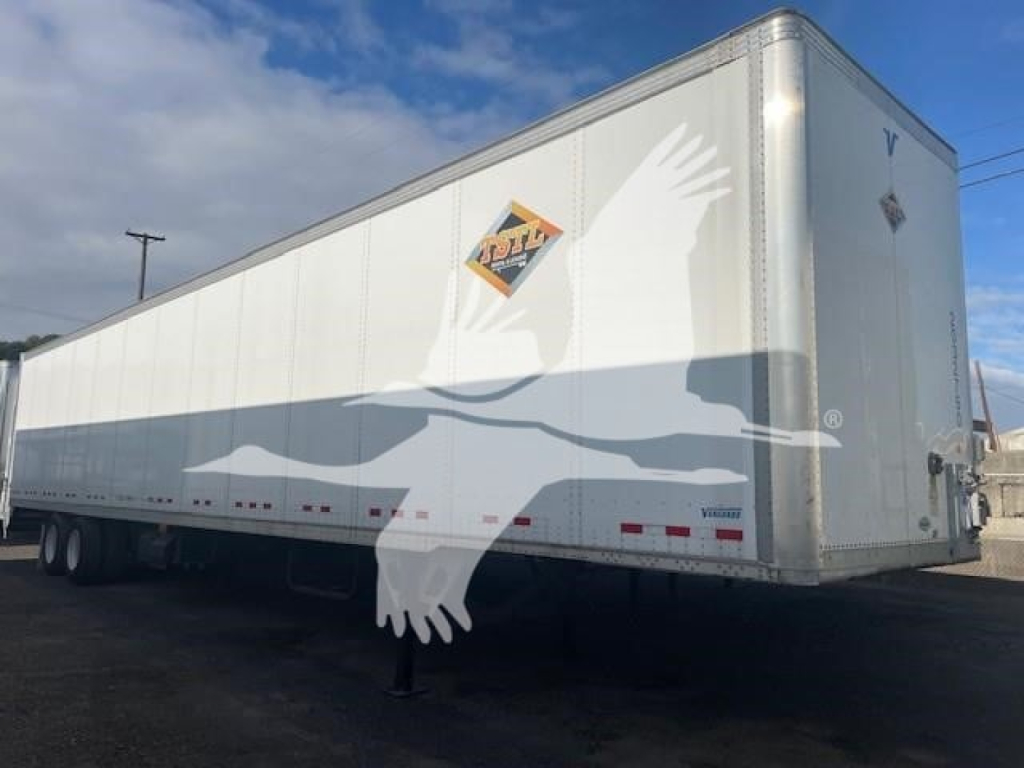
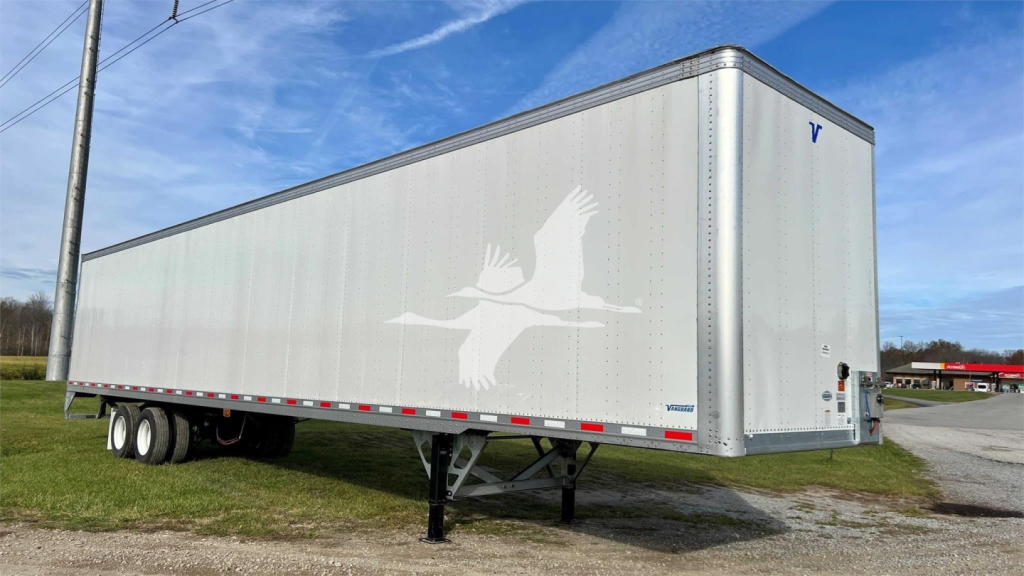
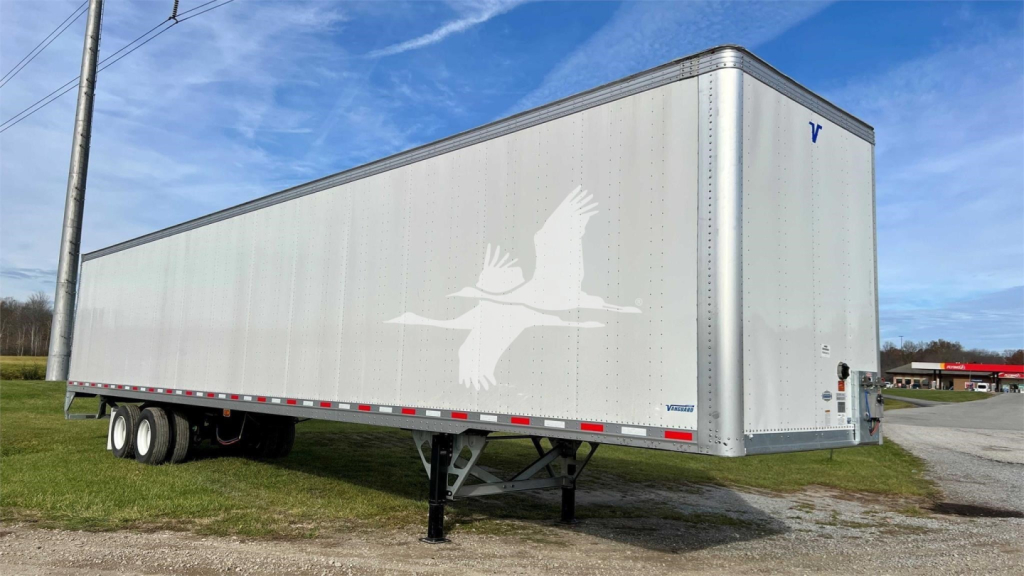
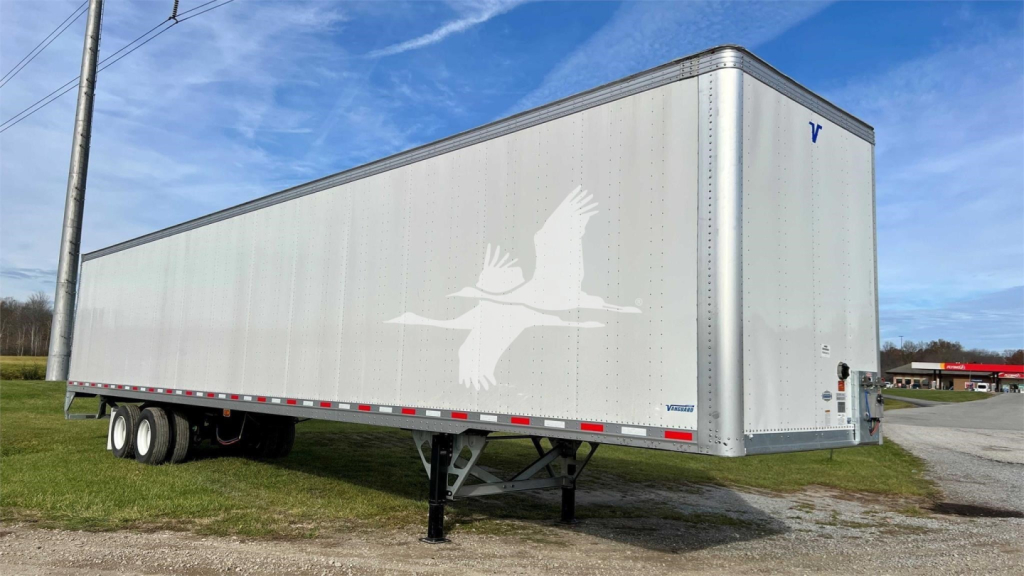
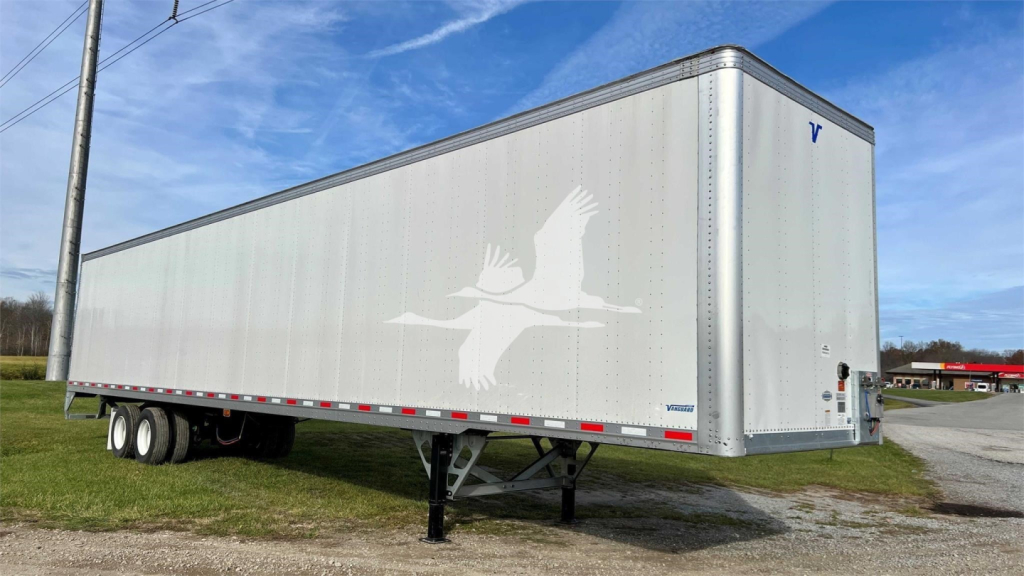
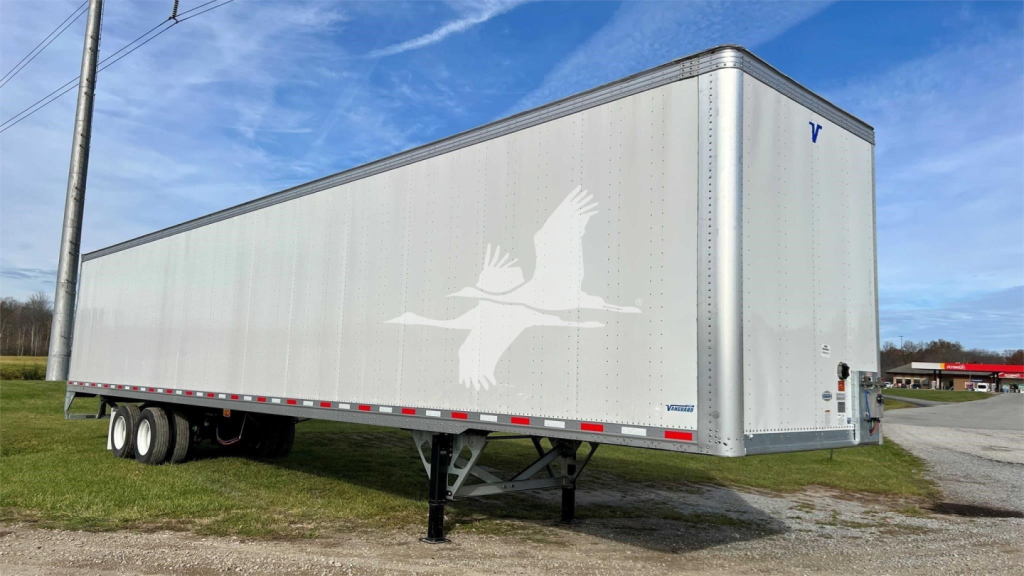
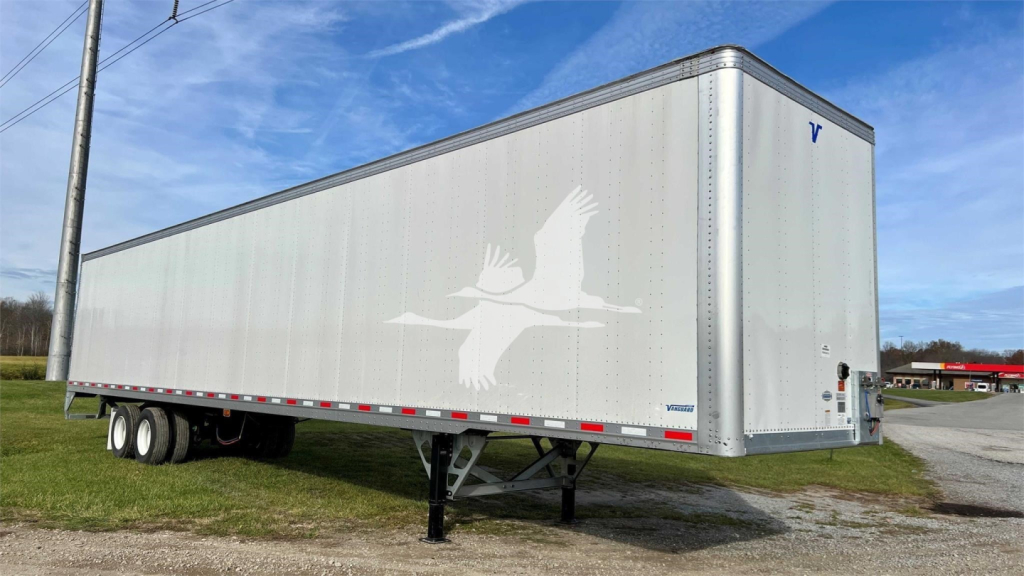
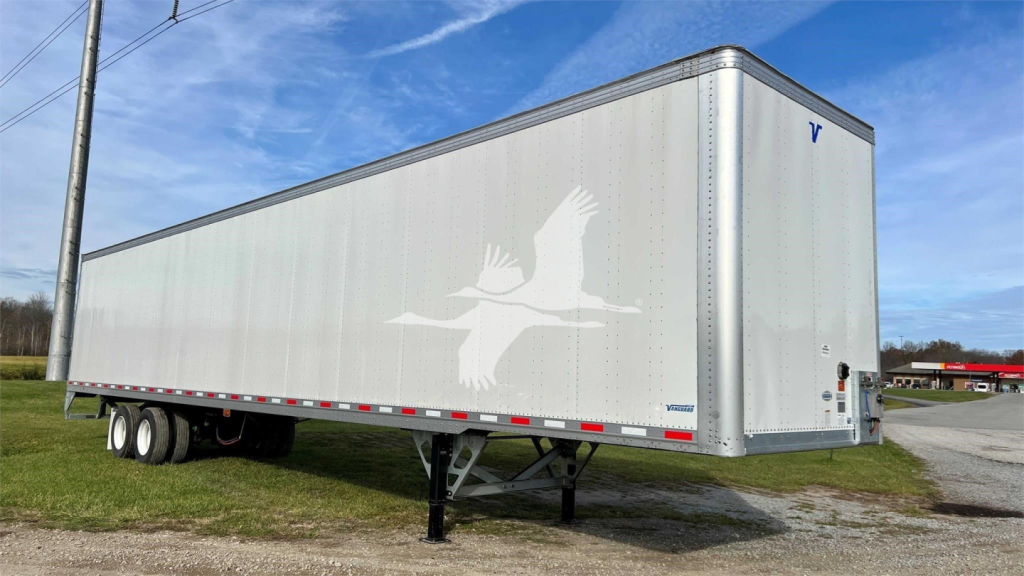
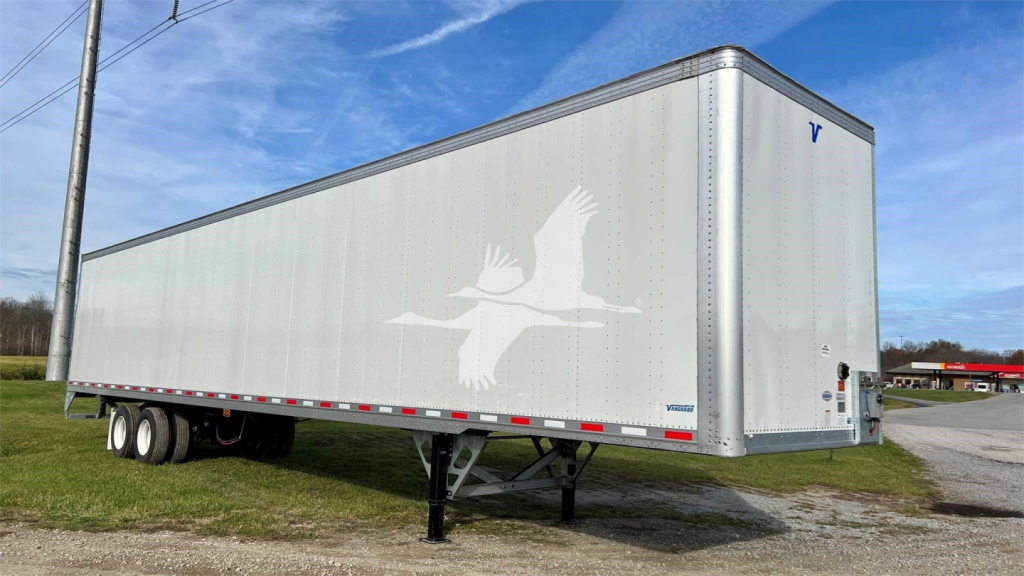
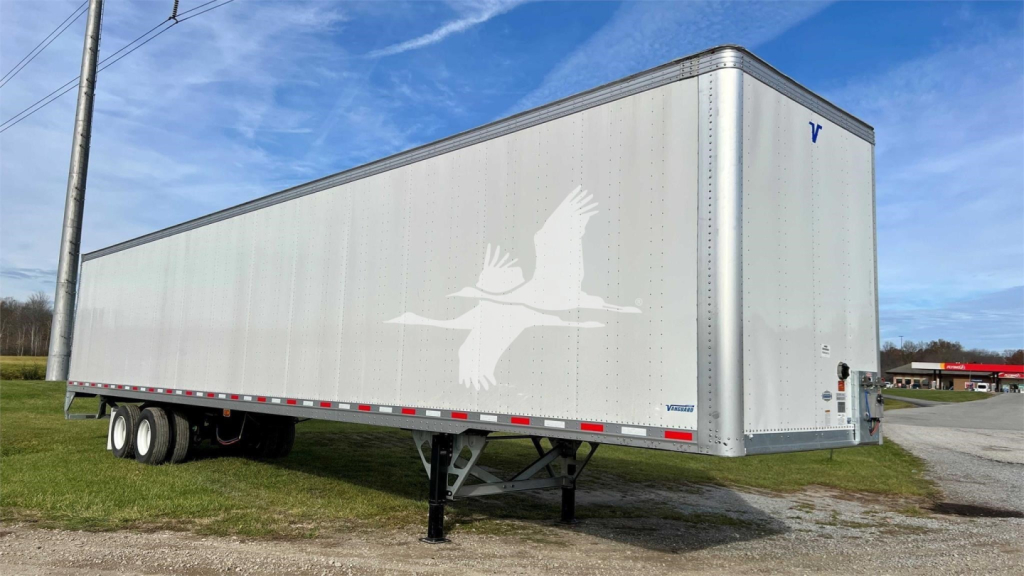
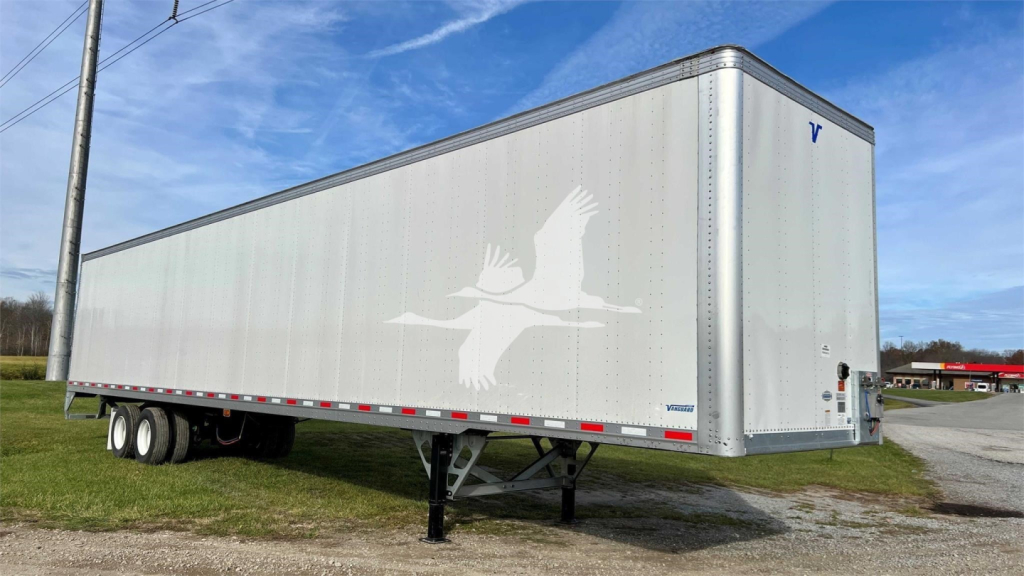




Showing 57 to 84 of 122 results
Looking for the easiest place to sell your 2020 trailer? List it here to reach thousands of buyers.
2020 Trailers
For van and reefer buyers, the biggest decisions are body construction and interior condition. A 2020 dry van may include galvanized rear frames, hardwood floors, aluminum roofs, logistics posts, scuff liners, and swing doors built for dock work. A 2020 reefer trailer adds another layer of evaluation with the refrigeration unit, unit hours, CARB compliance, chute design, duct floor condition, and insulation integrity. Common reefer specs in this market include 53-foot length, 102-inch width, air ride suspension, sliding tandems, aluminum wheels, scuff liners, E-track, and tire inflation systems. Buyers should inspect door seals, floor wear, front wall damage, and signs of moisture intrusion, especially on food-grade or multi-temp applications.
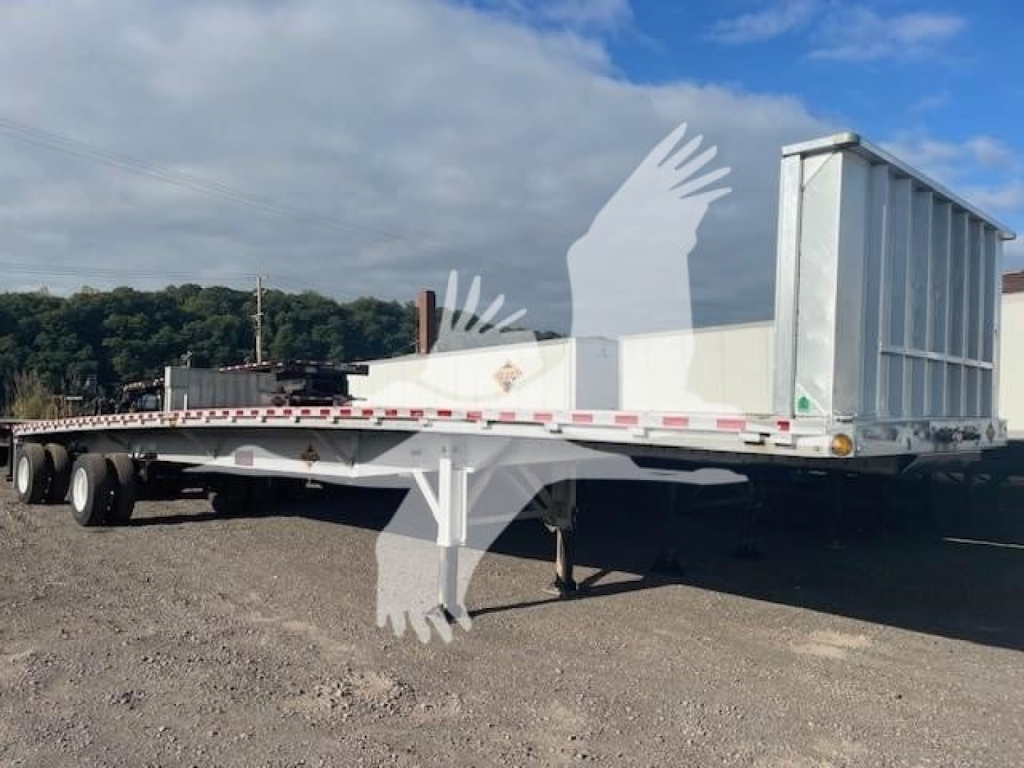
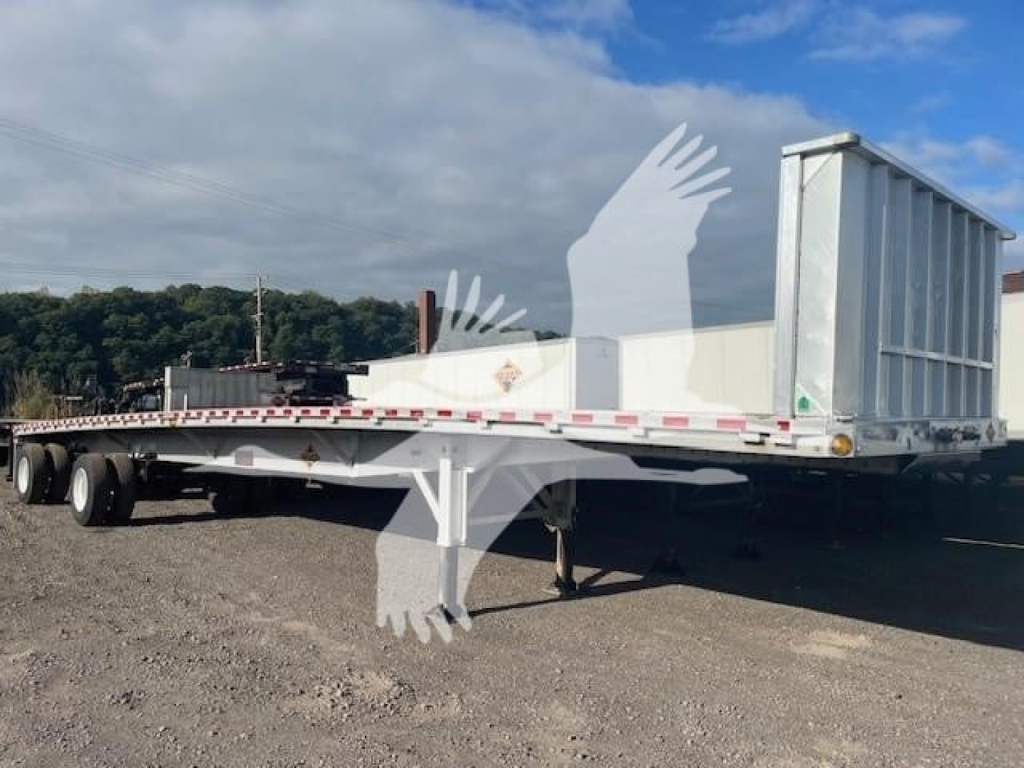
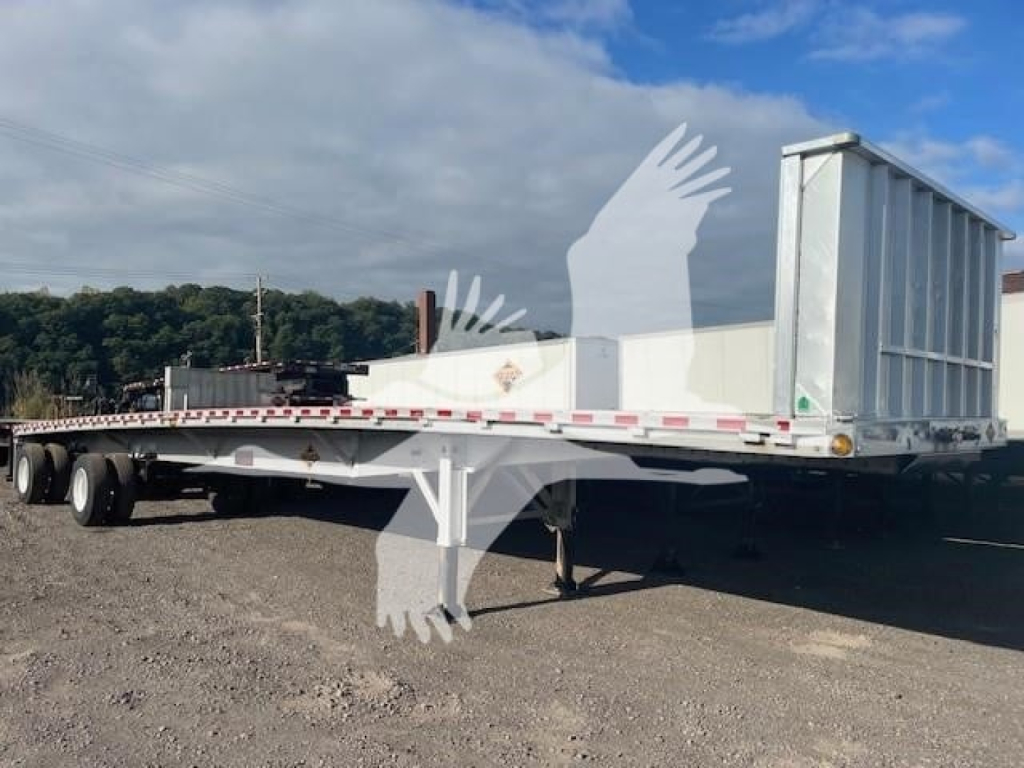
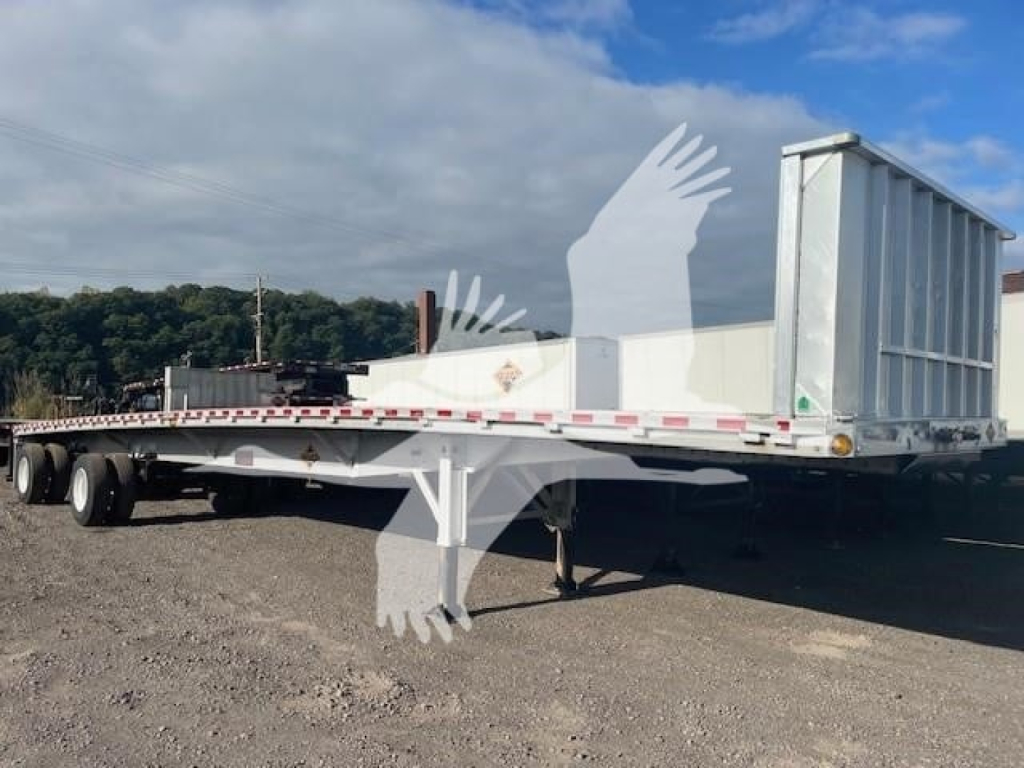
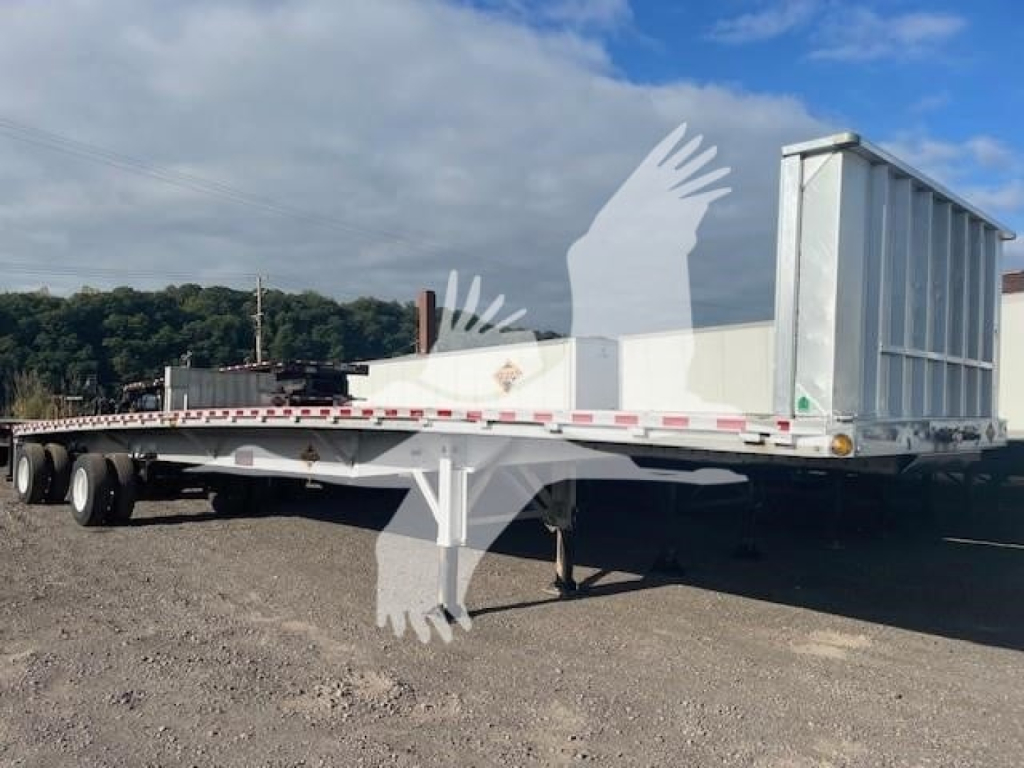
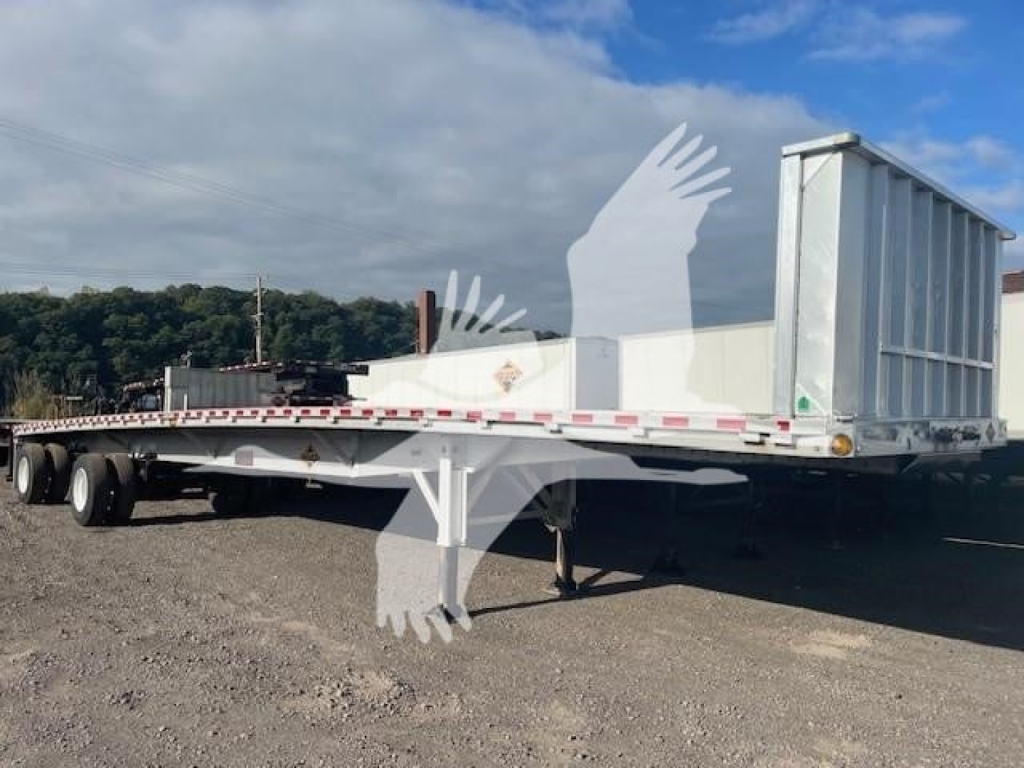
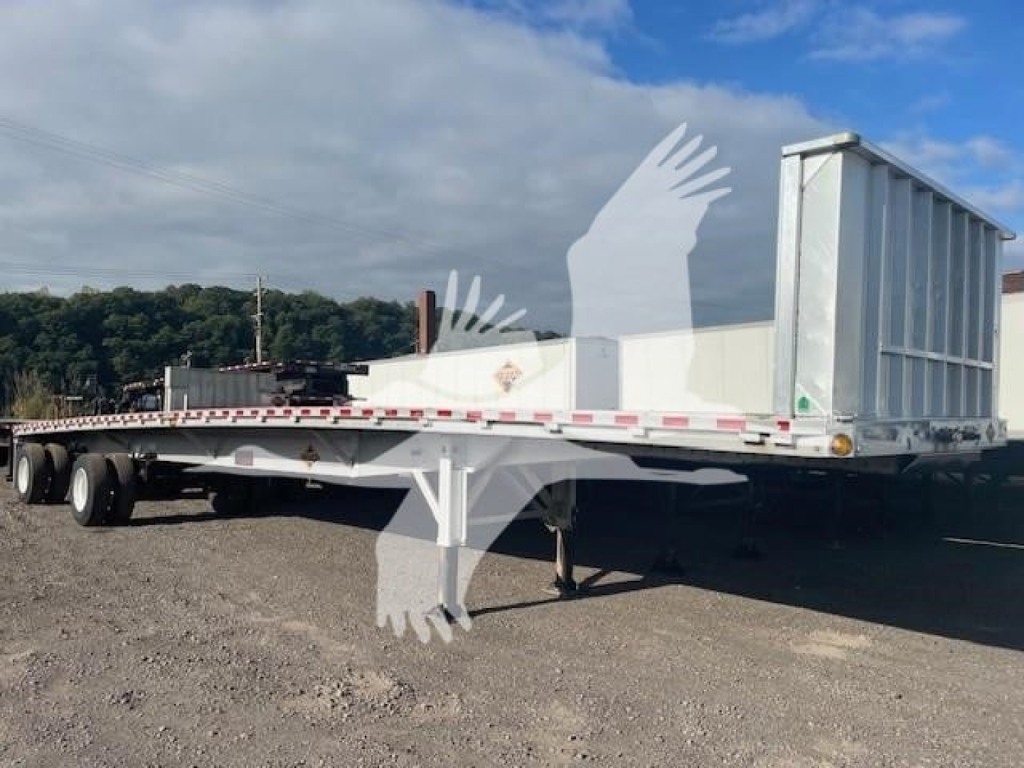
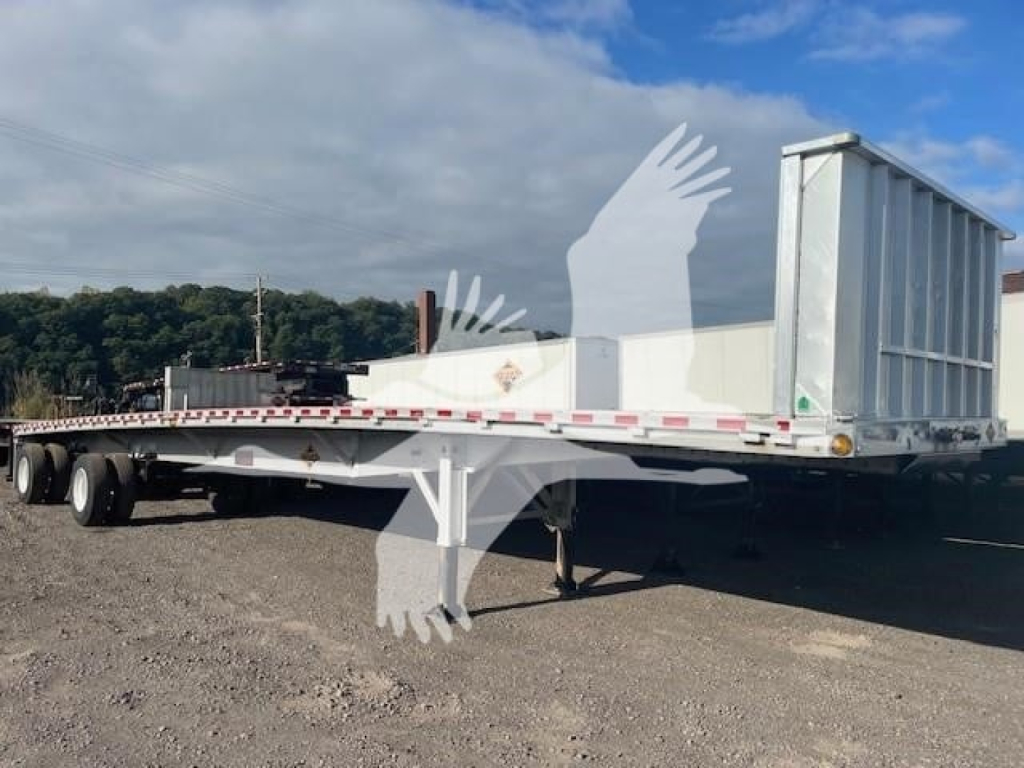
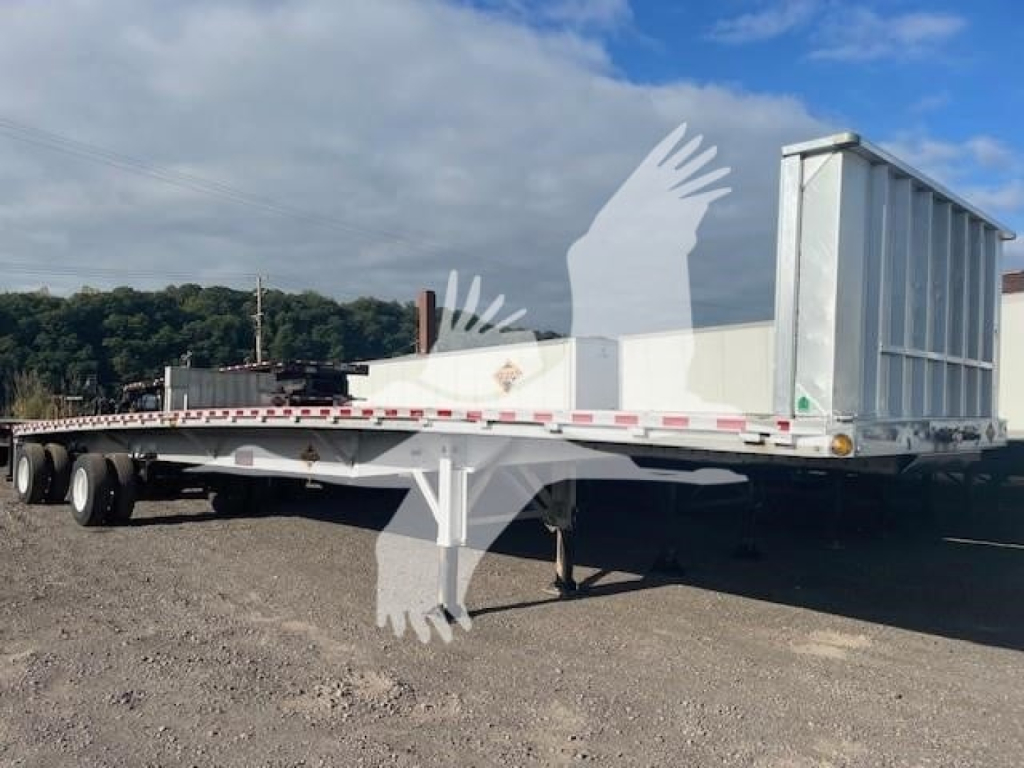
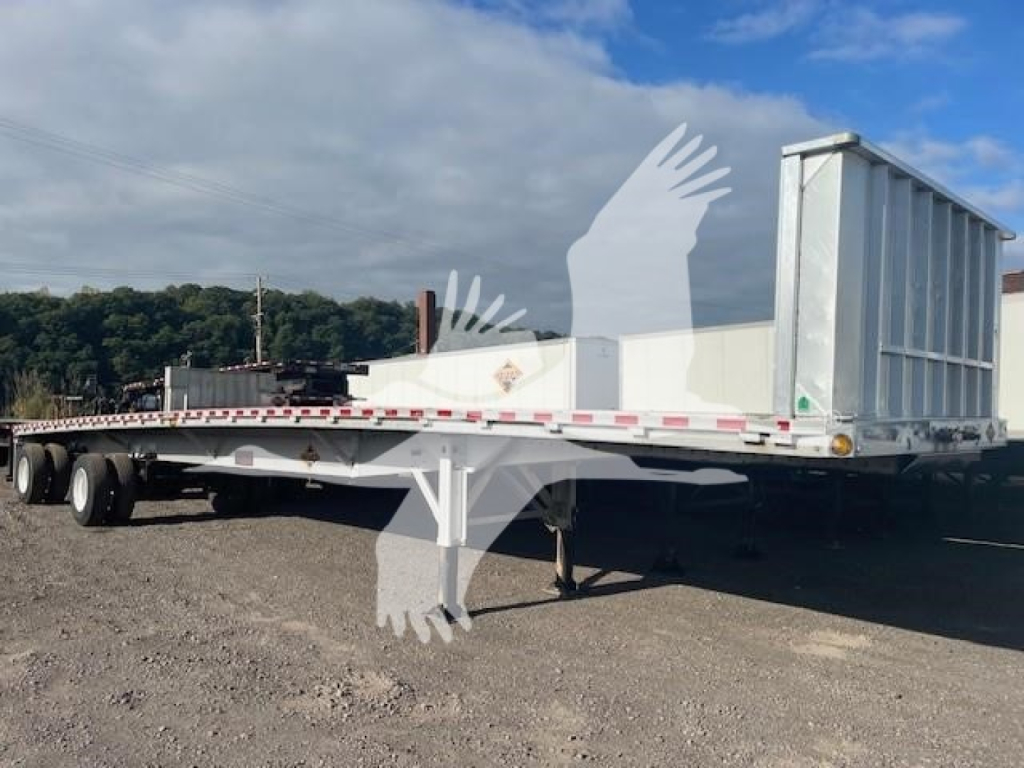
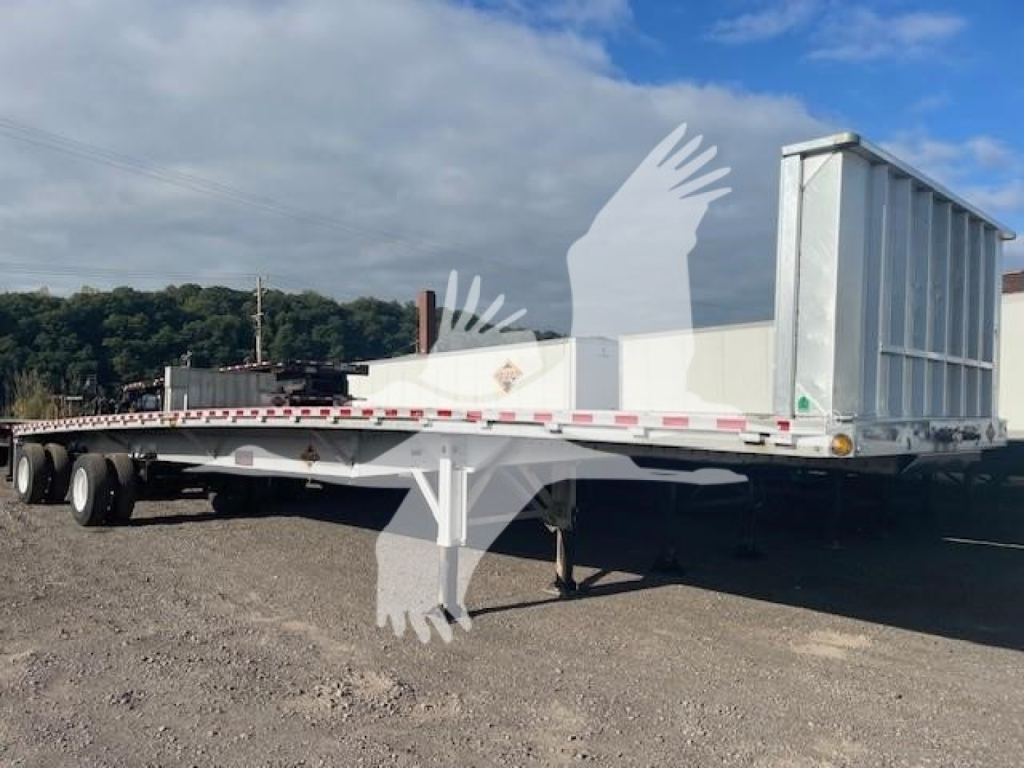
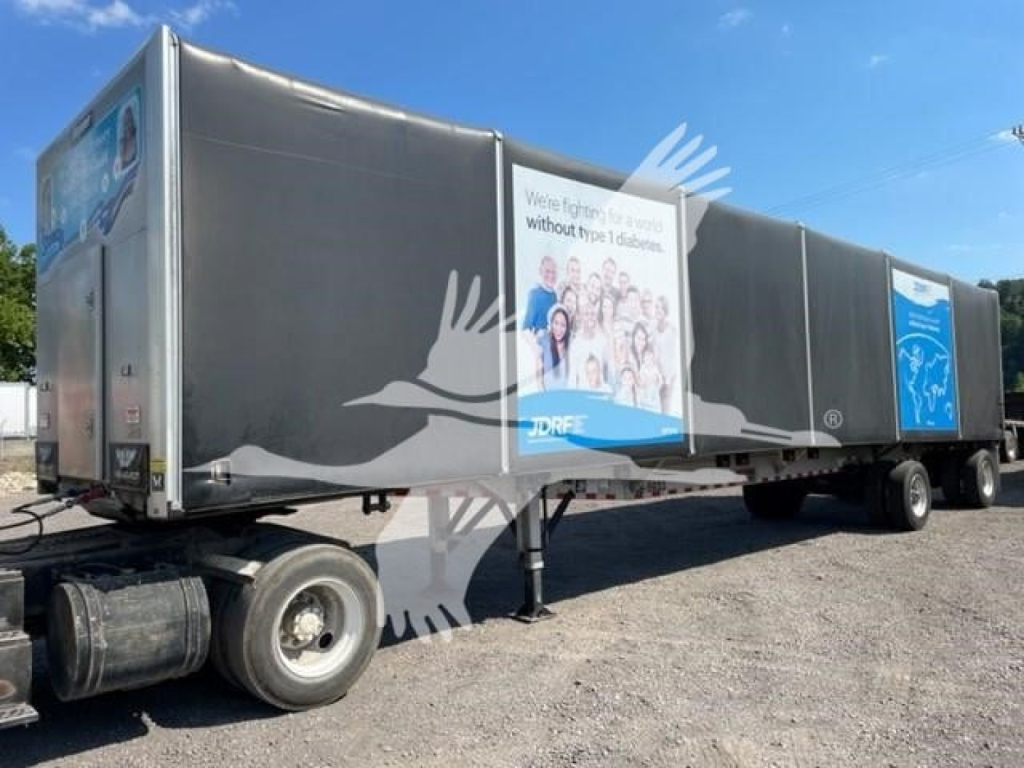
Flatbed and dump trailer buyers tend to focus more on weight capacity, deck layout, and structural condition. A 2020 flatbed trailer may be aluminum or combo construction with air ride suspension, sliding or fixed spread tandems, winch tracks, sliding winches, stake pockets, pipe spools, and coil packages. Key measurements like kingpin setting, crossmember spacing, deck length, and loaded bridge compliance can matter as much as the trailer's empty weight. A 2020 dump trailer should be evaluated for body style, gate design, tarp system, suspension, liner condition, hoist performance, and signs of cracking around high-stress areas. In both categories, tire condition, brake type, wheel material, and landing gear condition affect operating cost right away.
Across all 2020 trailers, buyers should pay close attention to maintenance documentation and wear points that match the trailer's previous job. Sliding tandem rails, air system leaks, brake life, frame corrosion, floor repairs, roof damage, and suspension bushing wear are common inspection items. Matching the trailer to freight is more important than chasing one feature. A reefer with good unit history, a van with a solid floor, a flatbed with the right tiedown package, or a dump with a clean tub and dependable tarp system will usually outperform a mismatched trailer with a cleaner appearance. For many fleets and owner-operators, a 2020 trailer is a strong value point because it can still fit modern operational needs without the cost of a new spec.
Frequently Asked Questions about 2020 Trailers
What should I look for first when buying a 2020 trailer?
Start with the trailer type and the job it needs to do, then verify the core structural and running-gear condition. For most buyers, the priority list is frame condition, floor condition, axle and suspension setup, brake and tire life, and any category-specific systems such as a reefer unit or dump hoist. A 2020 trailer should still have good parts support, so the real value difference usually comes from maintenance history and how hard it was worked.
Is a 2020 reefer trailer still a good buy for temperature-controlled freight?
Yes, if the refrigeration unit history and trailer body condition are both solid. Buyers should review reefer hours, start-run performance, CARB compliance where required, chute and duct floor condition, door seal integrity, and any evidence of insulation or interior liner damage. A 2020 reefer can be a productive trailer for regional or long-haul refrigerated service if the unit has been maintained on schedule and the box has stayed tight.
How do I choose between a 2020 flatbed, van, reefer, or dump trailer?
Choose based on freight first, then on legal payload and loading method. Dry vans are built for general freight and dock loading, reefers for temperature-sensitive cargo, flatbeds for open-deck loads that need side or overhead access, and dumps for bulk material that must be unloaded quickly. Once the application is clear, compare dimensions, suspension, axle spread, floor or deck construction, and tiedown or discharge features that fit your lanes.
Are 2020 trailers likely to have modern fleet specs?
Many do. In this model year, it is common to see air ride suspension, sliding tandems, disc or well-maintained drum brakes, aluminum wheels, tire inflation systems, aerodynamic skirts, E-track in vans and reefers, and productivity-focused flatbed or dump options. The exact spec still depends on the original buyer, so two 2020 trailers can be very different in payload, durability, and maintenance cost.
What maintenance areas matter most on a used 2020 trailer?
The high-value inspection points are tires, brakes, wheel ends, suspension components, air lines, lights, landing gear, tandem slider operation, and any structural repairs. Vans and reefers also need careful review of floor wear, roof condition, rear frame integrity, and interior wall damage. Flatbeds need close inspection of crossmembers, winch track areas, and deck condition, while dump trailers should be checked for tub cracks, gate wear, tarp operation, and hoist performance under load.