
2020 Trailers For Sale in Florida
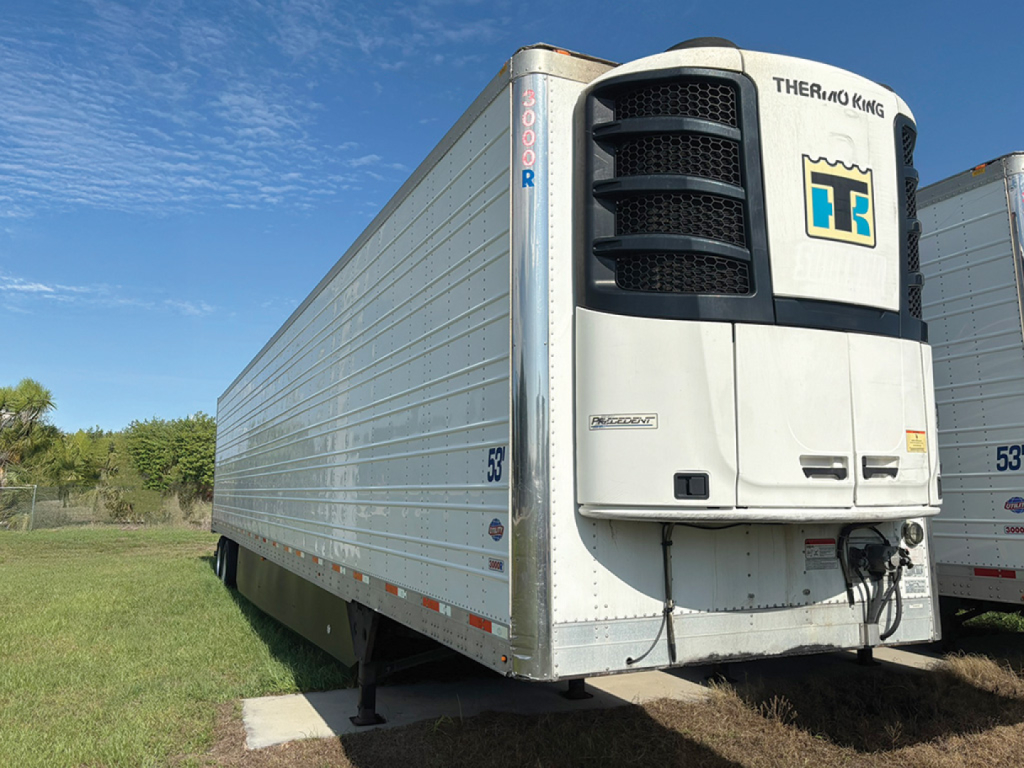
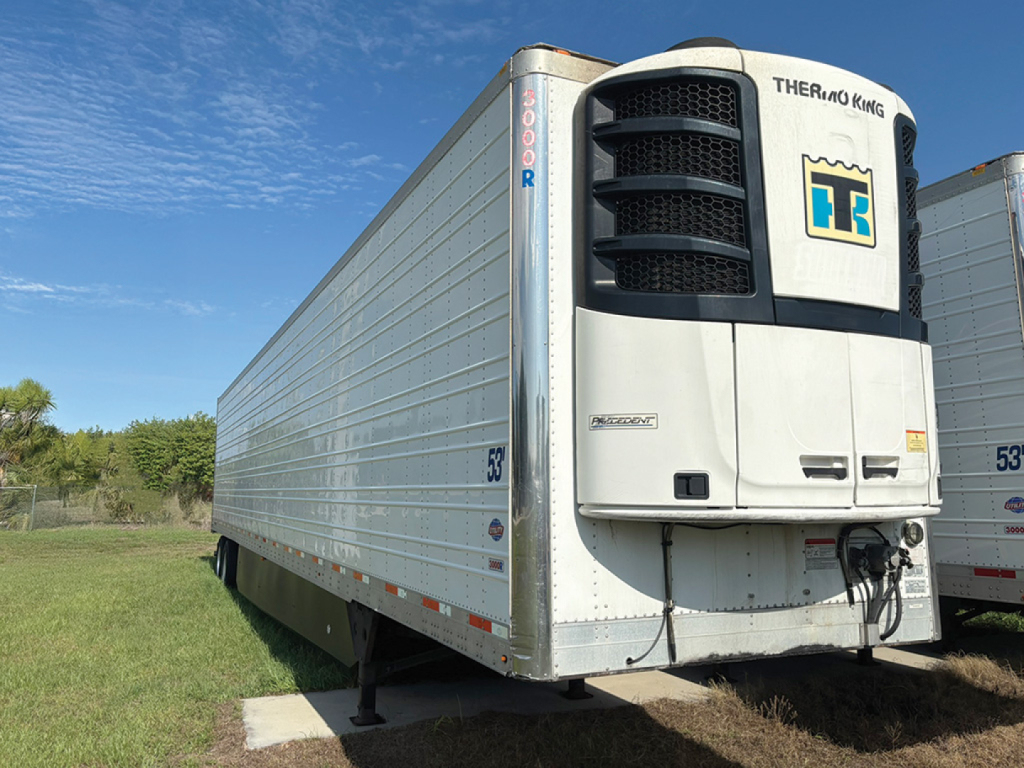
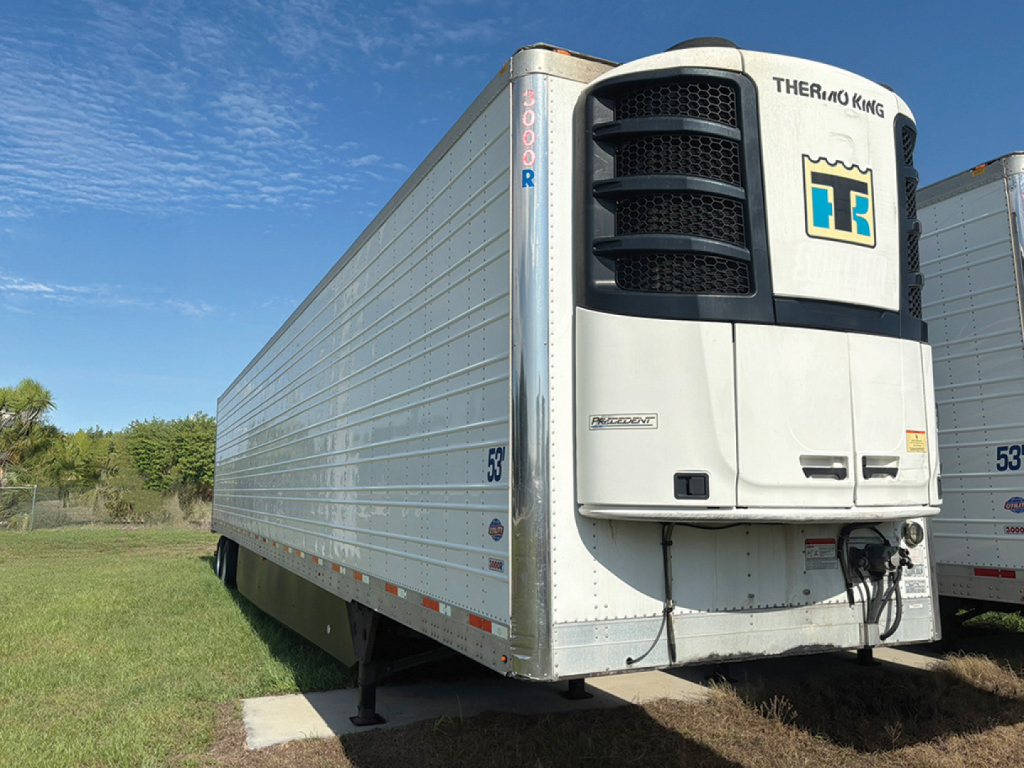
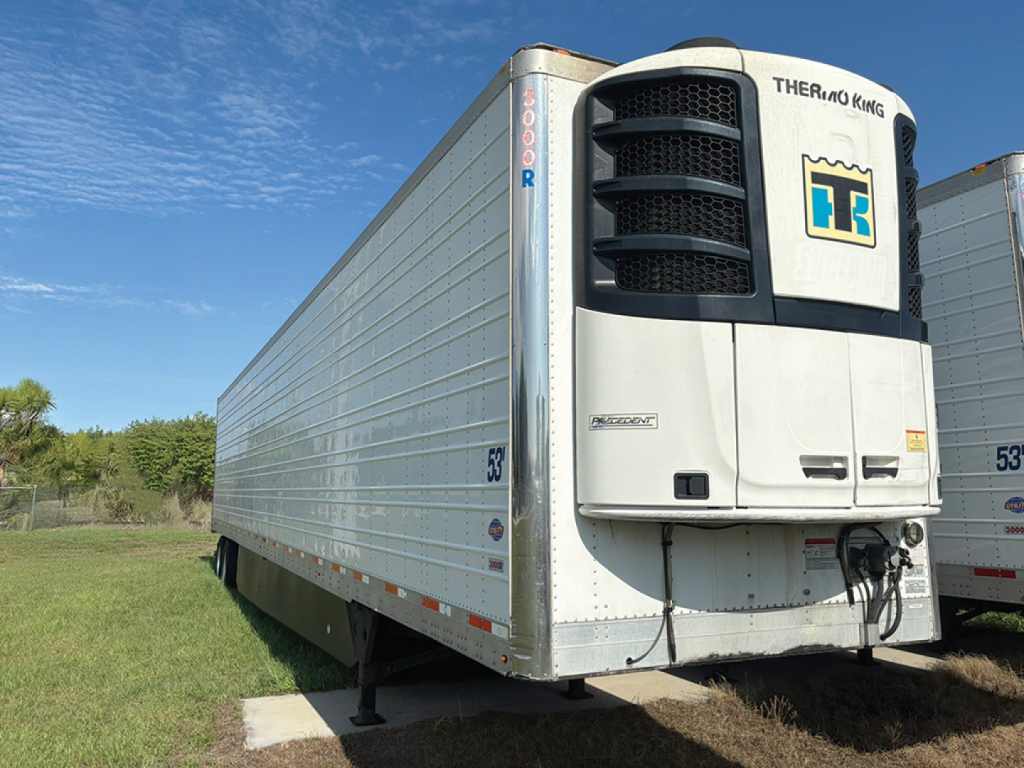
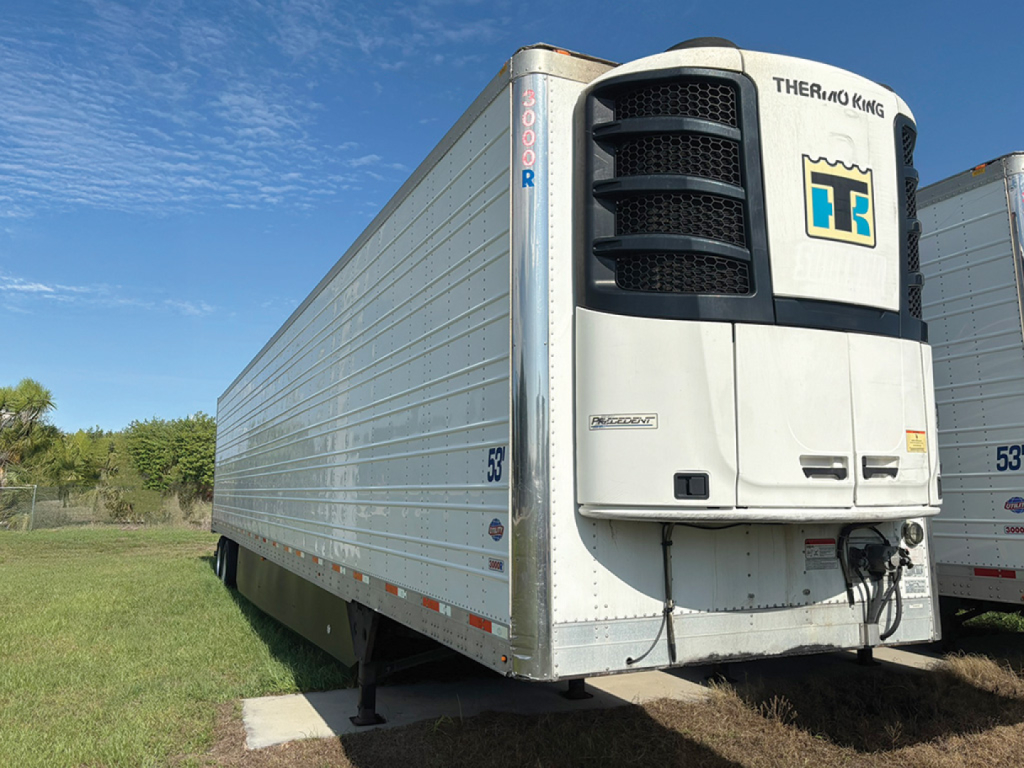
Have 2020 trailer to sell? List it here to reach thousands of buyers.
2020 Trailers in Florida
The most important buying decisions usually come down to suspension, interior configuration, and axle setup. Air ride suspension is preferred for more sensitive freight and for fleets that want a smoother ride, while spring ride can still make sense for simpler applications and lower acquisition cost. Sliding tandems matter for bridge law compliance, dock positioning, and lane flexibility, especially if the trailer will move through multiple states. Interior details like E-track, threshold plates, front and rear vents, and undertray storage systems can make a big difference in day-to-day utility. Tire inflation systems, air lift front axles, and disc wheels are also worth noting because they can reduce downtime, improve tire life, and simplify maintenance planning.
For Florida operations, trailer condition should be evaluated with climate and freight patterns in mind. High humidity, coastal exposure, and constant loading cycles can accelerate wear on floors, door hardware, roof seams, and electrical connections. Buyers should pay close attention to crossmember condition, sidewall repairs, floor fasteners, tandem slider operation, brake wear, and any signs of water intrusion around the front wall or roof bows. On dry vans, inside height is another key spec. Many 2020 trailers fall around 100-inch interior height, while some high-cube configurations run taller. That difference affects cube capacity, stack patterns, and what freight you can legally and efficiently load.
A well-spec'd 2020 trailer often fits regional haul, dedicated contract freight, warehouse shuttle work, and over-the-road service. Common makes in this age range include Hyundai Translead, Vanguard, Wabash, Great Dane, and Utility, with many sharing similar dimensions but differing in build details and component choices. Buyers comparing listings should look beyond year and price and focus on maintenance history, previous fleet use, tire and brake condition, lining and floor wear, and whether the trailer's spec matches the freight. The right 2020 trailer is not just about age. It is about how well the trailer's construction, running gear, and cargo-control setup fit the lanes and loading environment it will see every week.
Frequently Asked Questions about 2020 Trailers in Florida
What are the most common specs on a 2020 dry van trailer?
A common 2020 dry van trailer spec is 53 feet long and 102 inches wide with aluminum construction, a wood floor, plywood liner, scuff plate, roll-up rear door, and sliding tandem suspension. Many units in this model year also include air ride suspension, 22.5 low-profile tires, disc wheels, front and rear vents, and E-track. Inside height often ranges around 100 inches, though some high-cube trailers offer more vertical space.
Is air ride better than spring ride on a 2020 trailer?
Air ride is usually preferred when freight protection, ride quality, and reduced cargo shock are priorities. It is common on fleet dry vans handling retail, packaged goods, and higher-value freight. Spring ride can still be a practical option for buyers focused on lower purchase cost and simpler running gear. The better choice depends on the trailer's cargo profile, route conditions, and maintenance approach.
Why is a sliding tandem important on a van trailer?
A sliding tandem gives the trailer more flexibility for bridge law compliance, axle weight distribution, and dock approach. It can also help when working with different tractor wheelbases and kingpin settings. For buyers running multi-state lanes or mixed shipper locations, a sliding tandem is often a must-have because it makes the trailer easier to position legally and efficiently under varying load conditions.
What should I inspect first on a used 2020 trailer in Florida?
Start with the floor, roof, rear frame, tandem slider, suspension, brakes, tires, and signs of water intrusion. In Florida, humidity and coastal conditions can speed up corrosion on hardware, electrical components, and exposed metal areas. Check door operation, lining damage from forklift contact, crossmember integrity, and any evidence of patchwork on the sidewalls or roof. A trailer can look clean outside and still need significant floor or structural work.
How important is interior height on a 2020 van trailer?
Interior height directly affects cubic capacity and how freight can be stacked. A 100-inch inside height works well for many standard palletized loads, but taller high-cube trailers can improve volume efficiency on light freight. Buyers moving e-commerce, retail, or bulky but lightweight cargo should pay close attention to inside height because it can change load planning and revenue potential even when the trailer's outside length is the same.