
2020 Reefer Trailers For Sale in Florida
Have 2020 reefer trailer to sell? List it here to reach thousands of buyers.
2020 Reefer Trailers in Florida
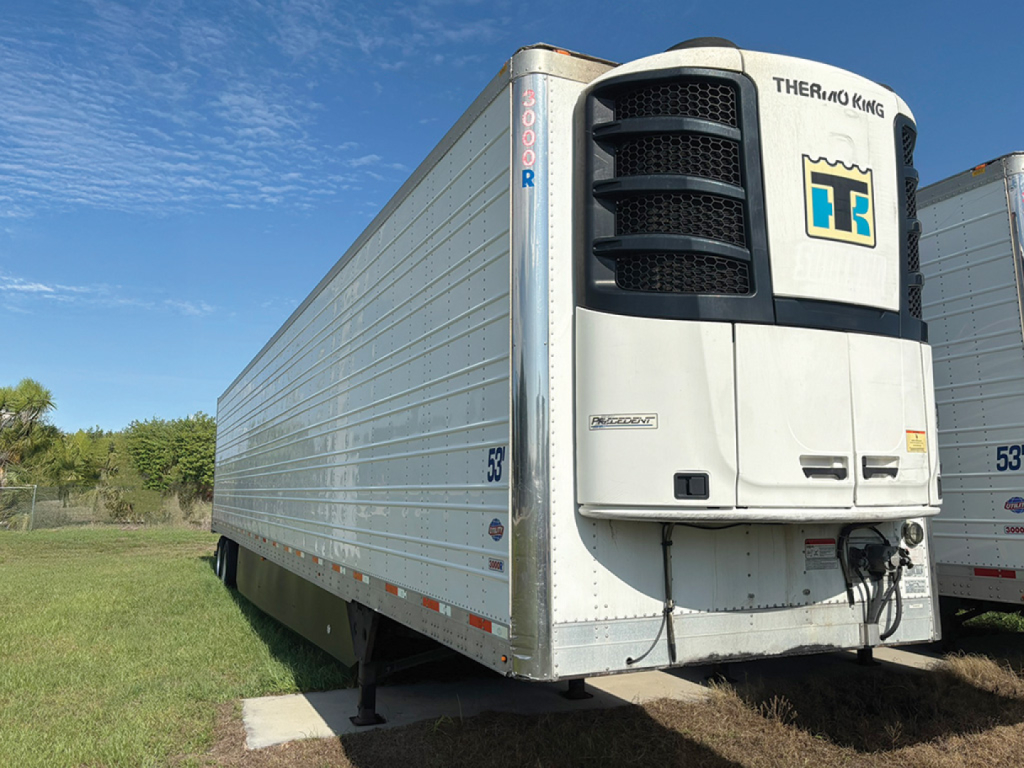
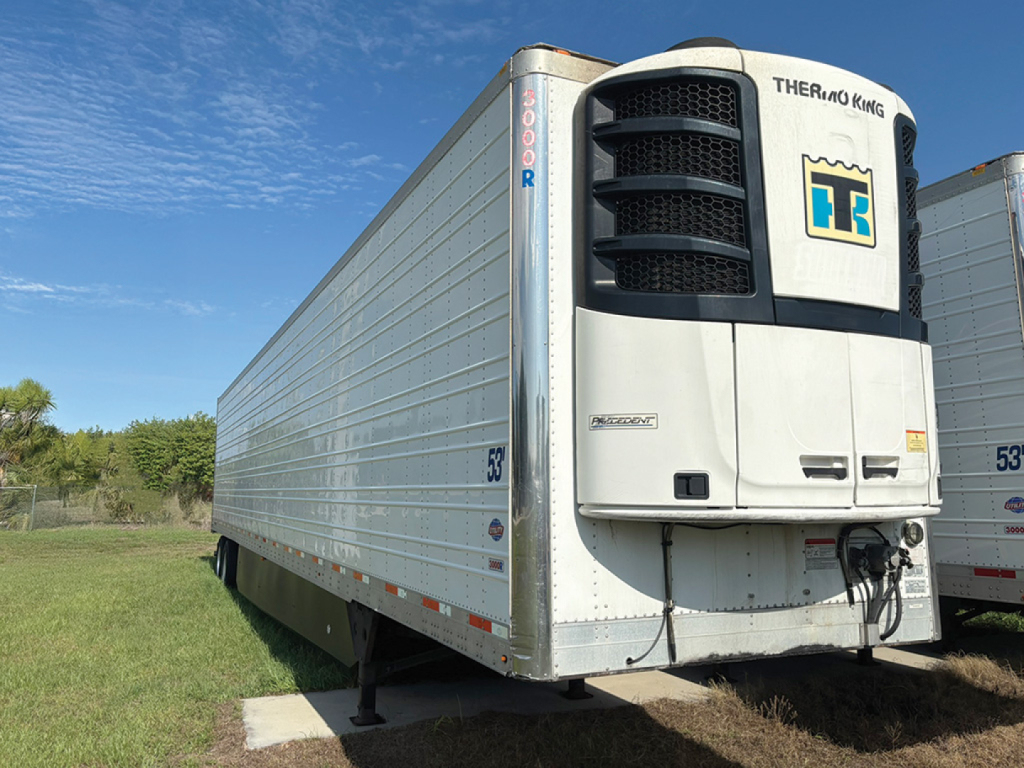
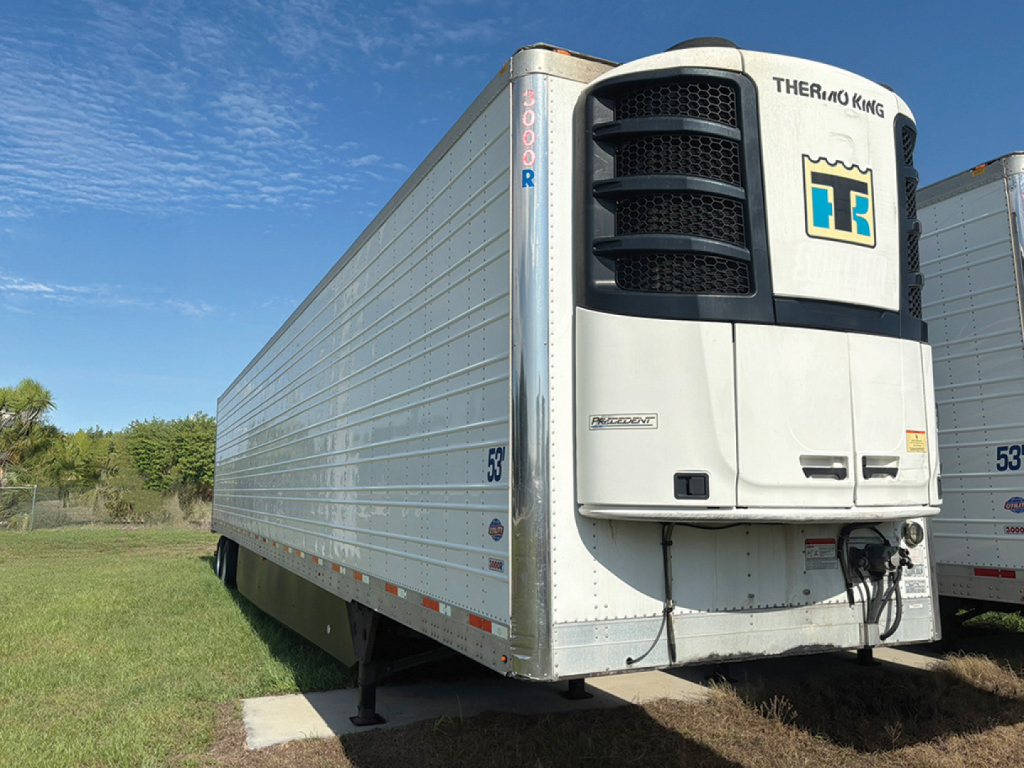
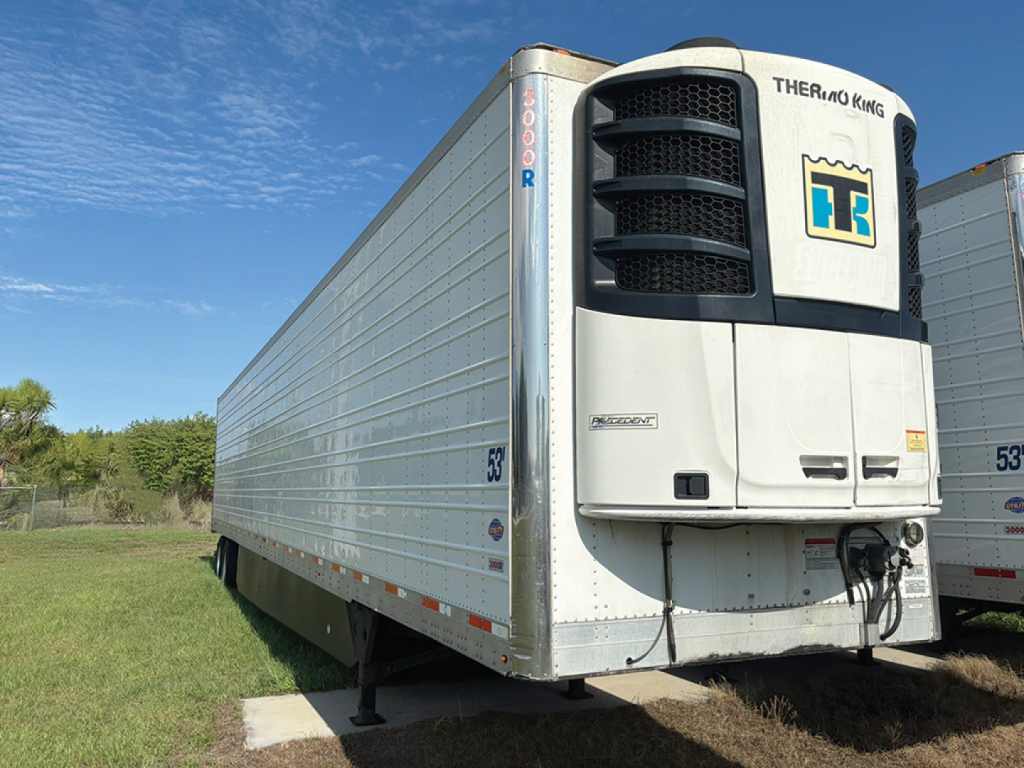
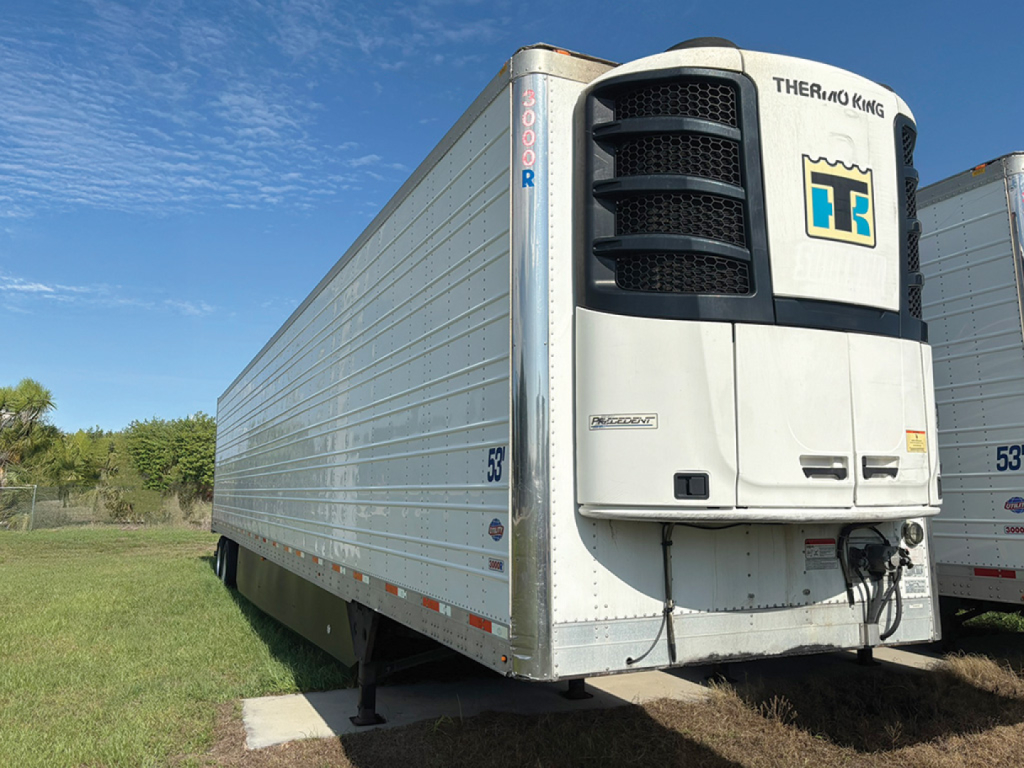
The reefer unit matters as much as the trailer body. Common systems in this class come from Thermo King and Carrier, and buyers should look closely at engine hours, electric standby if required, maintenance history, fuel consumption, and pull-down performance. For Florida service, cooling efficiency, door seal condition, and insulation integrity are especially important because ambient heat and humidity put constant demand on the unit. Many refrigerated trailers from this era are spec'd with duct floors, return air chutes, rear vents, and stainless steel door frames or front radius panels to improve durability and temperature management in high-cycle loading operations.
Trailer construction and running gear also deserve close attention. Aluminum reefers are common because they help control tare weight while holding up well in food-grade service. Air ride suspension, sliding tandems, low-profile 22.5 tires, aluminum wheels, and tire inflation systems are all common buyer priorities in this category. Inside the box, scuff liners or scuff plates, heavy-duty floors, and swing doors are typical specs to review. Floor condition is critical because forklift traffic, pallet jack use, and washout practices can shorten the life of a refrigerated trailer faster than cosmetic wear on the exterior.
For a 2020 reefer trailer, buyers should verify insulation condition, reefer unit service records, hours, emissions compliance, and the condition of the floor, bulkhead area, and rear frame. It also helps to confirm kingpin setting, tandem slide range, and axle weight distribution for the lanes the trailer will run. A well-spec'd reefer trailer from this model year can serve regional food distribution, long-haul cold chain freight, or mixed-temperature operations when paired with the right refrigeration package and interior configuration.
Frequently Asked Questions about 2020 Reefer Trailers in Florida
What should I check first on a used 2020 reefer trailer?
Start with the refrigeration unit hours, service records, and operating performance under load. Then inspect the trailer body for insulation damage, door seal leaks, floor wear, front wall damage, and signs of air loss around the rear frame and door openings. A reefer trailer can look clean and still have expensive temperature-control issues, so unit history and box integrity should come before cosmetic appearance.
Are most 2020 reefer trailers 53 feet long?
Yes, 53-foot reefer trailers are the most common configuration in this category because they match standard over-the-road freight requirements and offer the cubic capacity most food and cold-chain carriers need. Many are also 102 inches wide and 13 feet 6 inches tall, with interior heights around 100 to 101 inches, although exact specs vary by manufacturer and floor package.
Which reefer unit brands are common on 2020 refrigerated trailers?
Thermo King and Carrier are the two brands most buyers will see most often on 2020 reefer trailers. The best choice usually depends on your shop support, parts access, driver familiarity, and the specific operating profile of the trailer. Buyers should compare not just brand, but also unit model, engine hours, fuel use, temperature control performance, and maintenance documentation.
What features matter most for Florida reefer trailer operation?
In Florida, strong cooling performance, good insulation, tight door seals, and a clean, durable floor are especially important because heat and humidity increase the workload on the refrigeration system. Corrosion resistance also matters, so buyers often pay attention to aluminum construction, stainless steel rear components, stainless door frames, and the general condition of the undercarriage and crossmembers.
Why do duct floors and air chutes matter on a reefer trailer?
Duct floors and air chutes help maintain more consistent air circulation through the trailer, which is critical for protecting temperature-sensitive freight. The floor allows cold air to move under the load, while the chute helps direct return airflow properly. If either component is damaged, blocked, or worn out, the trailer may struggle to hold even temperatures from nose to rear doors.