
2020 Reefer Trailers For Sale
Shop 2020 reefer trailers for sale. Compare 53-foot refrigerated trailers, reefer units, floors, suspension, and spec details that matter.
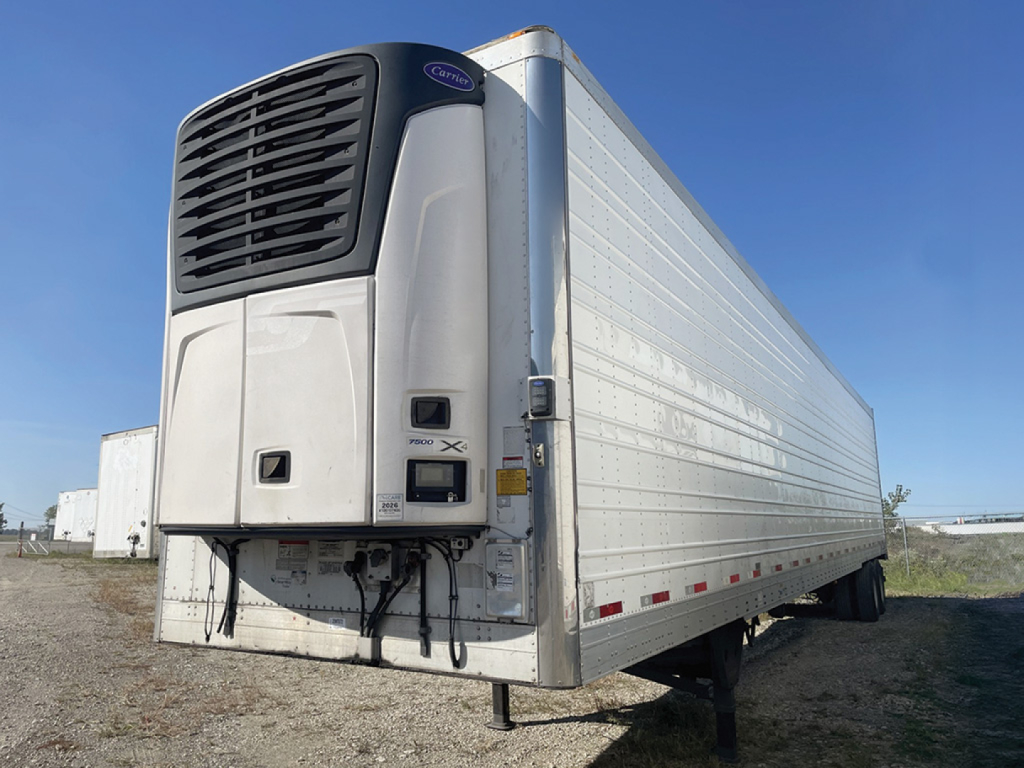
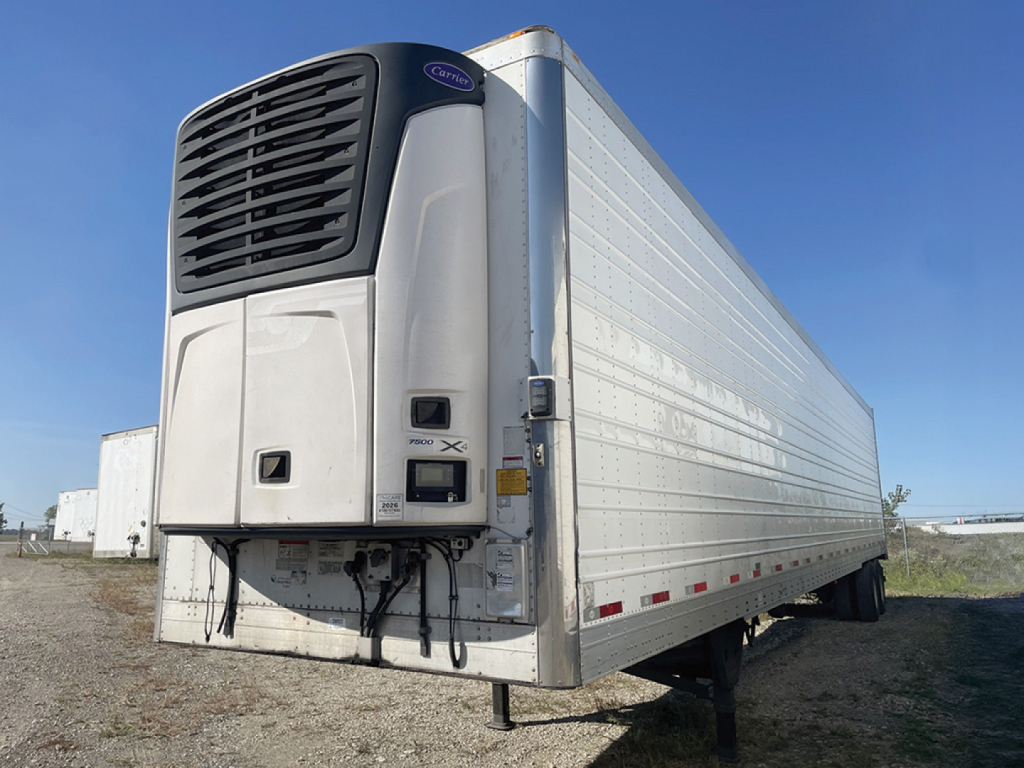
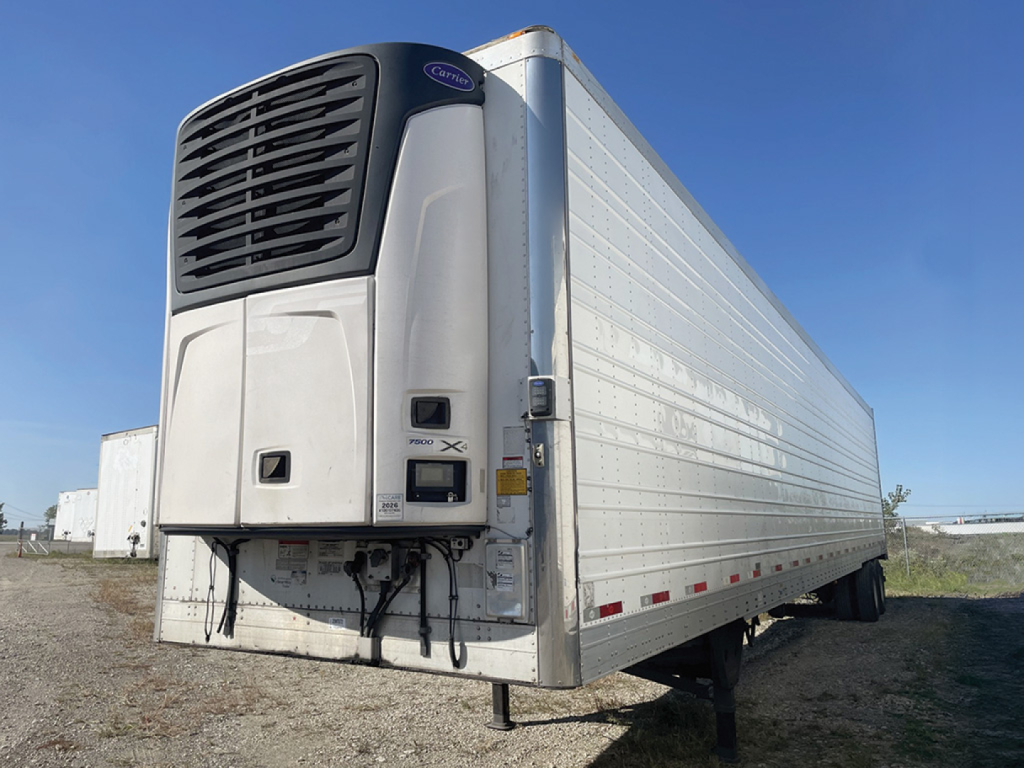
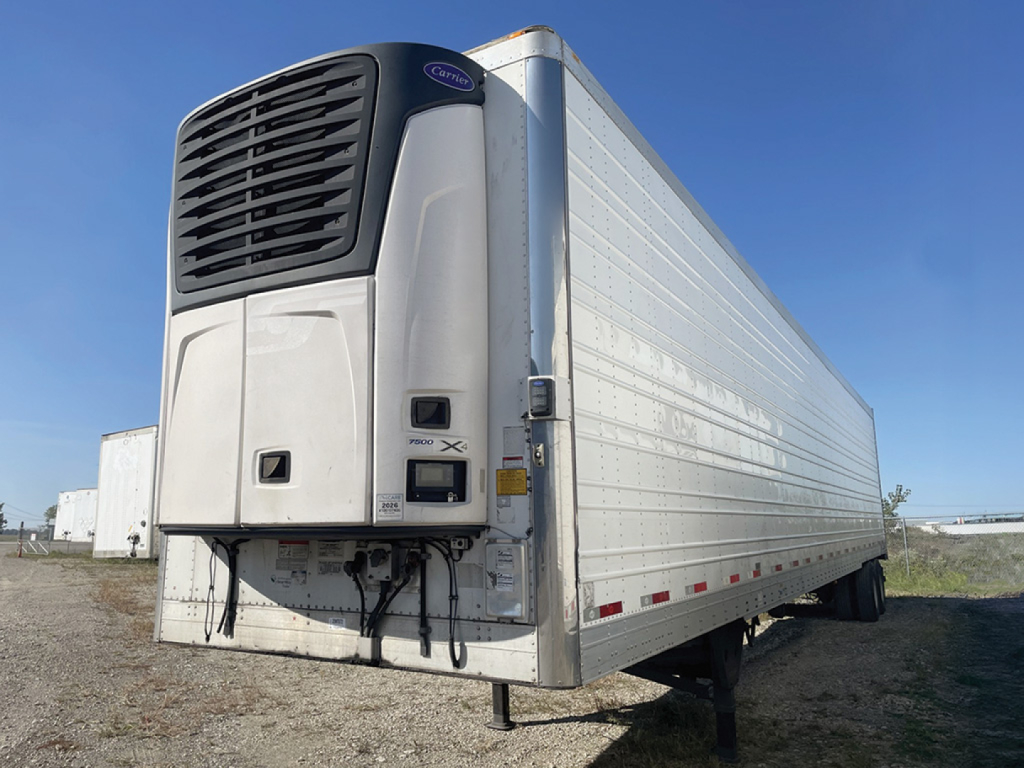
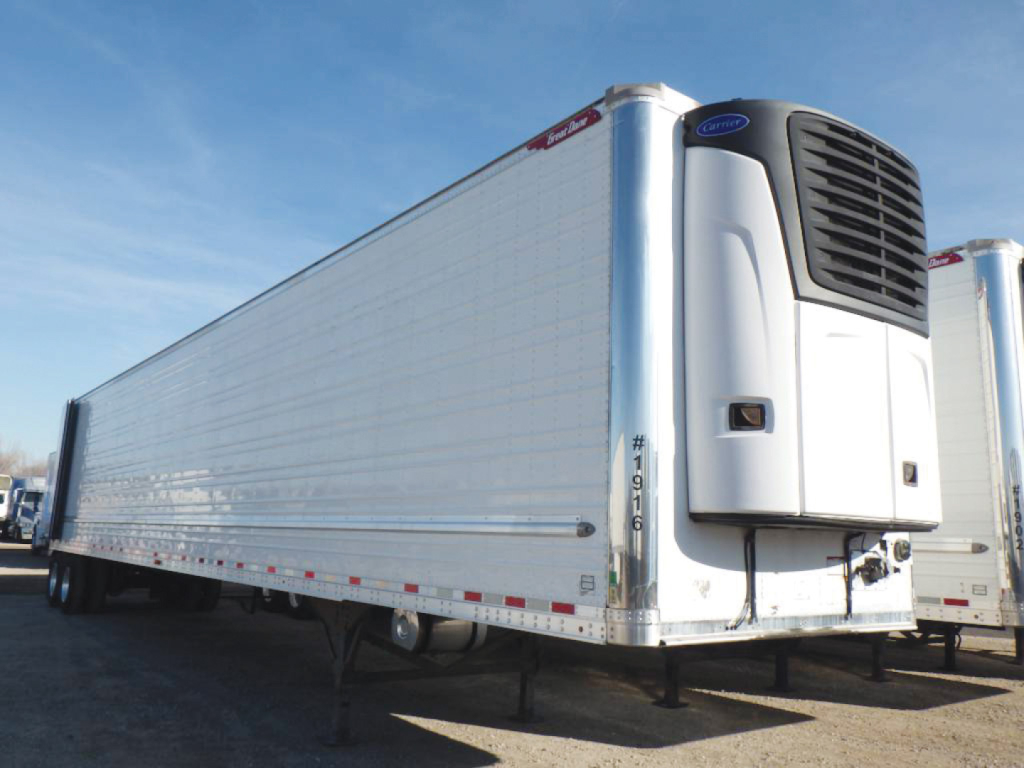
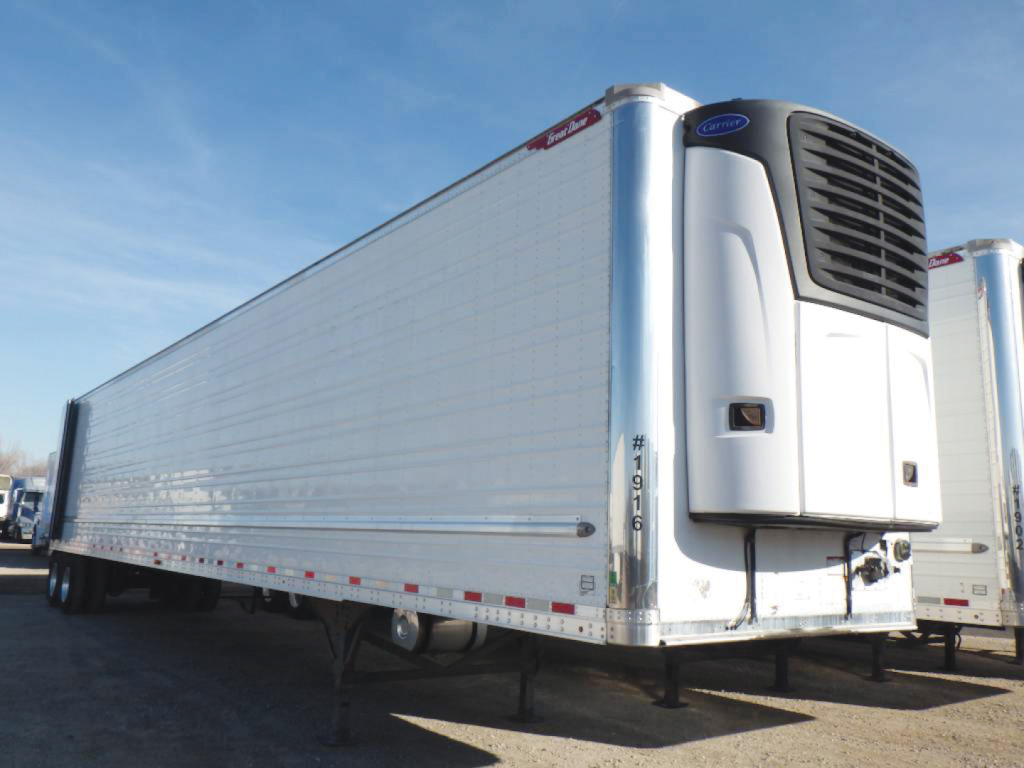
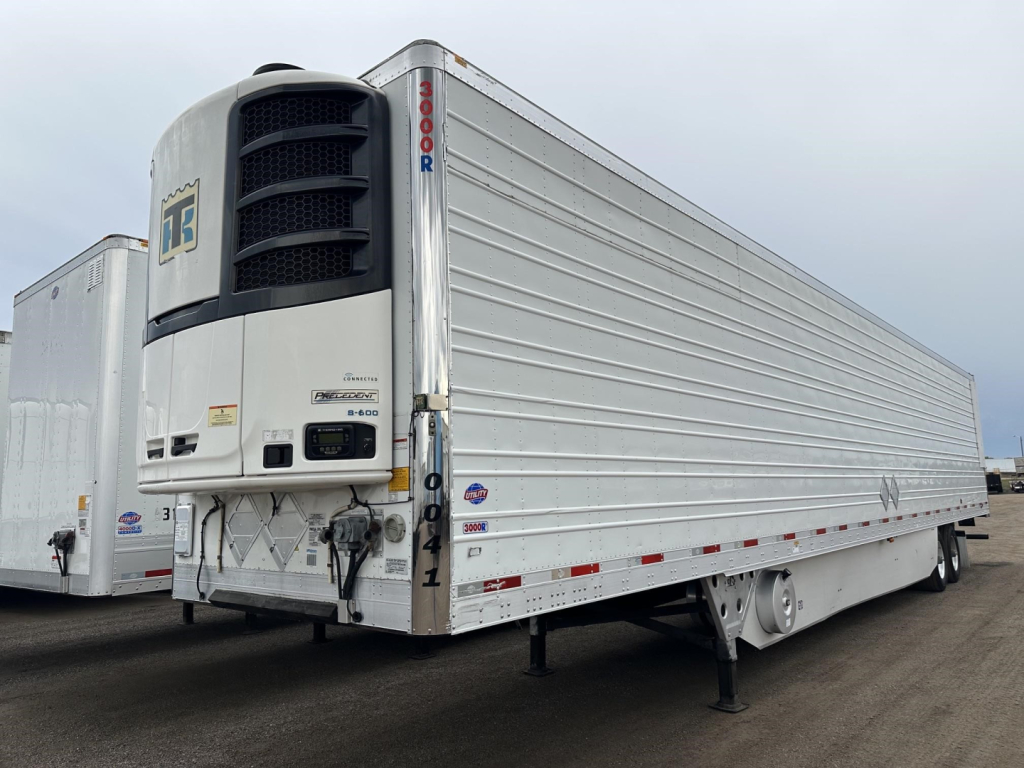
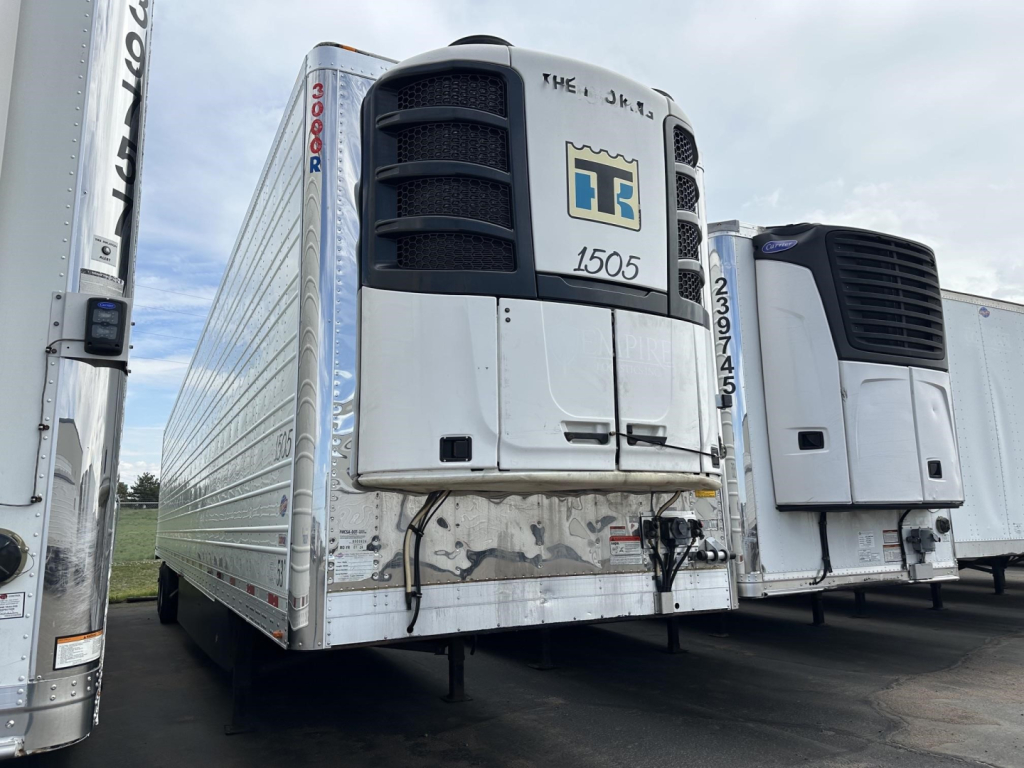

Selling a 2020 reefer trailer? List your 2020 reefer trailer for sale and reach thousands of commercial buyers.
2020 Reefer Trailers
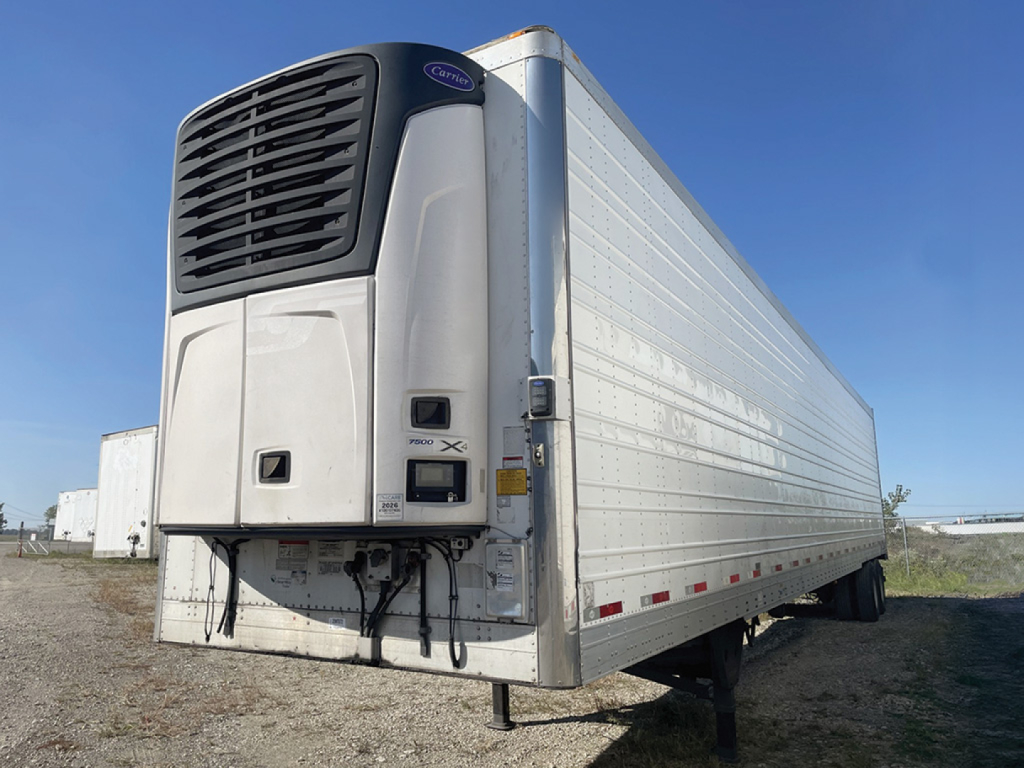
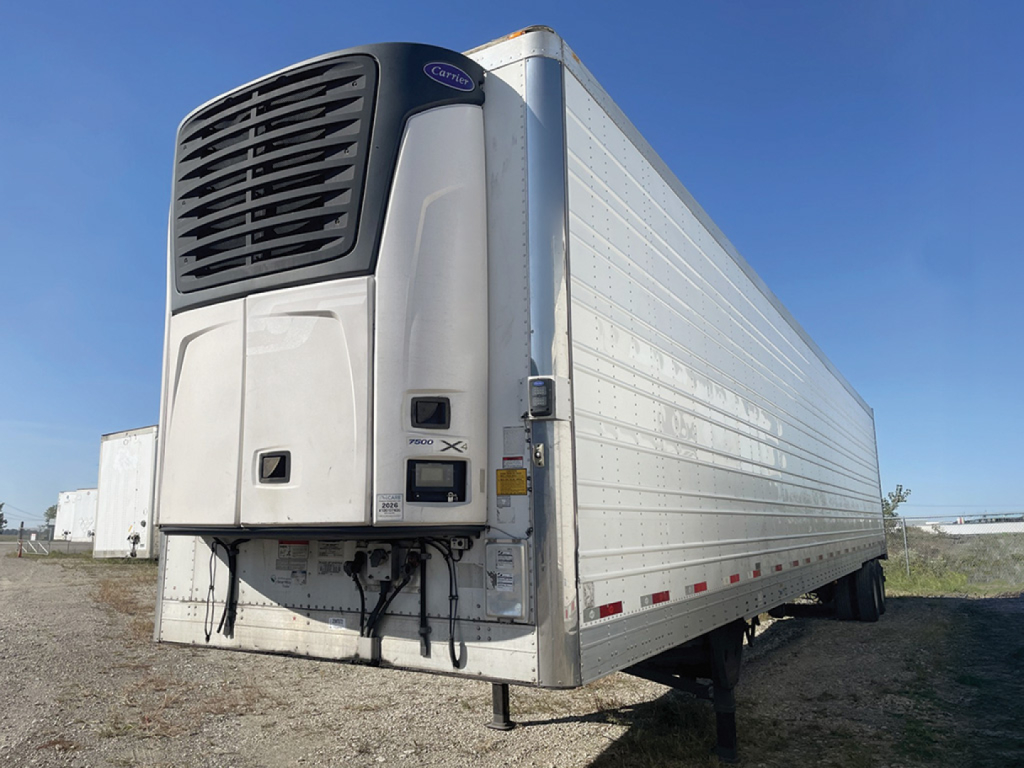
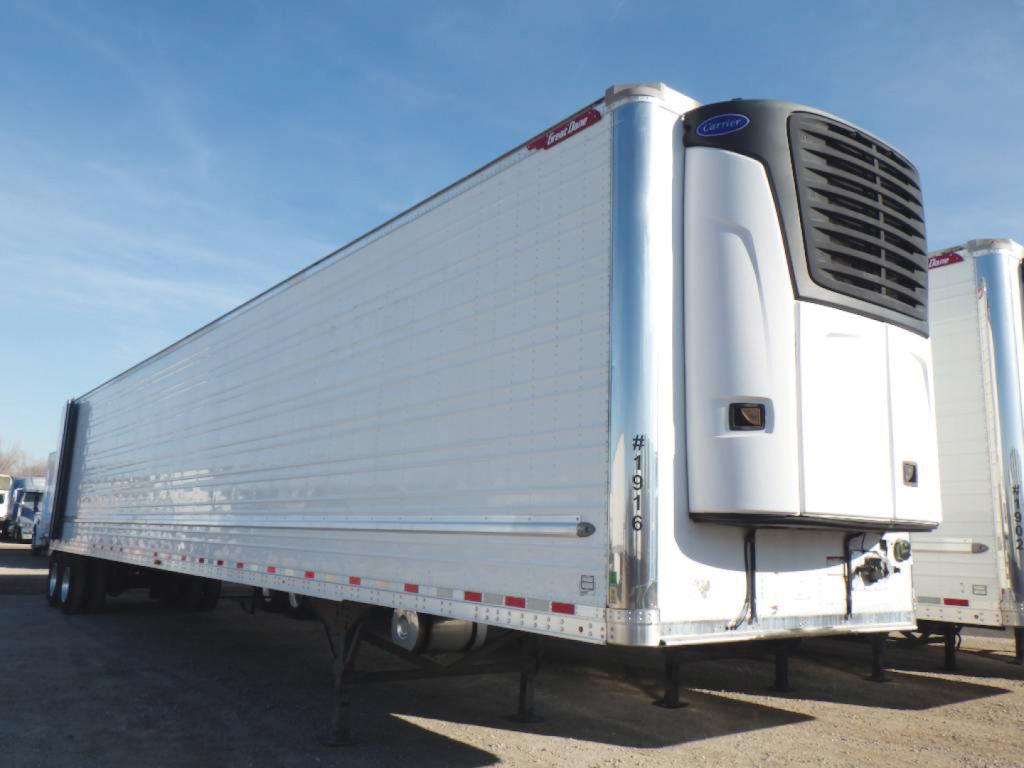
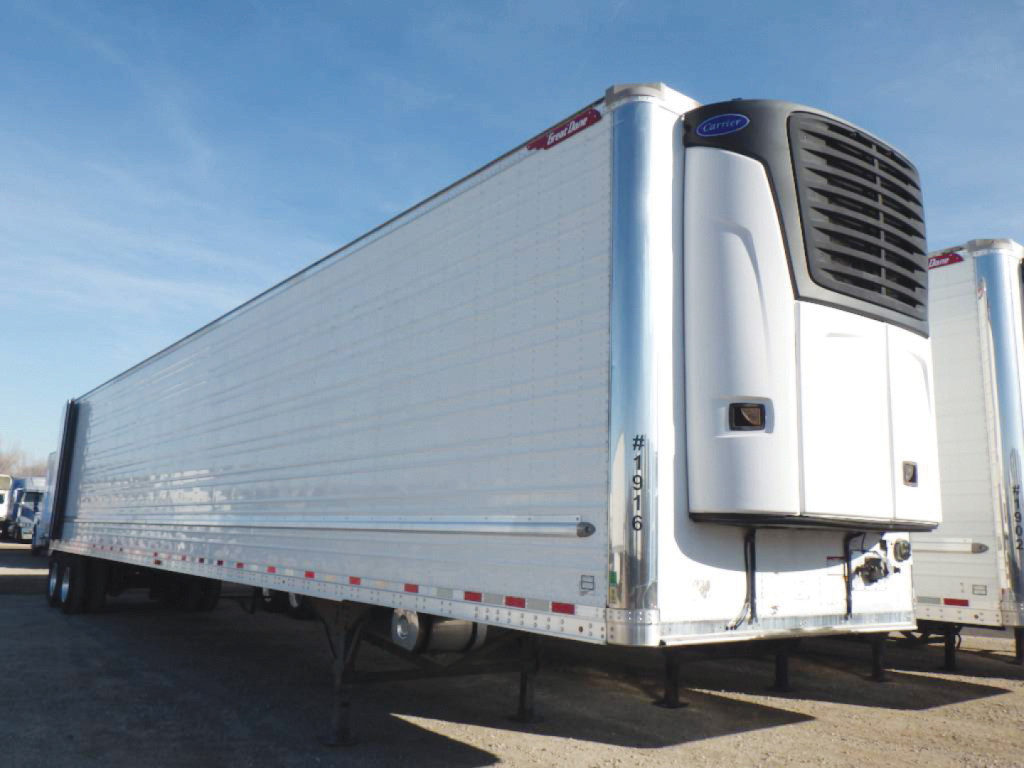
The reefer unit matters as much as the trailer body. Buyers should pay close attention to engine hours, unit model, service history, emissions system condition, fuel tank size, and whether the trailer has continuous run and start-stop capability. Interior configuration is just as important. A duct floor, heavy-duty aluminum floor, or deep duct design helps maintain front-to-rear airflow, especially on dense palletized loads. Cold chutes, rear vents, and insulated swing doors help the trailer hold temperature and recover faster during multi-stop operation. Inside height is another decision point, since some 2020 reefer trailers are spec'd taller for cube while others prioritize tare weight and route flexibility.
Trailer construction details tell you a lot about long-term durability. Stainless steel front corners, stainless rear frames, scuff liners, and reinforced door frames hold up better in foodservice, grocery, and dock-heavy work. Side skirts may be present for fuel savings, and tire inflation systems are a useful feature on trailers that spend long periods on the road. Suspension and tandem setup affect both maintenance and loading flexibility, so buyers should confirm air ride condition, slider operation, and kingpin setting if the trailer will move across different states or axle laws. Brake spec, wheel material, and tire type also deserve attention because replacement cost varies significantly between drum and disc setups and between steel and aluminum wheel packages.
A 2020 reefer trailer is commonly used for produce, frozen foods, dairy, meat, pharmaceuticals, and other temperature-controlled freight. It may also be called a refrigerated trailer or refrigerated van trailer. The best value usually comes from matching the trailer's insulation, floor design, reefer unit capacity, and interior condition to the freight profile. A trailer doing long-haul frozen freight has different needs than one running regional LTL food distribution with frequent door openings. Buyers comparing this category should focus on reefer hours, washout condition, floor wear, door seal integrity, and evidence of consistent preventive maintenance, because those details usually matter more than cosmetic appearance.
Frequently Asked Questions about 2020 Reefer Trailers
What should I look at first on a 2020 reefer trailer?
Start with the refrigeration unit hours, service records, and overall temperature integrity of the box. Reefer performance drives uptime and operating cost, so unit model, maintenance history, fuel system condition, and any fault code history matter immediately. After that, inspect the floor, doors, seals, insulation condition, and signs of interior damage from forklifts or shifting freight. A clean exterior matters less than a trailer that can hold setpoint consistently and load efficiently.
Is a 2020 reefer trailer typically a 53-foot trailer?
Yes. Most 2020 reefer trailers in the over-the-road market are 53 feet long, 102 inches wide, and 13 feet 6 inches high. That said, exact inside height and cubic capacity can vary by manufacturer and floor design. Buyers should confirm interior dimensions if they are loading high-cube freight, stacked pallets, or specialized temperature-controlled products that require specific airflow clearance.
Which is better on a 2020 reefer trailer, Thermo King or Carrier?
Both are established platforms with broad dealer support, and the better choice often comes down to service history, local parts availability, and technician support in your operating region. Thermo King Precedent and Carrier X4 units are both common on late-model refrigerated trailers. A well-maintained unit with documented service is usually a safer buy than choosing strictly by brand name. Buyers should compare engine hours, maintenance intervals, download data if available, and evidence of proper repair work.
What floor and interior features are important on a reefer trailer?
Duct floors and heavy-duty aluminum floors are important because they support airflow under the load and help maintain even temperature from nose to rear. Cold chutes, rear vents, scuff liners, and quality door seals also make a difference in real-world operation. If the freight involves multiple stops, frequent unloading, or mixed pallet patterns, airflow management becomes even more important. Floor wear, forklift damage, and patched sections should be inspected closely because they can affect sanitation, drainage, and long-term durability.
How do I know if a 2020 reefer trailer is a good fit for my lanes?
Match the trailer to the freight and the route, not just the price. Long-haul frozen freight usually benefits from a strong unit, good insulation, tight doors, and a floor designed for steady airflow over long runs. Regional grocery or foodservice work may put more value on quick temperature recovery, durable interior walls, and hardware that holds up to constant dock use. Axle configuration, tandem slide, side skirts, and tire setup should also align with the states you run and the weight profile of your loads.