
2020 Utility Reefer Trailers For Sale
Shop 2020 Utility reefer trailers with 53' x 102" specs, insulated bodies, and Thermo King or Carrier units for cold-chain freight.
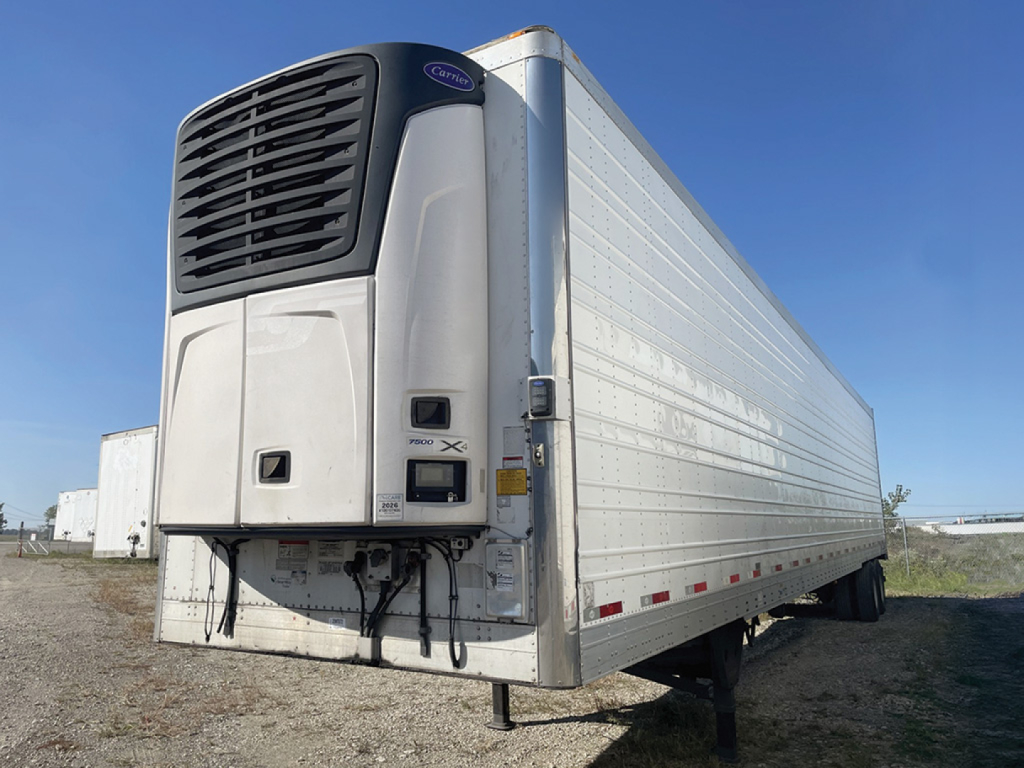
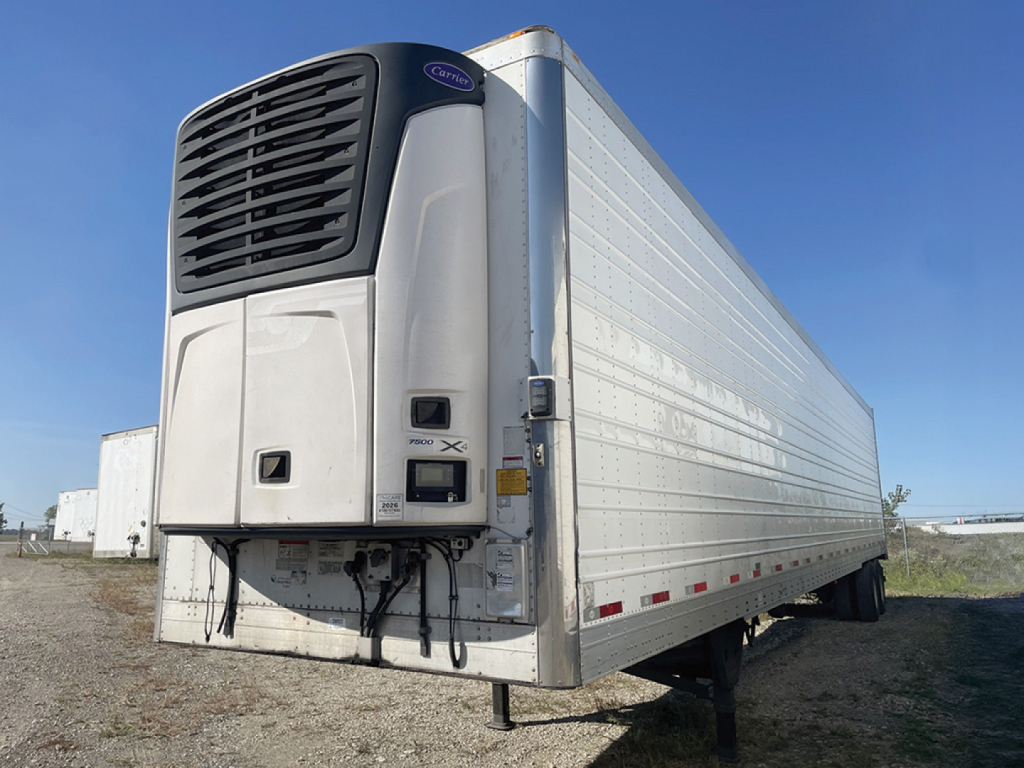
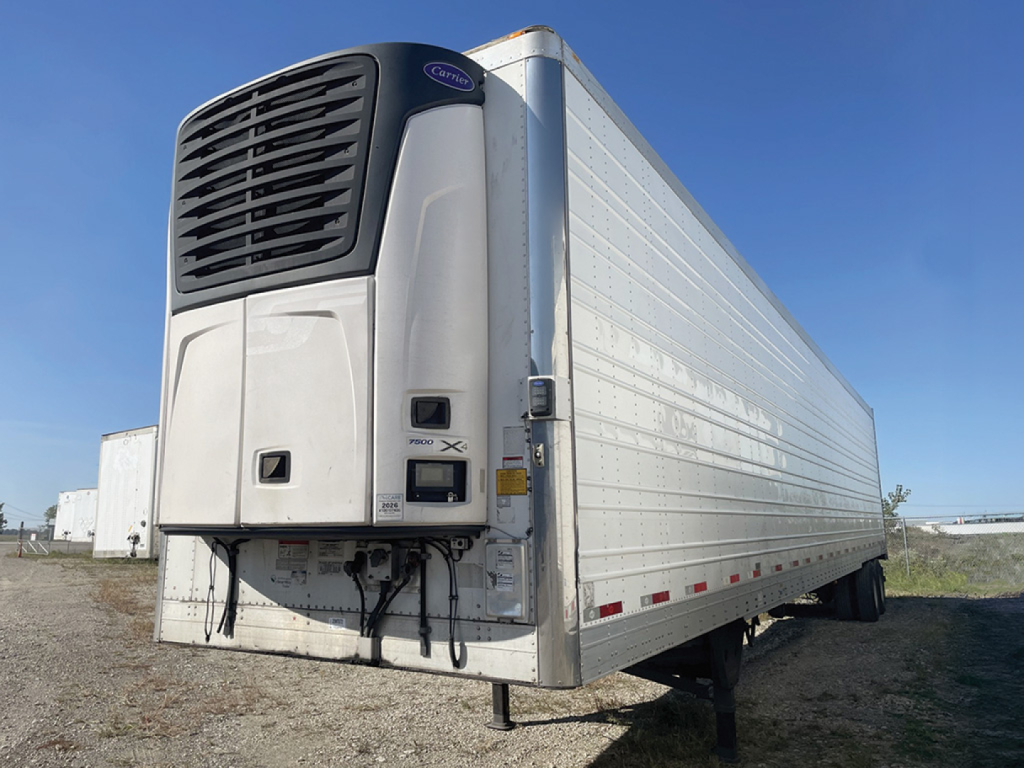
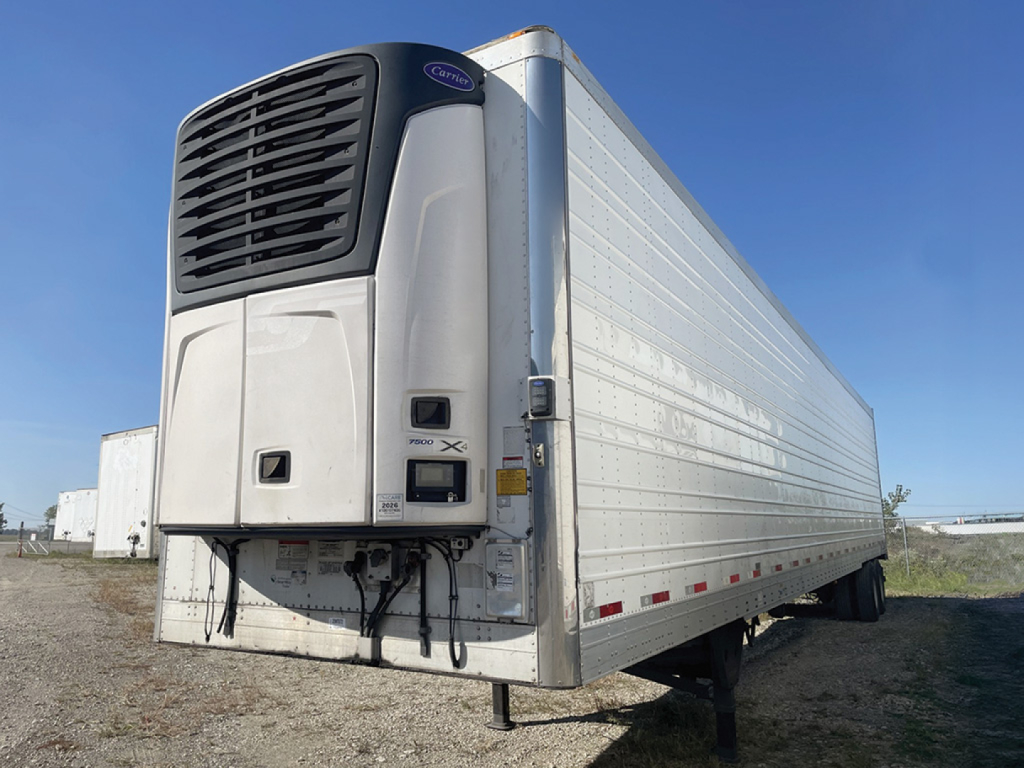
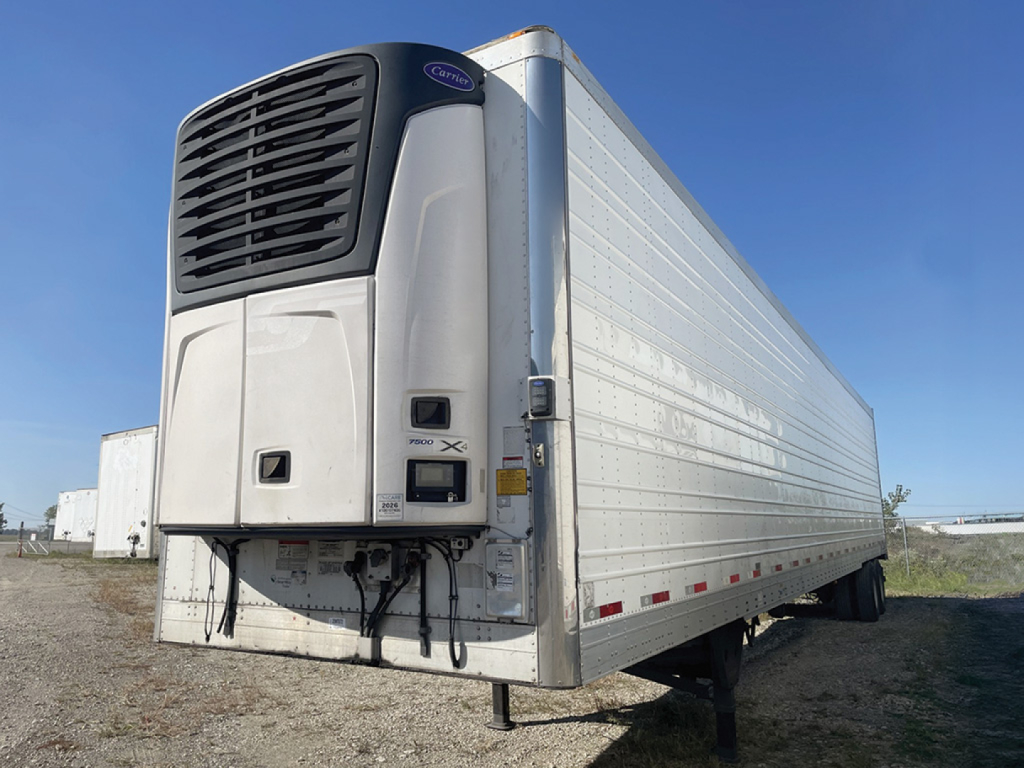
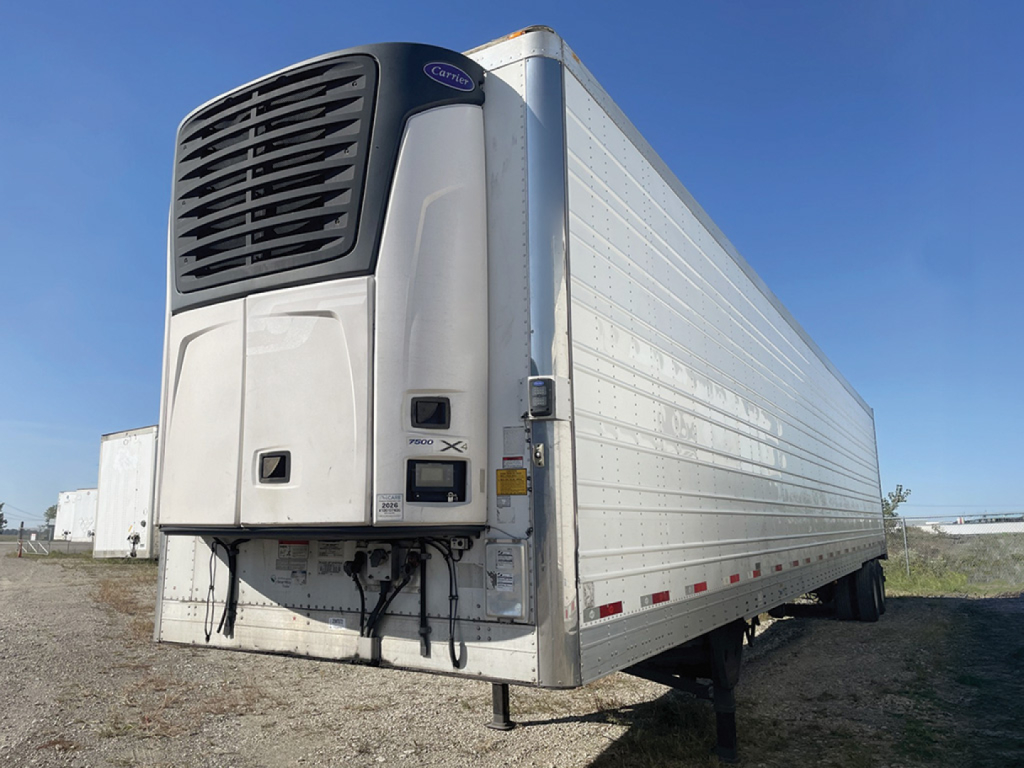
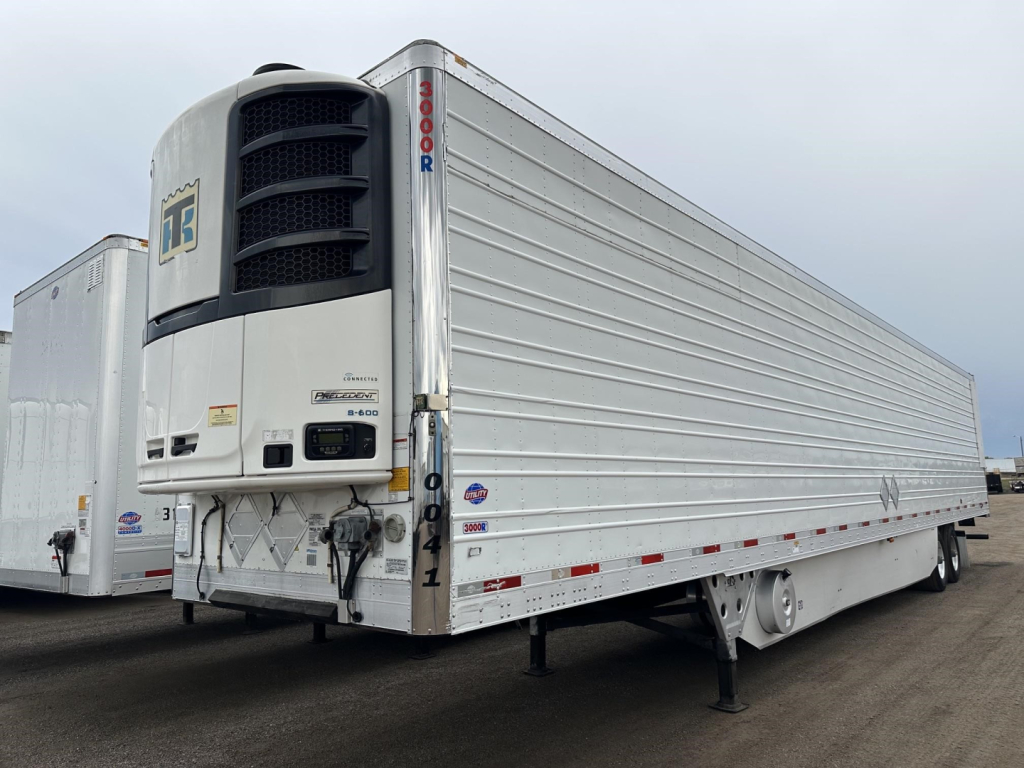
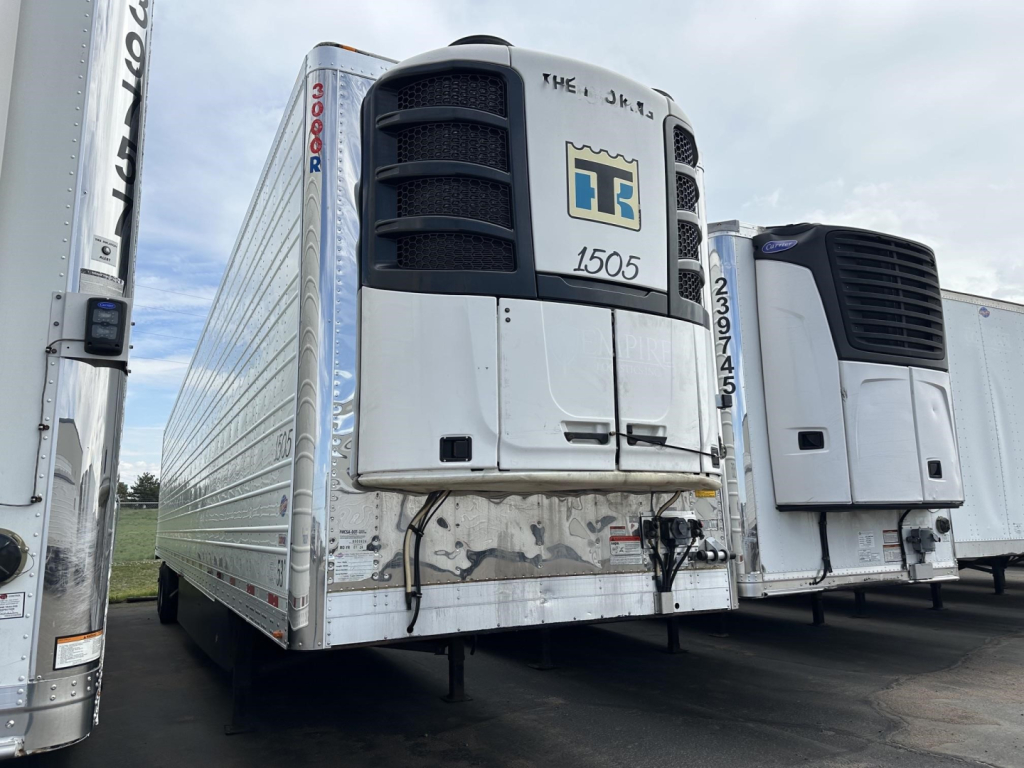

Selling a 2020 utility reefer trailer? List your 2020 utility reefer trailer for sale and reach thousands of commercial buyers.
2020 Utility Reefer Trailers
Utility reefers are known for lightweight construction, solid resale, and wide parts support. On 2020 models, it is common to see stainless steel front corners or front panels, corrugated or smooth side panels, air ride suspension, air pin sliders, anti-dock-walk systems, and low-profile 22.5 tires. Many trailers also include practical fleet specs like wearbands, scuff protection, rear vents, and tire inflation systems such as PSI or TireMaxx Pro. If the freight mix includes grocery, frozen food, dairy, produce, or pharmaceutical lanes, buyers should pay close attention to interior condition, door seal integrity, chute setup, floor type, and any signs of moisture intrusion or insulation damage.
Axle layout and regional compliance can be just as important as the reefer unit. A closed tandem works for standard over-the-road operations, while a sliding spread or California-legal spread is more relevant for weight distribution and state bridge rules in western markets. Side skirts may add fuel savings in long-haul service, but they should be checked for damage around docks and uneven yards. Brake type, wheel material, suspension, and slider condition all affect operating cost over time, especially on trailers that have spent years in high-cycle food service or distribution work.
For a used 2020 Utility reefer, the best value usually comes from balancing unit hours, maintenance records, and body condition instead of focusing on age alone. Buyers should inspect the evaporator and condenser, verify that the unit holds setpoint under load, look at the floor for forklift wear, and inspect the rear frame, crossmembers, and door hardware for corrosion or impact damage. A clean 2020 Utility reefer with a well-documented Thermo King or Carrier unit can fit a wide range of operations, from regional grocery and LTL cold freight to dedicated shipper lanes that need consistent temperature control and predictable maintenance planning.
Frequently Asked Questions about 2020 Utility Reefer Trailers
What should I check first on a 2020 Utility reefer trailer?
Start with the refrigeration unit, its engine hours, and its maintenance history. A 2020 reefer trailer may still have strong value, but deferred service on a Thermo King or Carrier unit can quickly erase that advantage. After the unit, inspect the trailer body for insulation damage, soft spots in the floor, leaking door seals, rear frame damage, and suspension or slider wear. Temperature pull-down performance and the ability to hold setpoint are critical checks before purchase.
Are 2020 Utility reefer trailers usually 53-foot trailers?
Yes. Most 2020 Utility reefer trailers in fleet service are 53' x 102" models, commonly from the Utility 3000R line. That size fits standard over-the-road refrigerated freight, including grocery, frozen food, produce, and distribution work. Buyers may also see different floor designs, tandem layouts, and refrigeration unit packages depending on the original fleet spec.
Which reefer units are common on a 2020 Utility reefer trailer?
Thermo King Precedent units and Carrier X4 or Vector units are among the most common pairings on 2020 Utility reefers. The best choice depends on your shop support, parts availability in your lanes, and whether you need single-temperature or multi-temp capability. Unit brand matters, but actual service records, total hours, and operating condition matter more than the decal on the nose.
Is a closed tandem or sliding spread better on a reefer trailer?
A closed tandem is a common choice for general freight and standard over-the-road applications because it is simple and familiar in most fleets. A sliding spread can be useful for specific weight distribution needs and regional bridge-law compliance, especially in California-legal setups. The right configuration depends on where the trailer will run, how often axle position needs to change, and what commodity weights are typical for the operation.
What floor type is best in a used Utility reefer trailer?
That depends on the freight and loading pattern. Aluminum duct floors are common in reefer service because they support airflow under the load, which helps maintain even temperature through the trailer. Flat floors can be practical for certain delivery applications, especially where carts or specialized freight are used, but they must still be checked carefully for forklift damage, loose sections, and wear around high-traffic areas. Floor condition is more important than floor style if the trailer has seen heavy dock use.