
2020 Curtainside Trailers For Sale
Shop 2020 curtainside trailers with common specs, cargo uses, tarp system details, axle setups, and buying points for freight flexibility.
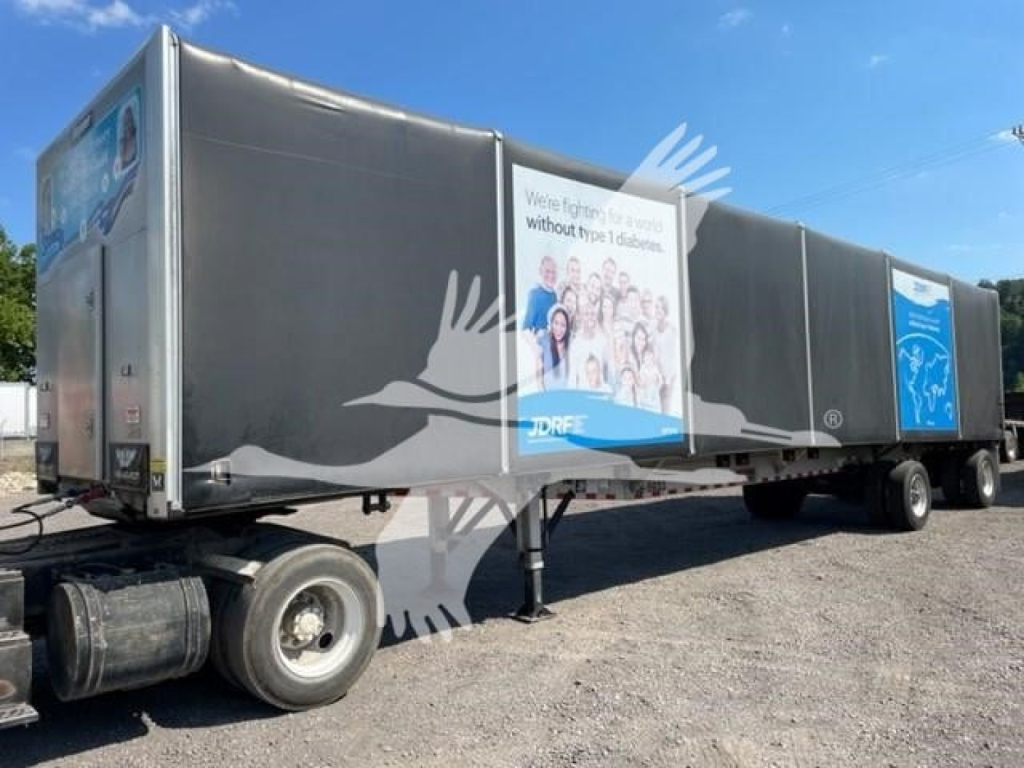
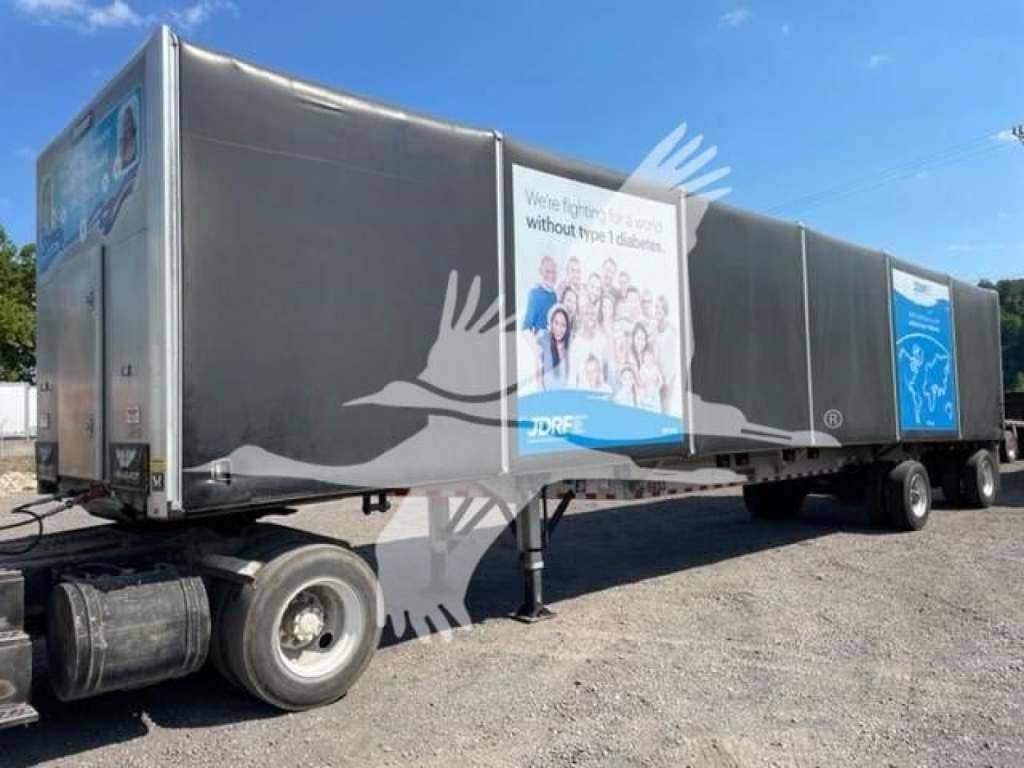
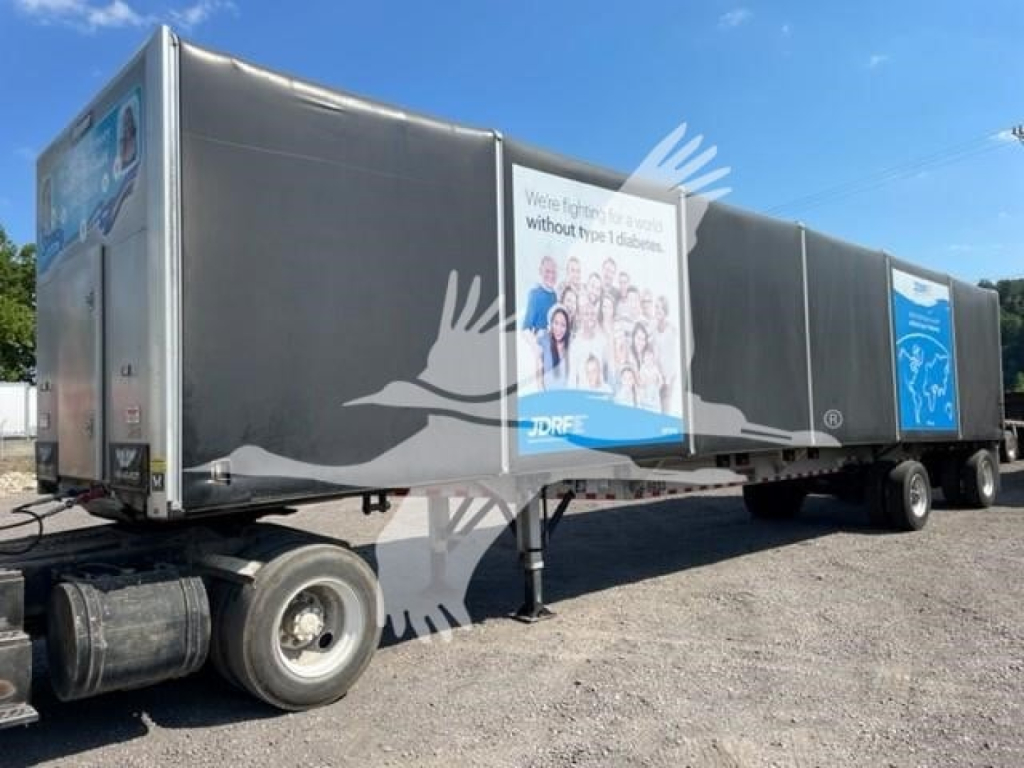
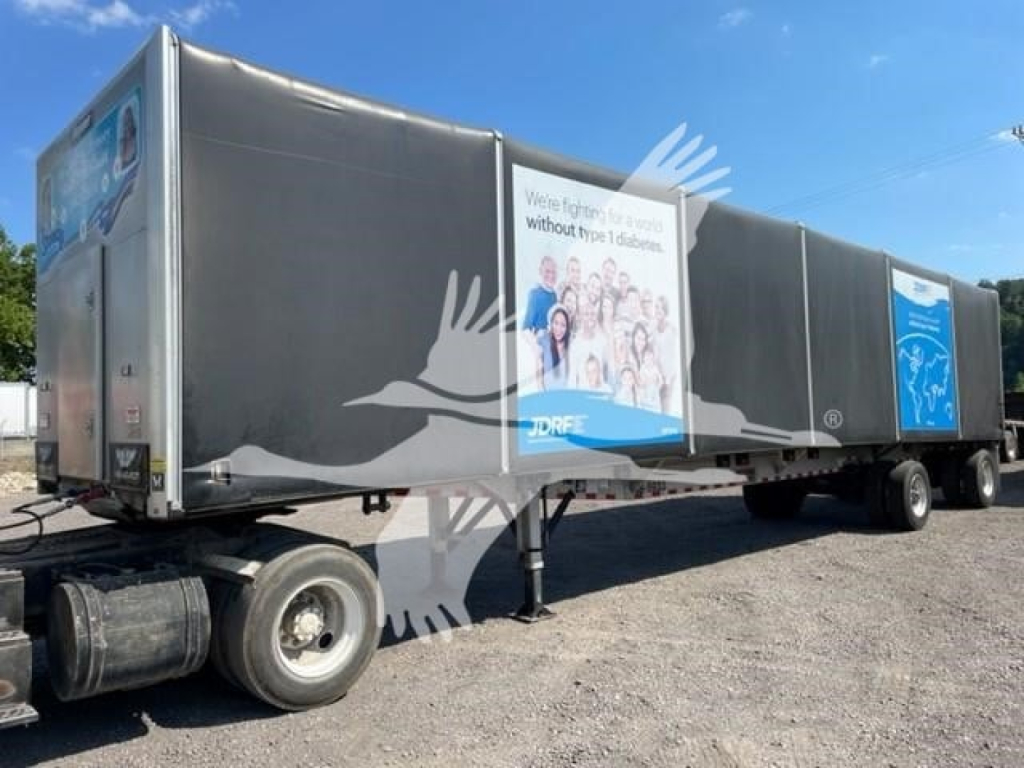
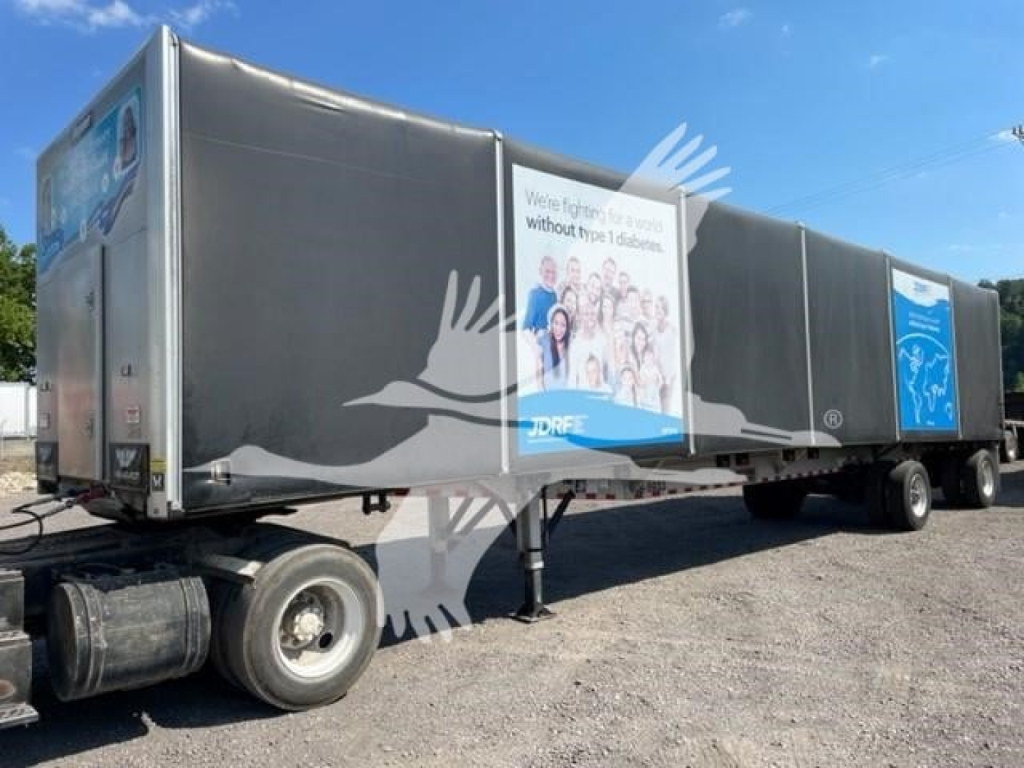
Selling a 2020 curtainside trailer? List your 2020 curtainside trailer for sale and reach thousands of commercial buyers.
2020 Curtainside Trailers
The tarp or rolling roof system deserves close attention because it drives uptime, labor, and repair cost. Many 2020 curtainside trailers use branded sliding systems such as Conestoga, Quick Draw, Fast Track, or Vango, and buyers should inspect curtain condition, rear roll operation, arch height, roller wear, and how smoothly the frame tracks under load. A regular 4.5-inch arch, inside clearance, and rear opening style can matter if you are loading taller freight or using forklifts from the side. If your freight mix includes coils, lumber, or machinery, look for features like coil packages, wood nailers, winch tracks, sliding winches, tiedown hooks, chain racks, and bulkhead configurations that match your securement practice.
Chassis spec still matters as much as the curtain system. In the 2020 market, common configurations include tandem or spread axle layouts, air ride suspension, 22.5 or 24.5 tires, aluminum wheels, and kingpin settings around 30 inches. Aluminum floors, crossmember spacing, side rail design, and beam rating all affect how the trailer handles dense freight and repeated forklift traffic. Spread axle trailers can help with weight distribution and deck stability, but they may be less maneuverable in tight urban docks. Tire inflation systems, disc brakes, two-speed landing gear, pipe spools, and toolbox options can also make a difference in long-haul service and maintenance planning.
For a used 2020 curtainside trailer, buyers should focus on curtain fabric condition, frame alignment, roof bow integrity, suspension wear, floor damage, and any signs of rack from uneven loading. Check the operation of the sliding tarp system through a full open-close cycle, verify the securement package matches your freight, and confirm the trailer height and opening dimensions work with your lanes and customer docks. A well-spec'd 2020 model can offer a strong balance of modern materials, freight flexibility, and lower tare weight than many enclosed alternatives.
Frequently Asked Questions about 2020 Curtainside Trailers
What is the difference between a curtainside trailer and a Conestoga trailer?
In the used trailer market, the terms are often used interchangeably, but there can be a practical difference. A curtainside trailer usually refers to a side-curtain body or flatbed-style trailer with movable curtain panels for side loading, while Conestoga is also widely used to describe a rolling tarp system that retracts over a flatbed. Buyers should look past the label and confirm how the side access works, whether the roof structure rolls, what the inside clearance is, and how the securement equipment is arranged.
What freight is a 2020 curtainside trailer best suited for?
A 2020 curtainside trailer is commonly used for palletized building materials, bagged products, machinery, steel, crated freight, and other cargo that benefits from side loading but still needs weather protection. It is a strong fit for operations that want flatbed versatility without exposing freight to rain, road spray, or excessive tarp labor. The best match depends on deck strength, curtain opening dimensions, and the securement package already installed on the trailer.
What specs matter most when comparing used 2020 curtainside trailers?
The most important specs usually include overall length and width, axle spread, suspension type, kingpin setting, floor material, beam rating, crossmember spacing, and the tarp system brand and condition. Buyers should also compare coil packages, nailers, winch tracks, chain storage, tiedown points, and wheel and brake setup. These details affect legal payload, cargo compatibility, ease of loading, and long-term maintenance cost.
Are aluminum 2020 curtainside trailers better than steel models?
Aluminum trailers are popular in this category because they reduce tare weight and resist corrosion, which helps payload and long-term appearance. That said, the better choice depends on the freight. Buyers hauling dense or abusive loads should pay close attention to beam rating, floor condition, side rail wear, and repair history rather than assuming material alone determines durability. A well-maintained aluminum trailer can be an excellent choice, but condition and specification matter more than a simple aluminum-versus-steel comparison.
How do I inspect a used curtainside tarp system before buying?
Open and close the system fully and watch for binding, uneven tracking, damaged rollers, torn fabric, bent bows, and loose hardware. Check the curtain or tarp for patches, UV breakdown, seam separation, and signs that the structure has been forced under a shifted load. A smooth-operating system with straight framing and solid fabric is critical because tarp mechanism repairs can become expensive and directly affect trailer availability.