
2020 Curtainside Trailers For Sale in Pennsylvania
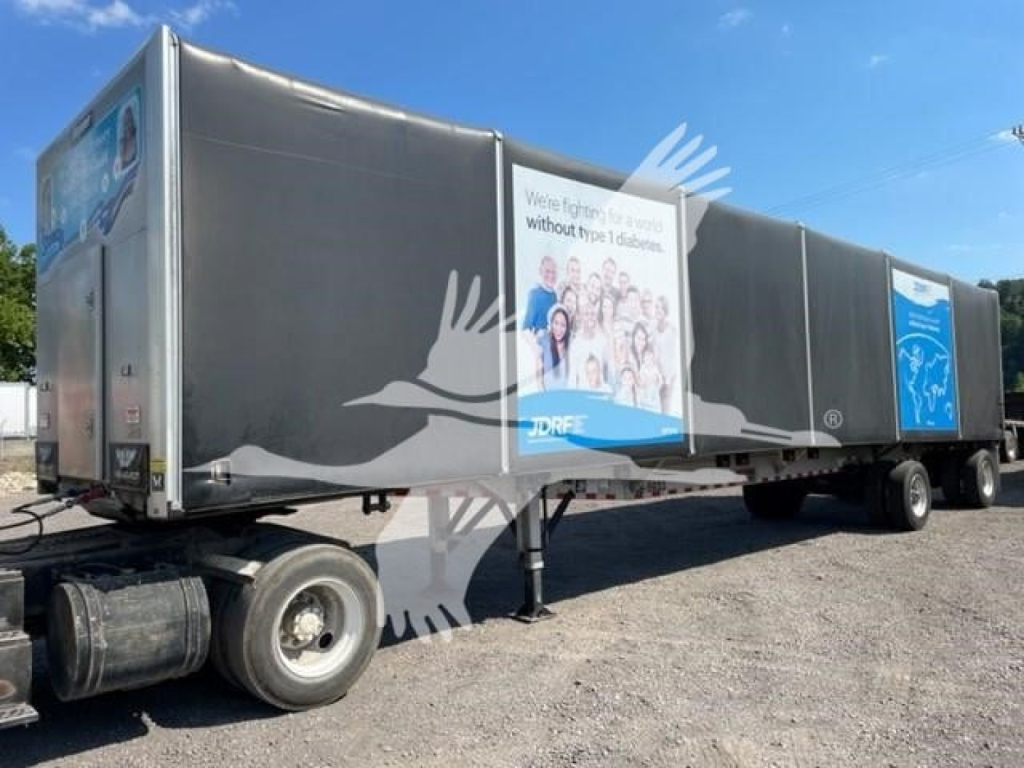
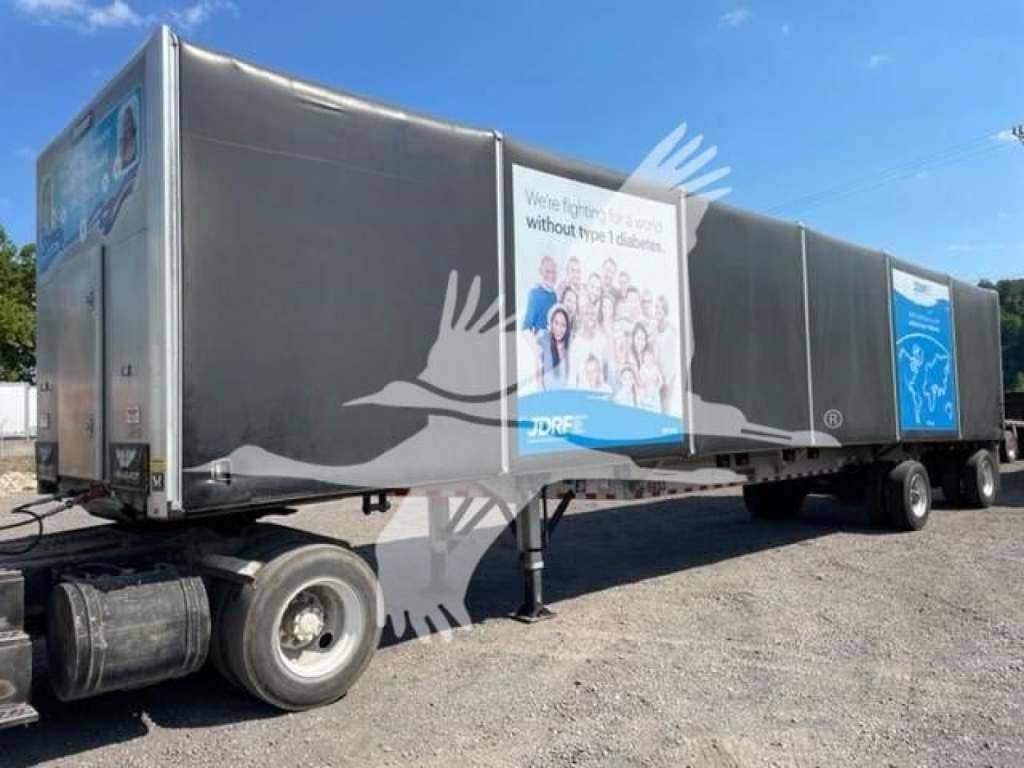
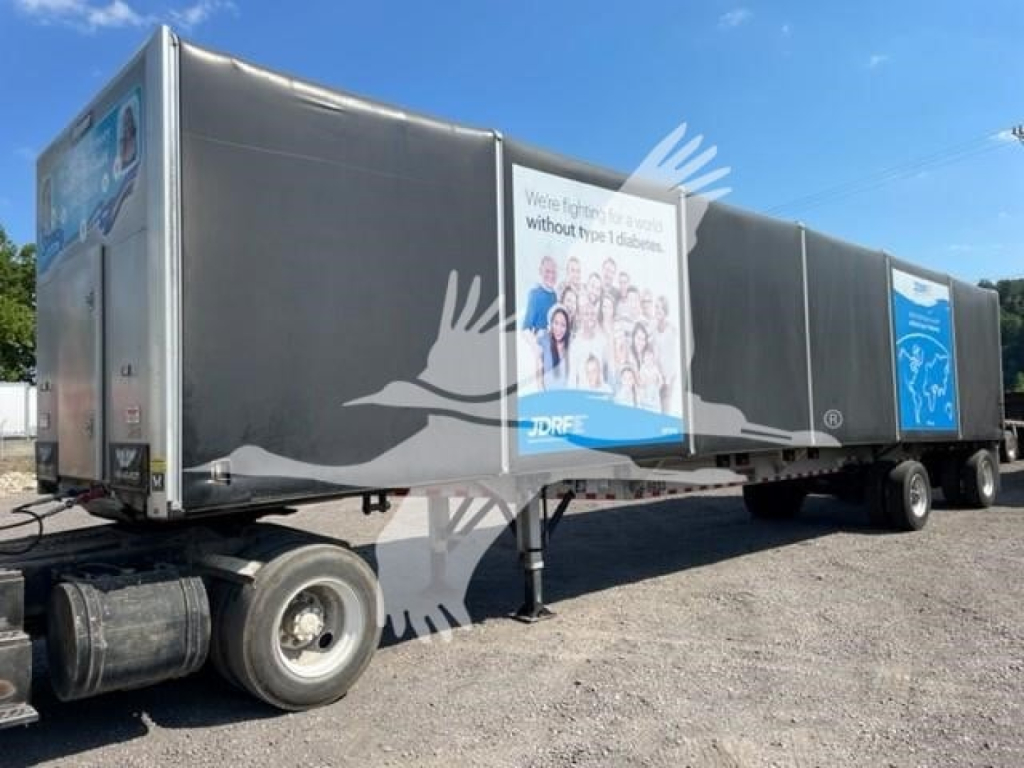
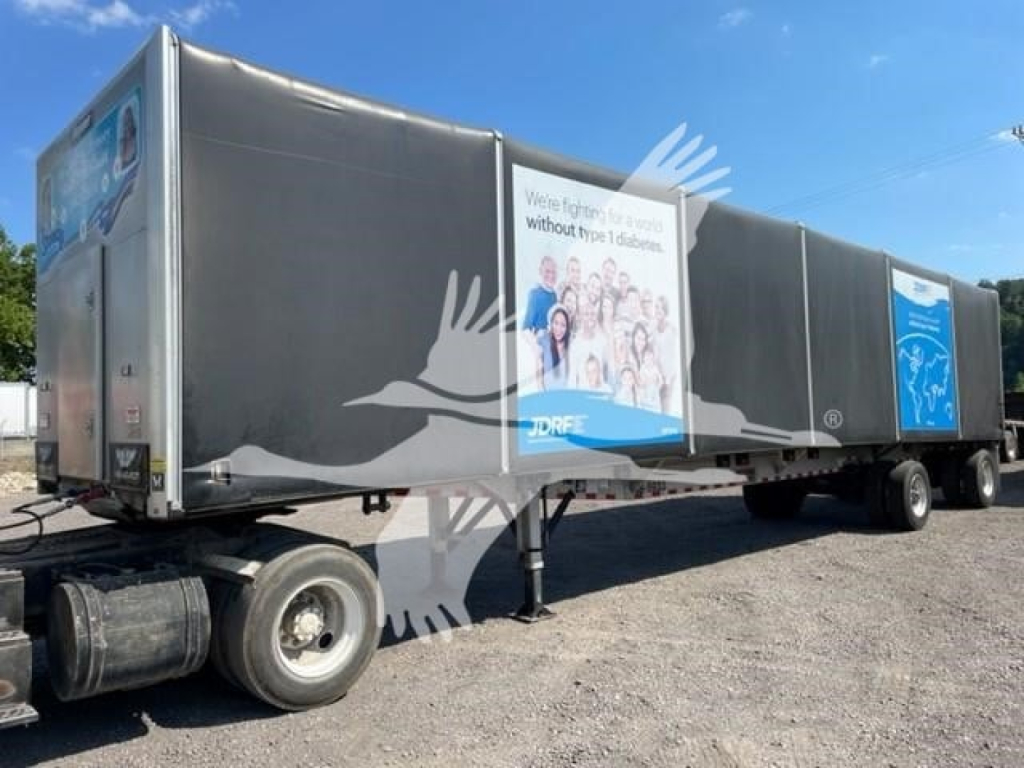
Shop 2020 curtainside trailers for sale in Pennsylvania. Compare 48-foot aluminum Conestoga and rolling tarp trailers for protected flatbed freight.
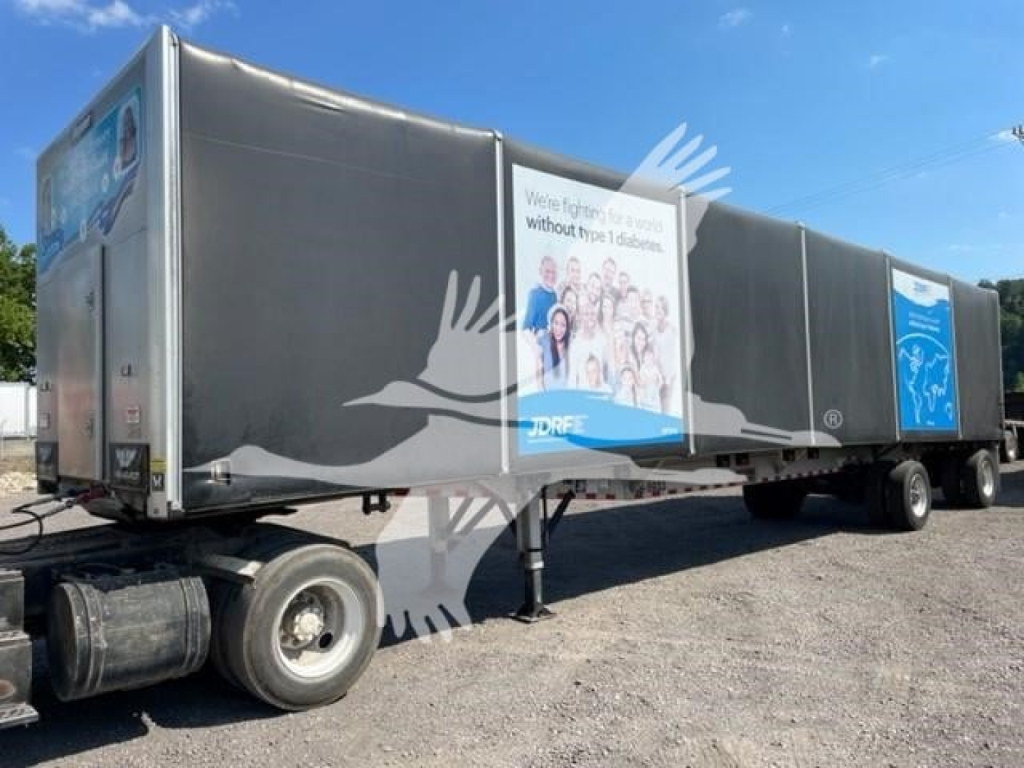
Selling a 2020 curtainside trailer? List your 2020 curtainside trailer for sale and reach thousands of commercial buyers.
2020 Curtainside Trailers in Pennsylvania
The most common setup in this class is a 48-foot by 102-inch trailer with an aluminum frame or all-aluminum construction, tandem axles, and air ride suspension. Common spec points include a 30-inch kingpin setting, 10-foot 2-inch spread, aluminum floors with wood nailer strips, winch tracks, sliding winches, coil packages, and Jost two-speed landing gear. On Conestoga-equipped trailers, buyers should pay close attention to the tarp system brand, arch height, rear roll or roll-up design, inside clearance, curtain condition, and how smoothly the framework slides. A strong tarp system can be just as important as the base trailer, especially if the trailer will see frequent daily openings in mixed weather.
Payload and deck configuration matter more than many first-time buyers expect. Aluminum units help keep tare weight down, which is valuable for dense freight such as steel coils, metal products, and packaged building materials. Crossmember spacing, side rail design, floor type, and the presence of a mini coil package or full coil package all affect how versatile the trailer will be. Buyers should also look at tiedown layout, number of nailer strips, pipe spool arrangement, bulkhead design, and whether the winch track runs full length or only on one side. If the trailer will be used in regional freight across Pennsylvania, Ohio, New Jersey, and the Mid-Atlantic, corrosion resistance, suspension condition, brake type, and tire size are practical ownership considerations.
For a 2020 model, condition comes down to how the trailer was worked and maintained. Inspect the tarp fabric for tears, UV wear, patched sections, and water intrusion points. Check bows, rollers, tracks, and latch hardware for binding or impact damage. Underneath, review the suspension, bushings, brakes, wheel ends, landing gear, and crossmembers, especially around concentrated load areas. A well-spec'd 2020 curtainside trailer can serve a carrier that wants flatbed versatility with faster securement workflows and cleaner cargo presentation, but the right choice depends on freight mix, loading method, and how often the tarp system will be cycled.
Frequently Asked Questions about 2020 Curtainside Trailers in Pennsylvania
What is the difference between a curtainside trailer and a Conestoga trailer?
In many used trailer listings, the terms are used loosely, but they are not always identical. A traditional curtainside trailer usually has a fixed roof and curtain sides that slide for side access, while a Conestoga-style trailer is commonly built on a flatbed platform with a rolling frame and tarp system that retracts to expose the full deck. Buyers shopping this category should confirm whether the trailer is a true fixed-roof curtainsider or a flatbed with a retractable tarp system, because loading method, cargo height, maintenance points, and securement options can differ.
What specs matter most on a 2020 curtainside trailer?
The most important specs are trailer length and width, tare weight, suspension type, kingpin setting, axle spread, floor construction, tiedown setup, and tarp system design. On many 2020 units, a 48-foot by 102-inch aluminum trailer with air ride suspension is a common baseline. If the trailer will haul steel or dense freight, coil package details, crossmember spacing, and rated load concentration deserve close attention. If fast loading is the priority, focus on tarp framework condition, inside clearance, and how easily the system opens and closes.
Are aluminum curtainside trailers better than steel?
Aluminum curtainside trailers are popular because they reduce empty weight and resist corrosion well, which helps both payload and long-term appearance. That makes them especially attractive for regional operators and for freight where every pound of legal payload matters. Steel construction can offer durability advantages in some applications, but it usually adds weight. The better choice depends on cargo density, lane type, maintenance discipline, and how long the trailer is expected to stay in service.
Is a 2020 curtainside trailer good for steel and building materials?
Yes, provided the trailer is spec'd correctly. Many 2020 curtainside and Conestoga-style trailers are used for steel products, palletized building materials, crated machinery, and freight that benefits from side loading with weather protection. For steel coils or concentrated loads, look for a coil package, appropriate crossmember reinforcement, strong tiedown options, and a floor designed for that use. For finished building products, tarp condition, leak prevention, and smooth side access usually matter more.
What should I inspect first on a used 2020 curtainside trailer?
Start with the tarp system, because it is one of the most expensive and application-critical parts of the trailer. Check the curtain or tarp for tears, brittle sections, failed stitching, patched damage, and signs of water intrusion. Then inspect the rolling framework, bows, tracks, rear closure, and latch points for smooth operation and collision damage. After that, move to the running gear, including suspension, brakes, tires, hubs, landing gear, and frame structure, with extra attention to crossmembers and deck areas that carry concentrated loads.