
2020 Van Trailers For Sale
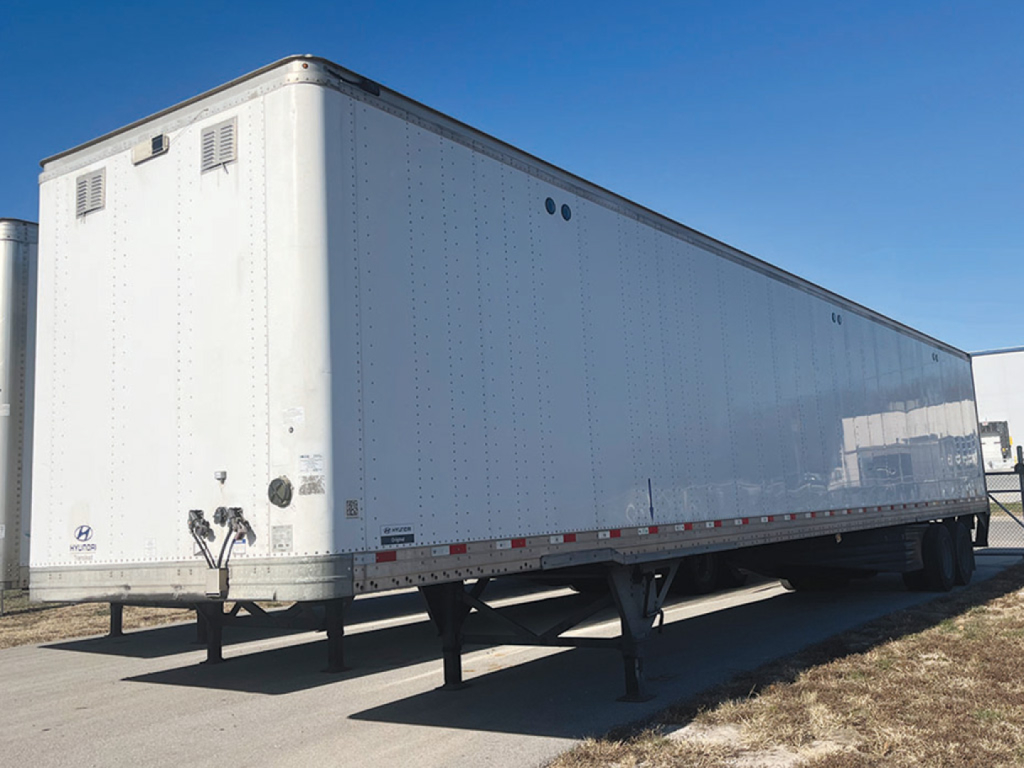
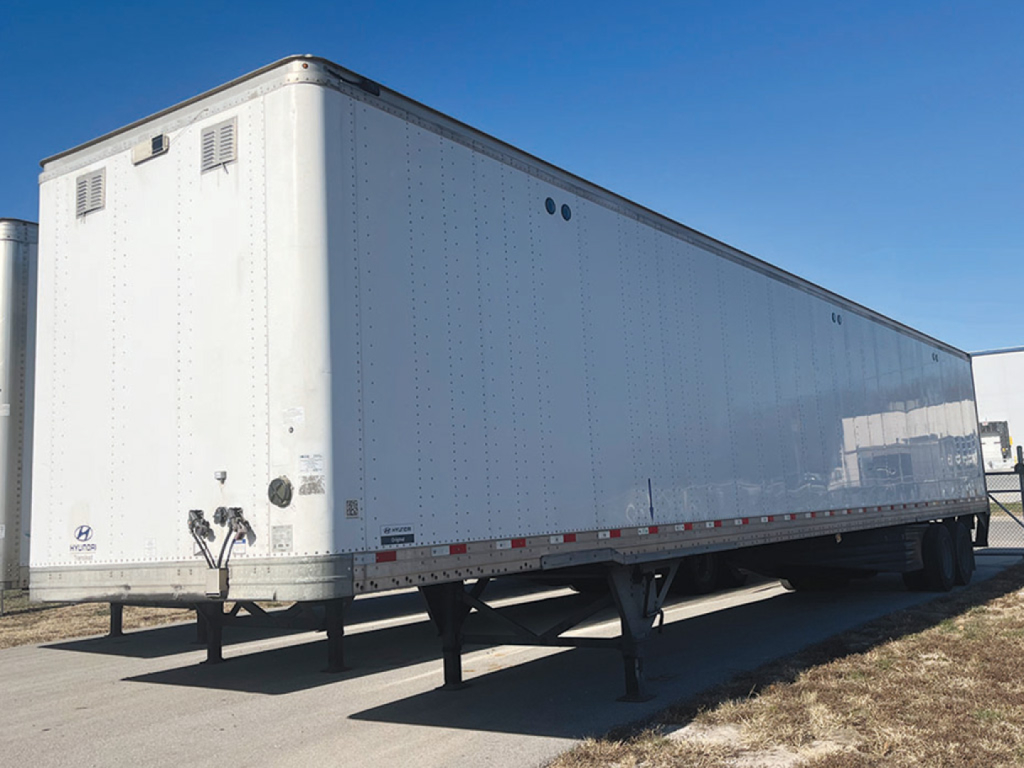
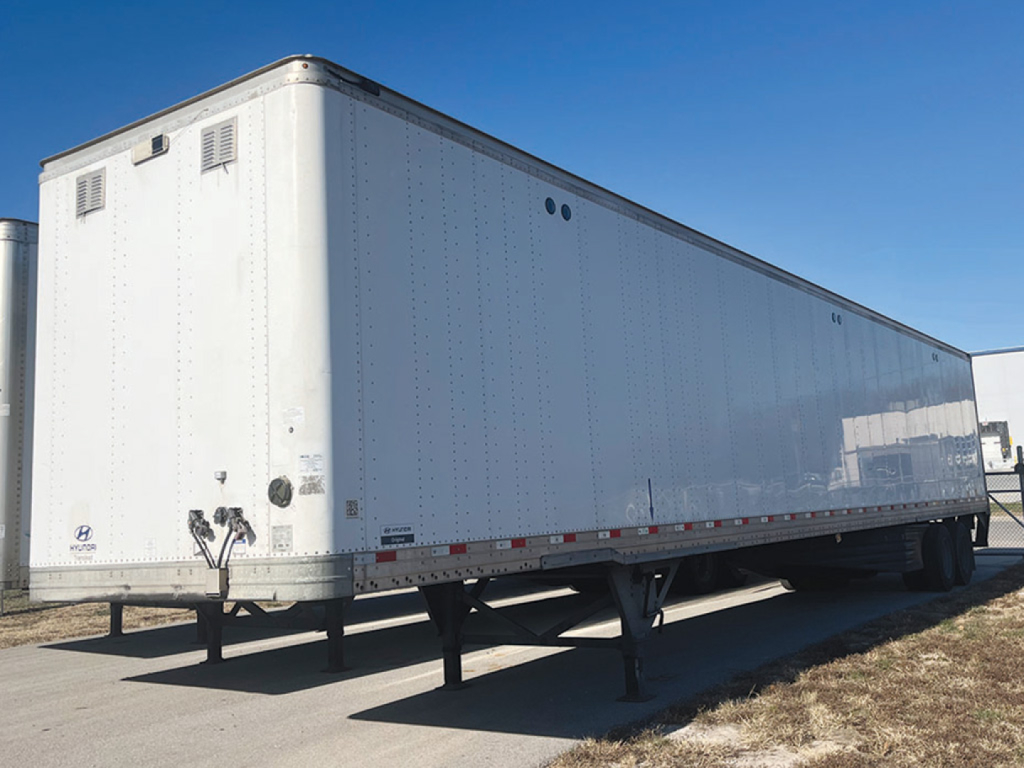
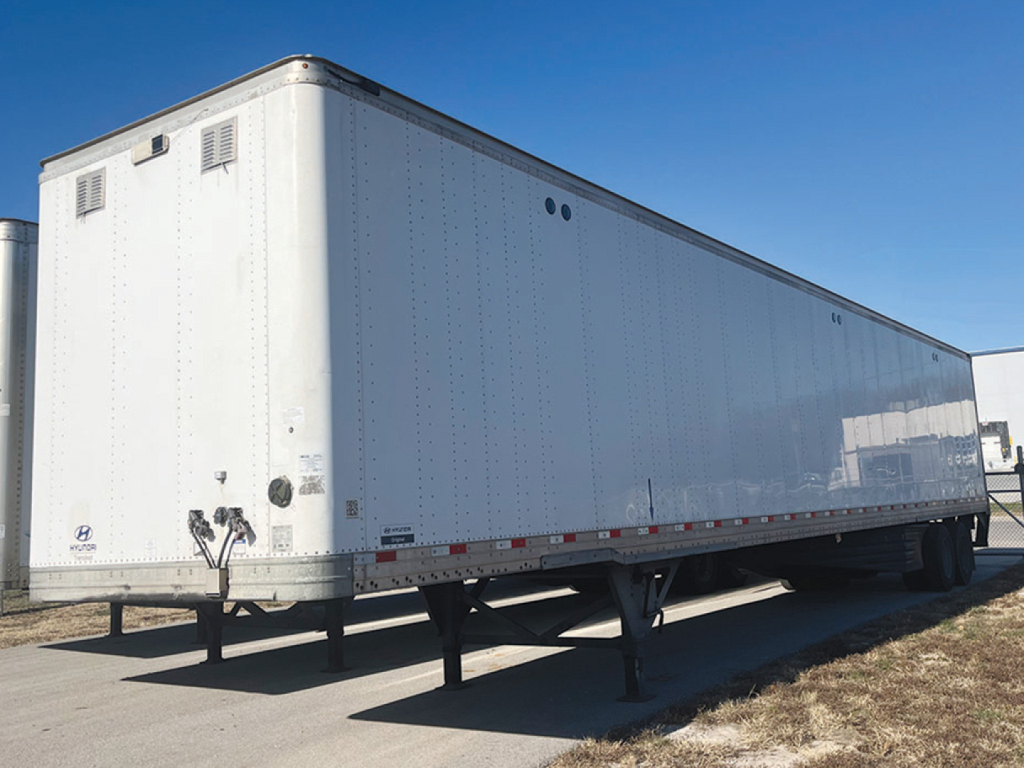
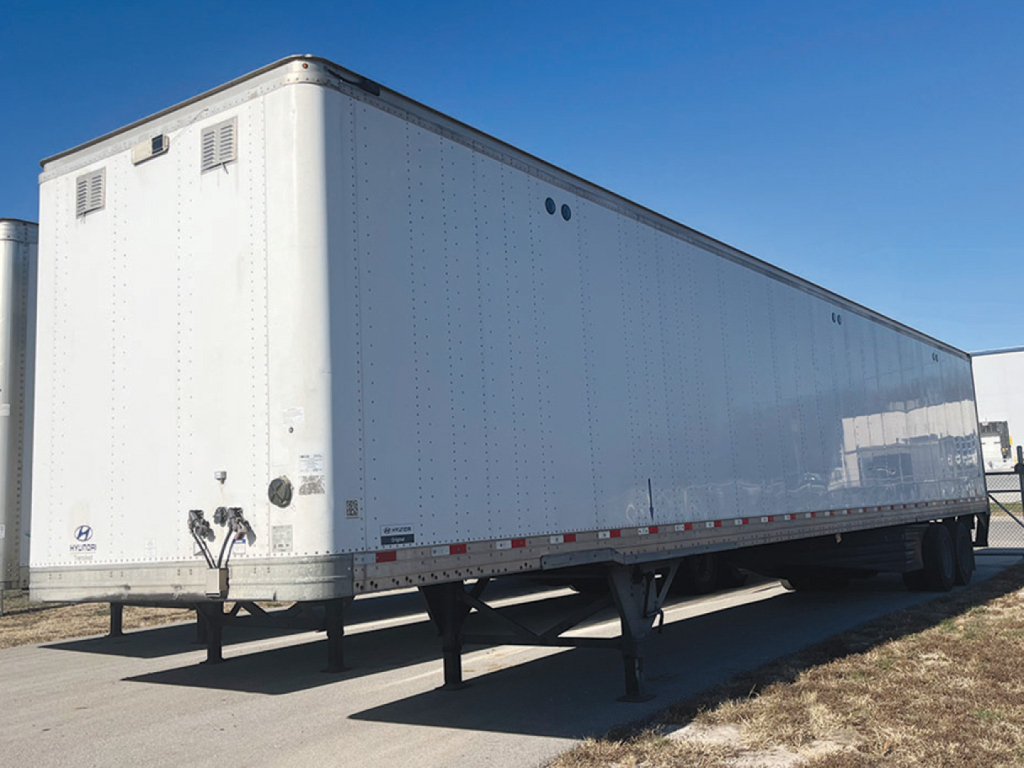
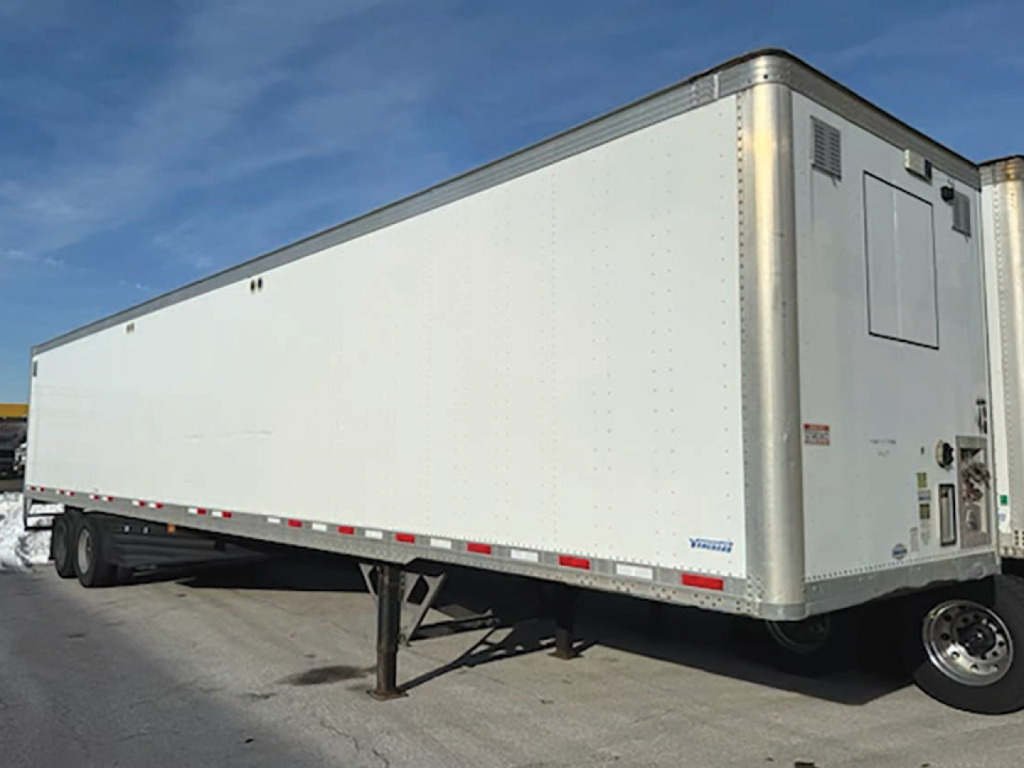
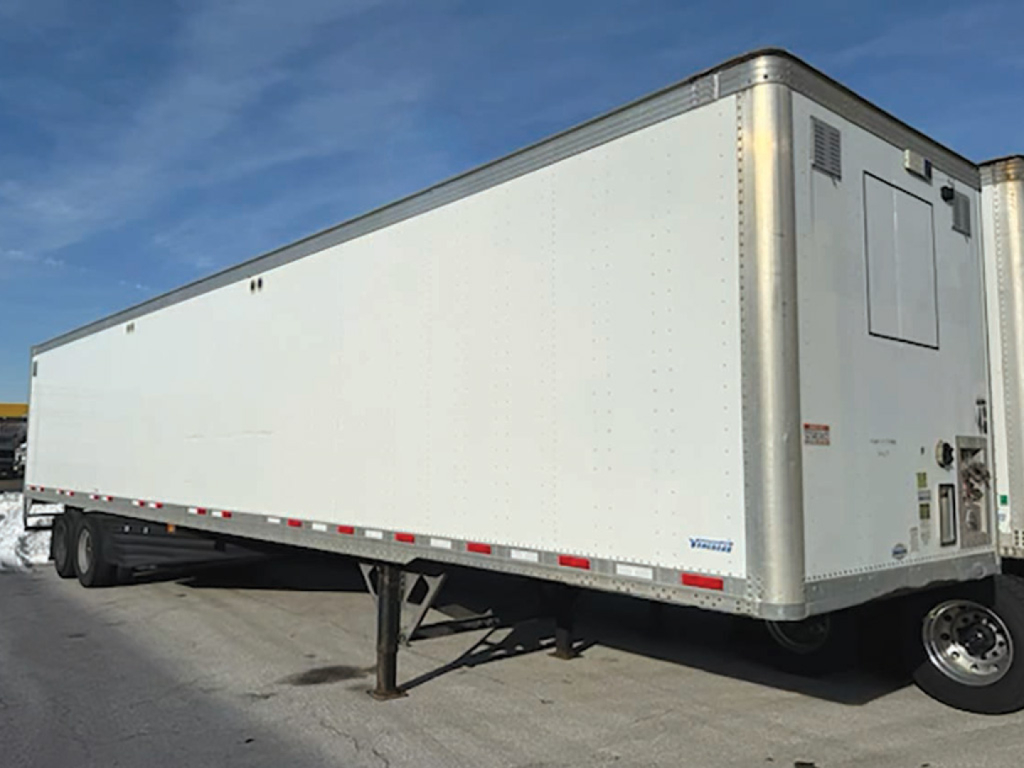
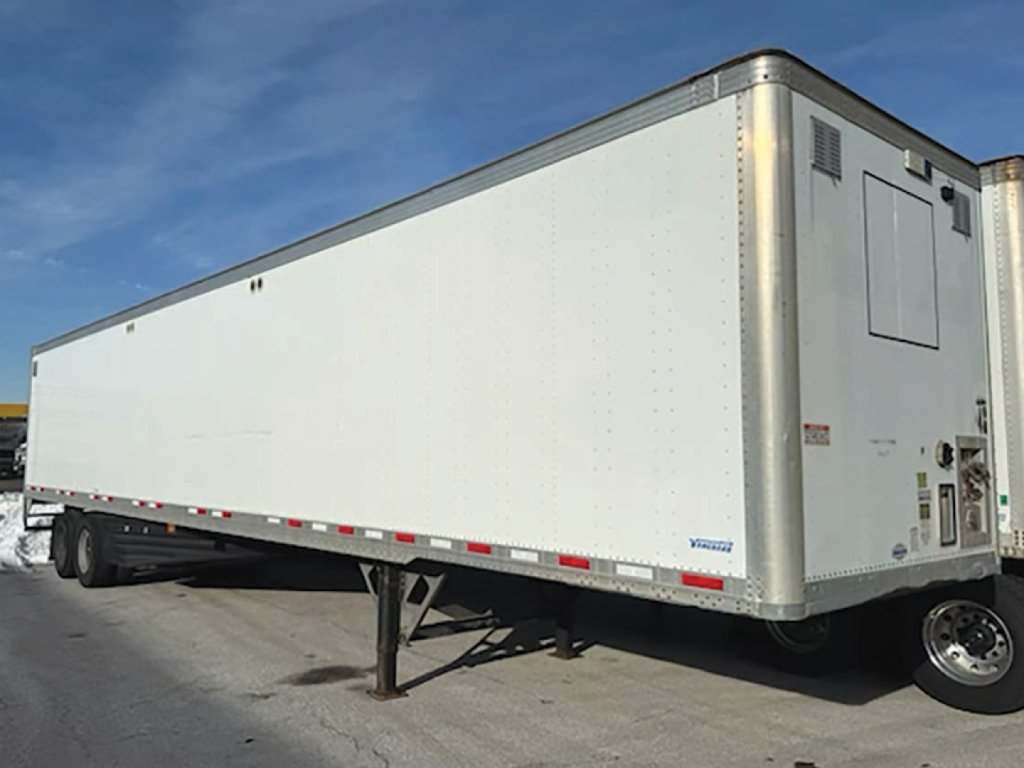
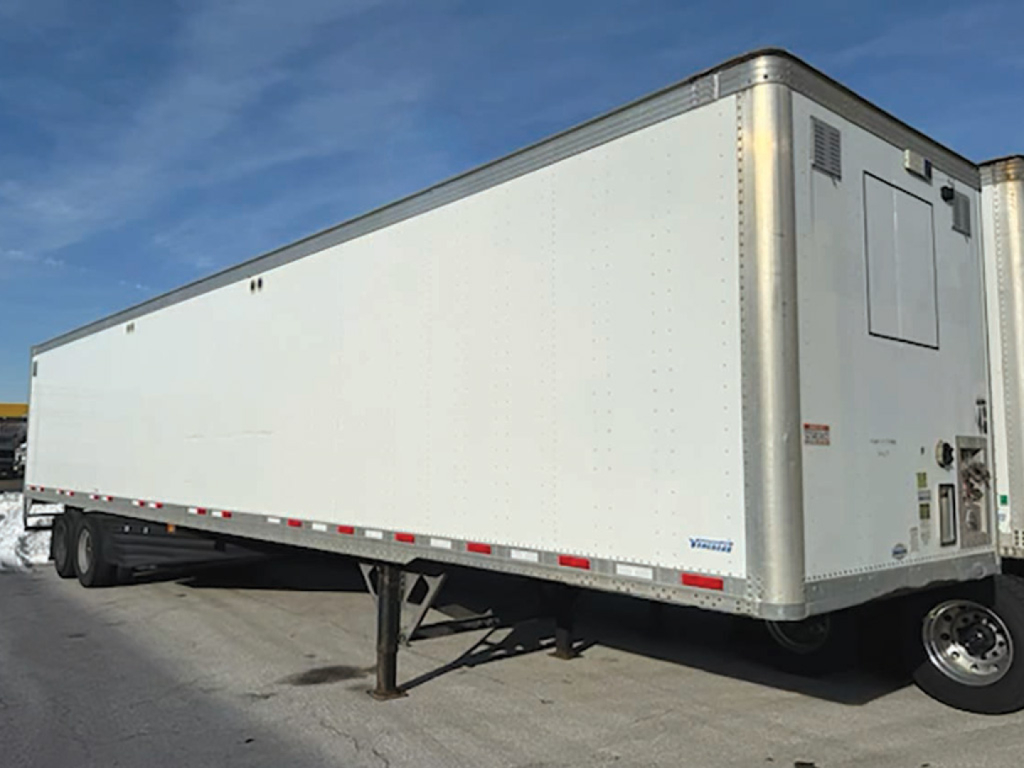
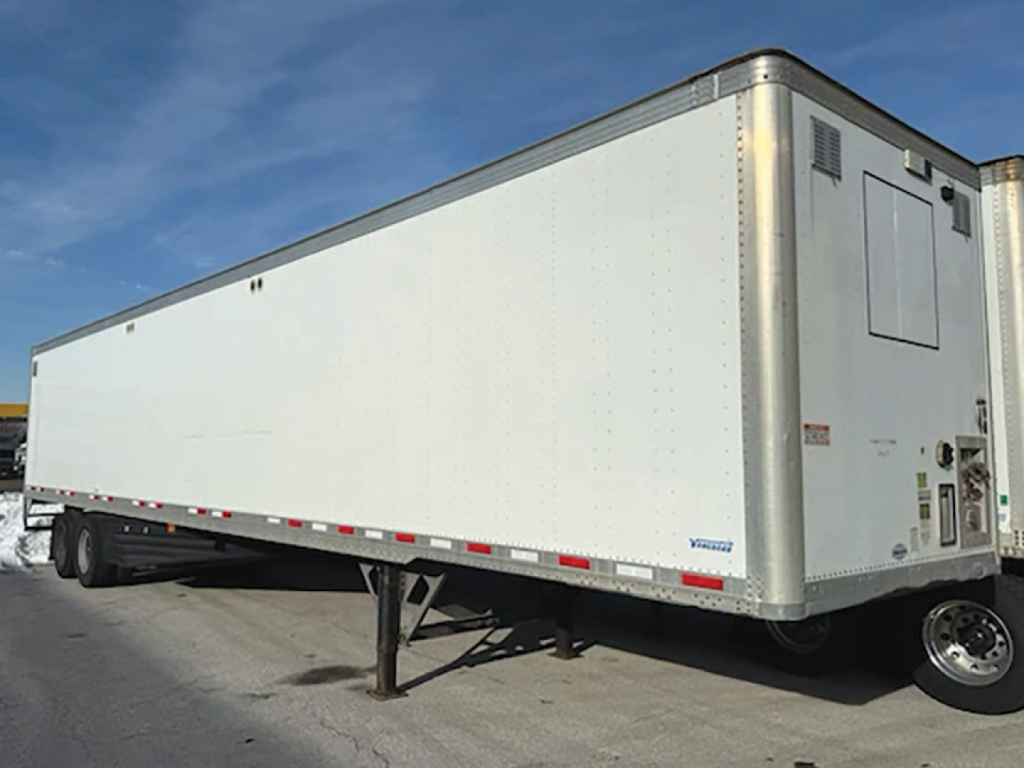
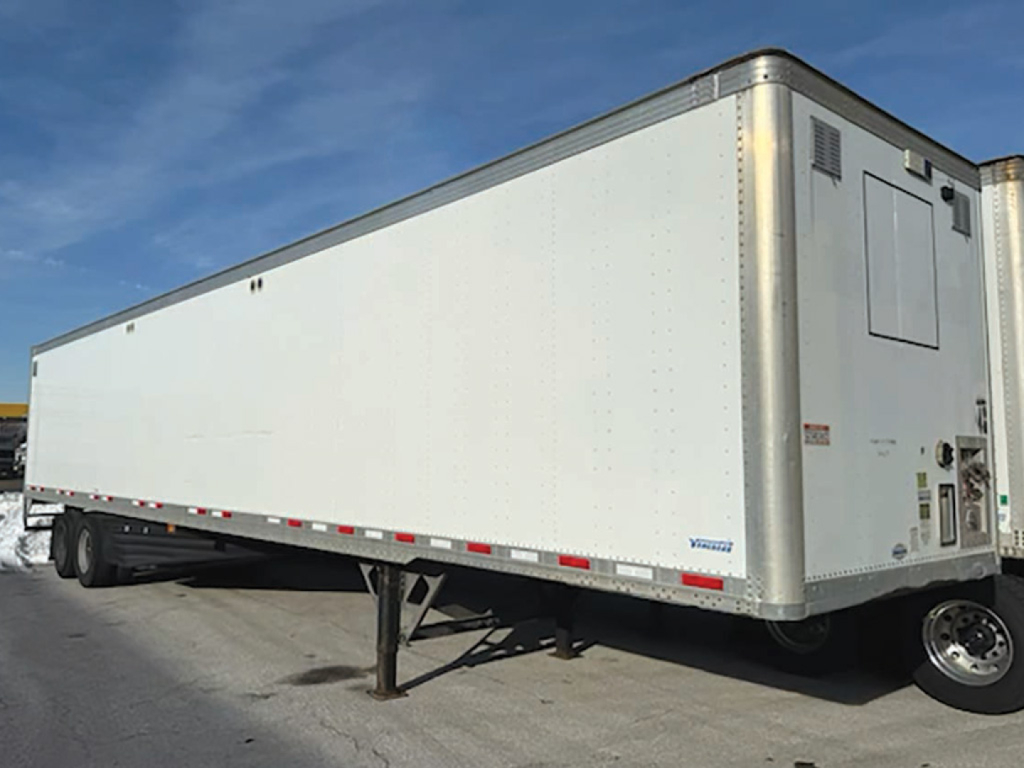
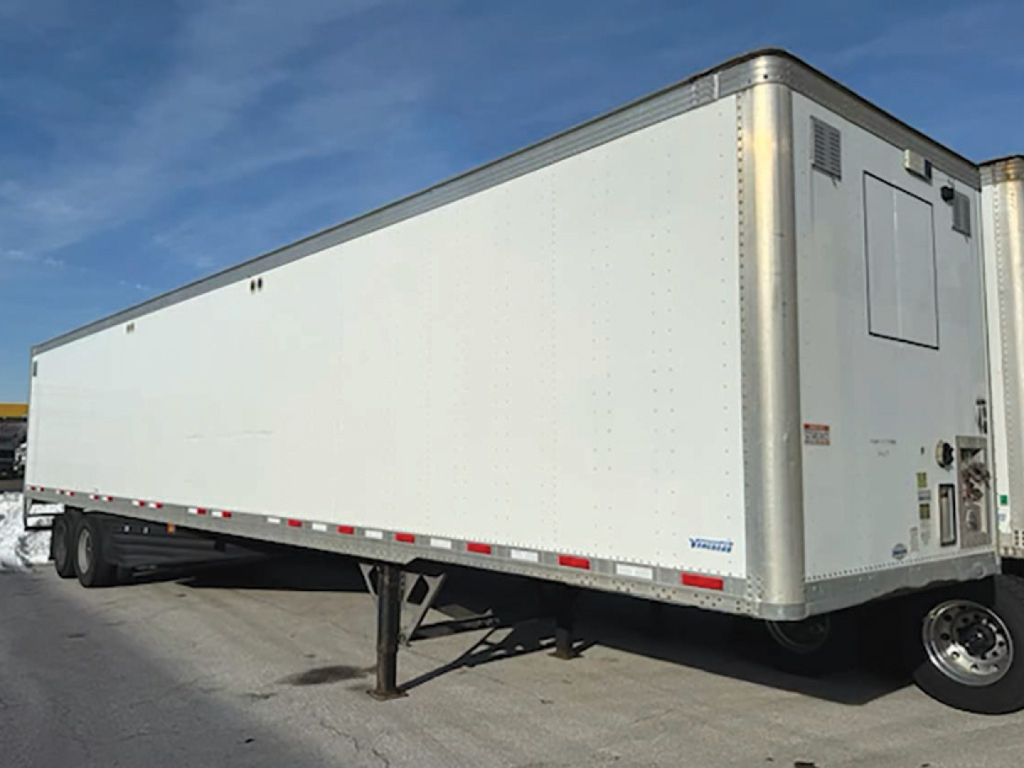
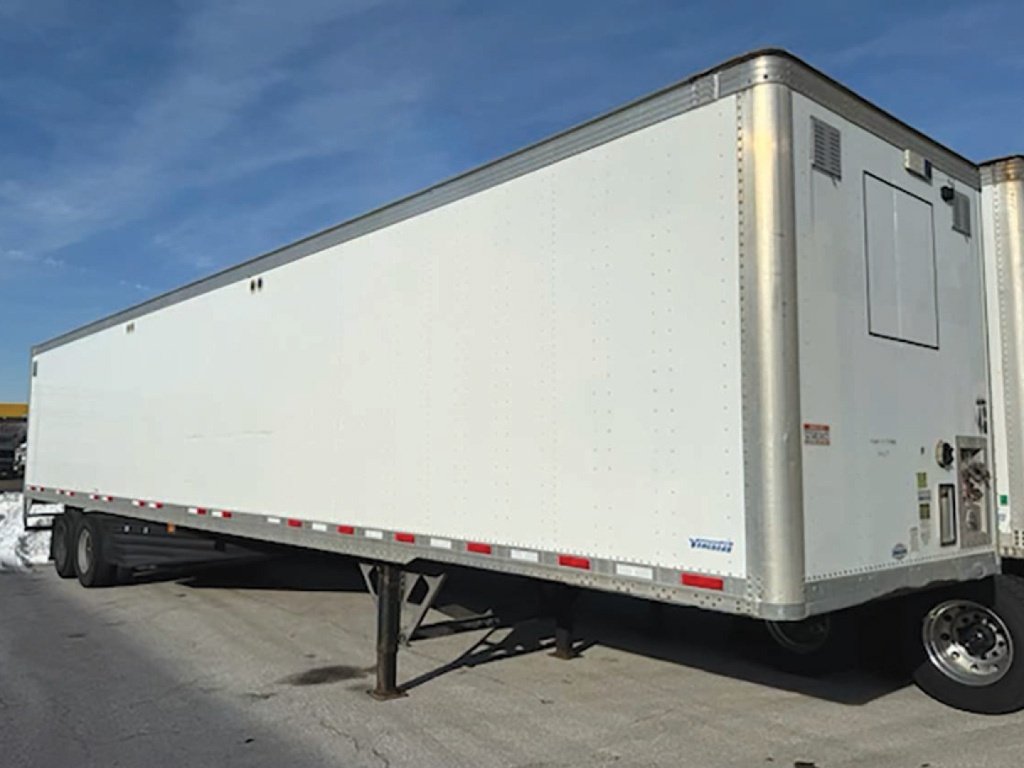
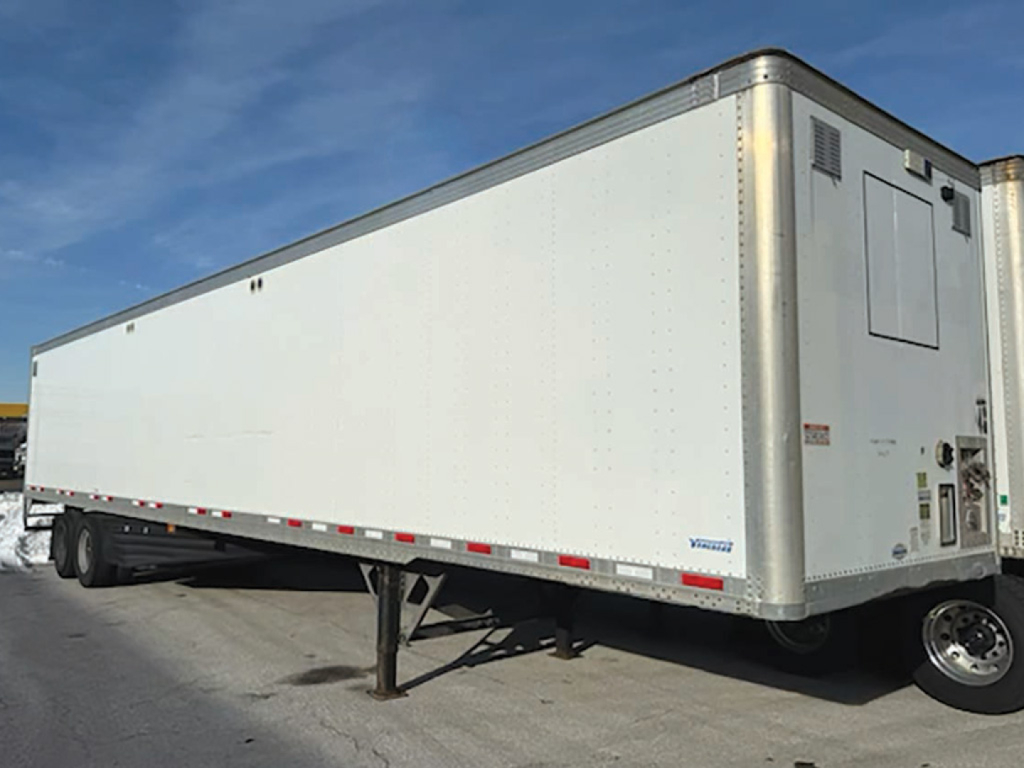
Shop 2020 van trailers for sale, including 53-foot dry vans with air ride, swing or roll-up doors, sliding tandems, logistics posts, and more.
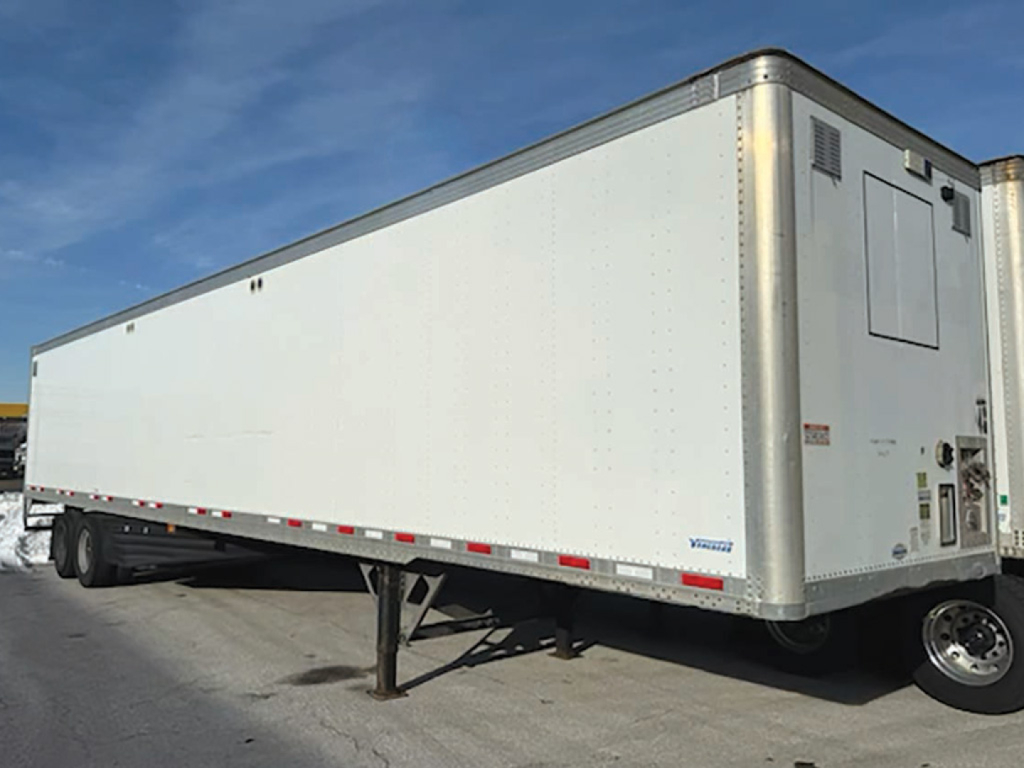
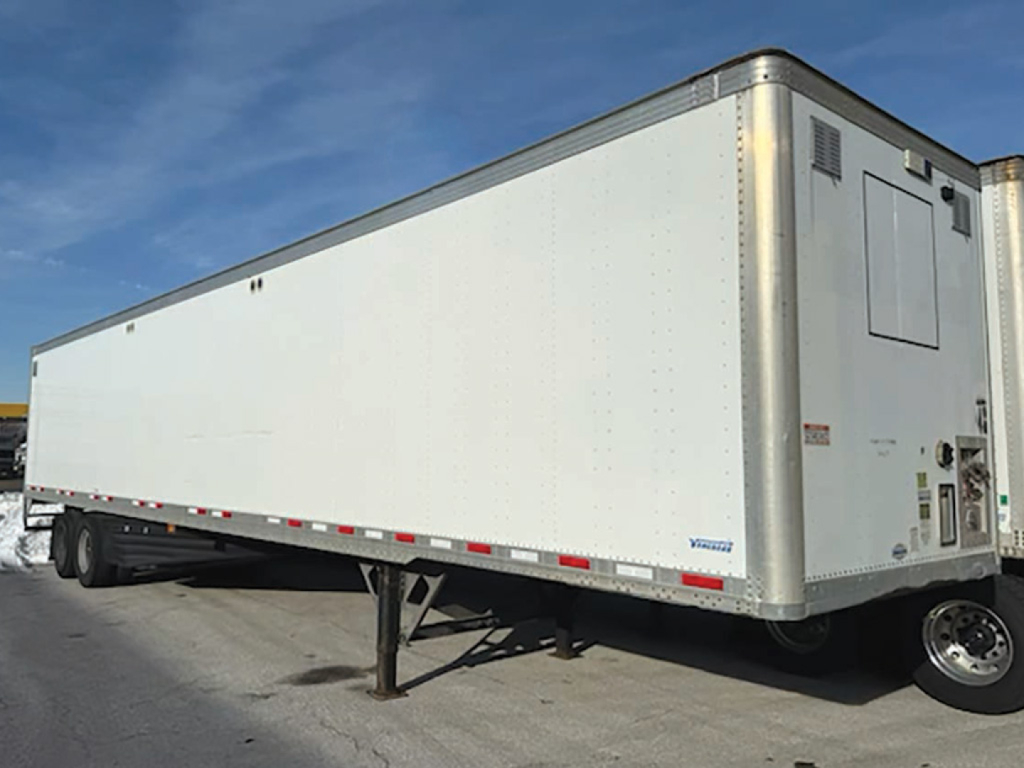
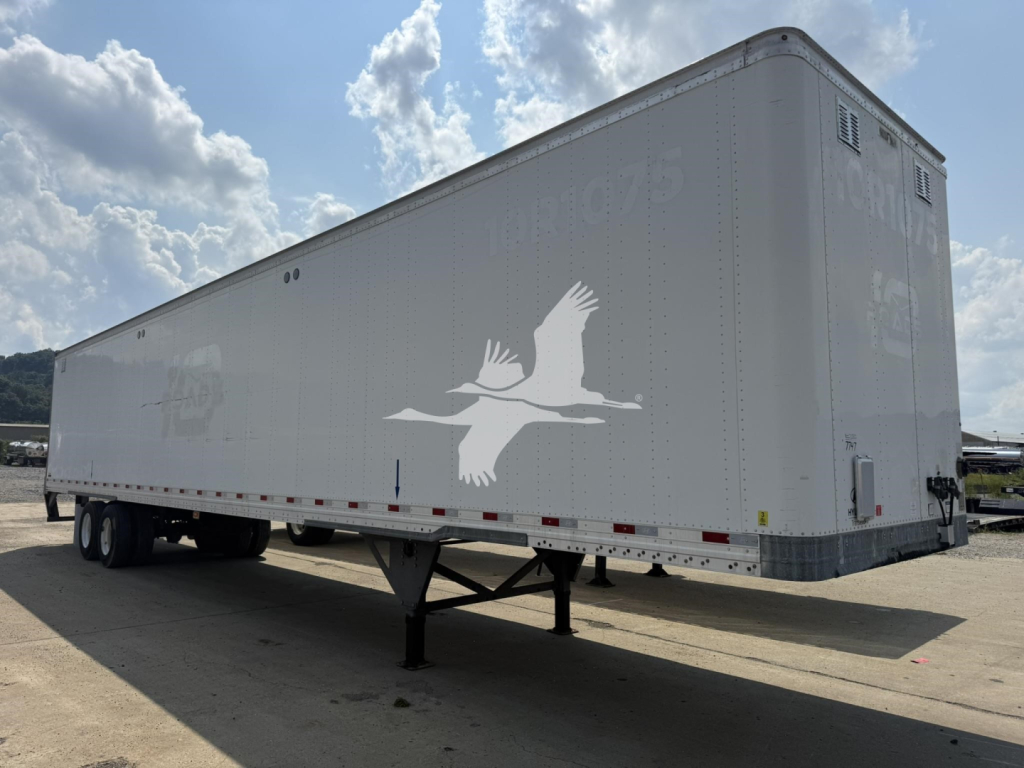
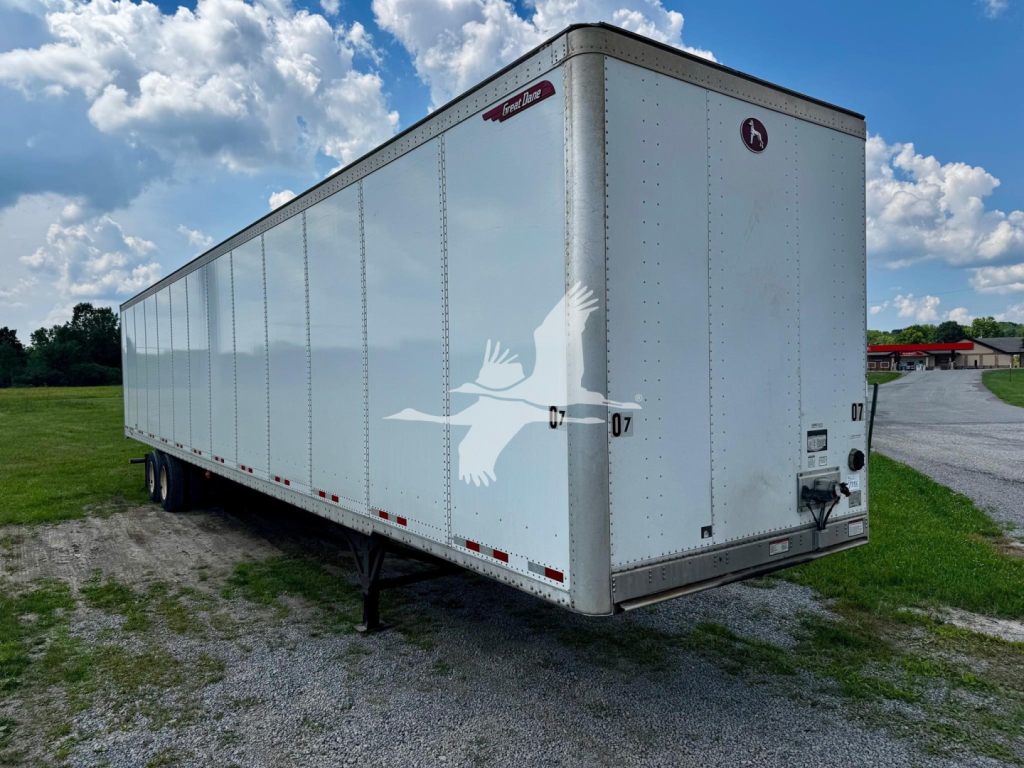
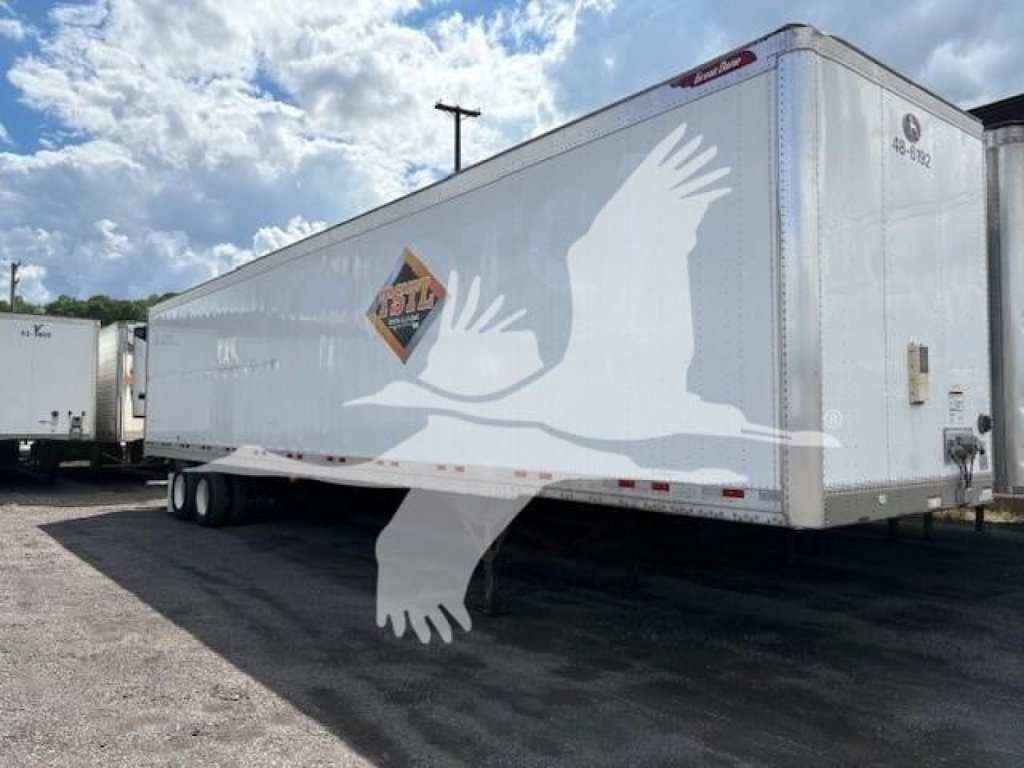
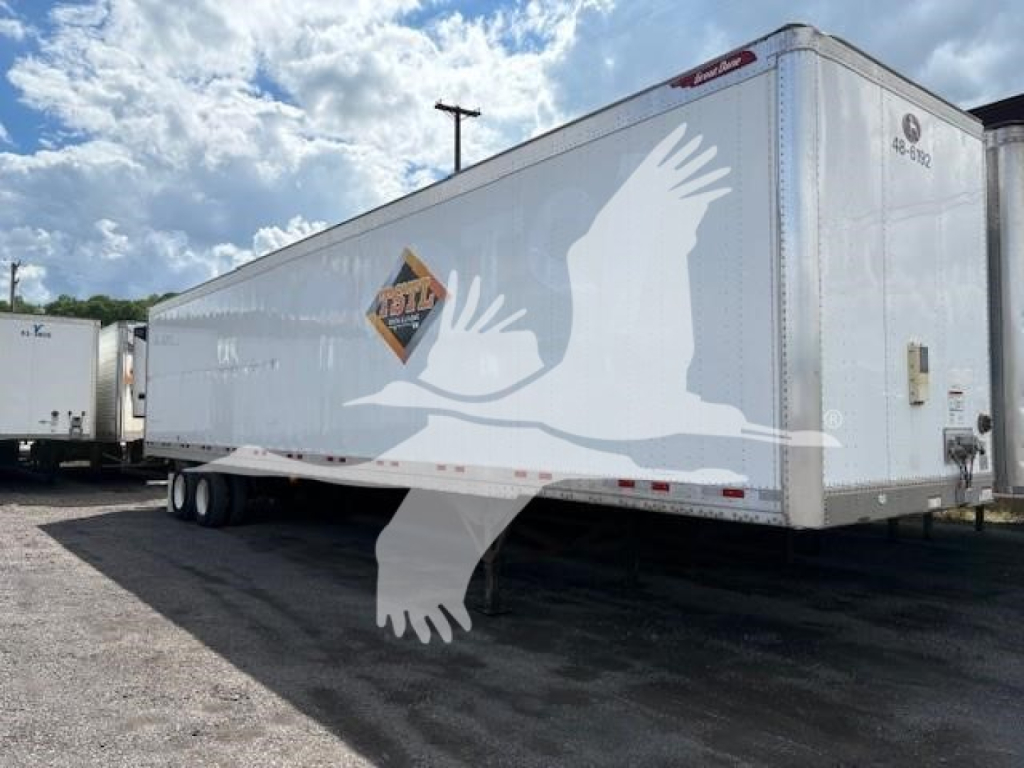
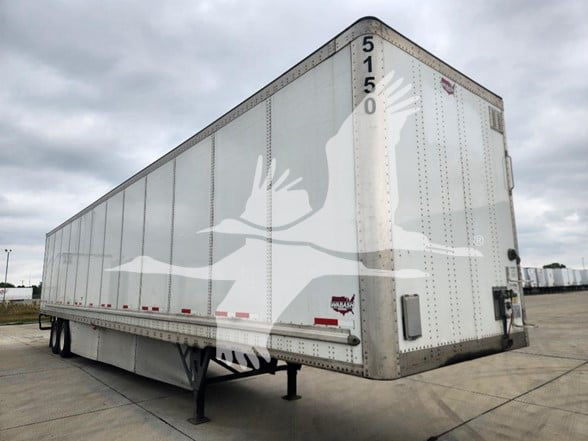
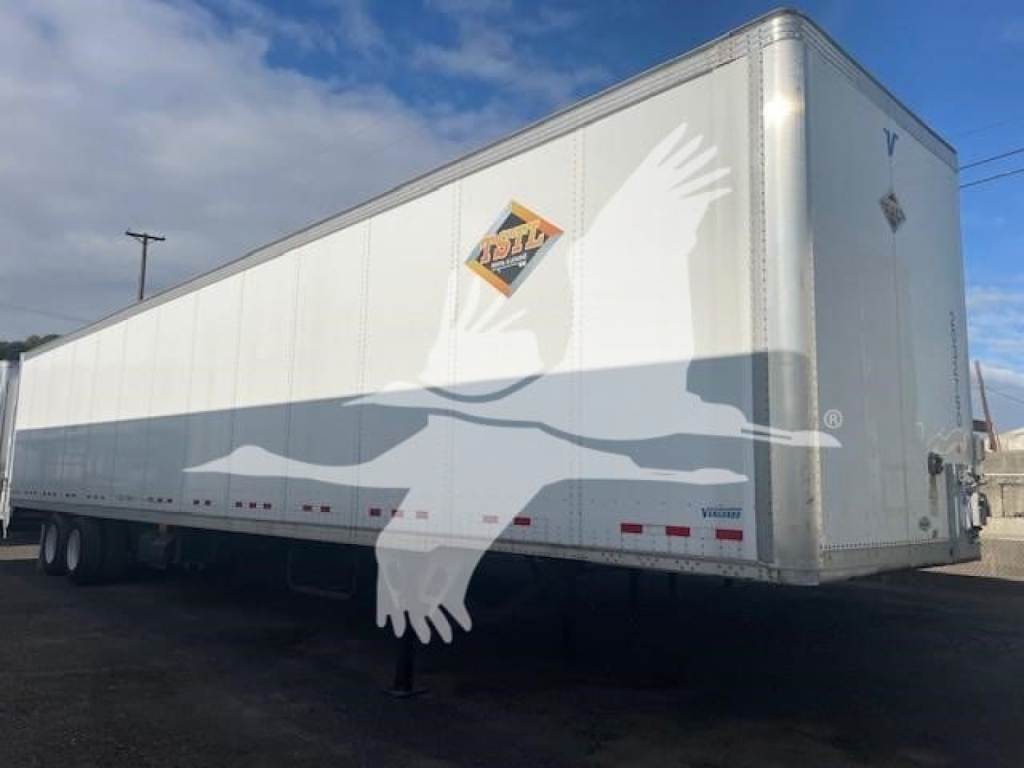
Showing 1 to 24 of 59 results
Have 2020 van trailer to sell? List it here to reach thousands of buyers.
2020 Van Trailers
The biggest spec decisions usually come down to body construction, door style, and suspension. A 2020 van trailer may be aluminum, composite plate, or sheet-and-post construction, each with tradeoffs in tare weight, sidewall durability, and repair cost. Swing doors are common in linehaul and dock operations where full rear access matters. Roll-up doors can be useful in tight urban delivery settings, though they typically add weight and slightly reduce rear opening height. Air ride is often preferred for ride quality and cargo protection, while spring ride can be simpler and less expensive to maintain. Sliding tandems remain important for bridge law compliance, dock positioning, and regional axle settings.
Interior setup matters as much as the outside spec. Many 2020 dry vans are equipped with logistics posts or E-track style securement systems, scuff liners, threshold plates, hardwood floors, and translucent roofs. These details affect day-to-day loading efficiency and long-term durability. A trailer hauling grocery, paper, packaging, or mixed LTL freight benefits from a sound floor, clean interior walls, and securement options that fit changing cargo profiles. Buyers should inspect floor wear around forklift traffic lanes, check for sidewall delamination or impact damage, confirm roof condition, and look closely at rear frame, door seals, hinges, and ICC bumper structure. Tire inflation systems, side skirts, and low-profile 22.5 tires also show up on some 2020 units and can influence operating cost and maintenance planning.
For most operations, a 2020 van trailer sits in a useful age range where specifications are modern but depreciation has already leveled off. The key is matching the trailer to the lane and loading pattern. Drop-and-hook fleets may prioritize durability, tandem adjustability, and dock-friendly swing doors. Regional delivery operations may care more about door access, suspension type, and low-maintenance components. Before buying, verify VIN history, prior fleet use, trailer weight, registration status, brake type, and current DOT condition so the trailer fits both your freight and your compliance requirements.
Frequently Asked Questions about 2020 Van Trailers
What are the most common specifications on a 2020 van trailer?
Most 2020 van trailers are 53 feet long, 102 inches wide, and 13 feet 6 inches high. Common specs include sliding tandems, swing or roll-up rear doors, air ride or spring ride suspension, hardwood floors, logistics posts, scuff liners, and 22.5 low-profile tires. Many units are set up for general dry freight and standard dock loading.
Is air ride or spring ride better on a 2020 dry van trailer?
Air ride is generally preferred when cargo protection and ride quality matter, especially for retail freight, packaged goods, and irregular pallet loads. Spring ride is simpler and can be less expensive to maintain, which appeals to some cost-focused operations. The better choice depends on the type of freight, road conditions, and how much value you place on cargo stability versus mechanical simplicity.
What should I inspect first on a used 2020 van trailer?
Start with the floor, roof, sidewalls, rear frame, suspension, brakes, tires, and door assembly. Floor wear from forklift traffic is one of the most important condition indicators. Also check for leaks, patched panels, scuff liner damage, worn door seals, tandem slide function, and signs of structural repairs around the crossmembers or rear impact area.
Are swing doors or roll-up doors better on a van trailer?
Swing doors usually provide a larger clear opening and are common in full dock loading and over-the-road applications. Roll-up doors are useful when frequent deliveries happen in tight spaces because the doors do not swing outward. The tradeoff is that roll-up doors typically add weight and can reduce rear opening height, so the right choice depends on your loading environment.
What freight is a 2020 van trailer best suited for?
A 2020 van trailer is built for dry, palletized, and weather-sensitive freight such as consumer goods, paper products, packaging, retail inventory, and general commodity freight. It is a versatile trailer class for truckload and some LTL operations. It is not the right fit for temperature-controlled cargo, bulk materials, or freight that requires open-deck loading from the side or top.