
2020 Hyundai Van Trailers For Sale
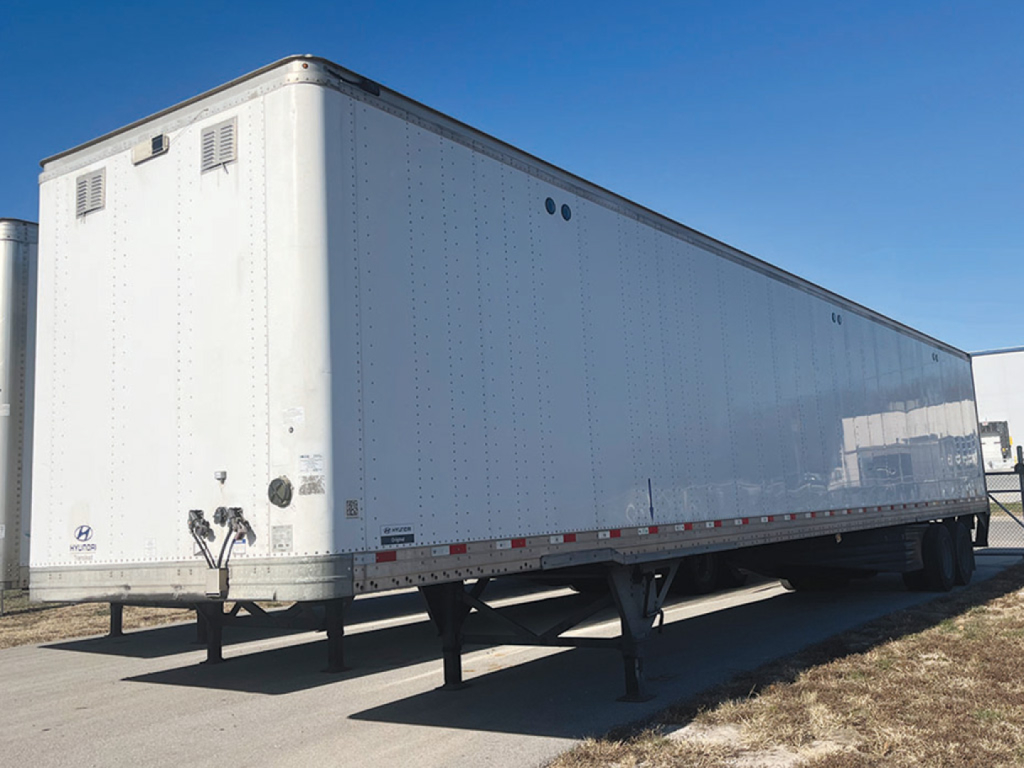
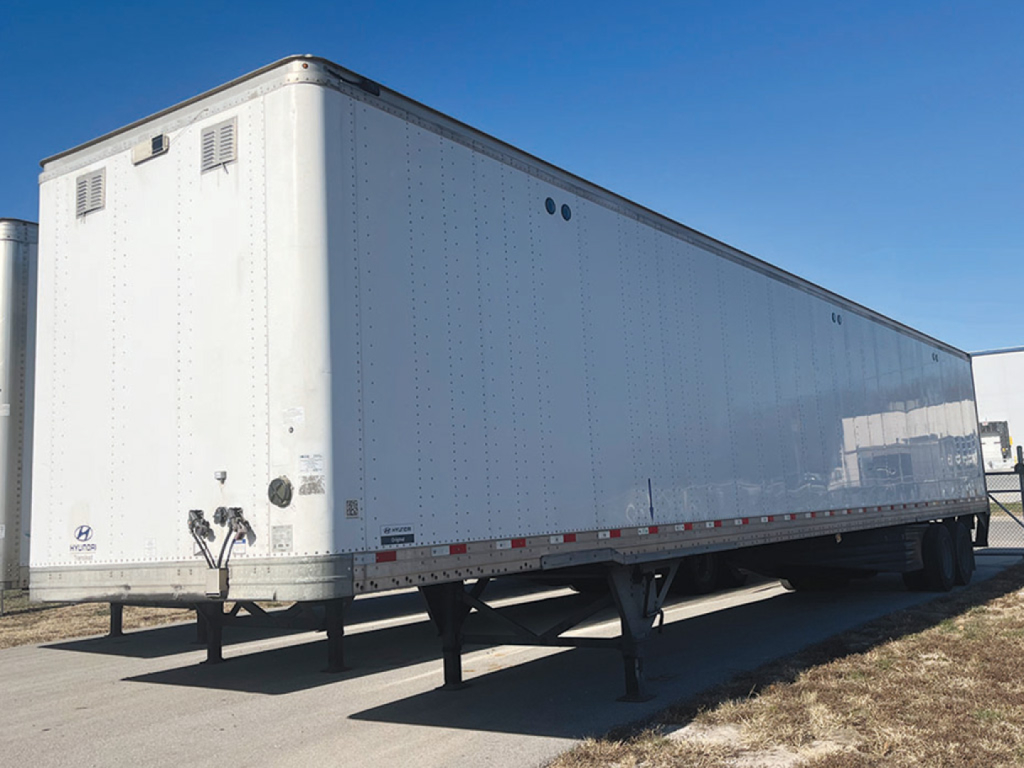
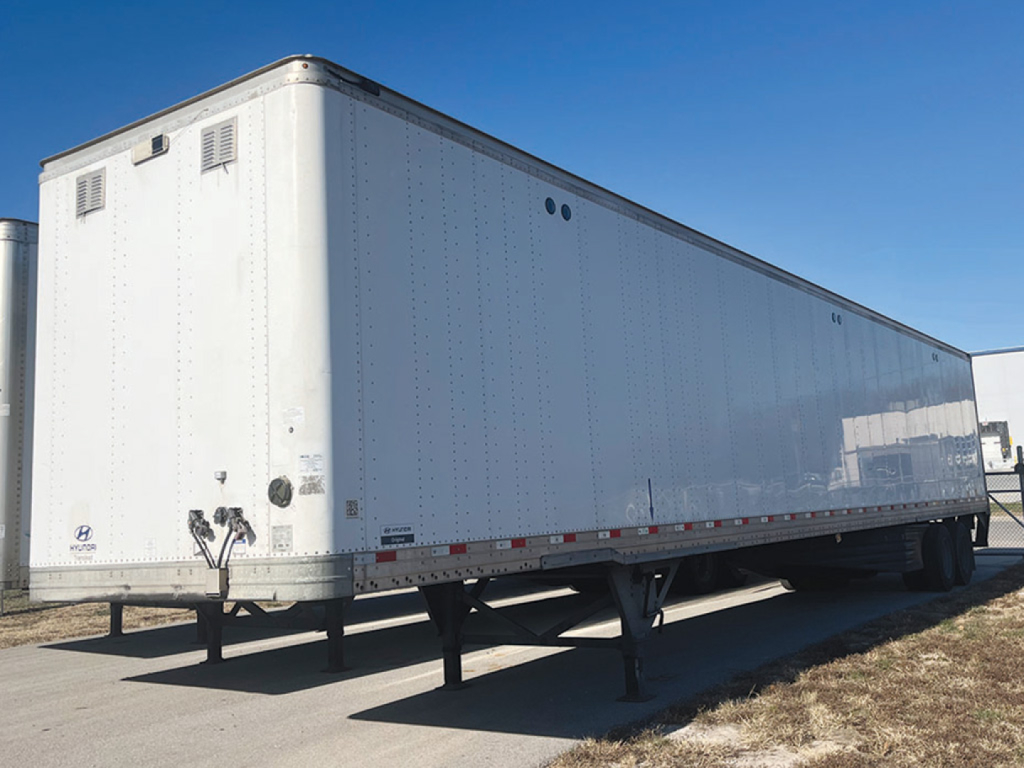
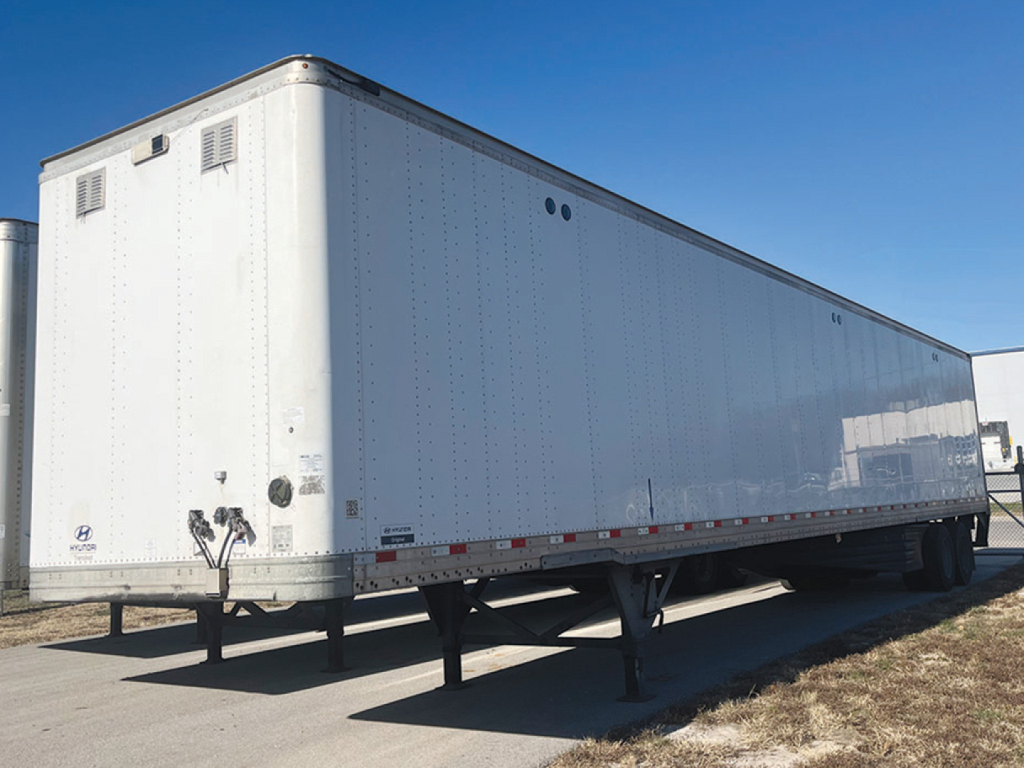
Browse 2020 Hyundai van trailers, including 53-foot dry vans with air ride, logistics posts, side skirts, and fleet-ready freight specs.
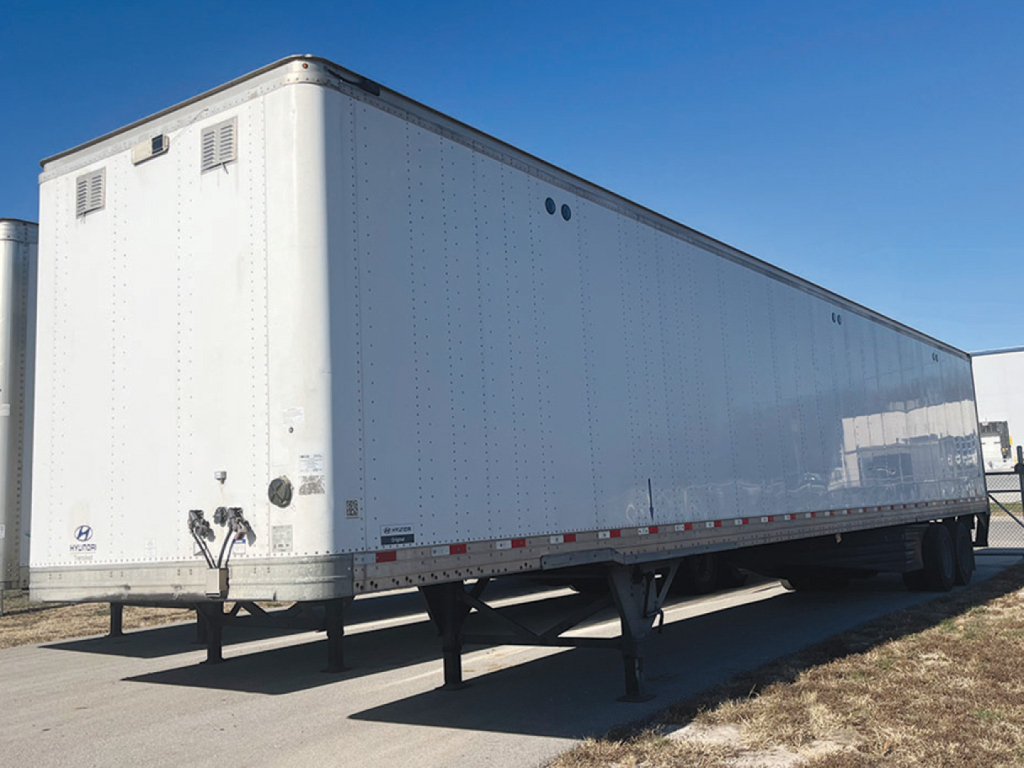
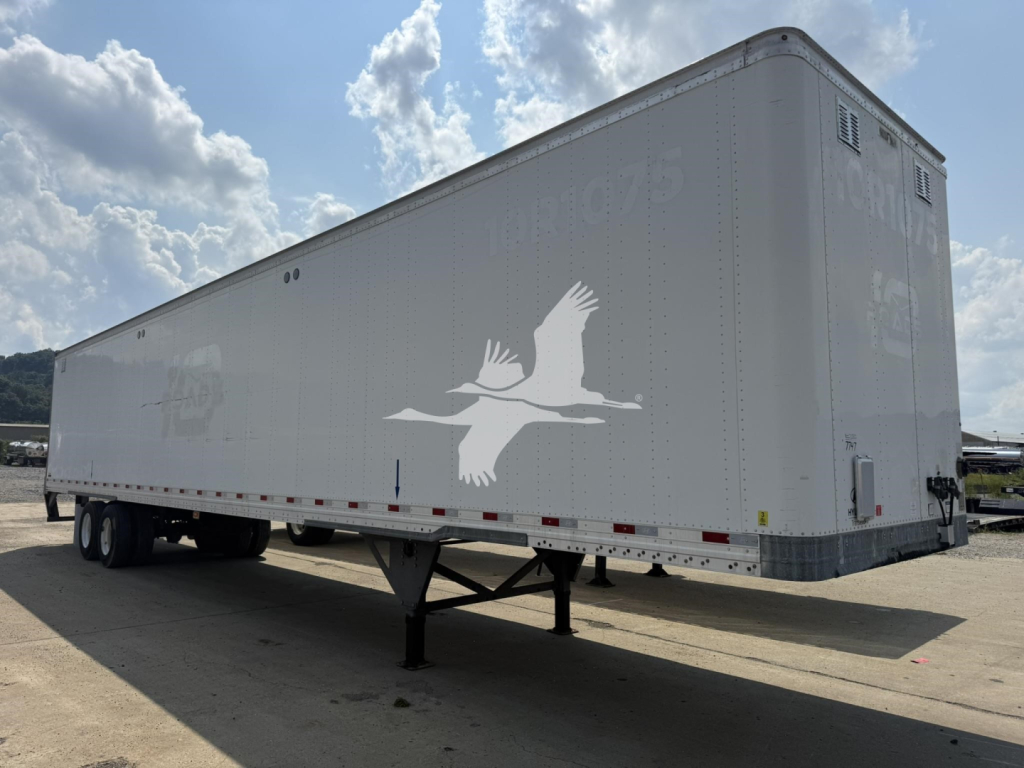

Have 2020 hyundai van trailer to sell? List it here to reach thousands of buyers.
2020 Hyundai Van Trailers
The biggest spec decisions come down to body construction and cargo control. Hyundai van trailers are often found in aluminum or composite configurations, with options like plywood or Kemlite-style interior lining, scuff liners, threshold plates, hardwood floors, and logistics posts or E-track. If the trailer will handle palletized dry freight, packaging, or mixed LTL-style loads, check floor condition, wall liner integrity, and the spacing and condition of cargo securement equipment. Door choice matters too. Swing doors are still preferred in many fleets for full rear opening and simpler repair, while roll-up doors can help in tight dock or city delivery environments but usually add weight and reduce rear opening height.
Running gear and aero equipment deserve close attention on a 2020 model. Air ride suspension is common and remains the preferred spec for ride quality and cargo protection, especially for higher-value freight. Sliding tandems add flexibility for bridge-law compliance and dock positioning, and some trailers may include tire inflation systems, disc wheels, side skirts, or an air-lift front axle. Buyers should also look at brake type, tire size, wheel-end service history, and the condition of the rear frame, crossmembers, and landing gear. On dry vans that have spent time in dense freight networks, the rear sill, door frame, nose, and lower side panels often tell you more about real-world use than the odometer-equivalent age.
For a buyer comparing multiple 2020 Hyundai van trailers, the best value is usually found by matching spec to lane and freight profile rather than chasing the lowest price. A lighter trailer may help payload, but durability specs like galvanized components, stronger lining packages, and better cargo control can pay off in fleet uptime. Check inside height against your freight mix, confirm kingpin setting and tandem spread for your operating region, and inspect roof condition for signs of previous damage or patching. A well-specced 2020 Hyundai dry van can still be a strong fit for regional haul, dedicated contract freight, warehouse shuttles, and long-haul dry freight service.
Frequently Asked Questions about 2020 Hyundai Van Trailers
What are the most common specs on a 2020 Hyundai van trailer?
Most 2020 Hyundai van trailers in the market are 53-foot dry vans with a 102-inch overall width, tandem axles, and an interior built for standard palletized freight. Common features include air ride suspension, sliding tandems, swing or roll-up rear doors, hardwood floors, scuff liners, logistics posts or E-track, and aerodynamic side skirts. Exact specs vary by original fleet order, so it is important to verify inside height, door opening dimensions, suspension type, and cargo securement setup before buying.
Is a 2020 Hyundai dry van a good choice for general freight?
Yes. A 2020 Hyundai dry van is generally a solid fit for general freight, retail freight, packaged goods, consumer products, and warehouse-to-warehouse moves. These trailers are widely used in commercial fleets, which means repair familiarity and replacement parts availability are typically strong. The right choice depends on the trailer's condition, previous duty cycle, and whether the floor, wall liner, doors, and running gear match the kind of freight you plan to haul.
What should I inspect first on a used 2020 Hyundai van trailer?
Start with the floor, roof, rear frame, doors, and suspension. Floor wear, broken boards, roof patches, door frame damage, and rear impact repairs can affect both usability and resale value. Then check the tandem slide, landing gear, brake system, tires, wheel ends, and crossmembers for wear or deferred maintenance. Interior lining damage and missing cargo securement components also matter if the trailer will be used for mixed freight or brokered loads.
Are side skirts and tire inflation systems worth having on a van trailer?
For many operations, yes. Side skirts can improve fuel economy on highway lanes, especially in longer linehaul service, while tire inflation systems can help maintain proper PSI and reduce irregular tire wear or roadside events. These features are most valuable when the trailer will stay in steady over-the-road service and maintenance discipline is already in place. On shorter regional or yard-heavy operations, the value depends more on route profile and how often the equipment is exposed to curb, dock, or debris damage.
How important are inside height and door style on a 2020 Hyundai van trailer?
They are critical because they directly affect what freight the trailer can legally and efficiently move. Inside height determines cube and can decide whether taller palletized loads fit without reworking freight plans. Door style affects loading speed, rear opening access, and maintenance costs. Swing doors are common for full dock access and simple hardware, while roll-up doors can be useful in tighter delivery settings where rear clearance is limited.