
2020 Trailers For Sale in Illinois
Browse 2020 trailers for sale in Illinois, including dry vans and specialty trailers, with specs buyers compare most before purchase.

Selling a 2020 trailer? List your 2020 trailer for sale and reach thousands of commercial buyers.
2020 Trailers in Illinois
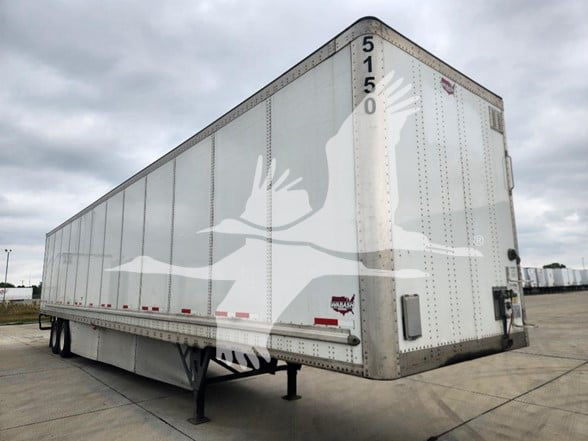
For dry van buyers, common 2020 specs include 53-foot overall length, 102-inch width, air ride suspension, swing or roll-up rear doors, wood floors, scuff liners, threshold plates, and logistics posts or E-track. Sliding tandems are still important for bridge-law compliance and dock flexibility, while fixed tandems can reduce maintenance in some operations. Disc wheels, low-profile 22.5 tires, and aerodynamic side skirts may also appear, depending on prior fleet spec. Interior condition matters as much as the data plate. Check for floor wear from forklifts, sidewall damage, roof repairs, door frame alignment, and signs of moisture intrusion around seams and rivet lines.
A 2020 trailer may also be old enough to show clear maintenance history but new enough to include modern fleet specs such as LED lighting, telematics prep, tire inflation systems, and upgraded rear impact guards. In Illinois service, road salt and freeze-thaw cycles make understructure inspection especially important. Look closely at crossmembers, suspension hangers, slider assemblies, brake components, wiring, and corrosion around steel-to-aluminum contact points. Tire age, brake life, and any evidence of repeated dock impact can change the real cost of ownership more than the purchase price alone.
If the trailer will run regional freight, final-mile distribution, or high-cycle dock work, focus on door durability, floor rating, and suspension condition. For over-the-road use, tare weight, aero equipment, and wheel-end spec can have a bigger effect on operating cost. Buyers comparing multiple 2020 trailers should verify VIN plate data, GAWR, kingpin setting, interior height, and any repair documentation before making a decision. The best choice in this category is usually the trailer with the cleanest structural condition, the right spec for the freight, and the lowest near-term reconditioning exposure.
Frequently Asked Questions about 2020 Trailers in Illinois
What should I inspect first on a used 2020 trailer?
Start with the structure. Check the frame rails, crossmembers, roof bows, rear frame, and suspension mounting points before focusing on cosmetic items. On van trailers, inspect the floor for forklift damage, soft spots, delamination, and heavy wear at the threshold. Also look at tandem slider operation, brake and tire condition, wiring, lights, and any corrosion underneath. A trailer that looks clean outside can still need expensive structural or running gear work.
Is a 2020 trailer a good age for fleet or owner-operator use?
Yes, 2020 model trailers are often attractive because they are late-model enough to have modern specs and parts support, but old enough to trade below new-equipment pricing. For many buyers, this year offers a practical balance between cost and remaining service life. The real value depends on prior application, maintenance history, miles, loading cycles, and regional exposure to weather and road chemicals.
Which specs matter most when comparing 2020 dry van trailers?
Length, width, interior height, suspension type, tandem configuration, door type, floor construction, and interior cargo control setup are the main comparison points. A 53-foot by 102-inch van is common, but details like air ride versus spring ride, swing doors versus roll-up doors, and plain walls versus plywood lining can affect dock use, freight protection, and maintenance cost. Buyers should also compare tare weight, wheel-end spec, and tire size if fuel economy and long-haul efficiency matter.
Why does trailer location in Illinois matter when buying used equipment?
Illinois is a major freight state, so many trailers have seen heavy linehaul, intermodal, or distribution service. That can be a positive if the trailer came from a disciplined fleet maintenance program, but buyers still need to inspect for corrosion from winter road salt, wear from frequent dock contact, and stress around slider rails and suspension points. Regional use history can tell you a lot about likely reconditioning needs.