
2020 Trailers For Sale in Nevada
Browse 2020 trailers for sale in Nevada, including dry vans, reefers, and more, with key specs buyers compare on condition, suspension, and dimensions.
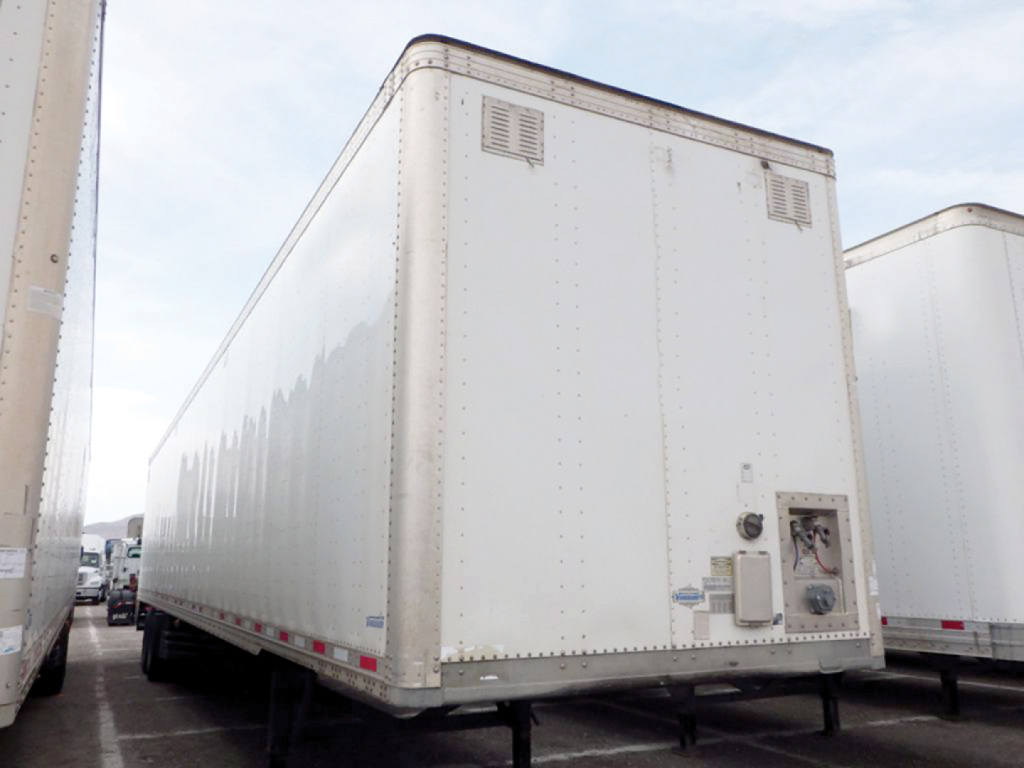
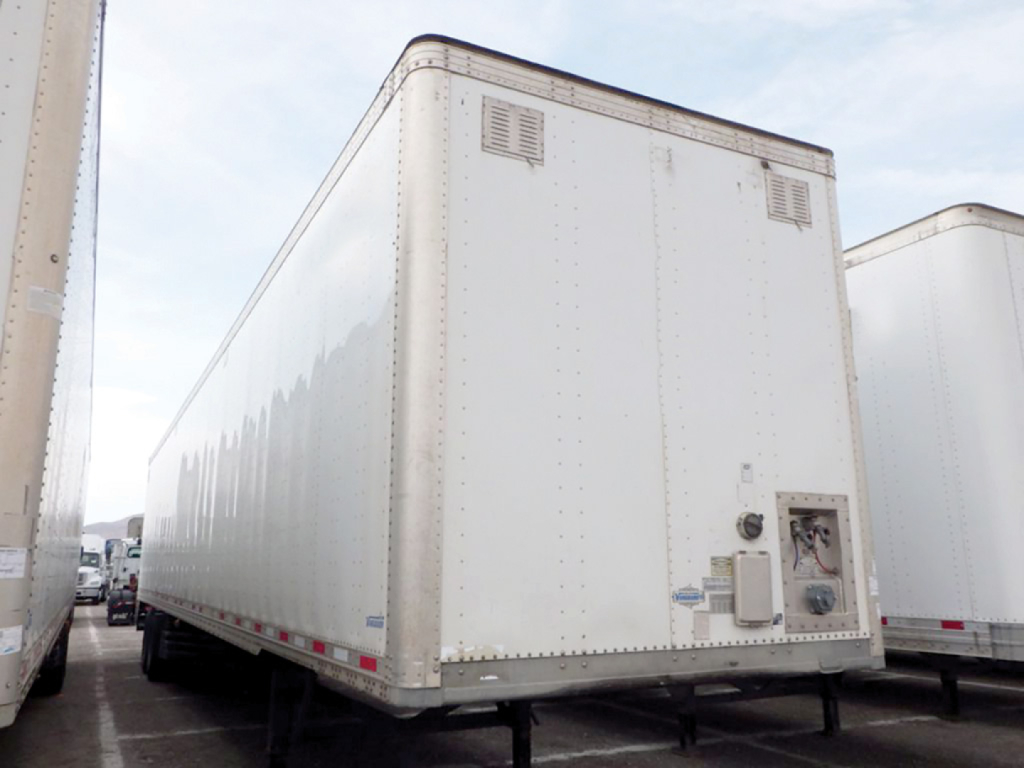
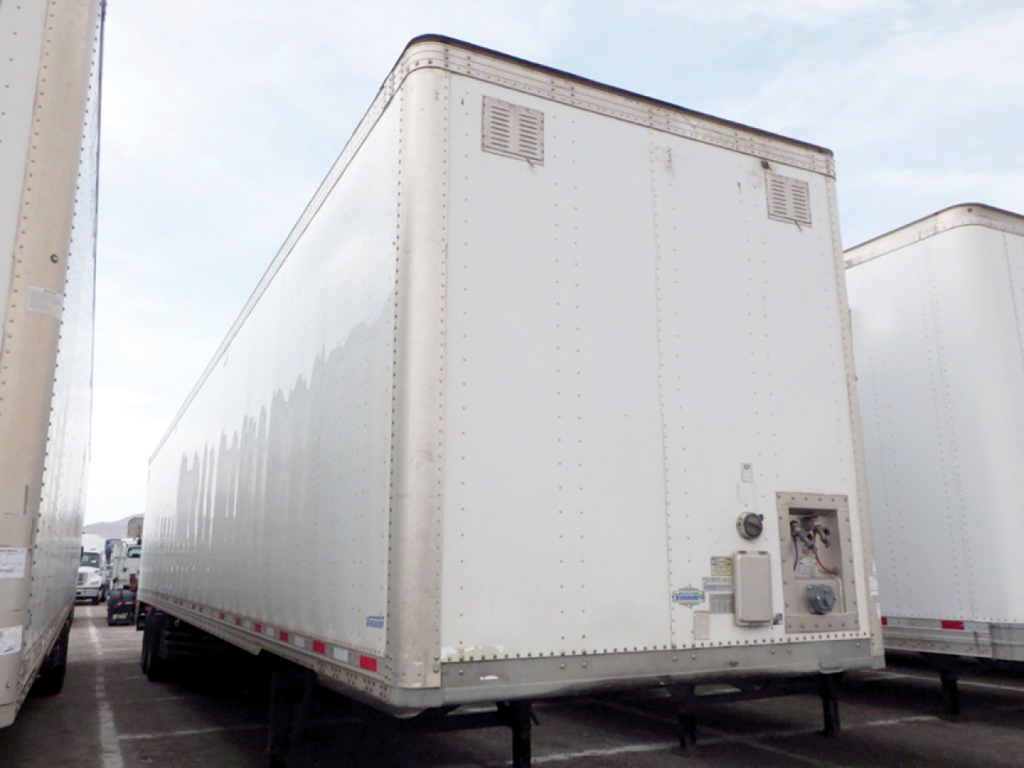
Looking for the easiest place to sell your 2020 trailer? List it here to reach thousands of buyers.
2020 Trailers in Nevada
The biggest decision is usually trailer type. A 2020 dry van trailer, also known as an enclosed van trailer, is built for general freight, palletized goods, retail loads, and dock-to-dock service. Key details include 53-foot length, 102-inch width, interior height, floor type, lining, scuff protection, rear door style, and whether the trailer is logistics equipped. A 2020 reefer trailer adds another layer of evaluation because the refrigeration unit, hours, air delivery system, insulation condition, duct floor, chute, rear vents, and door seal integrity all affect temperature control and operating cost. In a hot, dry state like Nevada, reefer buyers should pay close attention to unit performance under load and the condition of the interior walls, floor channels, and stainless rear frame areas that see repeated washout and forklift traffic.
Spec comparison matters more than model year alone. On any 2020 trailer, buyers should check tandem slide operation, suspension bushings, brake type, wheel-end history, crossmember condition, roof and sidewall repairs, kingpin and upper coupler wear, and signs of uneven loading stress near the nose, rear frame, and threshold. Dry van buyers often focus on lining type, floor life, side skirt condition, and the practicality of swing doors versus roll-up doors. Reefer buyers usually add unit brand preference, fuel tank condition, evaporator cleanliness, bulkhead setup, and whether the trailer has features like a heavy-duty aluminum duct floor, cold chute, scuff liner, or stainless steel door frame. If the trailer will run California or multistate lanes, emissions-related reefer compliance and maintenance records can be just as important as the trailer shell itself.
A 2020 trailer can fit private fleets, regional carriers, lease operators, and shippers looking to expand capacity with equipment that still aligns with current freight expectations. The best value usually comes from matching the trailer spec to the lane and commodity, not just buying by make. High-cube interior dimensions help cube out light freight, while stronger floors and better cargo securement matter more for heavy palletized freight. Refrigerated applications demand tighter attention to insulation, door closure, and unit service history. In Nevada, sun exposure and heat cycles make roof condition, seal quality, and tire health especially important, so a careful buyer will weigh overall structural integrity and maintenance discipline before focusing on cosmetics.
Frequently Asked Questions about 2020 Trailers in Nevada
What should I look for first when buying a 2020 trailer?
Start with trailer type, structural condition, and core running gear. Confirm whether the trailer is a dry van, reefer, or another configuration that fits your freight. Then inspect the frame, crossmembers, floor, roof, rear frame, kingpin area, suspension, brakes, and tandem slide. A 2020 model can still be a strong value, but maintenance history and wear pattern tell you more than the model year by itself.
Is a 2020 reefer trailer still a good buy for refrigerated freight?
A 2020 reefer trailer can be a very practical choice if the box is tight and the refrigeration unit has been maintained correctly. Buyers should verify reefer unit hours, service records, temperature pull-down performance, duct floor condition, chute condition, insulation integrity, and door seal quality. The trailer body and the refrigeration system need to be evaluated together because poor air flow or a compromised interior can hurt temperature consistency even if the unit runs.
What specs matter most on a 2020 dry van trailer?
The most important dry van specs usually include overall length, width, interior height, floor type, wall lining, scuff protection, rear door style, suspension type, tandem configuration, and cargo securement features such as logistics posts or E-track. Buyers also pay attention to side skirts, tire inflation systems, wheel type, and brake setup because those details affect operating cost, loading efficiency, and maintenance intervals.
Are 2020 trailers in Nevada affected by climate and regional use?
Yes. Nevada heat and sun exposure can accelerate wear on roof sealants, door gaskets, tires, mudflaps, wiring, and exterior finishes. Reefer trailers may also show more stress in insulation-sensitive areas if they have spent long periods in high-temperature service. Regional buyers should inspect for heat-related cracking, dry rot, faded seal materials, and signs that the trailer has been parked or stored in conditions that increased weather exposure.
How do I compare a 2020 trailer against newer models?
Compare the trailer on spec, condition, and repair risk instead of focusing only on age. Many 2020 trailers already have fleet-preferred features such as air ride, sliding tandems, disc wheels, aerodynamic equipment, and modern cargo-control setups. If the trailer has a solid maintenance record, clean structural components, and the right configuration for your freight, it may deliver similar utility to a newer unit at a lower acquisition cost.