
Used 2018 Commercial Trucks For Sale
Shop used 2018 trucks for sale, including sleepers, day cabs, yard trucks, and specialty units with diesel engines, auto-shift transmissions, and fleet specs.
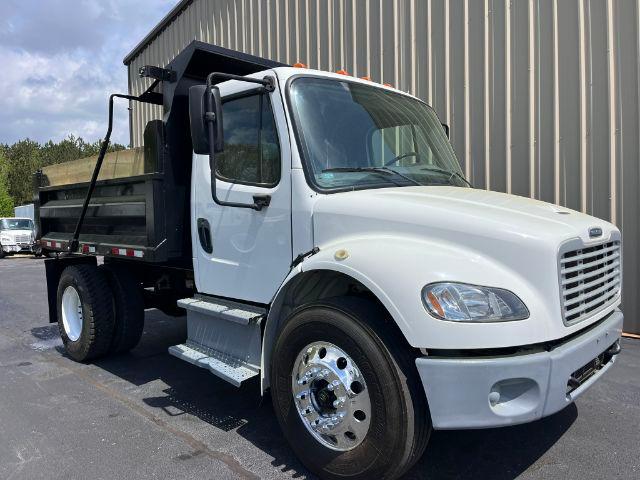
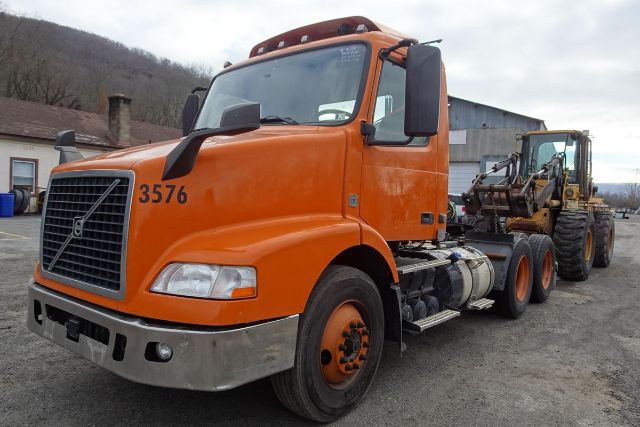
2018 Volvo VNM64T
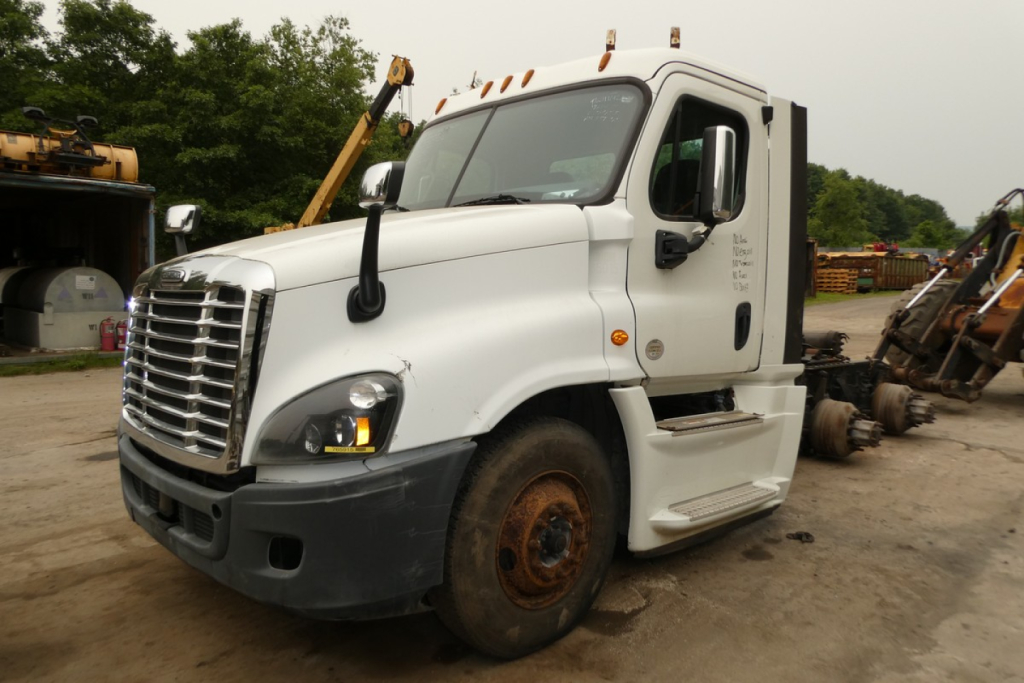
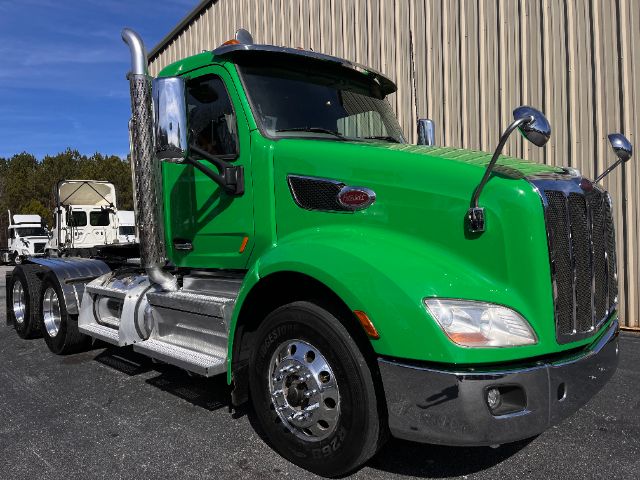
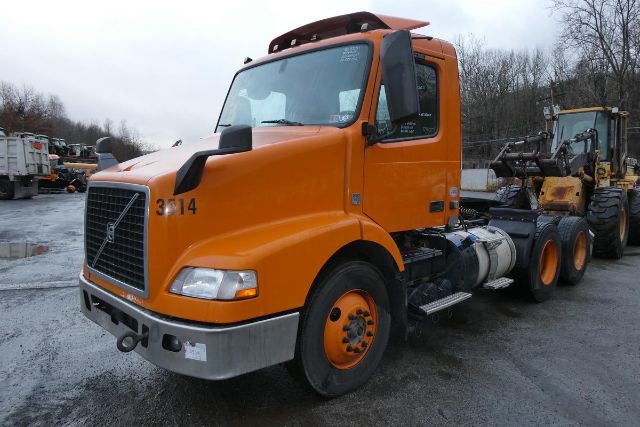
2018 Volvo VNM64T
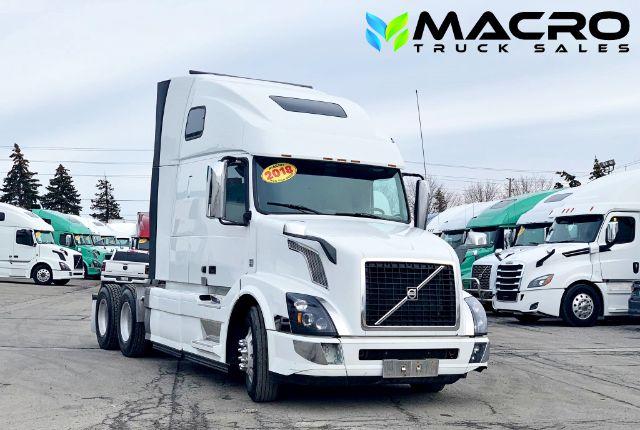
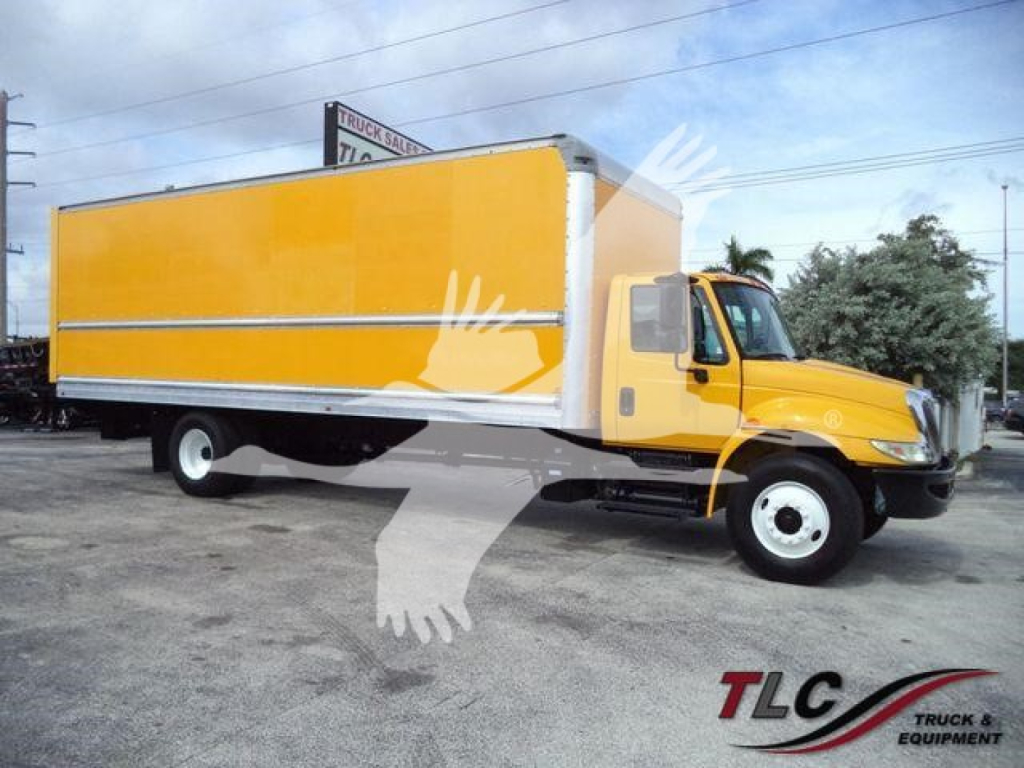
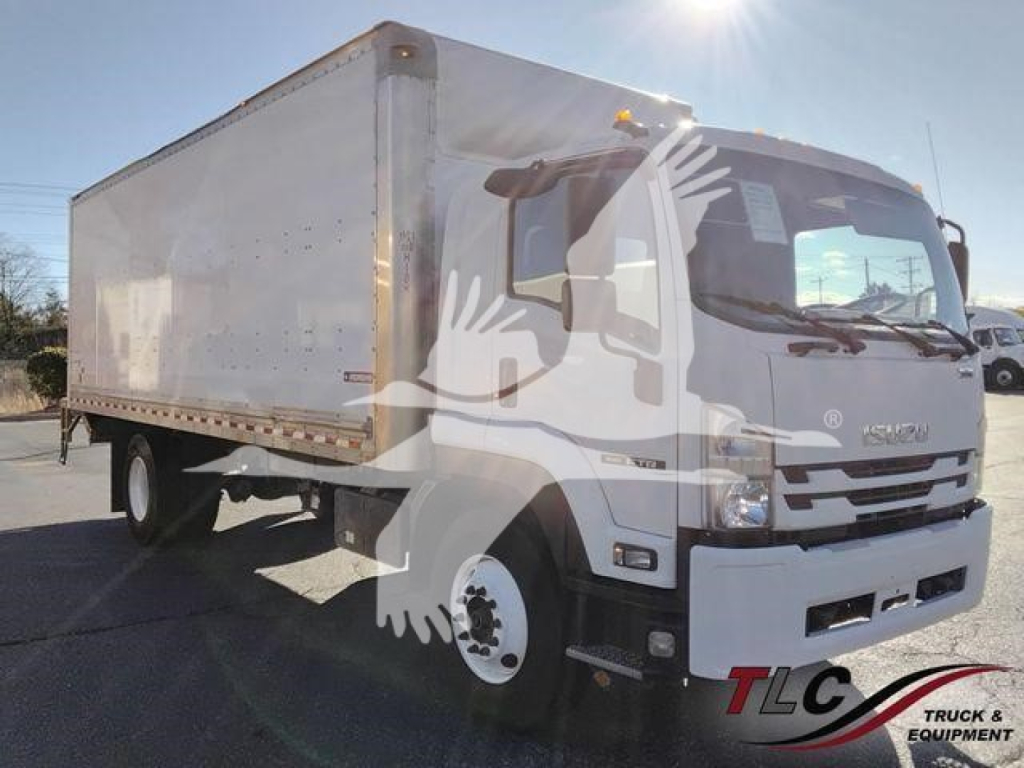

Showing 57 to 84 of 84 results
Selling a used 2018 commercial truck? List your used 2018 commercial truck for sale and reach thousands of commercial buyers.
Used 2018 Commercial Trucks
On 2018 highway trucks, buyers will commonly see engines such as the Detroit DD13 and DD15, Cummins X15 and ISX variants, PACCAR MX-13, and Volvo D13, often paired with 10-speed, 12-speed automated manual, or fully automatic transmissions depending on the application. Popular configurations include tandem axle sleepers with aerodynamic fairings and tall ratios for fuel economy, along with conventional day cabs built for regional freight, drayage, or dedicated routes. Many 2018 models also began showing broader adoption of collision mitigation, lane departure warning, adaptive cruise, disc brakes, and integrated telematics. On used units, these systems should be verified for operation rather than assumed, especially if the truck has high miles or prior fleet service.
A buyer comparing used 2018 trucks should pay close attention to emissions health, maintenance records, and the relationship between mileage and engine hours. DEF systems, DPF service history, injector work, transmission calibration, and aftertreatment fault history matter as much as odometer reading. For tractors, look at wheelbase, fifth wheel type, front axle rating, rear suspension, rear ratio, and whether the truck is set up for van, reefer, flatbed, tanker, or heavier vocational trailer work. For specialty trucks such as ambulances, service bodies, or terminal tractors, body equipment condition, PTO function, hydraulic systems, and title status can be just as important as engine and transmission specs.
The value in a used 2018 truck usually comes from spec discipline. A truck with the right horsepower, gear ratio, and axle package for the route will outperform a cheaper unit that is mismatched to the work. Buyers should also factor in tire size, brake type, cab condition, idle hours, and the cost of catching up deferred maintenance after purchase. When a 2018 truck has a documented service history and a proven vocational or fleet spec, it can still deliver dependable service across regional haul, local distribution, yard operations, and specialized commercial use.
Frequently Asked Questions about Used 2018 Commercial Trucks
What should I check first when buying a used 2018 truck?
Start with the truck’s application, maintenance history, and drivetrain spec. Confirm whether the truck was built for linehaul, regional, local, yard, or specialty service, then review engine hours, odometer miles, aftertreatment service, transmission type, axle ratings, suspension, and wheelbase. A 2018 truck can still be very productive, but deferred maintenance on emissions components, brakes, tires, or suspension can quickly change the real cost of ownership.
Are 2018 trucks a good balance between price and modern features?
Yes, for many buyers 2018 trucks offer a useful middle ground. They are old enough to be priced below newer late-model units, but new enough to commonly include aerodynamic packages, automated manual transmissions, DEF-based emissions systems, and in many cases advanced driver assistance features such as lane departure warning or collision mitigation. The key is confirming that those systems are functioning properly and that the truck’s software and maintenance are up to date.
What engine and transmission combinations are common in used 2018 trucks?
Common 2018 truck powertrains include Detroit DD13 or DD15 engines with DT12 automated manuals, Volvo D13 engines with I-Shift transmissions, PACCAR MX-13 engines with automated transmissions, and Cummins heavy-duty diesel options paired with manual, automated manual, or Allison automatic transmissions depending on the chassis type. Highway tractors typically favor fuel-efficient automated manuals, while yard trucks, emergency units, and some vocational chassis are more likely to use full automatics.
How important are mileage and engine hours on a 2018 used truck?
Both are important, and they should be evaluated together. Mileage helps indicate chassis wear and highway use, while engine hours reveal idle time and low-speed operating intensity. A 2018 truck with moderate miles but very high hours may have seen demanding local or PTO-driven service. A highway tractor with higher miles but reasonable hours and strong maintenance records may be the better buy. ECM data should closely match the dash reading when available.
What specs matter most on a used 2018 tractor?
The most important specs are engine rating, transmission type, rear axle ratio, suspension, wheelbase, front and rear axle capacities, and fifth wheel setup. Those details determine how well the truck will handle the trailer type, payload, terrain, and cruise speed in your operation. A fuel-economy spec with tall gearing may work well for dry van freight on flat lanes, while heavier or more demanding service may require a different ratio, stronger axle package, or a shorter wheelbase for maneuverability.