
Used 2018 Commercial Trucks For Sale in Mississippi
Browse used 2018 trucks for sale in Mississippi, including highway tractors, day cabs, cabovers, and straight trucks for regional and long-haul work.
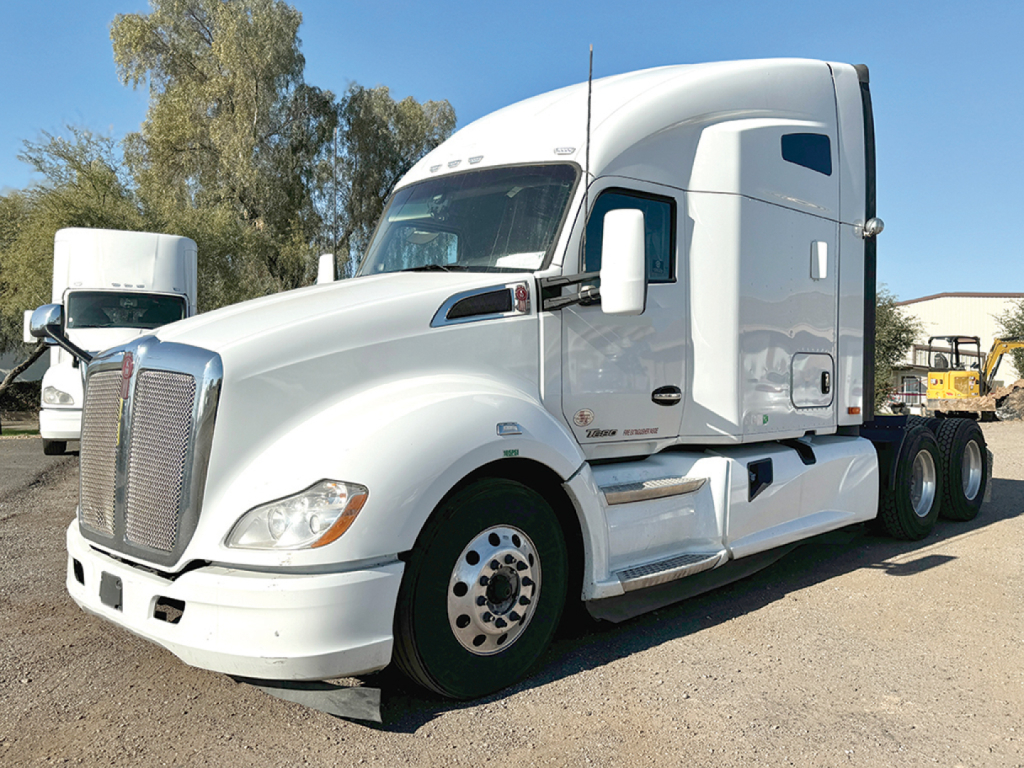
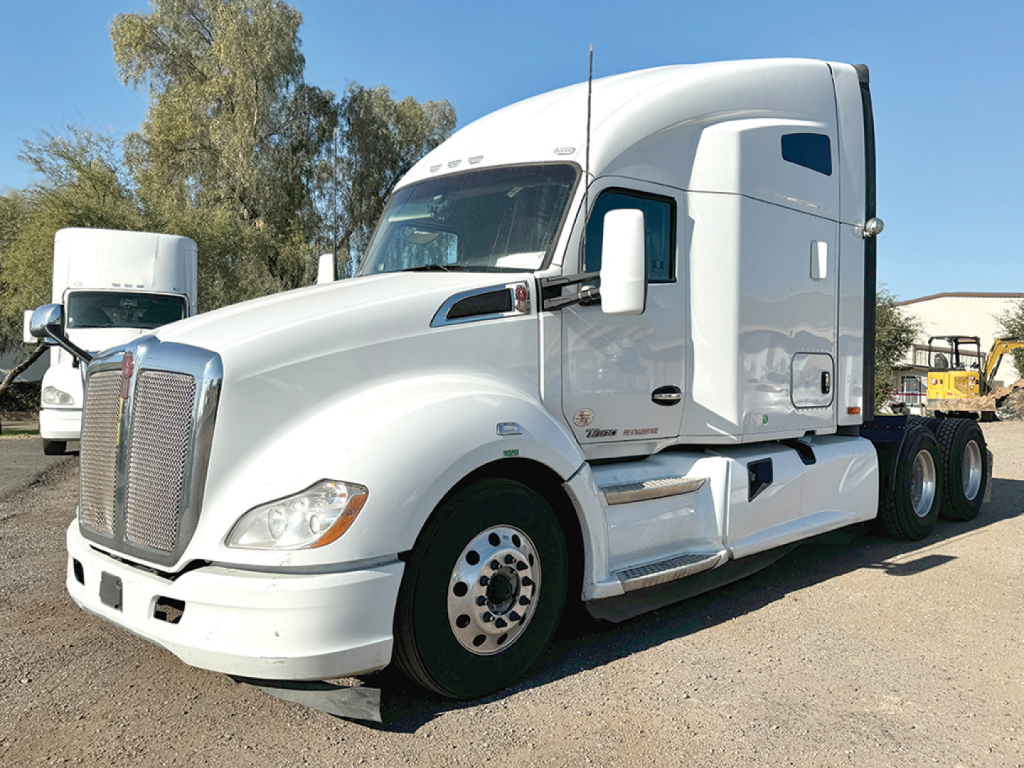
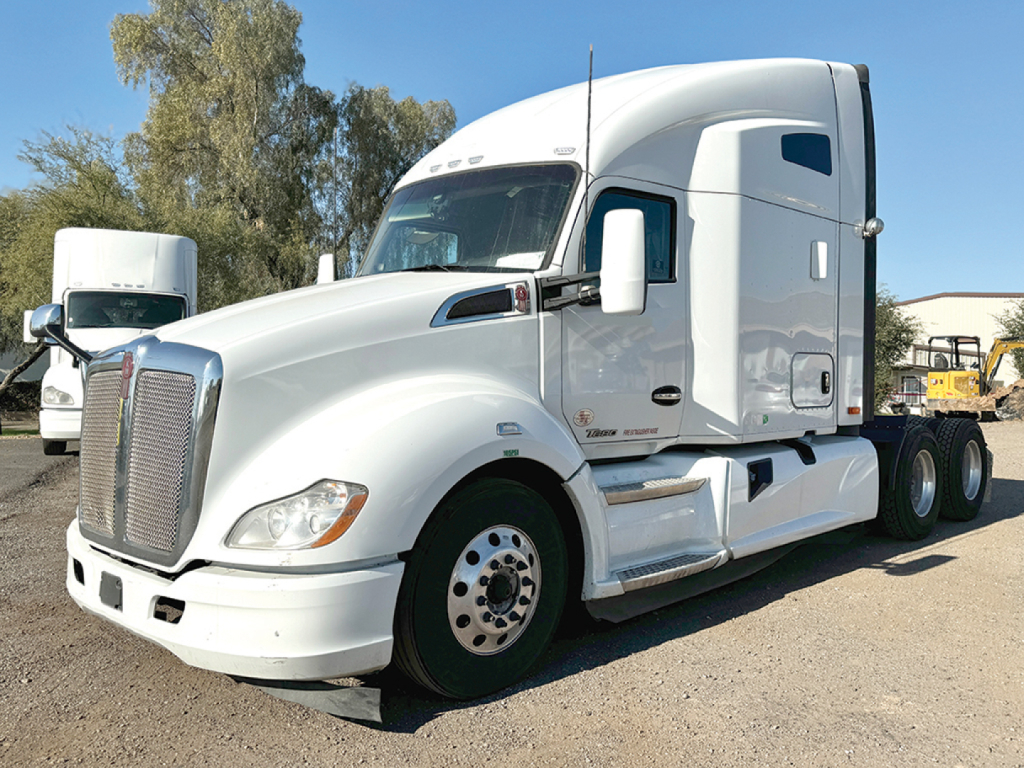
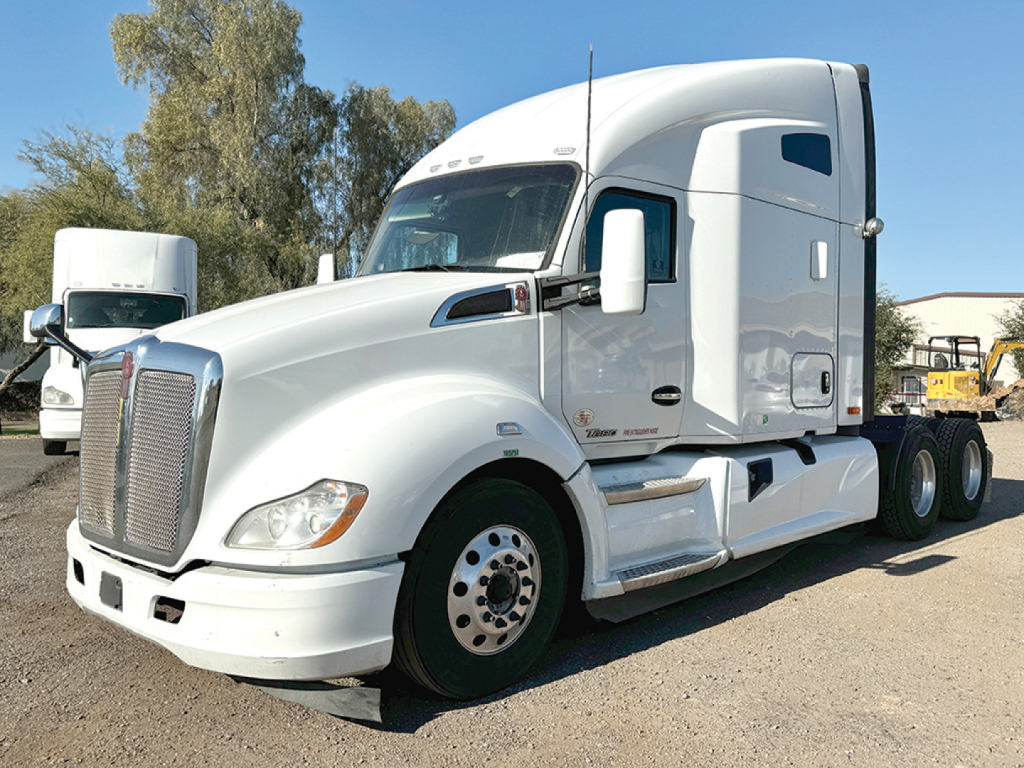
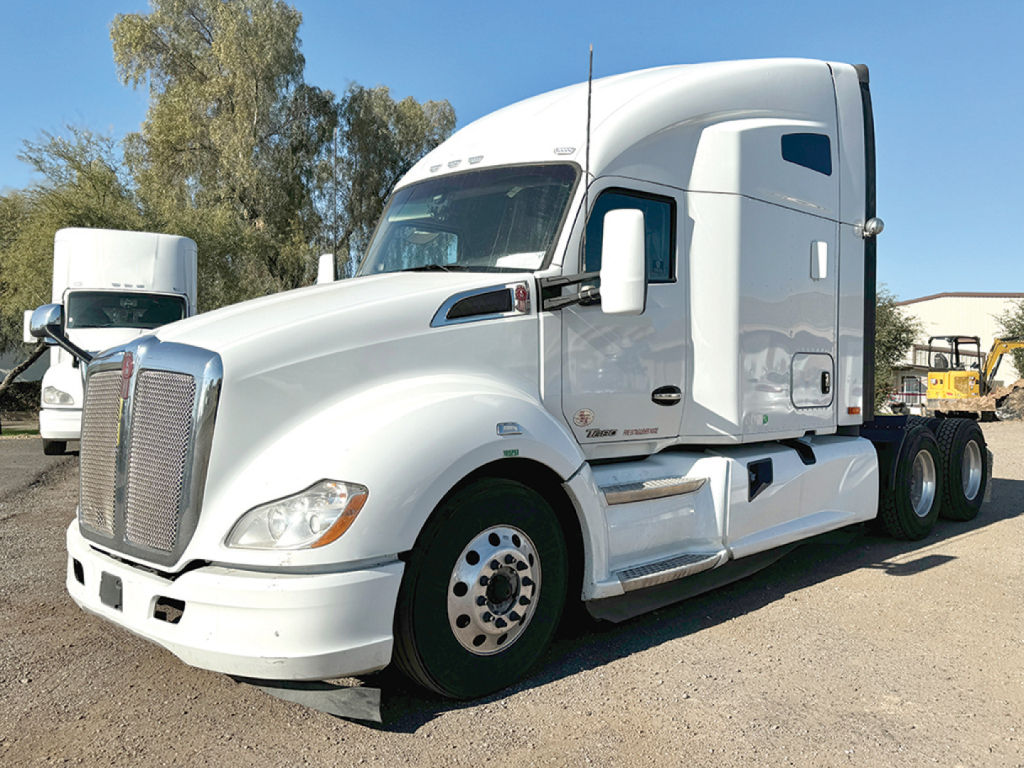
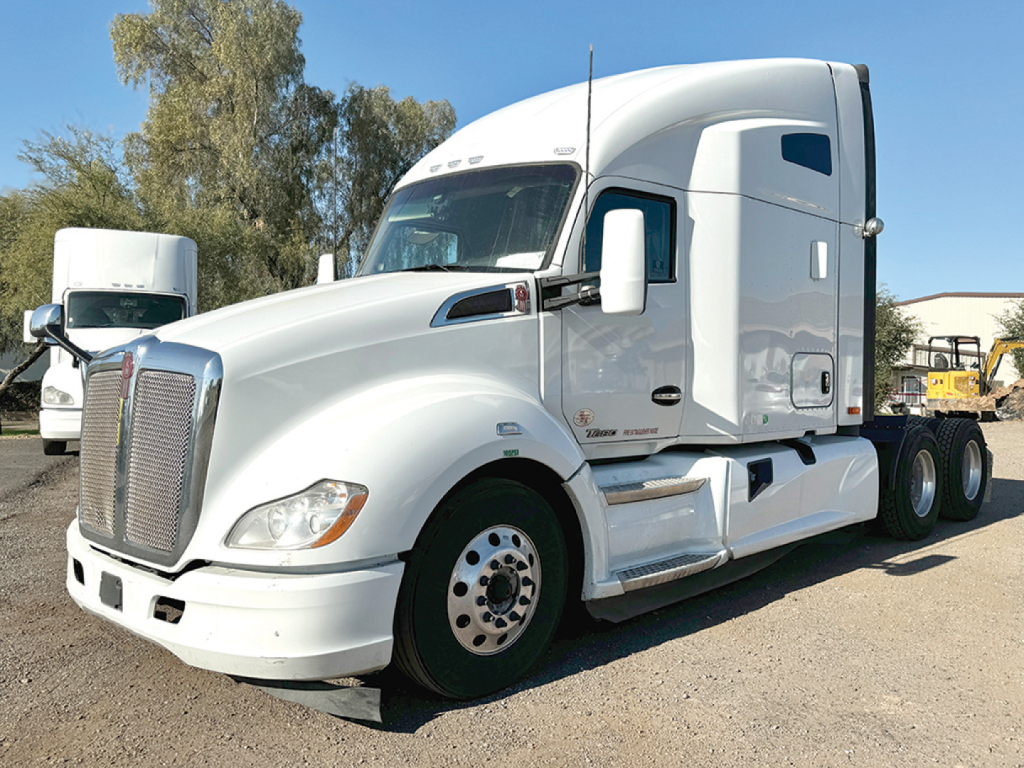
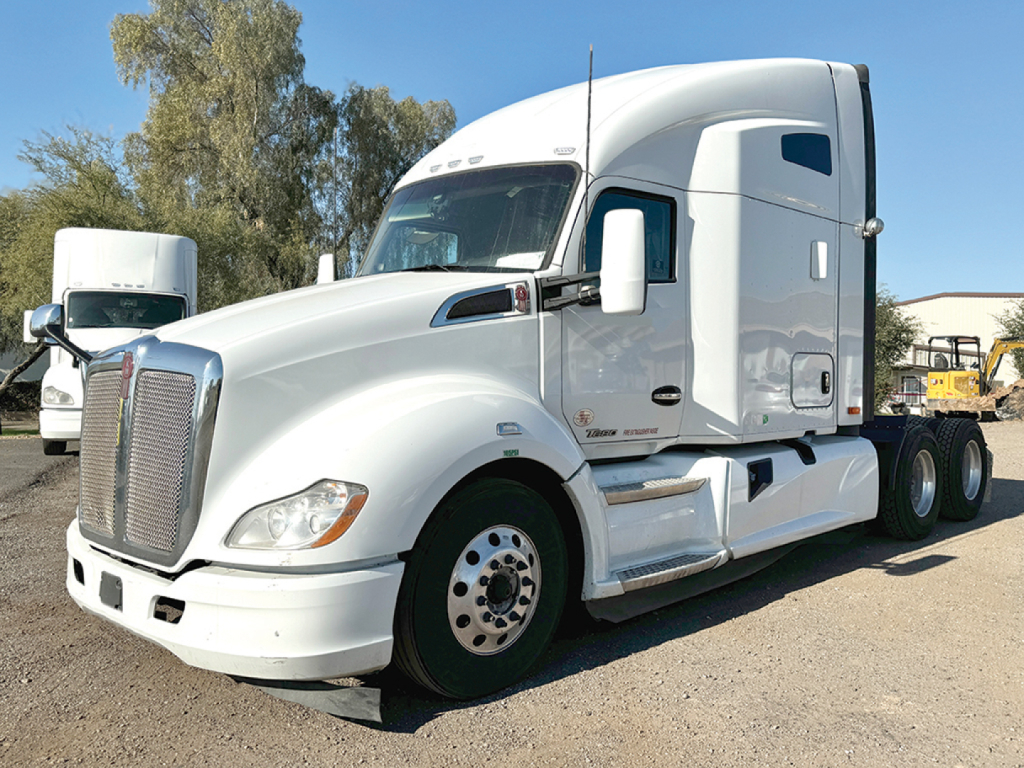
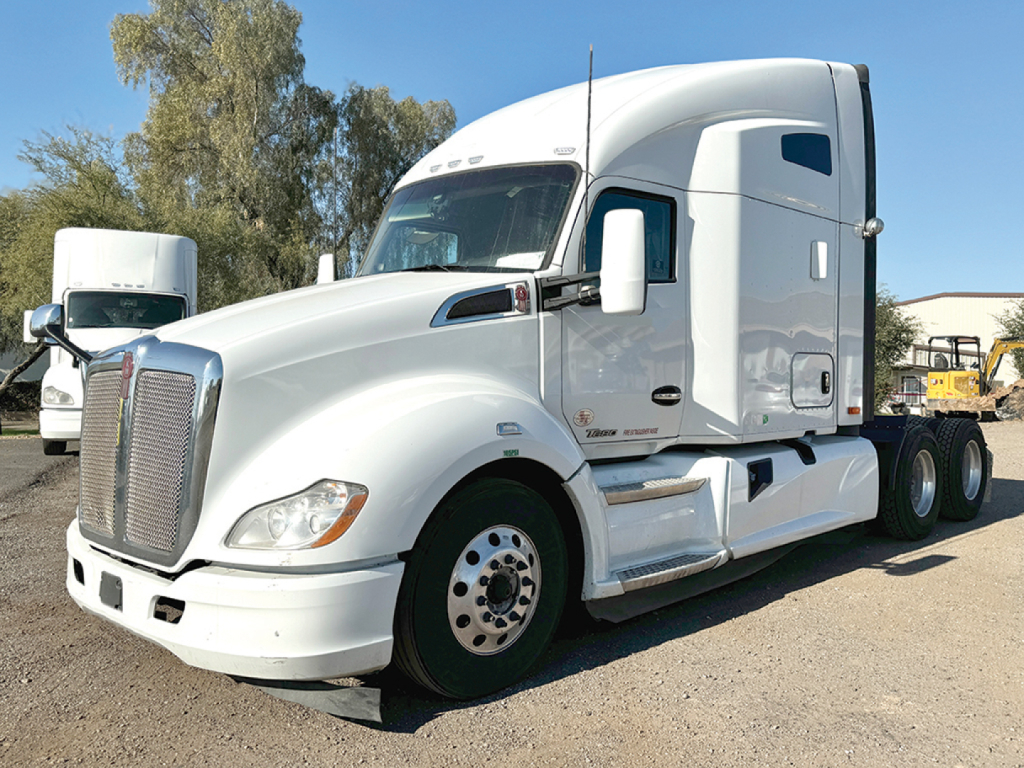
Selling a used 2018 commercial truck? List your used 2018 commercial truck for sale and reach thousands of commercial buyers.
Used 2018 Commercial Trucks in Mississippi
On 2018 model year trucks, emissions and electronics deserve close attention. Buyers should look at documented maintenance for the DPF, SCR, EGR, and related sensors, along with any injector, turbo, or one-box history on diesel units. Transmission calibration, aftertreatment fault history, idle hours, and PTO usage can matter as much as odometer miles. In Mississippi, heat, humidity, and stop-and-go regional work can accelerate wear on cooling systems, HVAC components, suspension bushings, and electrical connections. Rust is often less severe than in northern states, but frame condition, crossmembers, cab mounts, and body corrosion still need inspection, especially on trucks that have seen coastal or heavy vocational service.
Spec differences within 2018 trucks have a direct impact on operating cost. For sleeper and day cab tractors, common decision points include engine rating, rear axle ratio, suspension type, fuel capacity, and fifth wheel setup. Lower numerical ratios generally favor highway fuel economy, while deeper ratios help in heavier regional or vocational service. On straight trucks and cabovers, buyers should pay attention to GVWR, front axle capacity, body length, door configuration, liftgate rating, and inside body condition. Features like scuff liners, E-track, wood or hardwood floors, roll-up doors, and translucent roofs can make a real difference in delivery work. Cabover trucks, also known as COE trucks, remain popular where maneuverability, dock access, and tight urban turning radius matter.
A well-matched used 2018 truck can still be a strong value if the chassis spec aligns with the freight and terrain. For Mississippi operations, that often means balancing highway efficiency with enough cooling, gearing, and suspension capacity for hot weather, mixed secondary roads, and regional haul demands. Focus on service records, engine hours, axle ratings, tire wear patterns, brake condition, and any signs of prior body or frame repair. The best purchase is rarely just the lowest-mile truck. It is the truck with the right vocational spec, clear maintenance history, and a configuration that fits the work without forcing expensive changes after purchase.
Frequently Asked Questions about Used 2018 Commercial Trucks in Mississippi
What should I check first on a used 2018 truck?
Start with the truck’s application, maintenance records, and chassis spec. Confirm the engine, transmission, axle ratio, axle capacity, wheelbase, and suspension match the work you plan to do. Then review service history for aftertreatment repairs, oil sampling if available, transmission work, brake service, and any major engine or drivetrain replacement. A 2018 truck can be a good value, but deferred maintenance on emissions systems, cooling components, or suspension parts can quickly offset a lower purchase price.
Are 2018 trucks in Mississippi a good choice for regional and long-haul work?
Yes, a 2018 truck can still fit regional and long-haul service well if the spec is correct and the maintenance history is solid. Highway tractors from this model year commonly offer modern aerodynamics, automated transmissions, and efficient engine packages that still work well in van, reefer, and flatbed operations. For Mississippi buyers, it is smart to inspect cooling systems, air conditioning performance, and overall driveline condition because hot-weather operation can expose weak points faster than mild climates.
What is the difference between a 2018 day cab, sleeper, cabover, and straight truck?
A 2018 day cab is a conventional tractor without a sleeper and is commonly used in local or regional hauling. A sleeper truck adds a bunk and storage for over-the-road service. A cabover, also called a COE truck, places the cab over the engine for a shorter overall length and tighter turning radius. A straight truck has a permanently mounted body such as a van body, dump body, or service body and is used for pickup and delivery, construction, utility, and other vocational work.
How important are axle ratio and wheelbase on a used 2018 truck?
Axle ratio and wheelbase are critical because they affect performance, fuel economy, maneuverability, and body or trailer compatibility. A taller highway ratio can improve cruise RPM and fuel mileage, while a deeper ratio can help with heavier loads, starts, and gradeability. Wheelbase influences turning radius, bridge law positioning, and how the truck fits a van body, fifth wheel setting, or specialized equipment. Buyers often focus on engine make and miles first, but a bad wheelbase or ratio choice can create operating problems every day.
Do miles matter more than engine hours on a used 2018 truck?
Neither should be looked at alone. Odometer miles show total road use, but engine hours tell you how much the truck has spent idling, operating PTO equipment, or working at low speed. A truck with moderate miles and very high hours may have more engine wear than the odometer suggests. On a 2018 truck, the best approach is to compare miles, hours, service records, fault history, and visible wear together to get a clearer picture of how the truck was actually used.