
Used 2018 Conventional Sleeper Trucks For Sale in Mississippi
Browse used 2018 conventional sleeper trucks in Mississippi. Compare specs, sleeper sizes, powertrain options, and long-haul features.
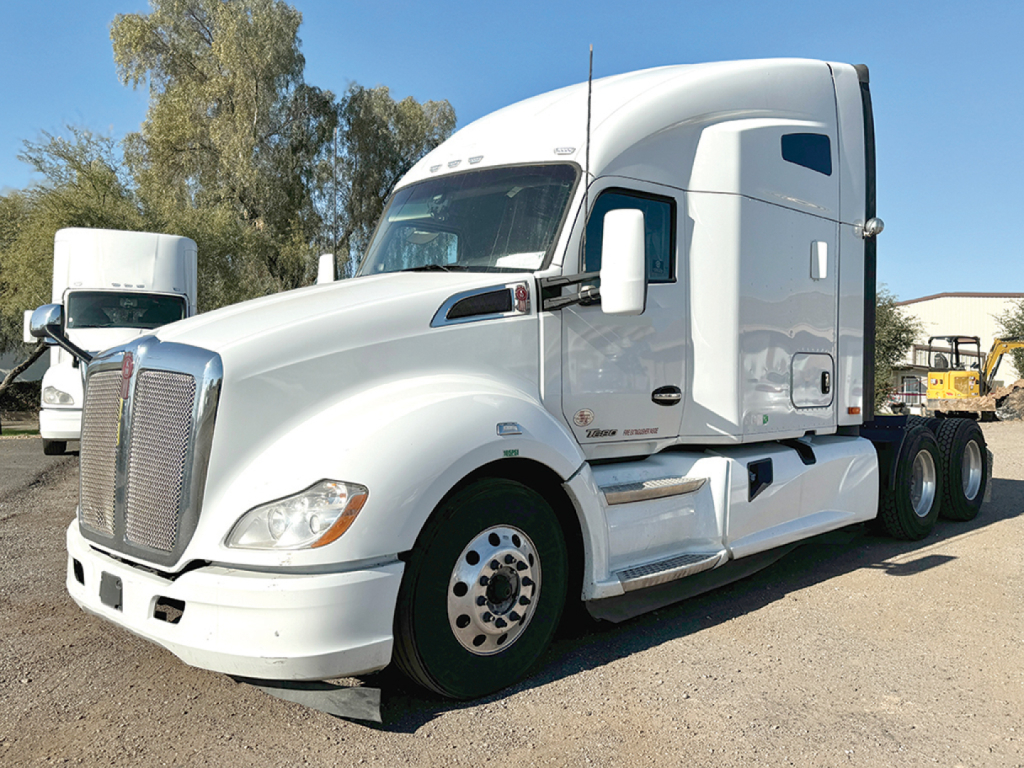
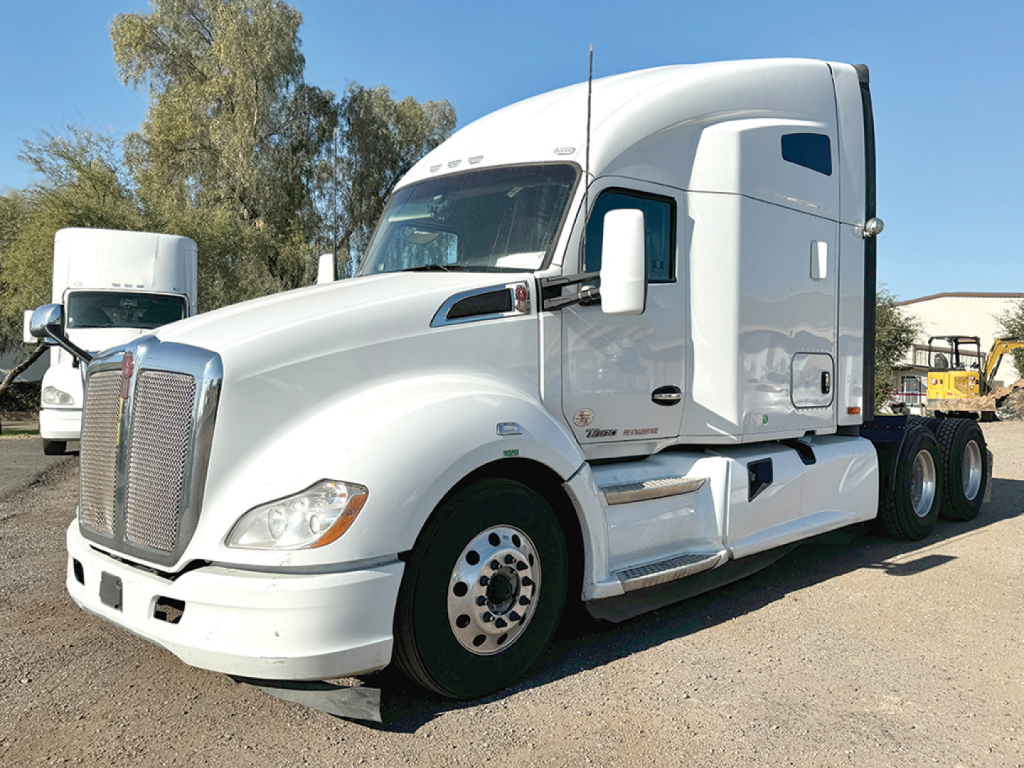
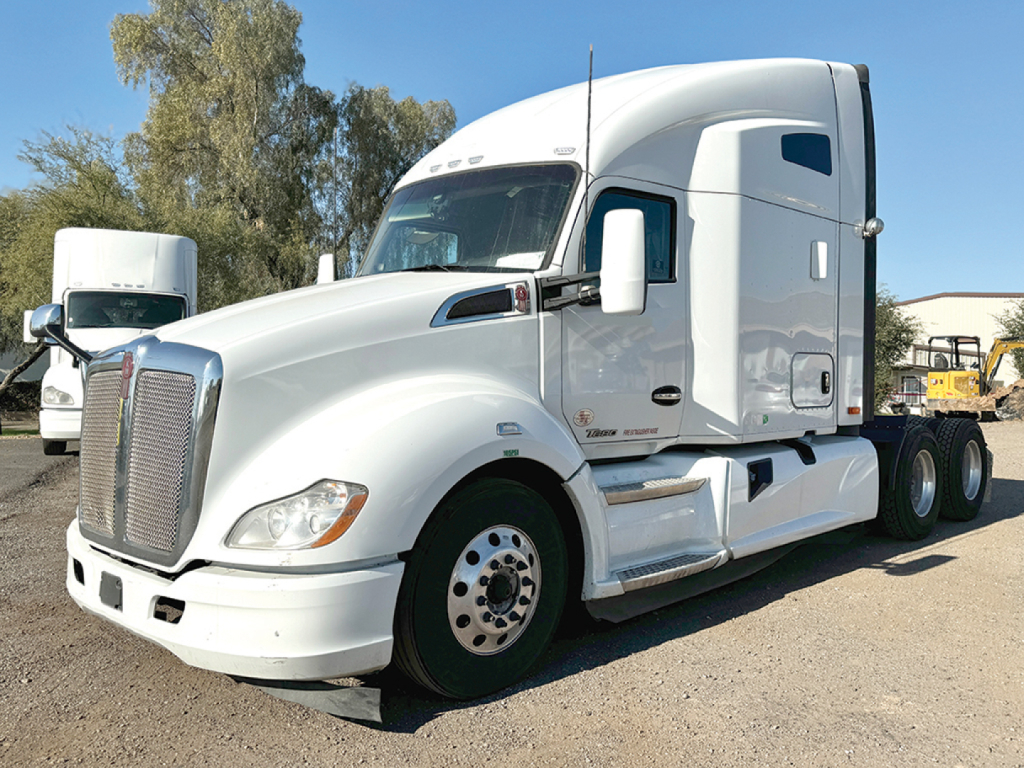
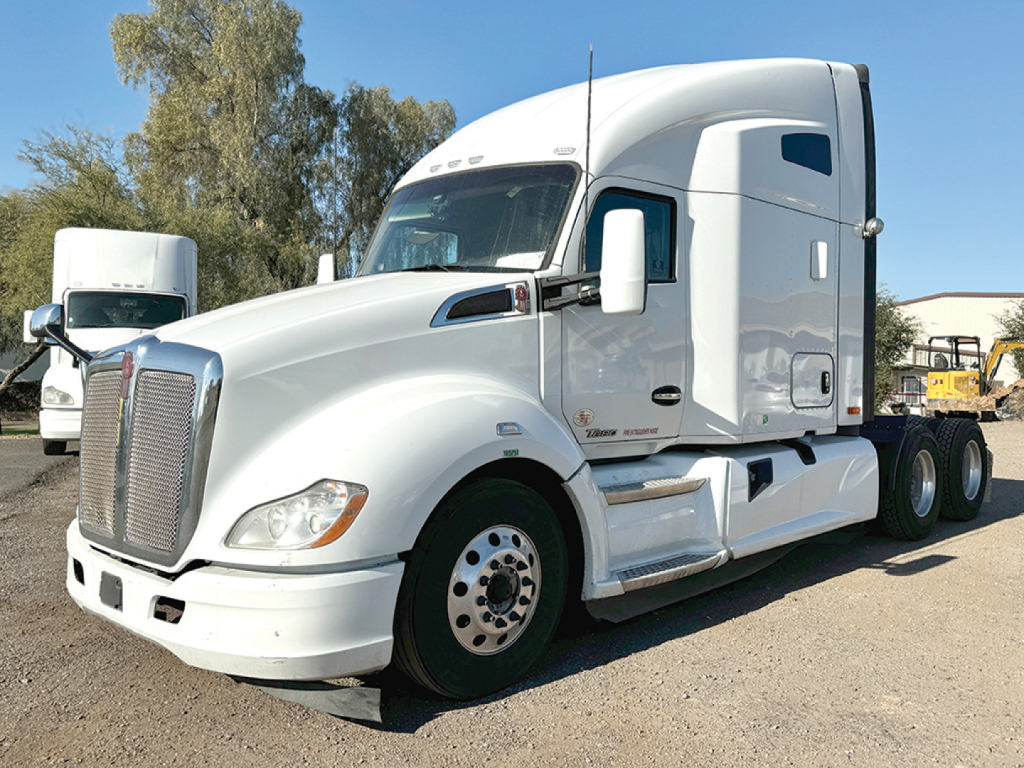
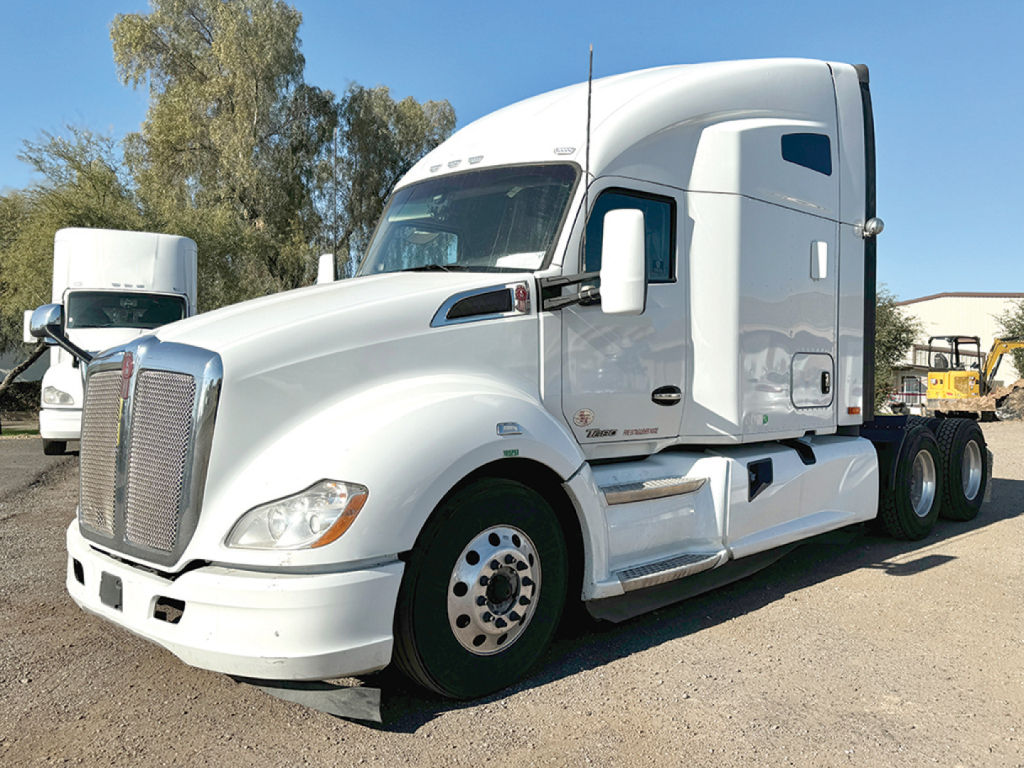
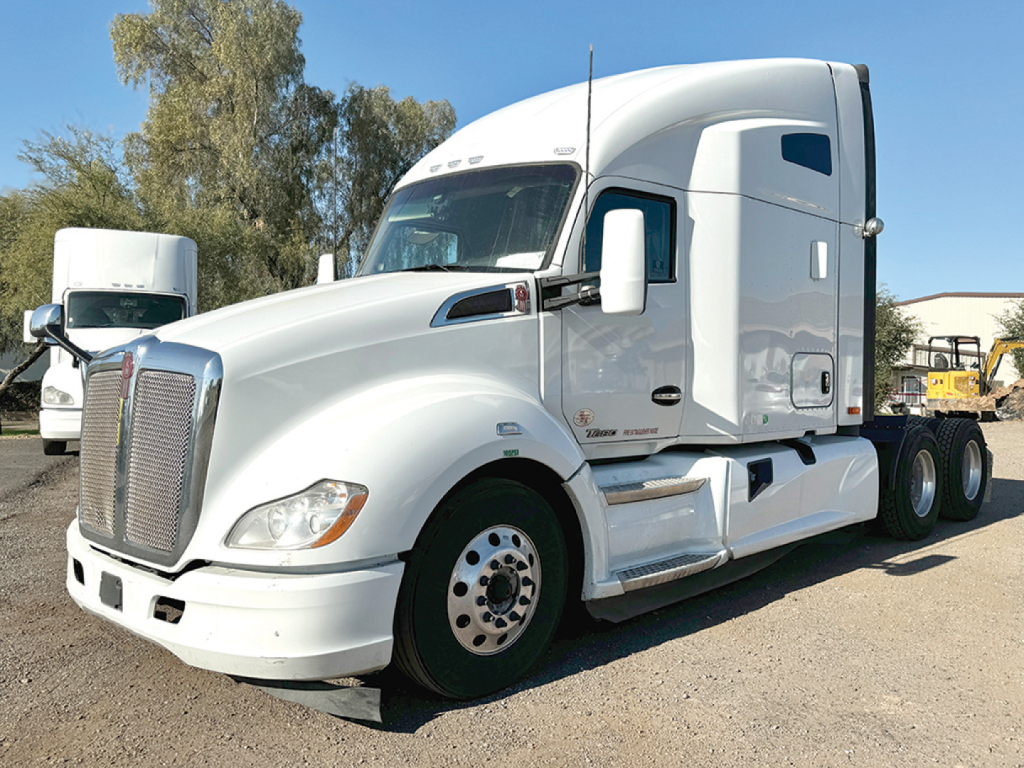
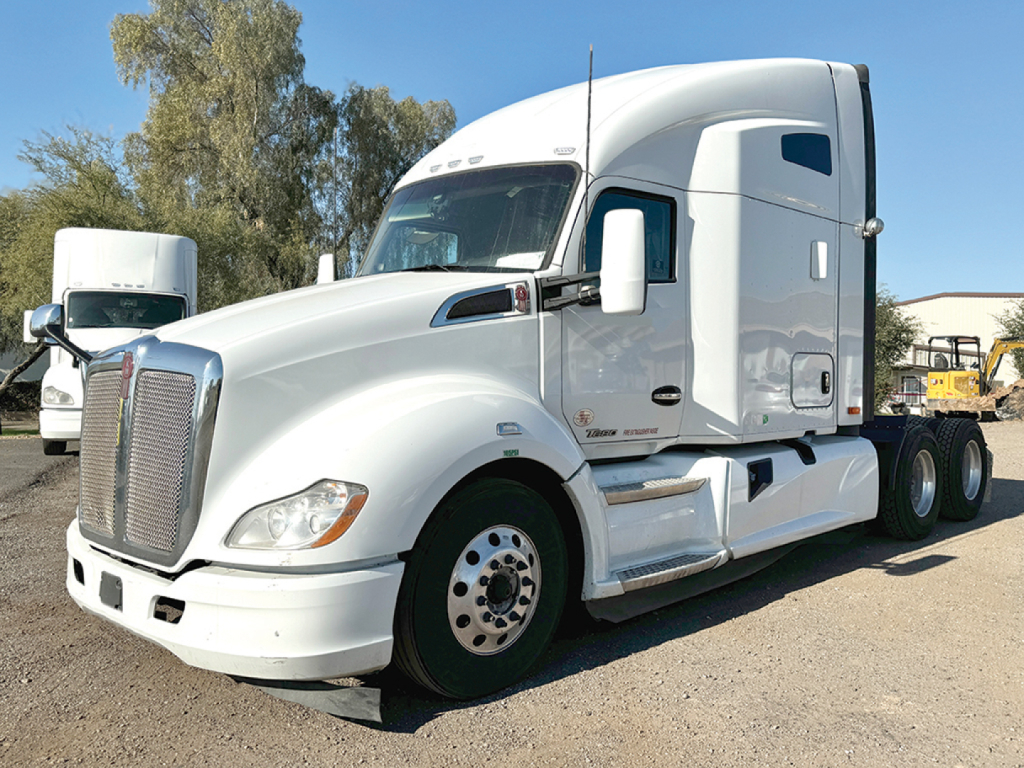
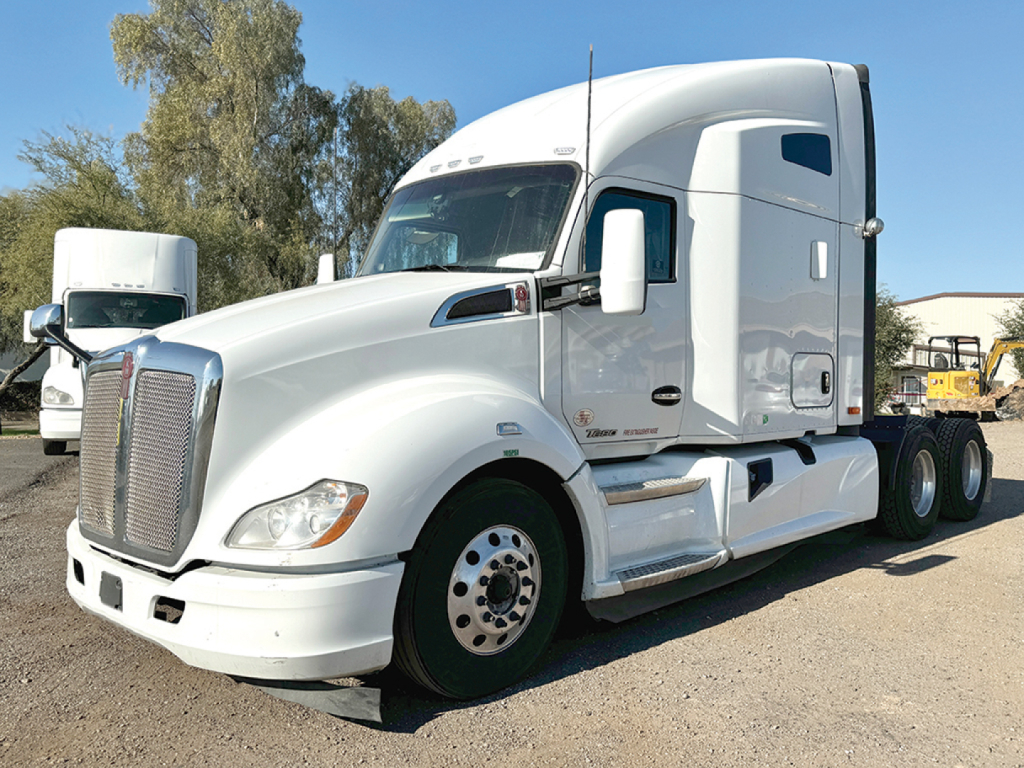
Selling a used 2018 conventional sleeper truck? List your used 2018 conventional sleeper truck for sale and reach thousands of commercial buyers.
Used 2018 Conventional Sleeper Trucks in Mississippi
The biggest buying decisions usually start with the sleeper and the powertrain. Most 2018 conventional sleepers in this segment carry a mid-roof or raised-roof sleeper in the 60-inch to 80-inch range, with common features such as a single or double bunk, bunk heater, storage cabinets, inverter prep, and stationary HVAC options. Engine ratings often fall between 400 and 500 horsepower, paired with automated manual transmissions or traditional 10, 12, 13, or 18-speed manuals depending on application. Rear axle ratings are commonly 40,000 pounds, and buyers should pay attention to axle ratio, wheelbase, and 5th wheel travel because those specs directly affect fuel mileage, trailer compatibility, and maneuverability.
For linehaul work, aerodynamic models from Freightliner, Volvo, Peterbilt, Kenworth, International, and Mack usually appeal to buyers focused on fuel burn and driver retention. A 2018 truck may also offer safety and efficiency upgrades that older sleepers often lack, including collision mitigation systems, adaptive cruise features, integrated powertrain management, and disc brake availability. Condition matters more than brand name alone. Service records, DPF and SCR history, engine brake performance, transmission calibration, suspension wear, and signs of excessive idle time all deserve a close look. On used sleeper tractors, interior wear in the bunk, seat base, and dash switchgear often tells you as much about prior use as the odometer does.
Mississippi buyers should also consider operating environment and body spec. A fleet truck geared for van and reefer freight may have a lighter spec with fairings, low-profile tires, and faster rears, while a heavier vocational or specialized haul sleeper may carry a longer wheelbase, larger engine, and deeper gearing. Aluminum wheels, dual fuel tanks, air ride suspension, sliding 5th wheels, and full fairing packages are common on highway units and worth comparing across listings. The best used 2018 conventional sleeper truck is the one whose mileage, maintenance history, emissions health, and cab configuration match the freight you actually run.
Frequently Asked Questions about Used 2018 Conventional Sleeper Trucks in Mississippi
What is a conventional sleeper truck?
A conventional sleeper truck is a road tractor with a standard long-hood cab design and a built-in sleeping compartment behind the driver seats. It is designed for over-the-road and regional freight where drivers need rest space, onboard storage, and better living comfort than a day cab provides. In the used market, conventional sleepers are commonly spec'd for van, reefer, flatbed, tanker, and other tractor-trailer applications.
What should I check first on a used 2018 conventional sleeper?
Start with maintenance history, engine hours, idle time, and emissions system service records. A 2018 model will typically have a DPF, SCR, and DEF-equipped aftertreatment system, so buyers should review any prior injector, one-box, sensor, or regen-related repairs. After that, inspect the transmission operation, rear axle ratio, tire wear pattern, suspension condition, 5th wheel wear, and the sleeper interior for signs of hard fleet use or poor driver care.
Is a 2018 sleeper truck a good year for long-haul work?
For many buyers, 2018 is a strong value point because it is new enough to offer modern aerodynamics, updated automated transmissions, and improved driver amenities, but old enough to be priced below late-model trucks. It can be a very good fit for long-haul work if the truck has been maintained correctly and the spec matches the intended freight. Fuel economy, wheelbase, horsepower, sleeper size, and axle ratio should all be evaluated against the lanes and gross weights the truck will actually run.
What sleeper size is most common on conventional highway tractors?
Many conventional highway sleepers fall into the 60-inch to 80-inch range, with 70-inch and 72-inch raised-roof sleepers being especially common. That size usually provides enough room for a bunk, storage, and stand-up space in many configurations without making the truck overly specialized. The right sleeper size depends on haul length, team operation versus solo driving, and how much onboard storage or hotel-load equipment is needed.
Why do axle ratio and wheelbase matter on a sleeper tractor?
Axle ratio and wheelbase have a direct effect on performance, fuel economy, and trailer application. Faster rear ratios are generally preferred for highway fuel mileage, while deeper ratios may be better for heavy haul or more demanding terrain. Wheelbase affects ride quality, turning radius, and how the tractor works with different trailer lengths and kingpin settings, so it is an important spec to match to the freight, docks, and roads the truck will see.