
Used 2018 Pickup 4wd Trucks For Sale
Shop used 2018 4WD pickup trucks, including light-duty and heavy-duty models built for towing, snow work, service use, and off-road traction.
Looking for the easiest place to sell your used 2018 pickup 4wd truck? List it here to reach thousands of buyers.
Used 2018 Pickup 4wd Trucks
The biggest buying decision is usually duty rating and powertrain. A 2018 4x4 half-ton pickup is often the better fit for mixed personal and business use, lighter trailers, and higher daily mileage. A 2018 three-quarter-ton or one-ton 4WD pickup is typically the better tool for heavier bumper-pull trailers, slide-in equipment, snowplows, and bed-mounted service bodies. Gas V8 engines remain popular for simpler maintenance and lower upfront cost, while diesel options are still favored by buyers who tow frequently or run heavier gross combined weights. Transmission type, axle ratio, transfer case operation, and factory tow package details all matter because they influence launch feel, highway rpm, and real-world towing performance more than badge alone.
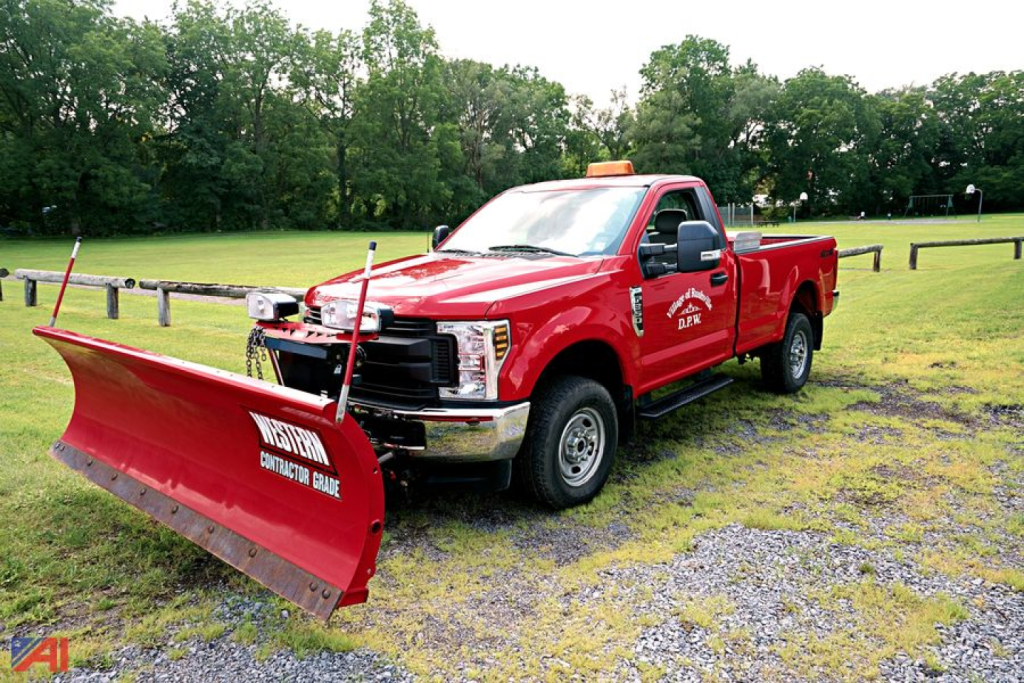
For used 2018 pickup 4WD trucks, condition checks should go beyond normal cosmetic wear. Buyers should inspect the front suspension, steering components, hubs, U-joints, transfer case engagement, and evidence of hard plow or off-road use. Rust at cab corners, rocker panels, bed supports, frame sections, and brake or fuel lines is especially important in snow-belt regions. If the truck has a plow mount, ladder rack, liftgate, gooseneck ball, or fifth-wheel prep, confirm how that equipment was used and whether it affected frame, wiring, or front axle wear. Tire size, spring setup, and any aftermarket lift or leveling kit should also be reviewed carefully because modifications can change alignment, towing stability, and ride quality.
A strong 2018 used 4WD pickup should match its intended job before it matches its trim level. Payload sticker, GVWR, rear axle rating, bed length, hitch rating, and cab configuration are the specs that usually decide long-term satisfaction. Buyers using these trucks for snow removal may prioritize front GAWR and charging system capacity, while towing-focused buyers should verify conventional tow rating, integrated trailer brake controller, tow mirrors, and cooling package. For general fleet use, simpler trims with proven gas engines, steel wheels, and fewer electronic options can be easier to standardize and maintain. For owner-operators or mixed-use buyers, comfort features may matter more, but the core value in this category is still traction, usable capacity, and a chassis that fits the work.
Frequently Asked Questions about Used 2018 Pickup 4wd Trucks
What should I look for first when buying a used 2018 4WD pickup truck?
Start with the truck’s actual work rating, not the trim badge. Verify GVWR, payload sticker, axle ratings, bed length, cab style, and towing equipment before comparing cosmetic features. On a used 2018 4WD pickup, buyers should also inspect transfer case operation, front differential condition, steering and suspension wear, rust, brake line condition, and signs of plow, off-road, or heavy trailer use.
Is a 2018 half-ton 4WD pickup enough, or should I move up to a 2500 or 3500 series truck?
A half-ton 4WD pickup is usually enough for lighter trailers, general contractor work, and mixed daily driving, but heavier towing and payload demands often push buyers into a 2500 or 3500 series truck. If the truck will carry a plow, haul palletized material, support a service body, or tow equipment regularly, the heavier chassis usually offers better suspension capacity, braking margin, and drivetrain durability. The right answer depends on actual loaded trailer weight and bed payload, not just engine size.
Are gas or diesel engines better in a used 2018 4WD pickup?
Gas engines are often the practical choice for lower annual mileage, shorter trips, and buyers focused on simpler maintenance and lower purchase cost. Diesel engines generally make more sense for frequent towing, higher combined weights, and long-distance highway use where torque and fuel efficiency under load matter more. On a used truck, service history is critical because a well-maintained gas or diesel powertrain is usually a better buy than a neglected engine of either type.
Do plow-equipped used 4WD pickups require extra inspection?
Yes. A plow truck should be inspected for front axle wear, suspension sag, steering play, frame stress, wiring repairs, charging system condition, and corrosion from winter salt exposure. Buyers should also check for transmission heat-related wear, transfer case performance, and uneven tire wear caused by front-end loading. A properly maintained plow truck can still be a useful buy, but it needs a more careful mechanical inspection than a lightly used pickup.
What features matter most for towing in a 2018 4WD pickup truck?
The most important towing features are axle ratio, factory tow package, trailer brake controller, receiver rating, cooling package, tow mirrors, and the truck’s payload and rear axle capacity. Bed length and cab configuration also affect trailer stability and usable hitch setup, especially with heavier bumper-pull or gooseneck loads. Buyers should confirm the exact tow ratings from the manufacturer data for that specific truck configuration because engine, axle, cab, and drivetrain combinations can change capacity significantly.