
Used 2018 Rolloff Trucks For Sale
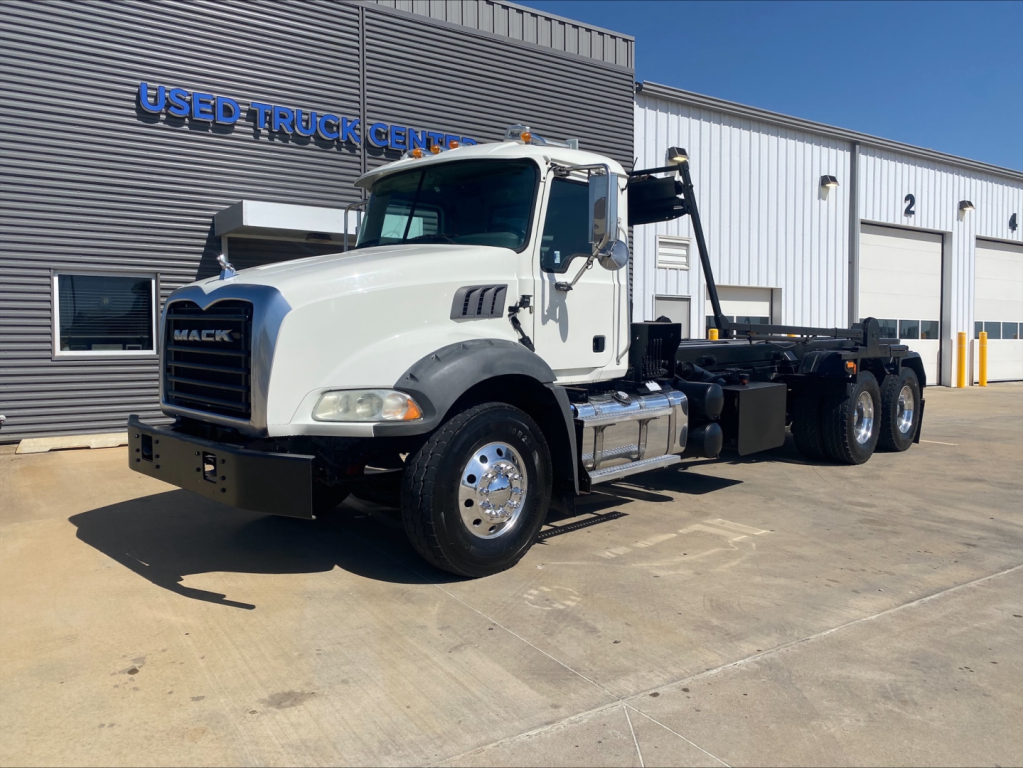
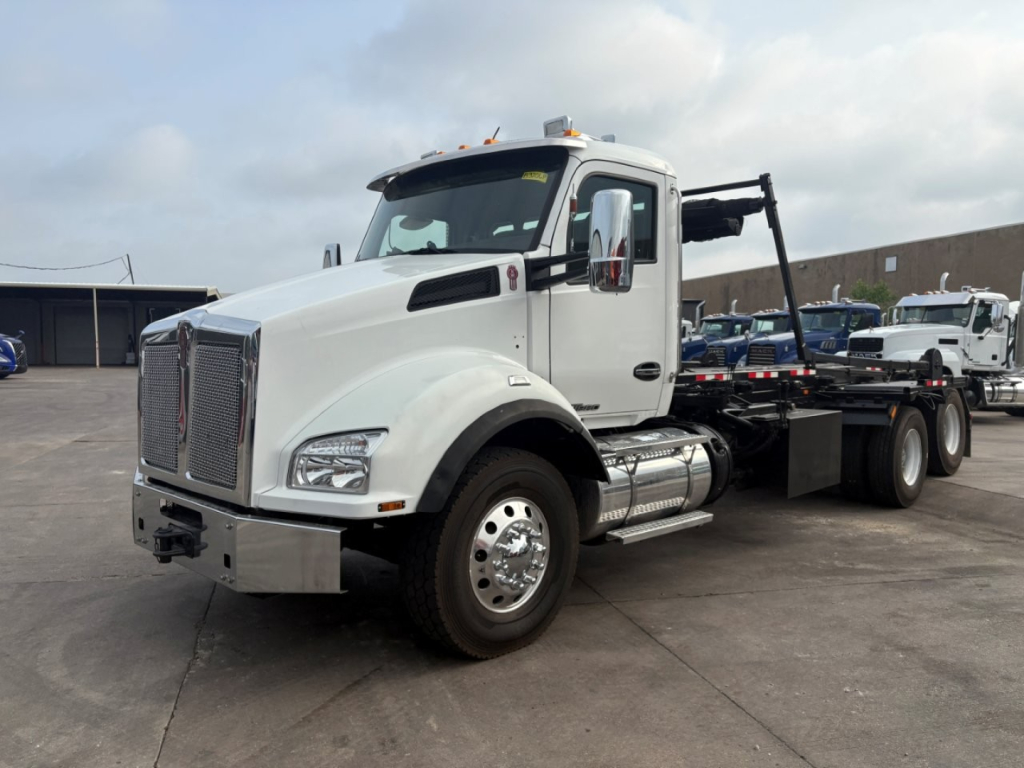
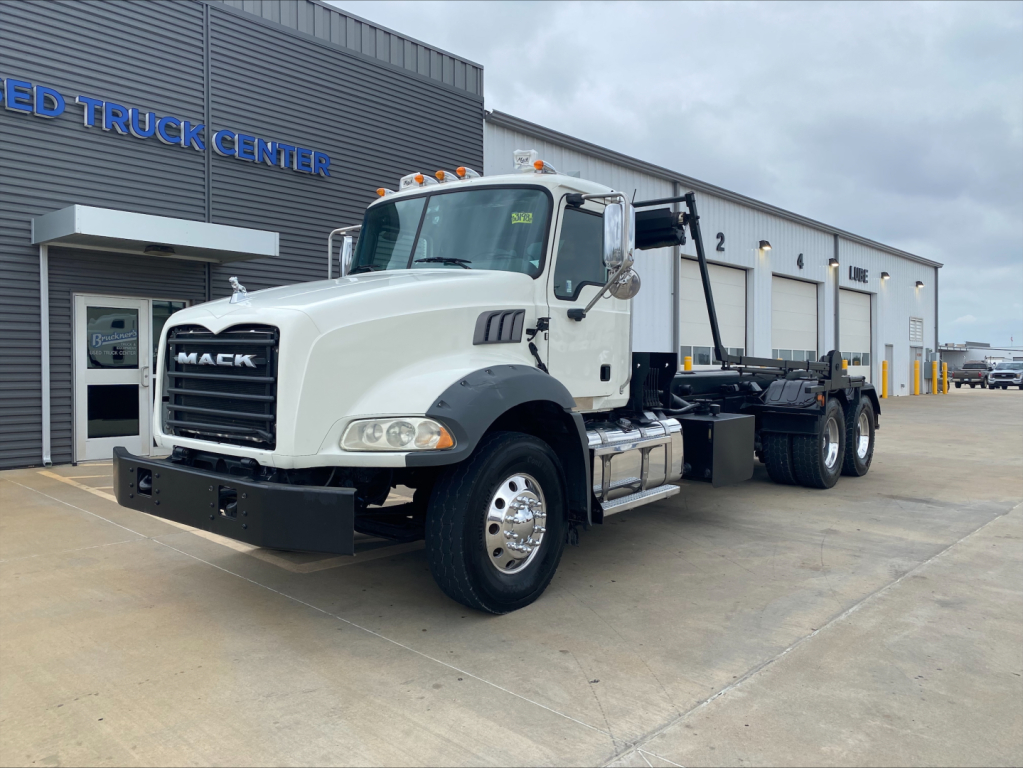
Have used 2018 rolloff truck to sell? List it here to reach thousands of buyers.
Used 2018 Rolloff Trucks
Most 2018 rolloff trucks are built to handle 20-yard to 30-yard cans, with heavier specs available for 40-yard containers and dense loads like scrap, concrete, roofing tear-off, or mixed C&D. Hoist ratings often fall in the 50,000 lb to 75,000 lb class, and gross vehicle weight ratings commonly land around 54,000 lb to 66,000 lb depending on axle ratings and suspension. Look closely at cable or hook compatibility, rail width, inside and outside frame condition, and whether the truck has a tarping system already installed. Auto tarpers, pintle hitches, backup cameras, lift axles, and high-lift tailgate configurations can materially change how useful a rolloff truck is in daily service.
A 2018 model also deserves careful attention to emissions and hydraulic service history. Verify engine hours against idle-heavy duty cycles, confirm PTO engagement is smooth, and inspect hoist pins, rollers, bushings, cylinder packing, and crossmember condition. On a rolloff, frame integrity matters as much as drivetrain health because these trucks spend their lives twisting under load and backing into uneven job sites. Rust around the hoist rails, stress cracking near the tail section, and wear at container contact points are more important than cosmetic cab flaws. Suspension type, rear ratio, and wheelbase should also line up with your route and terrain. A short wheelbase can improve maneuverability in urban alleys and transfer stations, while a longer wheelbase may track better with larger cans.
For buyers comparing used 2018 rolloff trucks for sale, the best value usually comes from a truck with a well-documented hoist, a clean double-frame or reinforced single-frame setup, and axle ratings that leave legal payload in your state. It also helps to confirm container style, hook height or cable setup, and body manufacturer support before purchase. Rolloff trucks are also referred to as roll-off trucks or dumpster trucks, but the real distinction is application: waste hauling, recycling, scrap service, demolition debris, and container delivery all place different demands on the same chassis. A strong 2018 spec should balance legal payload, hydraulic speed, durability, and cab comfort well enough to stay productive on short-haul vocational work.
Frequently Asked Questions about Used 2018 Rolloff Trucks
What should I look for first on a used 2018 rolloff truck?
Start with the hoist and the frame, not the paint. Check hoist capacity, rail condition, cylinder leaks, pin and bushing wear, PTO operation, and any signs of frame cracking or heavy corrosion around stress points. Then confirm axle ratings, wheelbase, and suspension match the container sizes and materials you plan to haul. A clean drivetrain matters, but on a rolloff truck the hydraulic and structural condition often determines how expensive the truck will be to own.
What container sizes can a 2018 rolloff truck typically handle?
Many 2018 rolloff trucks are set up for 20-yard, 30-yard, and 40-yard containers, but actual compatibility depends on hoist design, rail length, wheelbase, and local weight limits. A truck may physically load a large container but still be poorly matched for dense material if axle ratings or hoist capacity are too light. Buyers should verify container length range, hook or cable setup, and the truck's legal payload in the states where it will operate.
Are 2018 rolloff trucks usually hooklift or cable hoist units?
Most trucks described as rolloff trucks are traditional cable hoist units, though some buyers also cross-shop hooklift trucks because both handle containers. A cable rolloff is common in waste, demolition, and scrap applications where standard rolloff cans are used every day. Hooklift systems offer more body flexibility, but they require compatible bodies and different operating considerations. The right choice depends on the containers already in your fleet and the type of jobs you run.
How important is wheelbase on a rolloff truck?
Wheelbase has a direct effect on maneuverability, load distribution, and the container lengths the truck can safely handle. Shorter wheelbase trucks are easier to place in alleys, tight transfer stations, and urban jobsites, while longer wheelbase trucks can offer better stability with larger containers. The wrong wheelbase can limit your body setup or make the truck awkward on your routes, so it should be evaluated alongside hoist geometry and axle placement.
Is a used 2018 rolloff truck a good balance between price and modern specs?
For many vocational buyers, yes. A 2018 model is new enough to offer modern cab ergonomics, later-generation diesel engines, and commonly available parts support, but old enough to avoid the premium attached to newer low-mileage trucks. The value depends on service records, hydraulic condition, and how the truck was used. A fleet-maintained 2018 rolloff with documented repairs can be a better buy than a newer truck with poor vocational service history.