
Used 2018 Commercial Trucks For Sale in New Jersey
Browse used 2018 trucks for sale in New Jersey, including day cabs, sleepers, box trucks, wreckers, pickups, and cab and chassis models.
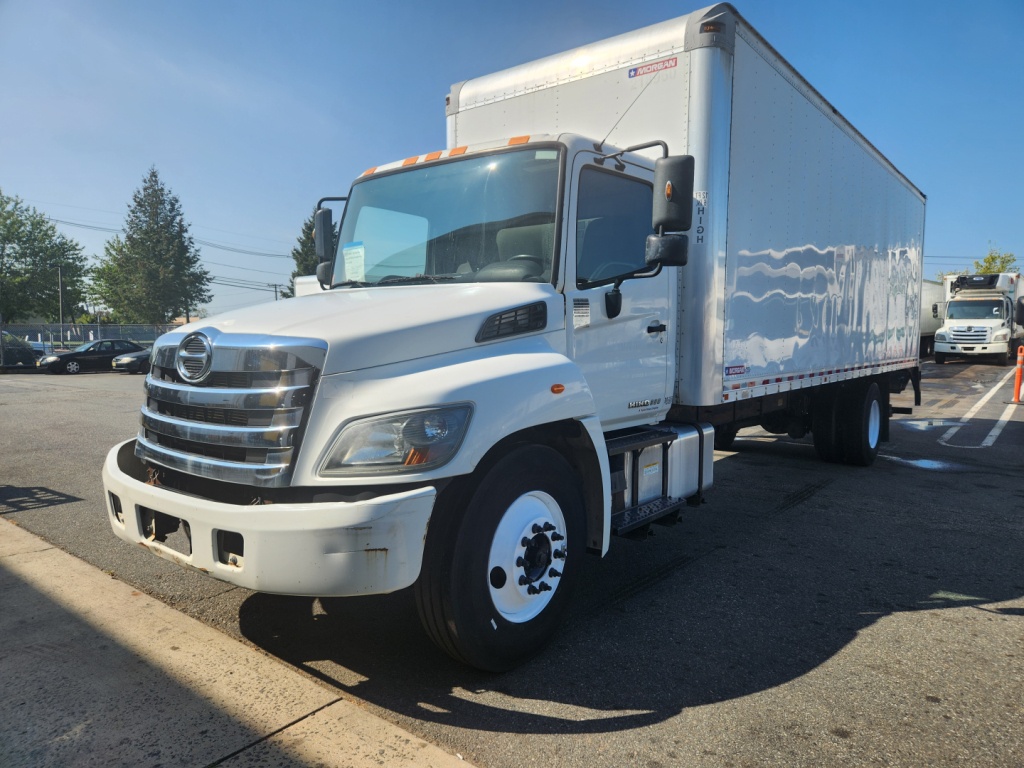
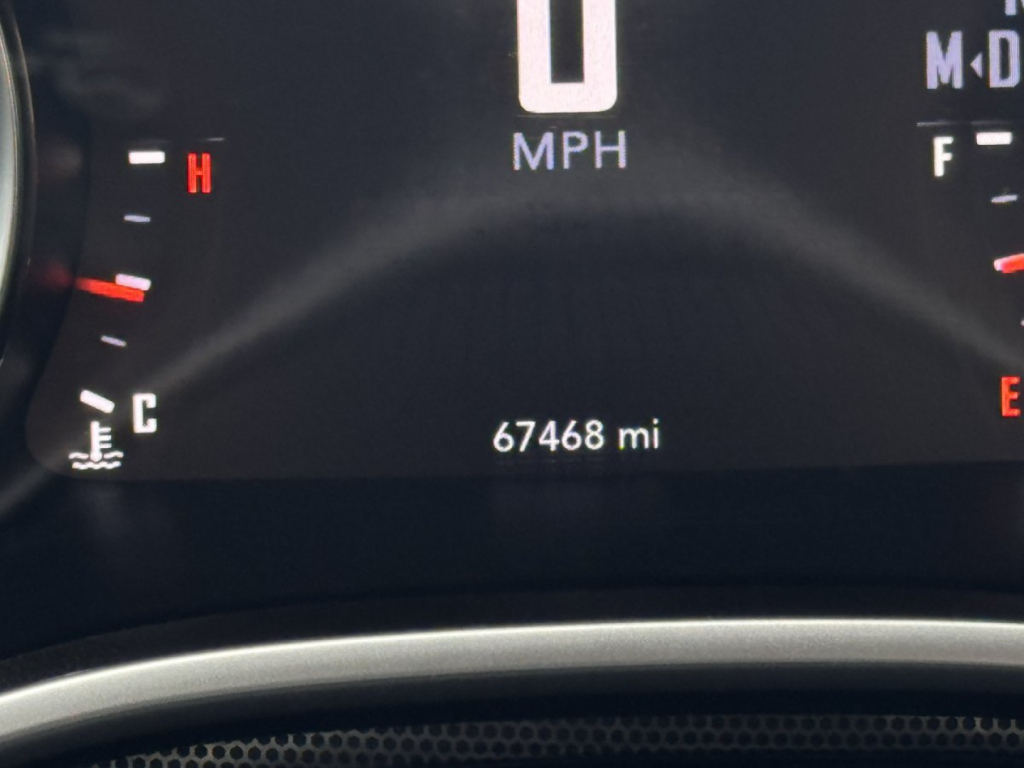
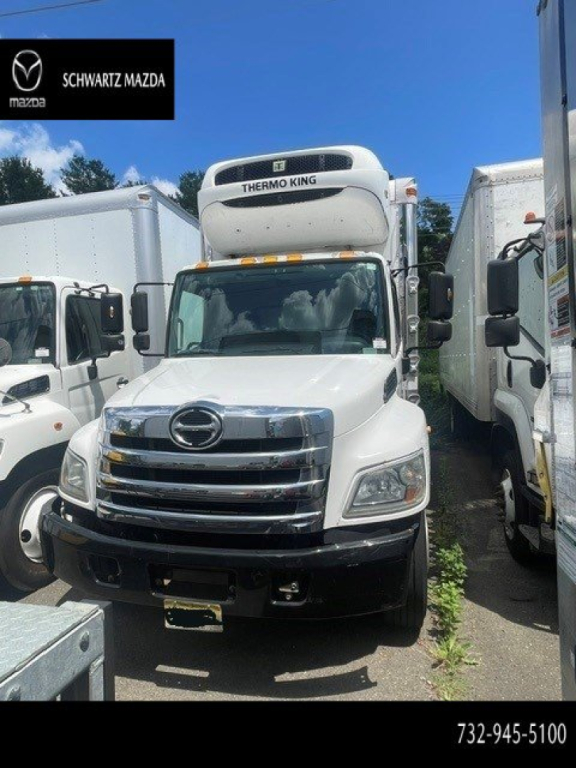
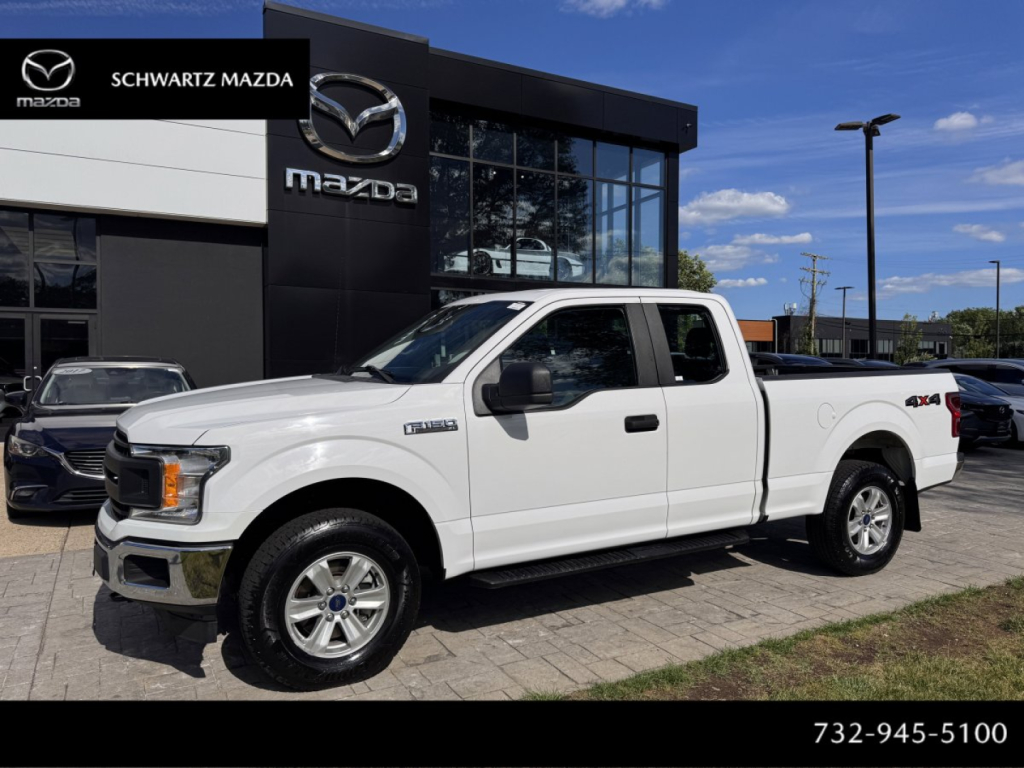
Selling a used 2018 commercial truck? List your used 2018 commercial truck for sale and reach thousands of commercial buyers.
Used 2018 Commercial Trucks in New Jersey
The biggest buying decision is matching the truck class and body style to the work. In this market, that can mean conventional sleepers for long-haul lanes, day cabs for port and regional routes, box trucks for last-mile and moving work, tow trucks and wreckers for recovery, pickups for light-duty commercial use, or cab and chassis units ready for upfit. Common powertrains in 2018 trucks include diesel engines in medium-duty and heavy-duty applications, along with gas V8 options in lighter commercial chassis. Transmission choice matters too. Automated manual transmissions are common in highway tractors, while automatics are popular in box trucks, cutaways, and vocational applications where stop-and-go operation is routine.
New Jersey buyers usually need to think beyond the basic spec sheet. Tight urban delivery routes, port traffic, toll roads, and dense suburban service areas put real value on wheelbase, turning radius, door configuration, liftgate setup, and visibility. For tractor buyers, axle rating, wheelbase, engine horsepower, sleeper size, and rear ratio should line up with the trailer type and freight you plan to pull. For medium-duty buyers, pay close attention to GVWR, body length, door opening height, liftgate capacity, PTO provisions, and whether the truck was built for city delivery or heavier vocational use. Corrosion exposure also matters in the Northeast, so frame condition, cab corners, brake and suspension components, and underbody rust deserve a close inspection.
A well-selected used 2018 truck can still deliver years of dependable service if the spec matches the route and the maintenance history supports it. Buyers should review engine hours, mileage, idle time, service records, tire condition, brake life, emissions system history, and any signs of body or frame repair. On trucks used for freight, suspension type, fifth wheel setup, and fuel capacity can affect operating cost and driver acceptance. On box, tow, or service units, the condition of the body, hydraulics, lift equipment, and electrical systems is just as important as the chassis itself. The right 2018 truck is less about badge alone and more about how the truck was configured, maintained, and worked.
Frequently Asked Questions about Used 2018 Commercial Trucks in New Jersey
What should I look for when buying a used 2018 truck in New Jersey?
Start with the truck’s intended job, then verify that the chassis, drivetrain, and body are actually spec'd for that work. Check mileage, engine hours, idle time, maintenance records, brake and tire wear, suspension condition, emissions system service history, and signs of rust or corrosion from Northeast road use. On vocational trucks, inspect the body, liftgate, wrecker gear, PTO, hydraulics, and wiring just as carefully as the engine and transmission.
Is a 2018 model year truck a good value for commercial use?
For many buyers, yes. A 2018 truck often offers a lower purchase price than newer equipment while still providing modern cab design, updated driveline technology, and useful safety and convenience features. The real value depends on maintenance history, previous application, and whether the original spec fits your operation. A well-maintained 2018 truck can be a strong cost-per-mile or cost-per-hour choice.
Which types of used 2018 trucks are common in this market?
The 2018 used truck market commonly includes sleeper tractors, day cabs, box trucks, tow trucks, pickups, and cab and chassis units. Each serves a different purpose. Sleepers are suited to long-haul freight, day cabs fit local and regional tractor work, box trucks handle delivery and moving operations, tow trucks support recovery and transport, and cab and chassis units give buyers flexibility for custom bodies or specialty upfits.
Are diesel or gas engines better in a used 2018 truck?
It depends on the truck class and duty cycle. Diesel engines are still the standard for most medium-duty and heavy-duty hauling because they deliver stronger torque, longer service life in severe use, and better suitability for higher GVWR applications. Gas engines can make sense in lighter commercial trucks used for local service, lower annual mileage, or operations that want lower upfront cost and simpler maintenance in some applications.
Why does truck configuration matter as much as the model year?
Configuration determines how well the truck will perform in your operation. Wheelbase, axle ratings, body length, door opening, liftgate capacity, horsepower, transmission type, rear ratio, and suspension all affect payload, maneuverability, fuel economy, and driver productivity. Two used 2018 trucks with the same badge can have very different value depending on how they were ordered and what kind of work they were built to do.