
Used 2018 Cab and Chassis Trucks For Sale in New Jersey
Shop used 2018 cab and chassis trucks in New Jersey. Compare wheelbases, GVWR, engines, PTO setup, and upfit readiness by application.
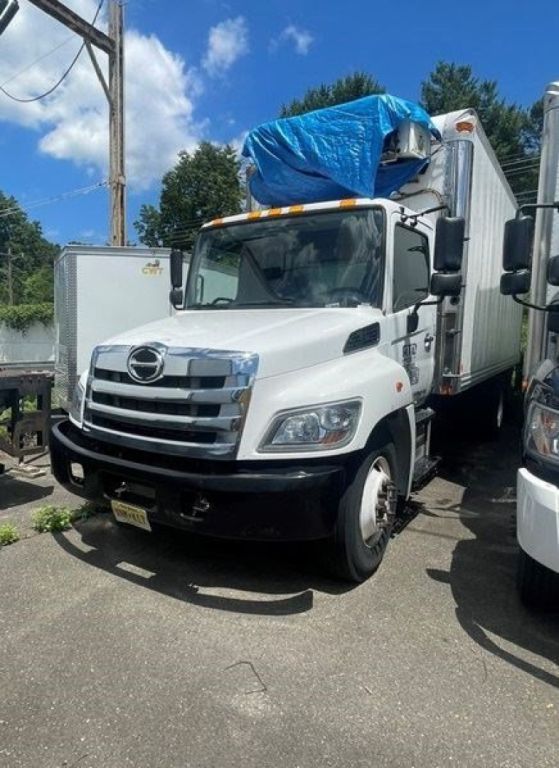

Have used 2018 cab and chassis truck to sell? List it here to reach thousands of buyers.
Used 2018 Cab and Chassis Trucks in New Jersey
The first decisions are usually GVWR, wheelbase, and cab style. In the 2018 model year, common classes ranged from Class 3 through Class 7, depending on the intended body and payload. A shorter wheelbase improves turning radius for urban routes and tighter job sites, while a longer wheelbase supports larger bodies and better load distribution. Regular cab models maximize body space for a given overall length. Extended and crew cab versions add passenger capacity for work crews but reduce available body length on the same chassis. Buyers should also look closely at rear axle ratio, suspension type, and frame dimensions because those specs directly affect gradeability, payload stability, and body compatibility.
Powertrain and upfit readiness are just as important as mileage. Many 2018 cab and chassis trucks were spec'd with diesel engines in medium-duty applications and gas engines in lighter-duty regional service. Automatic transmissions dominate this category, but the real question is whether the truck is equipped for the work ahead. PTO provisions, fuel tank placement, clean frame rail space, exhaust routing, and axle capacity all matter when installing hydraulic or vocational equipment. If the truck will carry a van body or reefer body, check cab-to-axle measurement and frame overhang. If it will run a dump, crane, or hooklift, confirm PTO compatibility, front axle capacity, and whether the frame is suitable for the concentrated loads of that body type.
For a used 2018 chassis cab in New Jersey, condition should be judged by application history as much as by age. A former municipal or utility truck may have useful vocational spec, but idle hours, corrosion exposure, and body-removal quality deserve scrutiny. Inspect the frame for rust scale, extra drill holes, prior weld repairs, and signs of removed equipment. Review brake and tire condition, steering play, suspension wear, and emissions system service records. A well-matched cab and chassis truck can be one of the most efficient ways to add a purpose-built vehicle to a fleet, provided the wheelbase, axle ratings, and upfit dimensions are correct before the body goes on.
Frequently Asked Questions about Used 2018 Cab and Chassis Trucks in New Jersey
What is the difference between a cab and chassis truck and a straight truck?
A cab and chassis truck is sold as the cab, frame, axles, and drivetrain without a permanent body installed. A straight truck is a completed vehicle with a body already mounted, such as a box truck, dump truck, or flatbed. Buyers choose a cab and chassis when they want to install a specific upfit, control body dimensions, or match the truck to a specialized application.
What specs matter most when buying a used 2018 cab and chassis truck?
The most important specs are GVWR, wheelbase, cab-to-axle measurement, rear axle rating, front axle capacity, frame rail dimensions, engine output, transmission type, and PTO capability. These determine what body can be installed and how the finished truck will perform under load. Buyers should also confirm suspension type, axle ratio, and fuel tank placement because those details affect turning radius, body fitment, and vocational compatibility.
How do I know what body will fit a 2018 chassis cab?
Body fit starts with the cab-to-axle and wheelbase measurements, then moves to frame height, frame width, rear overhang, and weight distribution. The body manufacturer or upfitter uses these dimensions to determine compatible body lengths and mounting requirements. It is also important to verify that the axle ratings and frame spec can support the body, payload, and any equipment such as liftgates, cranes, compressors, or hydraulic hoists.
Are diesel or gas engines better in a used cab and chassis truck?
Diesel engines are common in heavier medium-duty service where torque, durability, and higher body weight are part of the job. Gas engines can make sense in lighter-duty delivery, contractor, and municipal use where acquisition cost and simpler maintenance are priorities. The better choice depends on payload, annual miles, idle time, and whether the truck will power PTO-driven equipment. The right engine is the one that matches the duty cycle and body configuration.
What should I inspect on a used chassis cab before installing an upfit?
Inspect the frame rails for corrosion, cracks, weld repairs, and non-factory holes left by prior equipment. Check for straight frame alignment, proper crossmember condition, and enough clear frame space for the intended body or PTO equipment. Review suspension wear, brake condition, tire age, steering components, driveline condition, and emissions system history. It is also smart to confirm that wiring, lighting circuits, and body-builder connections are intact so the truck is truly ready for an upfit.