
Tow Trucks For Sale in Florida
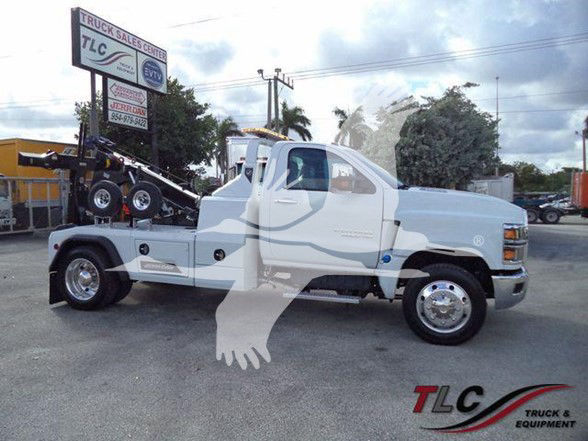
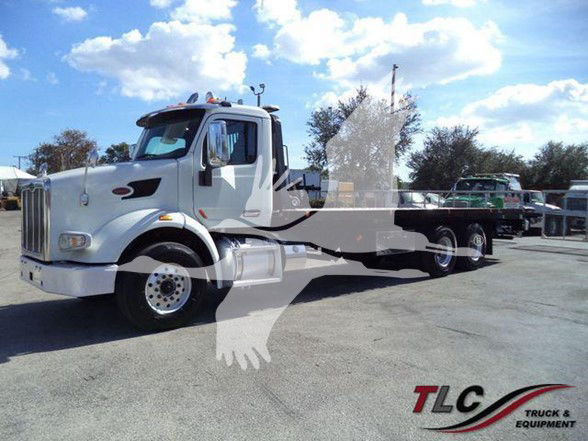
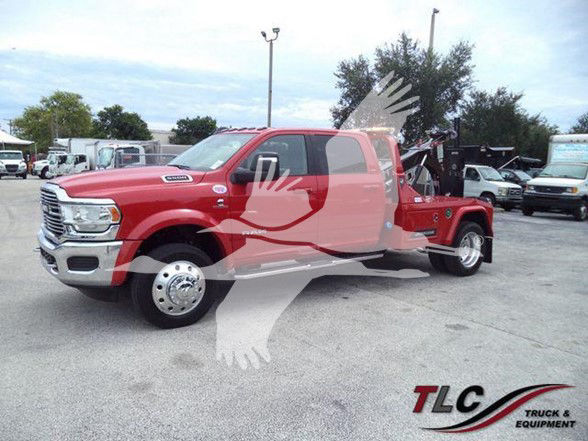
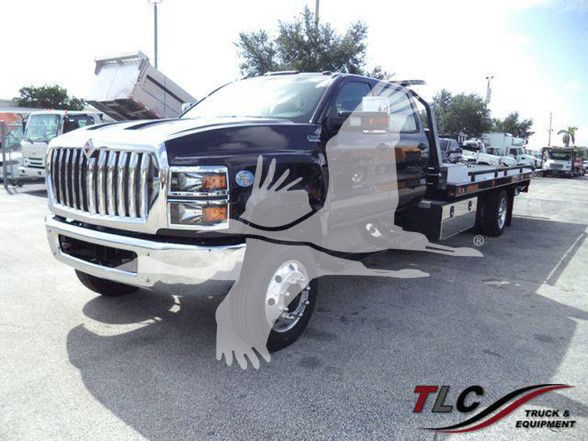
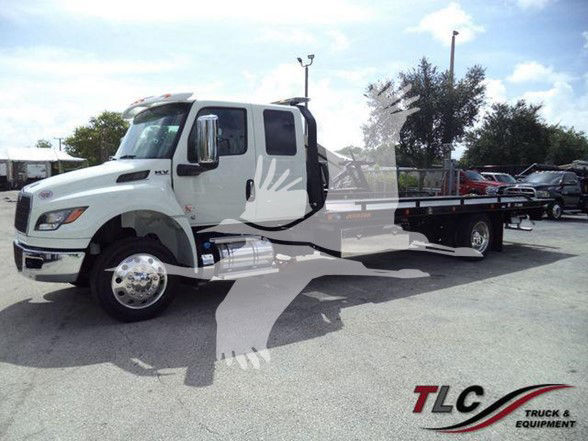
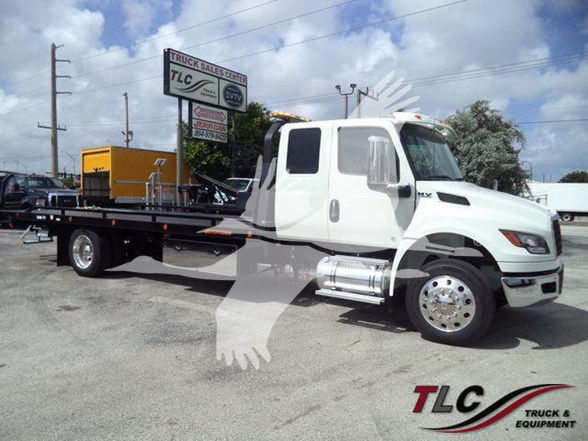
Shop tow trucks for sale in Florida, including rollback carriers and self-loader wreckers with diesel power, wheel lifts, winches, and air brakes.
Learn more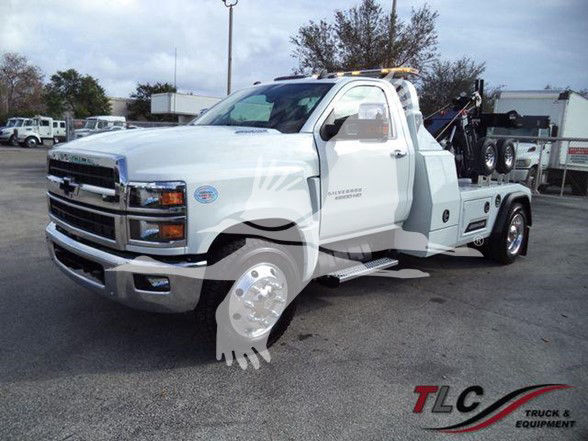
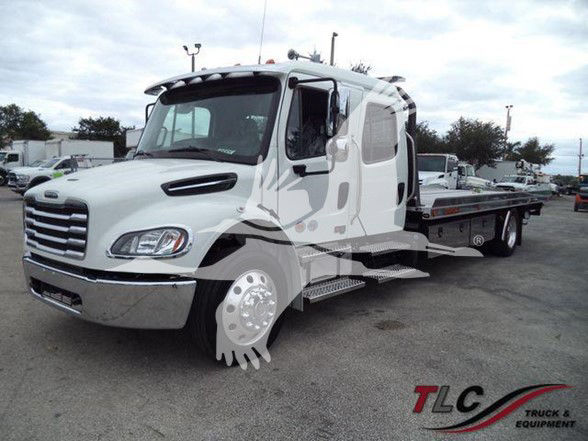
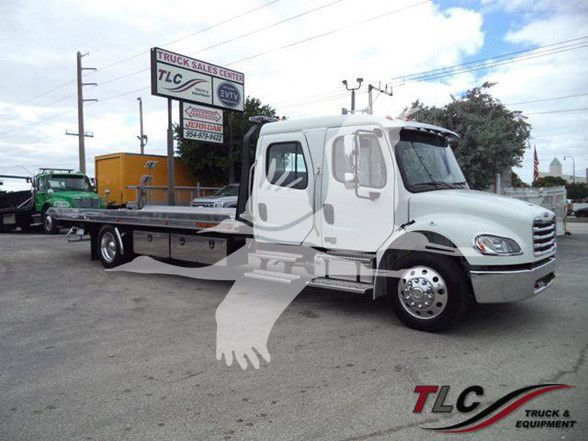
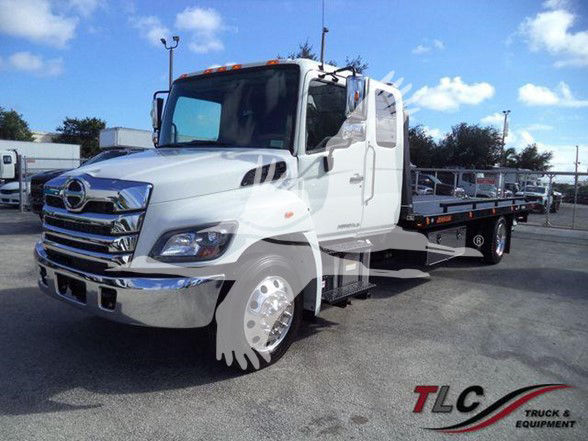
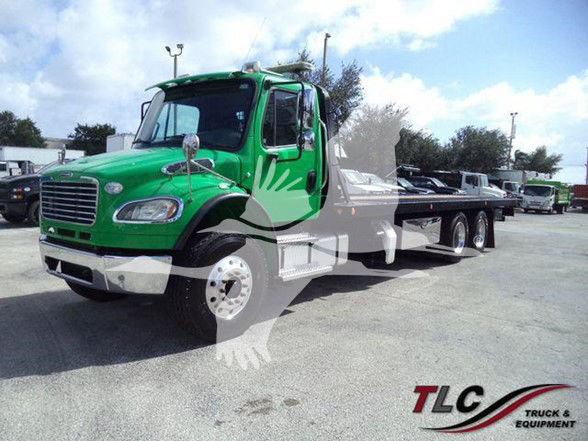
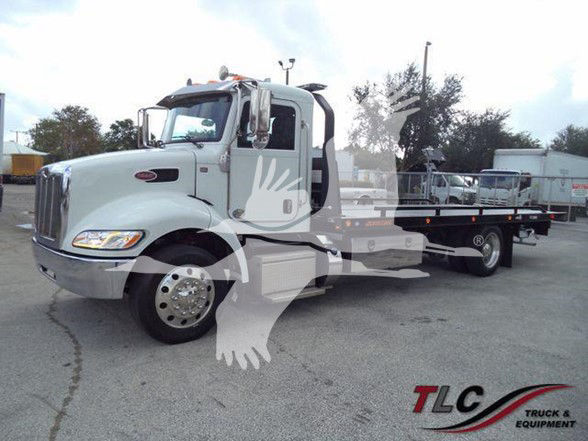
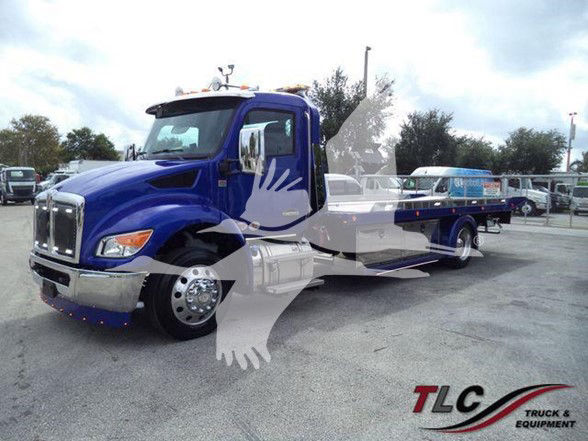
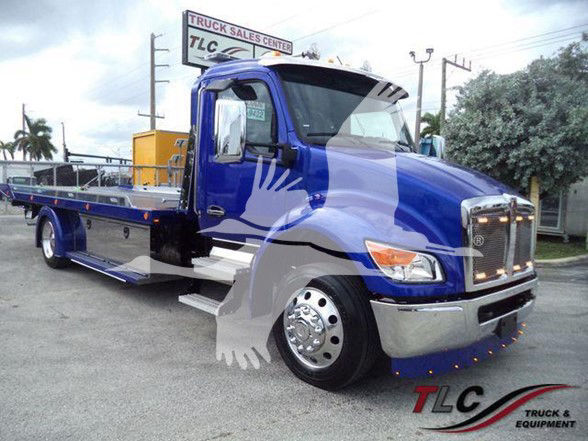
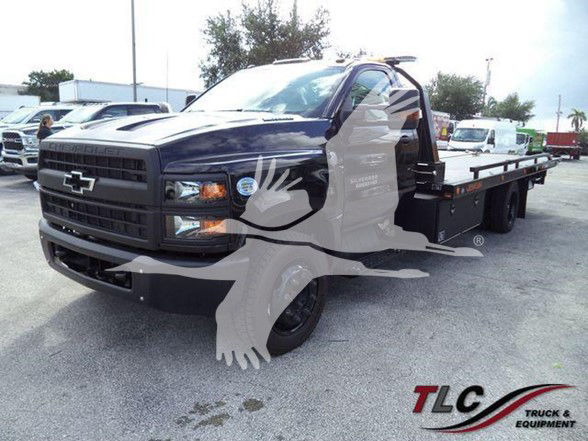
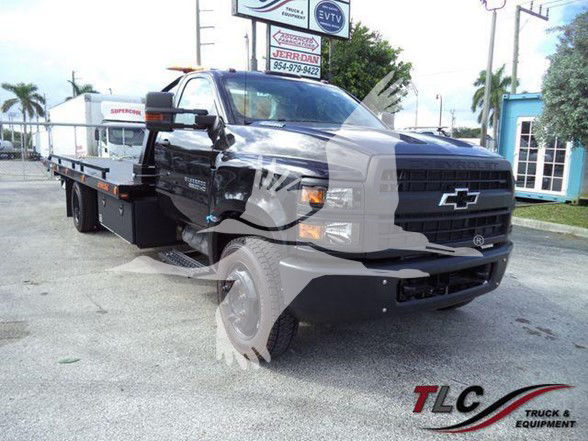
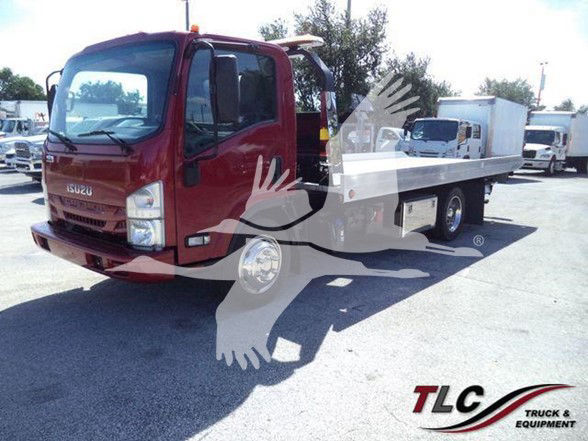
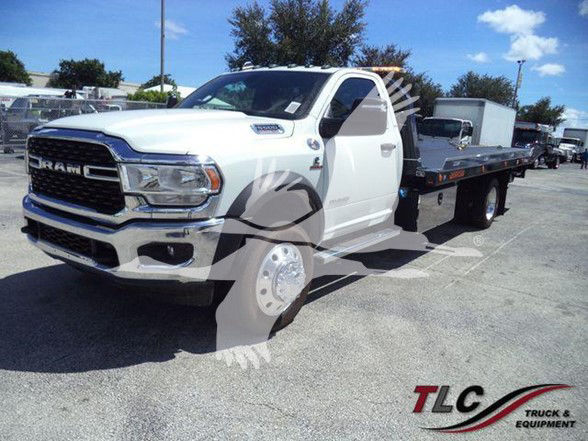
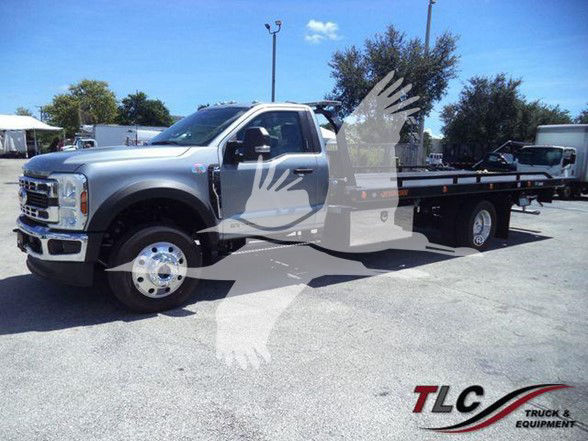
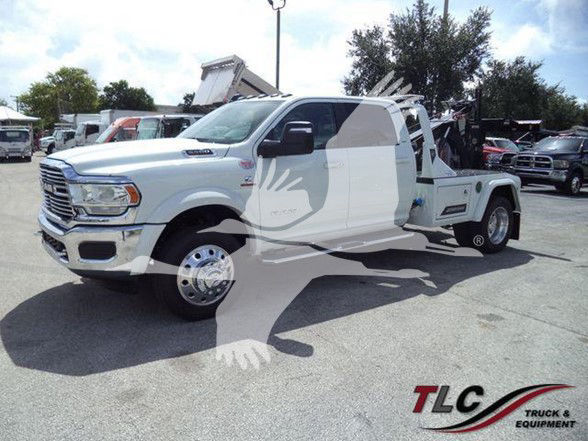
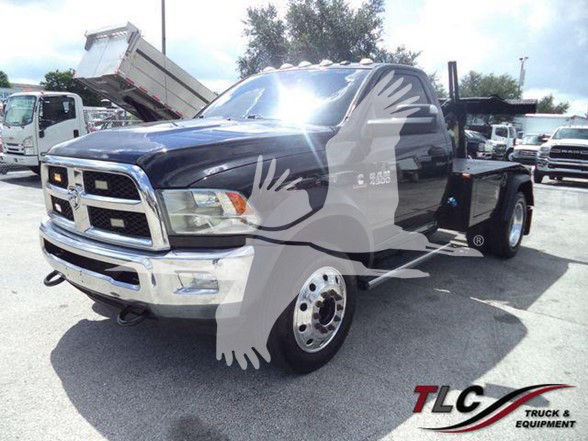
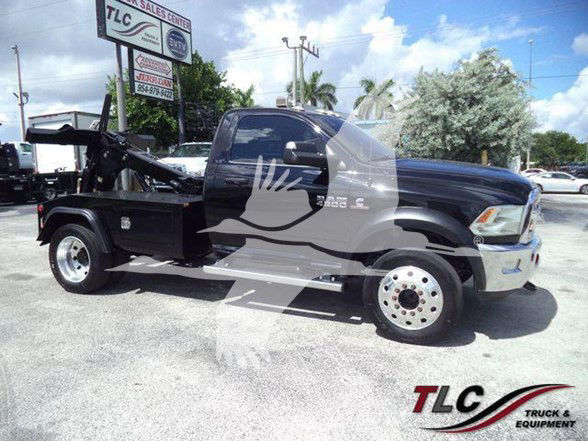
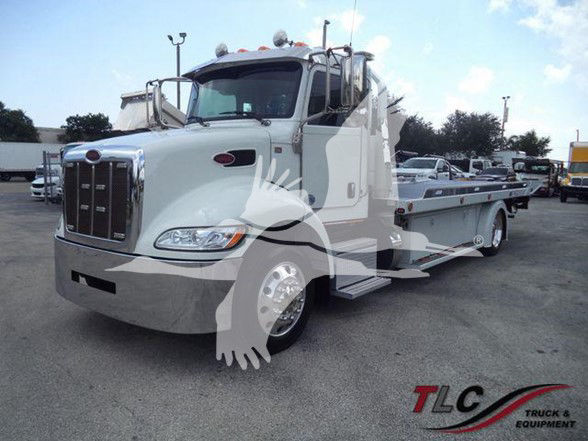
Showing 49 to 72 of 177 results
Have tow truck to sell? List it here to reach thousands of buyers.
About Tow Trucks in Florida
On the chassis side, light-duty wreckers are often built on Ram 4500, Ford F-450, or similar Class 4 and 5 platforms, while medium-duty carriers commonly use Freightliner M2 106 or Peterbilt 337 chassis in the 26,000 GVWR range. Heavier rollback and recovery units can step up to tandem axle platforms like a Peterbilt 567 with double frame rails, larger PTO-driven hydraulics, and higher front and rear axle ratings. Diesel engines from Cummins, Ford, and Paccar-backed platforms dominate this segment because tow work demands low-end torque, PTO compatibility, and durability in stop-and-go service. Automatic transmissions are common in light and medium-duty tow trucks because they simplify urban operation, while heavier units may still use manual gearboxes for vocational control.
Key specs to compare include bed length, bed width, carrier rating, wheel-lift capacity, drag winch rating, axle ratings, suspension type, and brake system. A 22-foot by 102-inch low-profile carrier is a common medium-duty setup and gives enough deck for most passenger vehicles, pickups, and small commercial units. Self-loaders often center around wheel-lift geometry and winch capacity, with 8,000 lb drag winches being common in light-duty service. On rollback units, buyers should look at deck material, approach angle, low-clearance loading capability, wireless controls, toolbox space, and tie-down layout. Air brakes and air ride suspension are typical on larger carriers and can make a noticeable difference in control, ride quality, and service life under daily commercial use.
Florida operators should also pay attention to corrosion resistance, cooling performance, lighting, and cabin configuration. Aluminum bodies, polished tanks, stainless trim, sealed wiring, and quality paint hold up better in coastal humidity and frequent wash cycles. Extended cabs can be useful for crews, dollies, straps, chains, and lockout tools, while standard cabs keep overall length tighter for city work. LED light bars, rear work lights, and clear side access matter on highway shoulders and night calls. A well-matched tow truck is less about brand alone and more about pairing chassis capacity, hydraulic equipment, and body configuration to the type of vehicles you move every day.
Frequently Asked Questions
What is the difference between a rollback tow truck and a self-loader wrecker?
A rollback tow truck uses a tilting, sliding bed to load the entire vehicle onto the deck. That makes it the better choice for damaged vehicles, low-clearance cars, all-wheel-drive units, and longer-distance transport. A self-loader wrecker uses a wheel-lift system for fast hook-up and is commonly used for repossessions, parking enforcement, impounds, and routine short tows. The right choice depends on whether speed of hook-up or full vehicle transport is more important in your operation.
What GVWR is typical for a medium-duty tow truck?
A common medium-duty tow truck setup is 26,000 GVWR on a single-axle chassis such as a Freightliner M2 106 or Peterbilt 337. That class is popular because it supports a 22-foot carrier body, diesel power, air brakes, and useful payload without stepping into a heavier tandem-axle platform. Heavier recovery and transport jobs may require 33,000 GVWR and up, especially when larger commercial vehicles or heavier rollback bodies are involved.
How much winch and wheel-lift capacity does a tow truck need?
Capacity should match the heaviest vehicles the truck will handle on a daily basis, not just occasionally. Light-duty self-loaders commonly use an 8,000 lb drag winch and a wheel-lift sized for passenger vehicles and pickups. Rollback carriers often add a wheel-lift around the 3,500 lb range for flexibility. If the truck will regularly move heavier pickups, vans, or commercial units, axle ratings, bed rating, and hydraulic capacity become just as important as the listed winch number.
Are air brakes better than hydraulic brakes on a tow truck?
Air brakes are common on medium-duty and heavy-duty tow trucks because they suit higher GVWR applications and hold up well in commercial service. They are often paired with air ride suspension on rollback carriers built for daily towing. Hydraulic brakes are still common on lighter self-loader wreckers built on pickup-based chassis. Neither system is automatically better for every job, but air brakes generally make more sense as truck size, body weight, and towing demands increase.
What matters most when buying a tow truck for Florida service?
In Florida, buyers should prioritize rust resistance, heat management, and visibility equipment along with towing specs. Coastal exposure and humidity make aluminum components, stainless hardware, sealed electrical connections, and durable coatings especially valuable. Strong air conditioning, bright LED warning and work lights, and a body design that gives easy access to straps, chains, and dollies also matter in daily service. Local route density and call type should guide the choice between a compact self-loader and a larger rollback carrier.