
2018 Tow Trucks For Sale in Florida
Have 2018 tow truck to sell? List it here to reach thousands of buyers.
2018 Tow Trucks in Florida
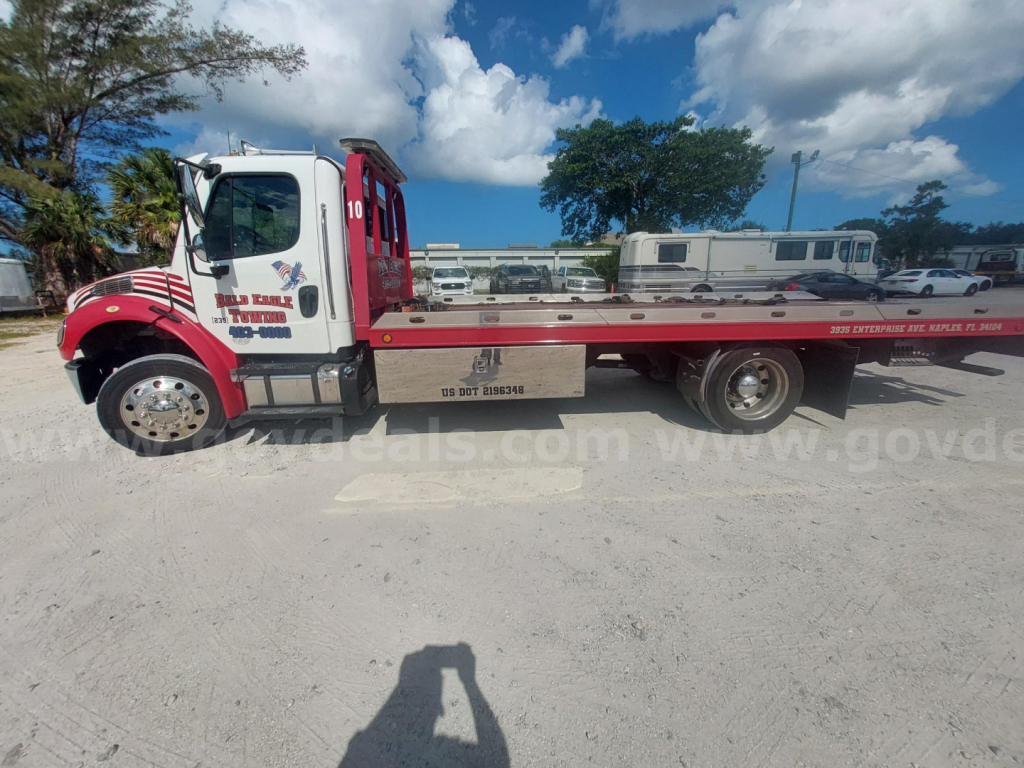
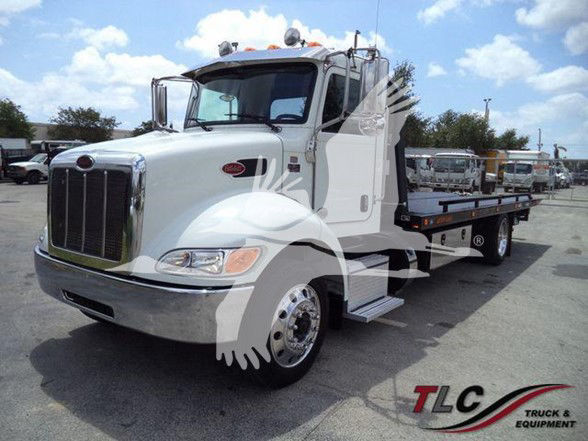
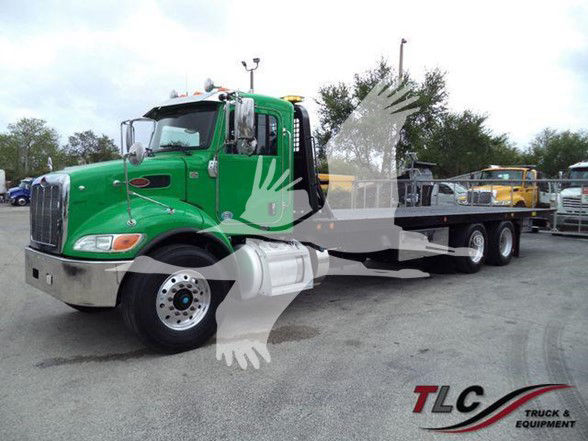
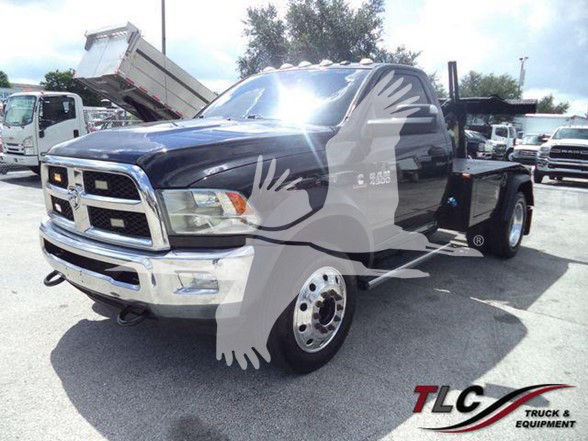
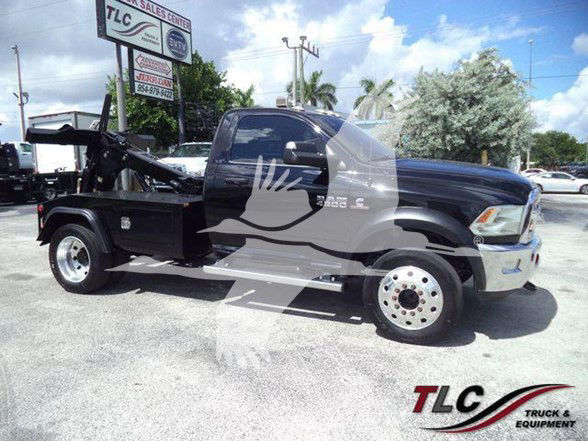
On 2018 tow trucks, common medium-duty chassis include Ram 5500, International CV, Chevrolet Silverado 5500HD, and Class 6 or 7 platforms such as the Peterbilt 337. GVWR typically ranges from around 19,500 pounds on lighter rollback and wrecker setups up to 26,000 pounds on heavier carriers. Most units in this class use diesel power paired with an automatic transmission, often with 4x2 or 4x4 drivetrains depending on service area and recovery needs. On rollback models, buyers should pay attention to deck length, usually 20 to 22 feet, deck width around 102 inches, bed material, low-profile or XLP deck design, winch rating, and wheel-lift capacity. On self-loaders, key specs include dual drag winch ratings, boom design, wheel-lift geometry, and the condition of L-arms, forks, straps, chains, and dollies.
Florida buyers should look closely at corrosion exposure, hydraulic hose condition, cooling system performance, and the health of electrical and lighting circuits. Tow trucks spend long hours idling, cycling PTO functions, and operating light bars, scene lights, and work lights, so charging system condition matters. Rollback buyers should inspect the subframe, pivot points, deck runners, crossmembers, and bed cylinders for wear or cracking. Wrecker buyers should check boom pins, wheel-lift pivot points, sling areas if equipped, and the operation of each winch under load. If the truck will work private property impounds, accident response, dealer transport, or municipal towing, verify that axle ratings, brake type, turning radius, and storage layout match the route density and payload mix.
A well-matched 2018 tow truck should balance towing capacity, maneuverability, and uptime. Features that tend to matter in real service include aluminum or steel toolboxes, wireless controls, LED light bars, work lighting, removable rails on carriers, and air ride or suspension setups that keep the truck stable under load. Bed height is especially important on car carriers handling low-clearance vehicles, while wheel-lift reach and securement options matter more on repo and relocation work. Buyers comparing listings in this category should focus less on cosmetics and more on service history, PTO operation, body manufacturer reputation, and whether the truck's actual configuration fits the calls it needs to handle every day.
Frequently Asked Questions about 2018 Tow Trucks in Florida
What is the difference between a rollback tow truck and a self-loader wrecker?
A rollback tow truck uses a tilting, sliding deck to load a vehicle completely onto the bed, which is ideal for all-wheel-drive vehicles, damaged vehicles, luxury cars, and general transport work. A self-loader wrecker, also called an auto loader, uses a hydraulic wheel-lift system to quickly secure and tow a vehicle by the tires. Self-loaders are usually faster for repossession, parking enforcement, and short-distance tows, while rollbacks are typically the better choice for lower-clearance vehicles and jobs where keeping all four wheels off the road is preferred.
What capacities are common on 2018 tow trucks?
In the 2018 market, light- to medium-duty rollback carriers commonly offer around 6-ton deck capacity with wheel-lifts rated near 3,500 pounds, while self-loading wreckers often use dual drag winches in the 8,000-pound range. Actual usable capacity depends on the chassis GVWR, axle ratings, body installation, and the weight distribution of the load. Buyers should always compare body ratings to the truck's door-sticker ratings and not assume the body manufacturer's advertised number is the same as legal or practical payload.
Is a 2018 tow truck a good choice for a startup towing business?
A 2018 tow truck can be a practical entry point for a startup if the truck has documented maintenance, solid hydraulics, and the right body style for the intended work. It is old enough to avoid the premium attached to newer trucks, but recent enough that many units still have modern drivetrains, lighting, and control systems. The main concern is condition, because tow trucks accumulate wear through PTO use, idling, loading cycles, and urban driving. A pre-purchase inspection should include the chassis, body, wheel-lift, winches, hydraulic cylinders, electrical system, and securement equipment.
What should I inspect first on a used 2018 tow truck in Florida?
Start with the hydraulics, PTO engagement, and body structure because those systems define how the truck earns money. Check for hydraulic leaks, slow bed movement, noisy winches, cracked welds, worn deck surfaces, and loose wheel-lift components. In Florida, also inspect for rust or corrosion from coastal exposure, water intrusion in electrical connectors, fading or damage in warning lights, and air conditioning performance. A tow truck may look clean cosmetically while still having expensive wear in the bed, boom, or hydraulic system.
Are 4x4 tow trucks worth it in this category?
A 4x4 tow truck is valuable if the truck will work in soft shoulders, flooded areas, unpaved lots, storm response, or rural recovery situations. It can also help on steep grades and low-traction surfaces. For primarily urban and highway towing, a 4x2 setup is often less expensive to maintain and may offer a simpler operating profile. The decision should be based on service territory, recovery frequency, and whether the extra drivetrain weight reduces usable payload for the jobs the truck will handle most often.