
2018 Tow Trucks For Sale
Browse 2018 tow trucks for sale, including rollback carriers and wreckers with common specs, GVWR ranges, winch setups, and towing features.
Learn more
Have 2018 tow truck to sell? List it here to reach thousands of buyers.
About 2018 Tow Trucks
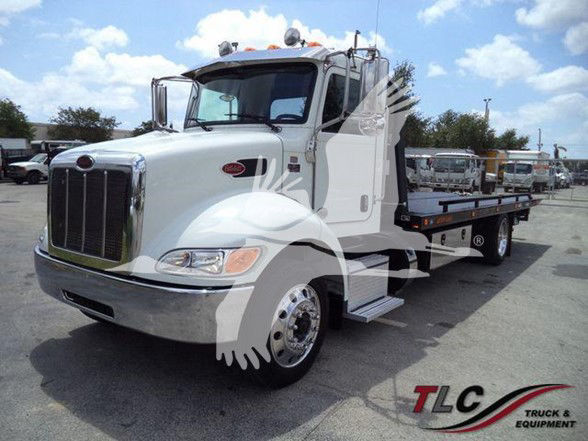
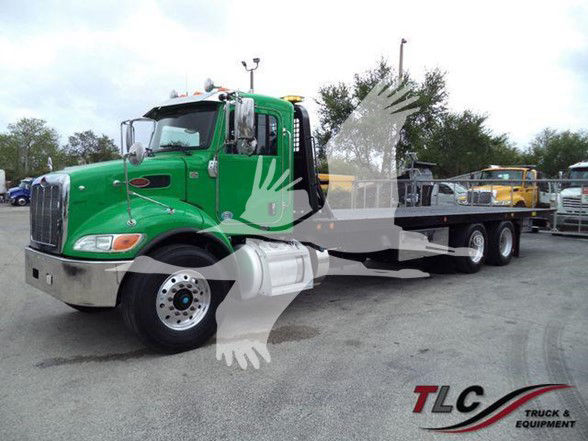
The first decision is usually rollback versus wrecker. A 2018 rollback tow truck, also known as a carrier or flatbed tow truck, is typically the better fit for vehicle transport, accident recovery where all wheels need to be off the ground, and lower-clearance cars. Bed lengths often run 21 to 22 feet on light- and medium-duty carriers, while heavier industrial transporter rollbacks can stretch to 28 feet. A standard light-duty carrier may be rated around 6 tons with an 8,000 lb to 10,000 lb winch, while heavier units can carry 20,000 lb winches, wheel-lifts, pintle hitches, and higher GVWR chassis. Buyers should check deck width, low-profile or LCG design, wheel-lift rating, winch capacity, free-spool function, tie-down storage, and remote control operation. These details affect daily loading speed, the types of vehicles you can handle, and how often the truck gets used versus passed over for a better-equipped unit.
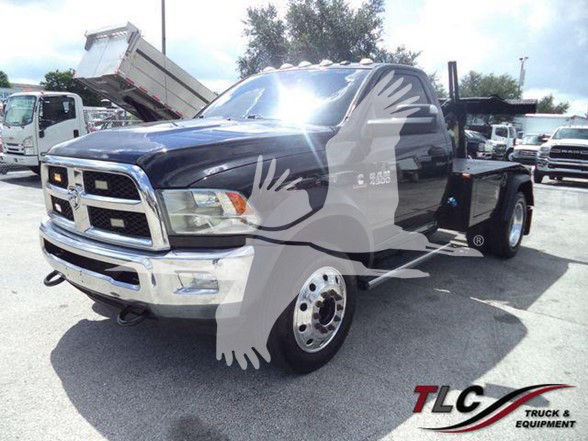
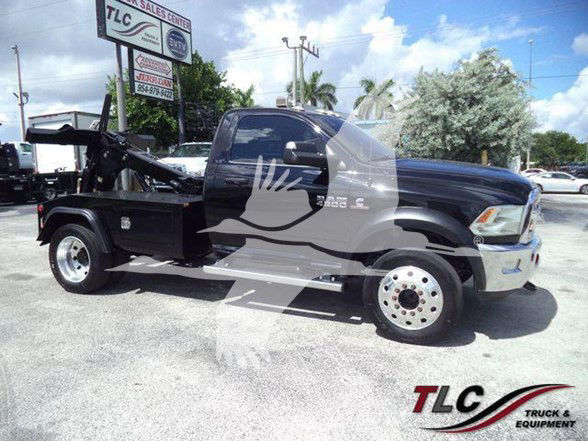
On 2018 wreckers and carrier-wreckers, chassis specs deserve close attention. A 26,000 GVWR truck may be attractive for certain licensing and route considerations, but a 33,000 lb to 60,000 lb GVWR setup changes what the truck can realistically recover or transport. Front axle ratings, rear axle ratings, suspension type, wheelbase, and frame reinforcement all matter when a body has a wheel-lift, underlift, or heavier transporter deck. Engine and transmission combinations from this model year often include Cummins or Paccar diesels paired with Allison automatics, and that is generally a practical combination for towing work because it simplifies driver training and stop-and-go operation. Service records are especially important on a 2018 tow truck because PTO use, hydraulic wear, winch cycles, bed pivot points, and electrical load from strobes and work lights can tell a very different story than engine miles alone.
A good 2018 tow truck listing should give enough detail to judge the whole package, not just the cab and odometer. Look for information on body manufacturer, bed size, wheel-lift capacity, winch model, remote setup, toolbox layout, tire size, axle ratings, and whether the truck has air ride, differential lock, backup camera, or dual steering boxes on heavier units. If the truck will handle repo, municipal rotation, dealer transport, equipment hauling, or accident recovery, make sure the configuration matches that work. Low-clearance carriers and shark or dual-angle decks help with sports cars and lowered vehicles, while heavier rollback transporters are better suited to trucks, vans, and equipment. The best 2018 tow trucks are the ones whose chassis, hydraulic package, and recovery equipment are all sized for the job instead of stretched to cover too many roles.
Frequently Asked Questions
What should I look for first when buying a 2018 tow truck?
Start with the truck's actual job type and body configuration. A rollback carrier is best for vehicle transport and all-wheel-off-ground towing, while a wrecker or carrier with wheel-lift adds flexibility for short tows and recoveries. After that, check GVWR, axle ratings, bed length, winch capacity, wheel-lift rating, and the body manufacturer. On a 2018 model, maintenance history for the hydraulics, PTO, bed structure, and electrical system is just as important as engine mileage.
Is a 2018 rollback tow truck a good choice for car hauling and general towing?
Yes, a 2018 rollback tow truck is often a practical choice for mixed-use towing because it can handle standard vehicle transport, accident recovery, dealer moves, and lower-clearance vehicles better than a conventional sling or wheel-lift-only setup. Many 2018 carriers have 21 to 22 foot beds, low-profile deck options, and 8,000 lb to 10,000 lb winches, which makes them suitable for common passenger vehicles and light trucks. Heavier transporter rollbacks in this year can also support commercial or equipment-hauling applications.
What engine and transmission setups are common on 2018 tow trucks?
Many 2018 tow trucks use diesel engines in the medium-duty range, often from Cummins or Paccar, paired with Allison automatic transmissions. This is a common towing spec because automatic transmissions reduce driver fatigue and work well in frequent stop-and-go recovery use. Buyers should also confirm whether the truck has air brakes or hydraulic brakes, what rear axle ratio it carries, and whether the chassis has enough cooling, suspension, and frame capacity for the body installed.
How important is the body brand on a 2018 tow truck?
The body brand is extremely important because it affects durability, parts availability, service support, control layout, and resale value. Common names in the market include Jerr-Dan, Century, Chevron, and Dynamic. A well-known body brand with documented maintenance can be a major advantage on a 2018 truck, especially if you need replacement cylinders, controls, wear pads, cables, or wheel-lift parts quickly to keep the truck working.
What is the difference between a carrier, rollback, and wrecker tow truck?
A carrier and a rollback generally refer to the same basic type of tow truck, a flatbed unit with a hydraulic tilting and sliding deck used to load vehicles completely off the ground. A wrecker typically refers to a boom or wheel-lift style tow truck designed more for towing, recovery, and repositioning than deck transport. Some trucks combine features, such as a rollback with a wheel-lift, which gives the operator added flexibility for both transport and short-haul towing.