
Ford Tow Trucks For Sale in Florida
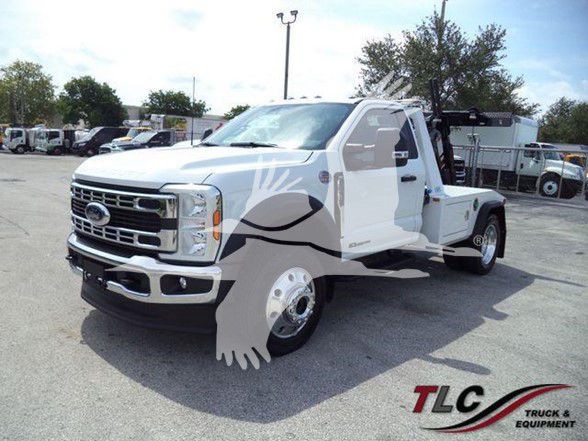
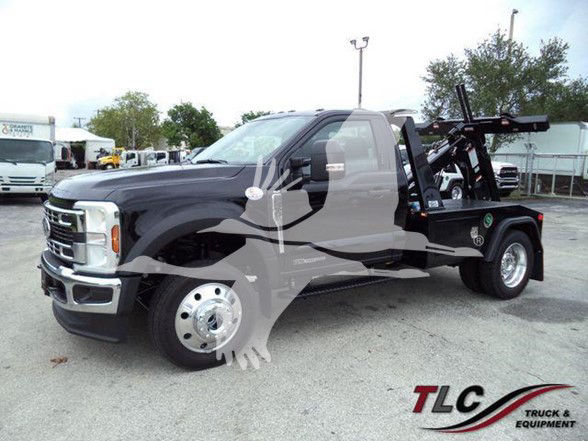
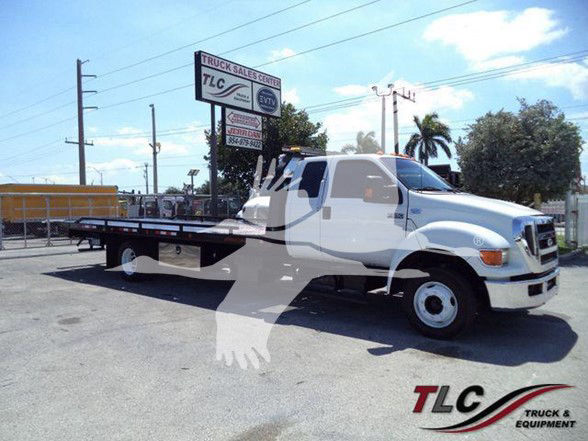
Browse Ford tow trucks for sale, including F-450, F-600, F-650, and F-750 wreckers and rollback carriers for recovery and transport work.
Learn more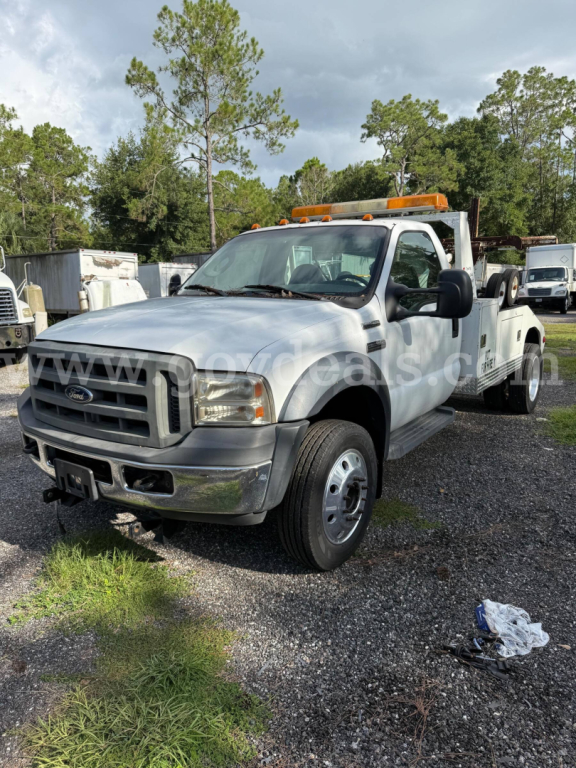
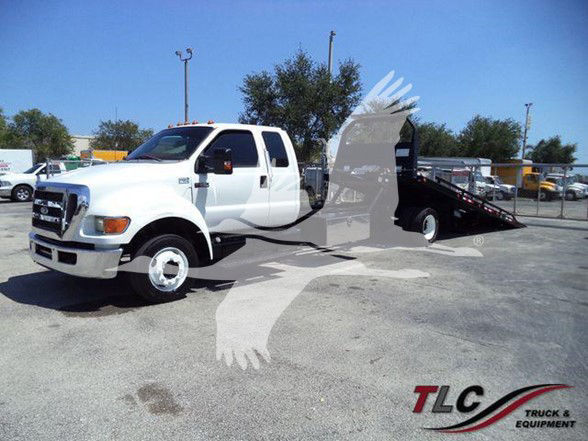
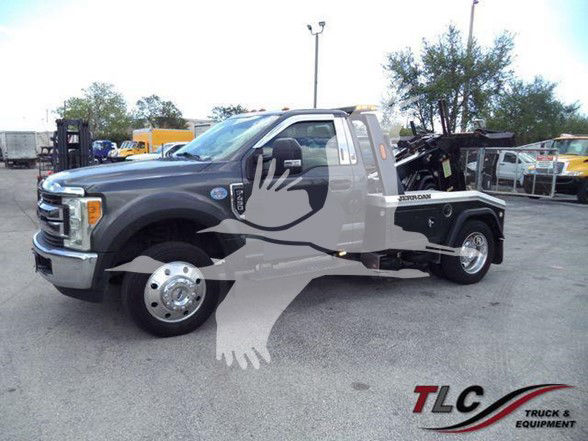
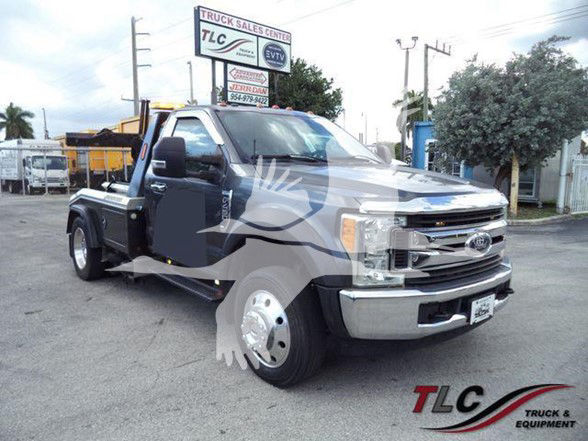
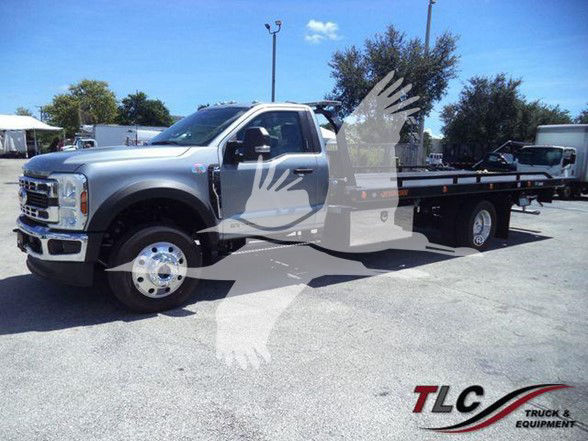
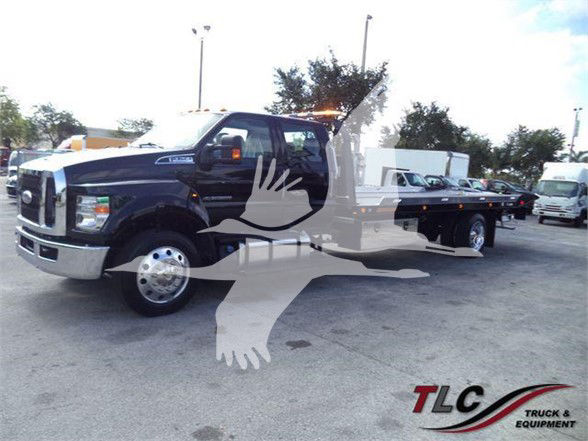
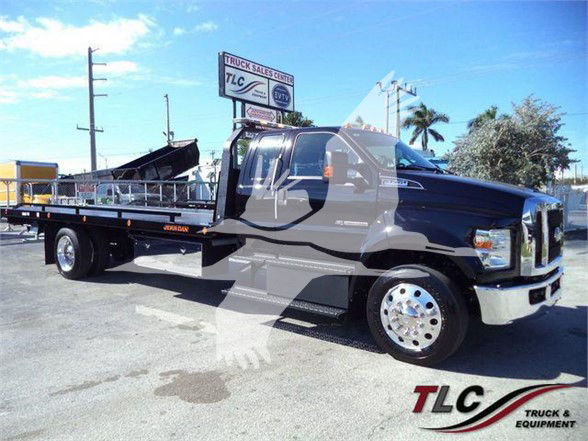
Have ford tow truck to sell? List it here to reach thousands of buyers.
About Ford Tow Trucks in Florida
Ford F-Series tow trucks are common because the chassis range gives operators flexibility on GVWR, cab size, drivetrain, and upfit options. In lighter configurations, an F-450 or F-600 with a 4x4 drivetrain can be a strong fit for municipal work, roadside service, beach communities, and routes that include soft shoulders or poor access. In medium-duty applications, F-650 and F-750 models are often spec'd as 4x2 carriers with higher GVWR, extended cabs, air brake availability, larger fuel tanks, and more room for tools, chains, dollies, and recovery gear. Diesel power, automatic transmissions, spring suspension, and PTO-driven hydraulic systems are typical in this category.
On the equipment side, buyers should compare deck length, deck height, wheel-lift rating, winch capacity, and storage layout. Common rollback specs include 20-foot to 22-foot decks, 102-inch width, low-profile or extra-low-profile designs, and wheel lifts around 3,500 pounds. On self-loaders and light wreckers, an 8,000-pound drag winch is a familiar benchmark for local towing duty. Toolboxes, work lights, amber light bars, backup cameras, L-arms, safety chains, tie-downs, and removable rails all affect day-to-day productivity. If the truck will spend most of its time in urban traffic, turning radius, cab-to-axle length, and ease of bed operation matter just as much as headline capacity.
Florida buyers often pay close attention to corrosion resistance, cooling performance, and year-round service readiness. Aluminum wheels, aluminum fuel tanks, stainless toolbox doors, and sealed LED lighting can help with durability in humid and coastal environments. For fleets and owner-operators alike, the right Ford tow truck is usually the one that matches the recovery method to the workload: wheel-lift for fast local calls, rollback for safer vehicle transport, and a chassis rating that leaves enough payload margin for the body, equipment, and the vehicles being moved.
Frequently Asked Questions
What is the difference between a Ford wrecker and a Ford rollback tow truck?
A Ford wrecker uses a wheel-lift or self-loader body to lift and tow a vehicle by one axle, which makes it efficient for quick recoveries, impounds, and short-distance local towing. A Ford rollback uses a tilt-and-slide deck, also called a carrier bed, to load the entire vehicle onto the truck. Rollbacks are generally preferred for all-wheel-drive vehicles, damaged vehicles, low-clearance cars, and transport work where minimizing driveline or body risk is important.
Which Ford chassis are most common for tow truck applications?
The most common Ford tow truck chassis in this category are the F-450, F-600, F-650, and F-750. F-450 and F-600 trucks are often used for lighter wreckers and compact rollback builds, including 4x4 configurations. F-650 and F-750 chassis are more common for medium-duty carriers with 20-foot to 22-foot beds, higher GVWR ratings, extended cab options, and heavier commercial use.
What specs matter most when comparing Ford rollback carriers?
The key specs are deck length, deck width, deck height, bed material, wheel-lift rating, winch capacity, and chassis GVWR. Many buyers look for 20-foot or 22-foot decks, 102-inch bed width, low-profile or extra-low-profile design, a 3,500-pound wheel lift, and an 8,000-pound winch as a solid baseline. Storage capacity, toolbox size, lighting, tie-down equipment, and whether the truck has 4x2 or 4x4 driveline should also be matched to the routes and vehicle types being handled.
Is 4x4 worth it on a Ford tow truck in Florida?
4x4 can be worthwhile if the truck works in rural areas, on soft shoulders, at construction sites, in wet grass, or in coastal and storm-related recovery conditions. It adds cost and weight, so it is not always necessary for a truck that stays on paved urban routes. For many Florida operators, 4x4 is most valuable on lighter self-loaders and service-oriented tow trucks that need extra traction in unpredictable roadside conditions.
What should buyers inspect on a used Ford tow truck?
Focus on both the chassis and the towing body. On the truck side, inspect engine service history, transmission operation, front-end wear, brake system type and condition, frame integrity, suspension, tires, and electrical performance. On the body side, inspect hydraulic cylinders, hoses, PTO operation, bed slide function, wheel-lift wear, winch condition, cable or synthetic line condition, pivot points, rust around mounts, lighting, and all included towing accessories such as L-arms, chains, straps, and dollies.