
2017 Tow Trucks For Sale in Florida
Have 2017 tow truck to sell? List it here to reach thousands of buyers.
2017 Tow Trucks in Florida
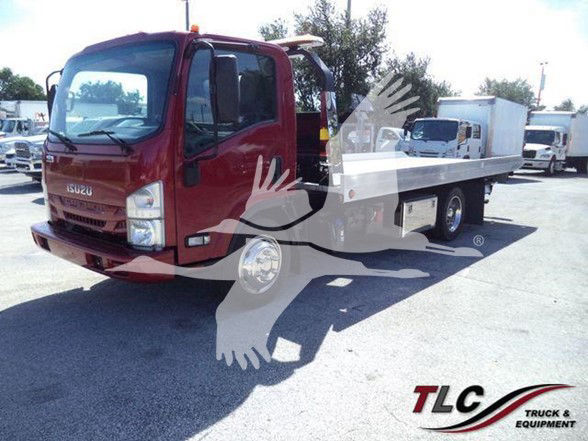
For rollback applications, the key decisions usually come down to bed length, deck material, winch capacity, and chassis rating. Common setups include 19 to 22 foot steel or aluminum decks, low-angle or low-carrier geometry for reduced approach angle, and wheel-lifts in the 3,500 lb range for moving an extra vehicle or improving recovery flexibility. Diesel engines such as the Cummins 6.7L are common in this segment, typically paired with an Allison automatic. On medium-duty chassis, GVWR often falls around 25,950 to 26,000 lbs, which matters for payload, registration, brake spec, and how the truck fits your service mix.
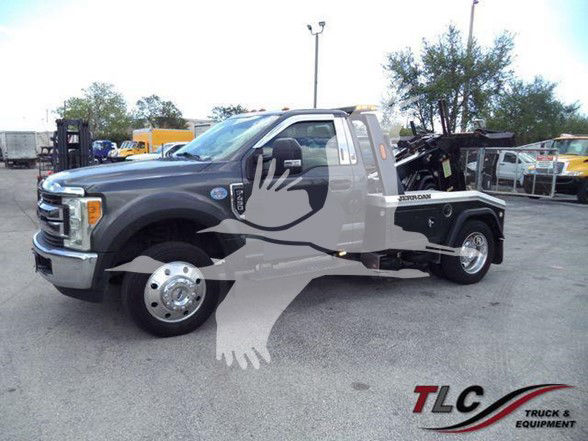
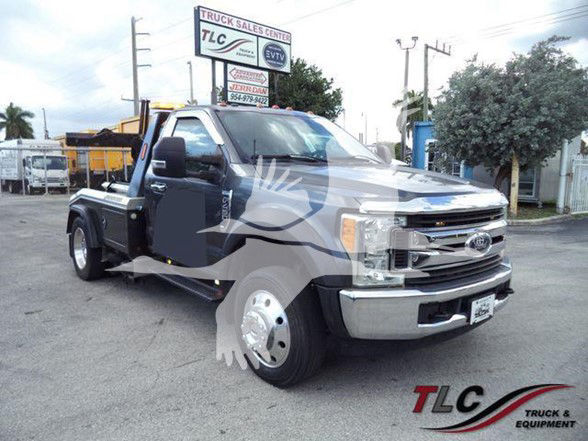
If the job is tight urban towing, parking enforcement, or light-duty recovery, a 2017 wrecker with an autoloader body may be the better fit. These trucks are valued for fast hookup times, maneuverability, and lower overall length compared with a carrier. Buyers should pay close attention to wheel-lift rating, boom design, drag winch capacity, rear axle rating, and the condition of the hydraulic controls. A well-equipped tow truck in this year range may also include wireless remotes, L-arms, dollies, work lights, backup cameras, amber warning systems, and underbody tool storage. In Florida service, cab A/C performance and electrical condition are not minor details because downtime often starts with heat-related wear and lighting issues.
Condition matters more than badge alone on a used 2017 tow truck. Check bed pivots, cylinder seals, PTO operation, winch line condition, crossbar wear, frame rust, and signs of overloaded use around the wheel-lift and subframe mounts. On rollback trucks, inspect deck rollers, blade rails, tie-down points, and deck alignment. On wreckers, look closely at boom pins, pivot points, snatch block condition, and any stress cracking around the body structure. Service records, hour usage on the towing equipment, and evidence of regular hydraulic maintenance can tell you more than appearance. The right 2017 tow truck should match your daily call types, legal weight requirements, and the speed at which your operation needs to load, secure, and clear vehicles.
Frequently Asked Questions about 2017 Tow Trucks in Florida
What should I look for when buying a 2017 tow truck?
Start with the upfit, not just the chassis. Confirm whether the truck is a rollback carrier or a wheel-lift wrecker, then inspect the hydraulic system, PTO engagement, winch operation, wheel-lift wear points, and body mounting structure. Check engine and transmission service history, brake type, axle ratings, tire age, and signs of frame corrosion or overload stress. On any 2017 tow truck, the maintenance history of the towing equipment is just as important as the mileage on the truck itself.
Is a 2017 rollback tow truck better than a 2017 self-loader wrecker?
It depends on the work mix. A rollback tow truck is typically better for transporting all-wheel-drive vehicles, low-clearance cars, damaged vehicles, and longer hauls because the vehicle rides fully on the deck. A self-loader wrecker is usually better for quick hookups, apartment complexes, impounds, and high-volume urban towing. Buyers choosing between the two should base the decision on average tow distance, vehicle types handled, and how important loading speed is to the business.
What engine and transmission combinations are common on 2017 tow trucks?
Many 2017 tow trucks use medium-duty diesel platforms with engines such as the Cummins 6.7L paired to Allison automatic transmissions. In lighter-duty self-loader applications, you may also see diesel pickup-based chassis or gas-powered setups depending on GVWR and body type. The most important factor is not just the engine model but whether the truck has enough power, cooling capacity, axle rating, and transmission durability for repeated towing and stop-and-go service.
Are aluminum or steel rollback beds better on a 2017 tow truck?
Steel beds are generally valued for durability, repairability, and lower upfront cost, while aluminum beds reduce weight and can help with usable payload and corrosion resistance. In Florida, aluminum can be attractive because of humidity and coastal exposure, but steel remains common and performs well when maintained properly. The better choice depends on your payload needs, operating environment, and how the truck will be repaired if deck damage occurs.
Why does GVWR matter on a 2017 tow truck?
GVWR affects payload capacity, registration class, brake equipment, and legal operating limits. A medium-duty rollback near 26,000 lbs GVWR is common because it offers substantial capability while staying below the CDL threshold in some configurations, although local rules and total operating setup still matter. Buyers should compare GVWR with front and rear axle ratings, body weight, wheel-lift rating, and the actual types of vehicles they plan to tow so the truck is productive without being overloaded.