
2017 Tow Trucks For Sale
Shop 2017 tow trucks for sale, including rollback carriers and wreckers with common specs, towing equipment, body options, and duty insights.
Learn more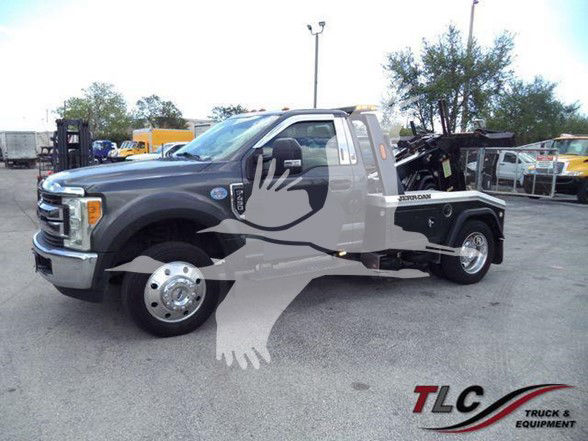
Have 2017 tow truck to sell? List it here to reach thousands of buyers.
About 2017 Tow Trucks
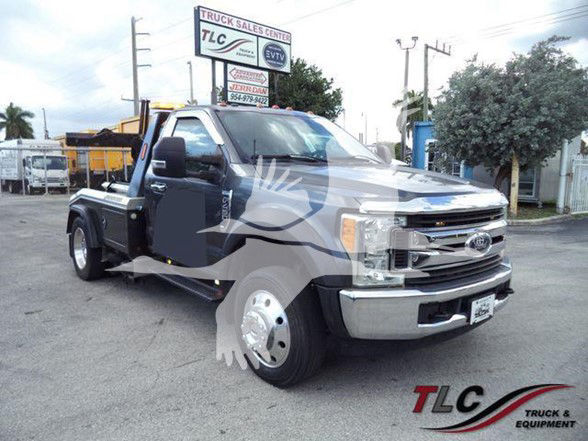
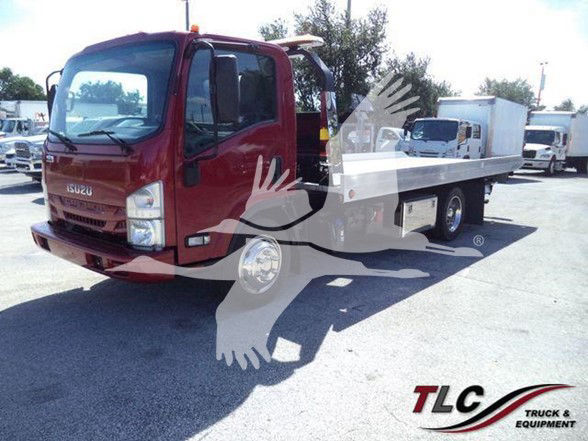
For rollback and carrier applications, the details that matter most are bed length, deck width, bed material, wheel-lift rating, and winch capacity. A common setup in this class is a 21 to 22 foot steel or aluminum carrier body with a low center of gravity design, 102-inch wide deck, and an 8,000 lb winch paired with a 3,500 lb wheel lift. Low-profile tire packages and low deck height help with loading lower-clearance vehicles, while removable rails, dual-angle decks, and side recovery options add flexibility. Toolboxes, work lights, wireless remotes, and integrated tie-down equipment are also worth comparing because they affect daily productivity more than cosmetic differences.
On the chassis side, many 2017 tow trucks in the medium-duty segment use diesel engines in the 6.7L class with automatic transmissions, air brakes, and air ride suspension, especially on Class 6 and Class 7 carrier builds around 25,999 to 26,000 GVWR. That GVWR breakpoint matters because it can influence CDL requirements depending on the full operating setup and local regulations. Buyers should pay close attention to front axle rating, rear axle rating, suspension condition, brake type, wheelbase, and PTO or hydraulic system performance. On any used tow truck, service history on the engine, transmission, hydraulic pump, cylinders, cables, winches, and deck pivot points is just as important as miles.
Body brand and upfit quality deserve close inspection on a 2017 tow truck. Jerr-Dan, Miller Industries, Chevron, Dynamic, and other recognized manufacturers each have loyal followings, but condition and configuration usually matter more than brand name alone. Check for rust under the deck, cracked welds, corrosion in tool compartments, leaking hydraulic lines, uneven deck operation, and wear in the L-arms, crossbar, and tie-down gear. A well-kept 2017 tow truck can still be a productive revenue unit for vehicle transport, accident recovery, parking enforcement, auction runs, and roadside service if the chassis and carrier equipment were maintained on schedule.
Frequently Asked Questions
What types of 2017 tow trucks are most common on the used market?
The most common 2017 tow trucks are rollback carriers, also called car carriers or flatbed tow trucks, along with self-loader wreckers and light-duty wheel-lift units. Rollbacks are popular because they handle general vehicle transport, recovery, and roadside towing with less hookup time and lower risk of vehicle damage. Self-loaders are often used in repossession, parking enforcement, and high-volume urban towing where speed matters.
What should I check first on a used 2017 rollback tow truck?
Start with the carrier body and hydraulic system. Deck operation, winch function, wheel-lift performance, hydraulic leaks, cable condition, remote operation, and signs of structural repair tell you a lot about how the truck was used. After that, inspect the chassis for engine and transmission service records, brake condition, suspension wear, tire age, and any signs that the truck regularly operated at or above its rated capacity.
Is a 26,000 GVWR 2017 tow truck a good choice for general towing?
Yes, a 26,000 GVWR tow truck is a common sweet spot for light to medium-duty towing. It offers enough chassis strength for a 21 to 22 foot carrier body, wheel-lift equipment, and daily commercial use while remaining more maneuverable than heavier wreckers. It is a practical fit for dealerships, auctions, roadside assistance fleets, and independent operators handling passenger vehicles, pickups, and some lighter commercial units.
What bed and winch specs are typical on a 2017 tow truck?
Many 2017 rollback tow trucks use a 21 to 22 foot deck, often 102 inches wide, with steel or aluminum construction. An 8,000 lb winch is common on light and medium-duty carriers, while heavier transporter-style rollback bodies may use larger winches and longer decks. A 3,500 lb wheel lift is also a frequent spec because it gives the operator added flexibility for towing a second axle or handling vehicles that are not ideal for full-deck loading.
Are 2017 tow trucks still a practical fleet purchase?
They can be, especially when the upfit is from a known body manufacturer and maintenance records are available. A 2017 unit is old enough that condition matters more than age alone, but new enough that many trucks still offer modern drivetrains, air brake setups, decent parts support, and familiar controls for experienced operators. For buyers focused on return on investment, a properly maintained 2017 tow truck can still deliver solid service life.