
2025 Tow Trucks For Sale in Florida
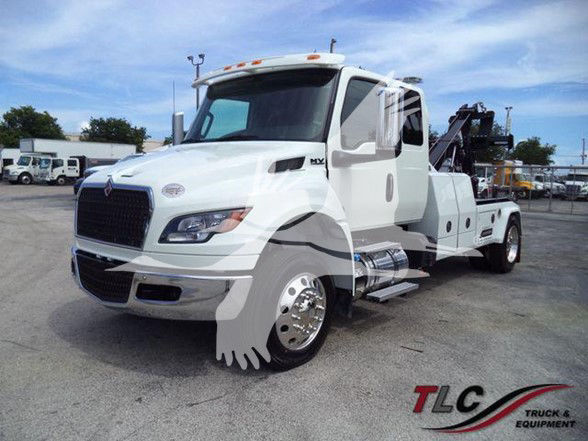
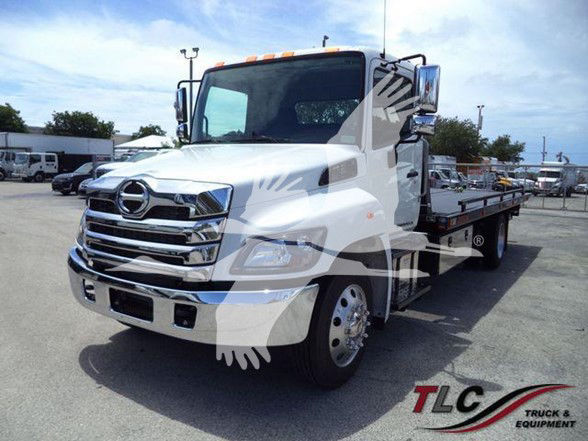
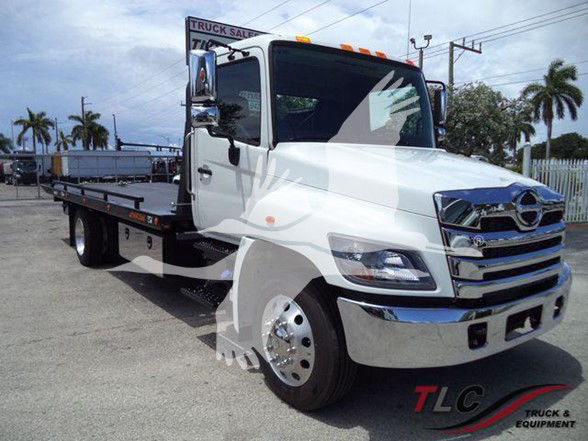
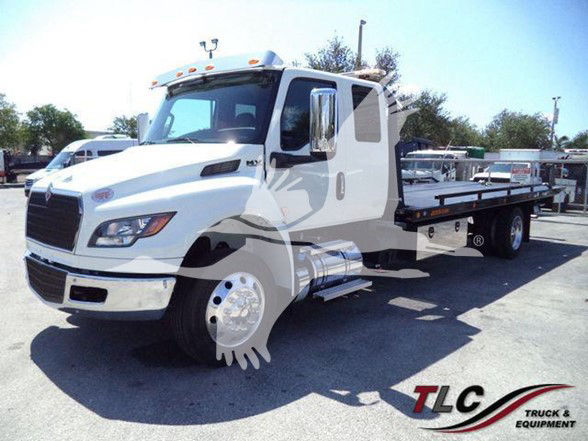
Showing 1 to 24 of 35 results
Have 2025 tow truck to sell? List it here to reach thousands of buyers.
2025 Tow Trucks in Florida
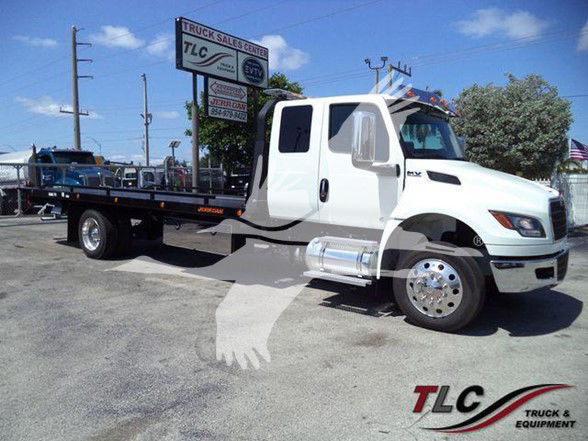
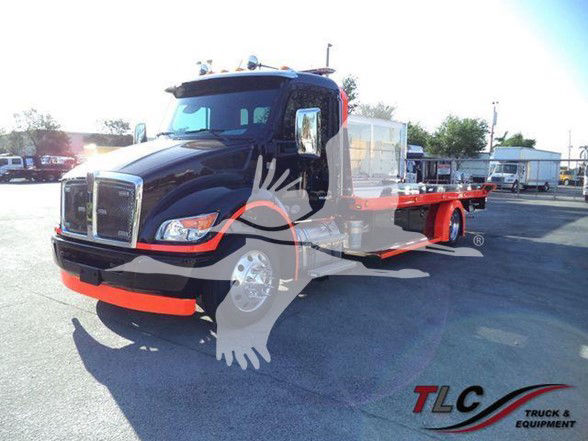
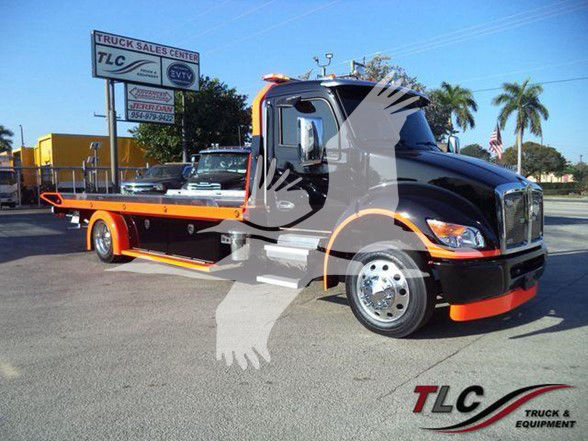
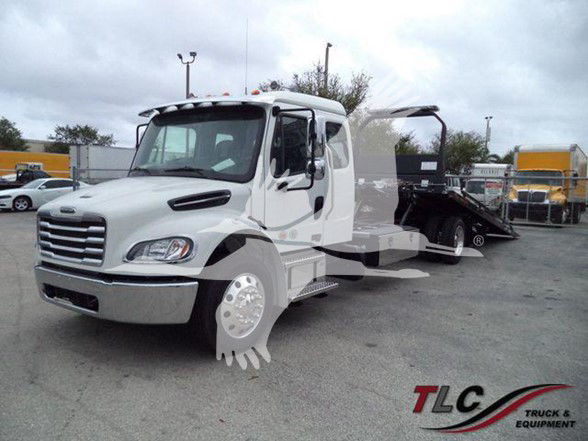
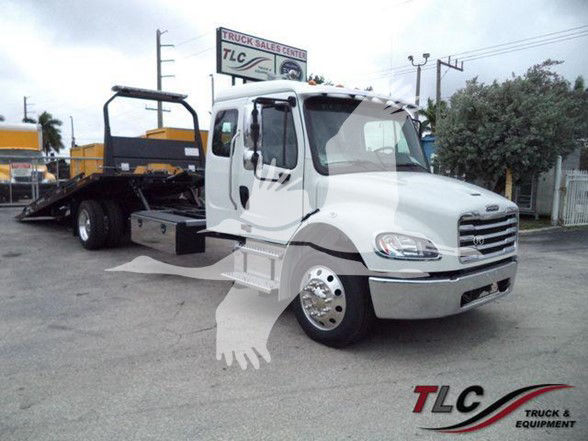
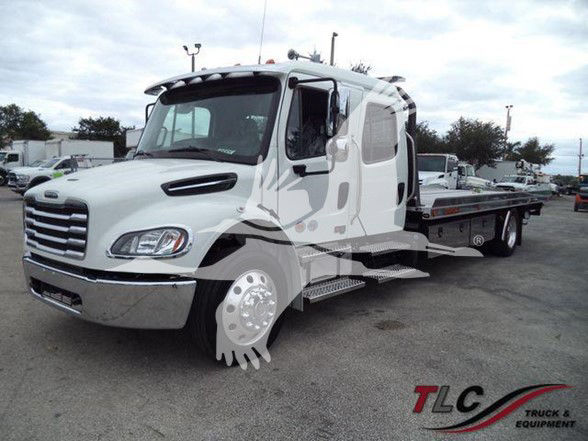
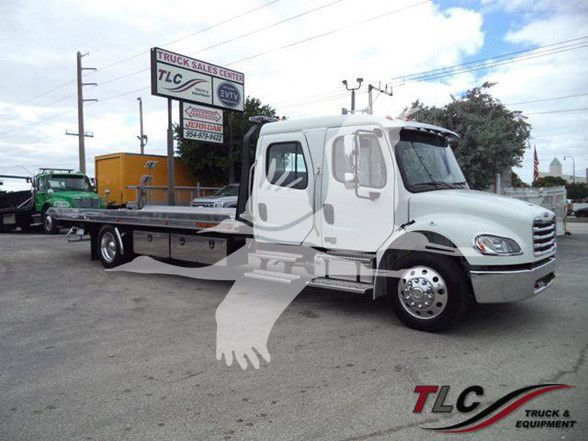
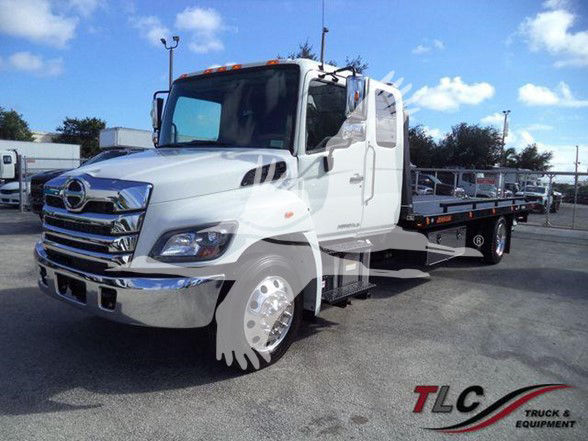
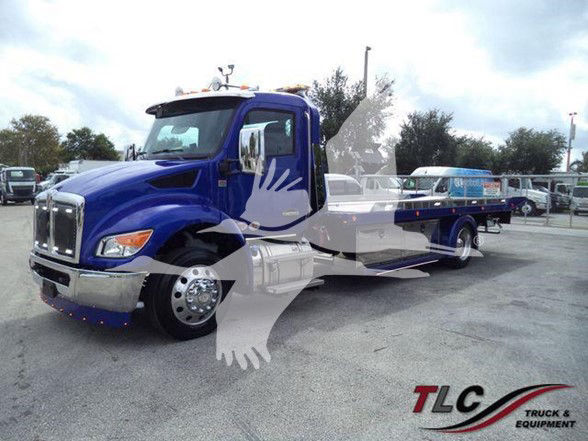
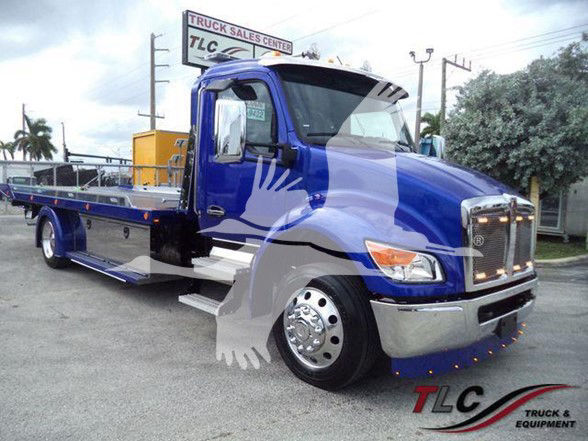
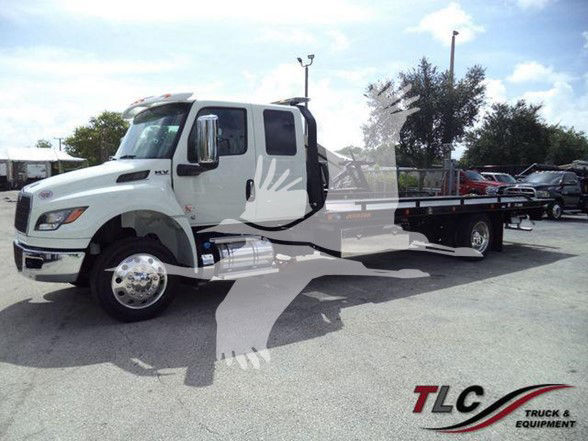
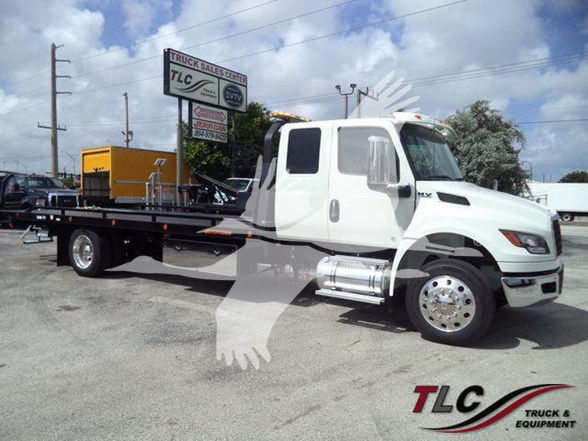
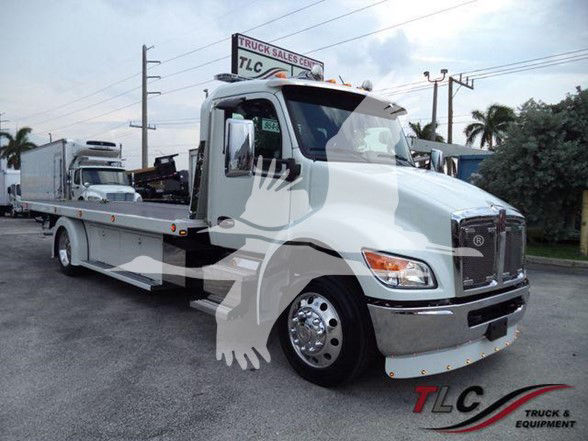
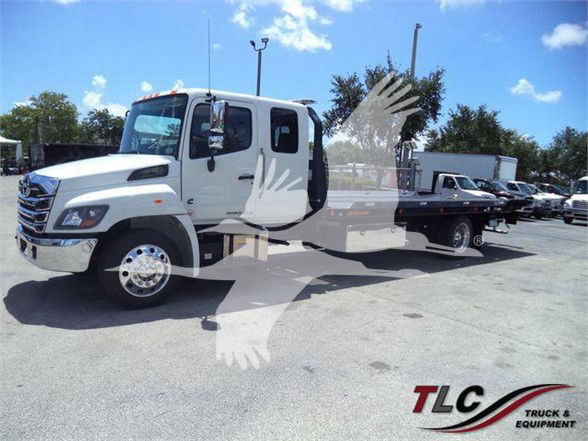
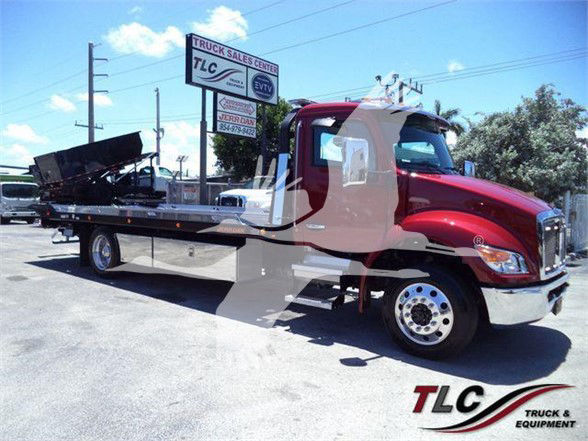
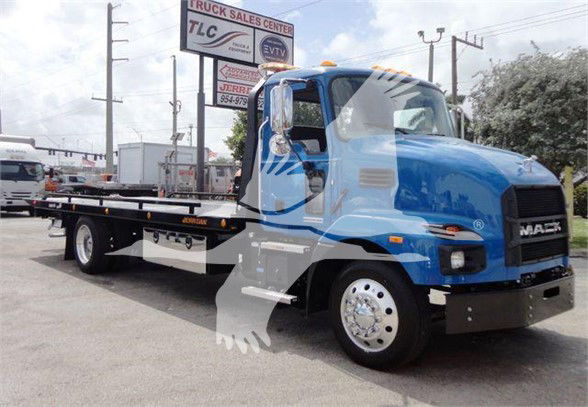
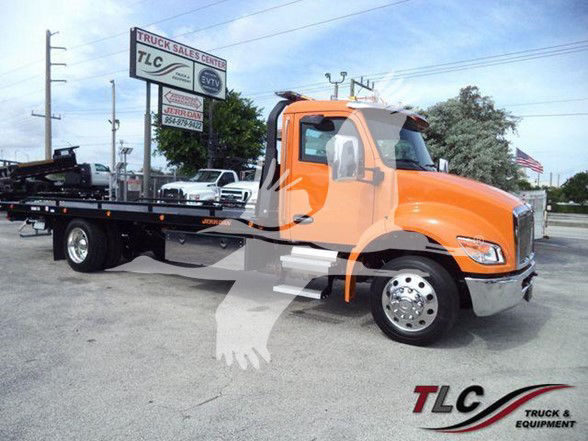
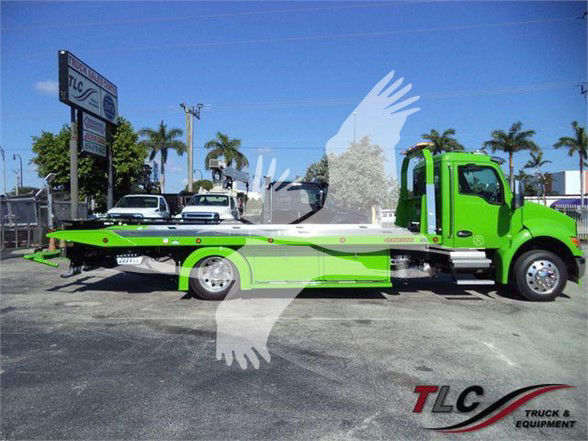
For Florida buyers, deck height, corrosion resistance, and cooling performance deserve extra attention. Many late-model rollback tow trucks in this class use 20-foot or 22-foot XLP or low-profile beds, typically 102 inches wide, with 6-ton bed ratings and 8,000-lb class winches. A 3,500-lb hydraulic wheel lift is common on carrier bodies and adds flexibility for moving a second vehicle or repositioning units in tight lots. Stainless trim, aluminum wheels, polished fuel tanks, and sealed LED lighting are not just appearance upgrades in a humid, coastal environment. They help with long-term durability and cleanup. Buyers running South Florida, beach communities, or year-round outdoor storage should also look closely at toolbox construction, wiring protection, and the finish quality on body mounts and light brackets.
On the chassis side, 2025 tow trucks are commonly built on Class 5 through Class 7 platforms from Ford, Ram, Chevrolet, Hino, and Kenworth. Typical specs include diesel power, automatic transmissions such as the Allison 2200RDS, and GVWRs ranging from around 19,500 lb on smaller self-loaders to 26,000 lb on medium-duty rollback carriers. Air brakes and air ride suspension become more common as you move into the heavier Hino and Kenworth based carriers, while pickup-based F-550 and Ram 5500 units remain popular for urban towing and lighter transport work. Useful options to compare across listings include wheel-lift rating, winch capacity, dual free spool operation, wireless remote controls, backup cameras, differential locks, dollies, work-light placement, and toolbox size. The right combination depends less on brand and more on the calls you run every day.
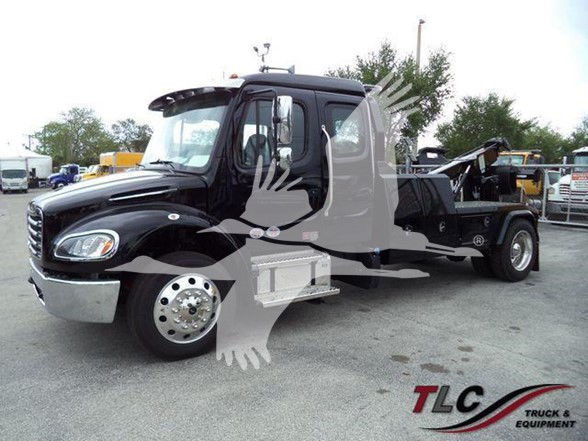
A strong buyer focuses on body manufacturer support, real payload capability after upfit, and how the truck will be dispatched. Jerr-Dan is one of the most common names in this segment, and buyers often compare XLP carrier geometry, bed construction, pylon style, rail type, and available lighting packages. If the truck will spend most of its time on dealer transfers, auction runs, and collision-free transport, a rollback carrier usually makes the most sense. If the business is centered on private property impounds, repossession support, and quick roadside recoveries, a self-loader wrecker may deliver better productivity. The best 2025 tow truck is the one sized correctly for local legal limits, driver experience, storage needs, and the mix of passenger vehicles, pickups, and commercial units on your route.
Frequently Asked Questions about 2025 Tow Trucks in Florida
What is the difference between a rollback tow truck and a self-loader wrecker?
A rollback tow truck uses a hydraulic tilting bed to load and carry the vehicle completely on the deck. This setup is preferred for low-clearance cars, damaged vehicles, all-wheel-drive models, and longer-distance transport. A self-loader wrecker uses a wheel lift and boom system to quickly pick up a vehicle by the tires, making it faster for impounds, roadside calls, and short-distance towing. The right choice depends on whether your operation values transport protection or fast recovery cycle times.
What bed size and capacity are common on 2025 carrier tow trucks?
Many 2025 carrier tow trucks are equipped with 20-foot or 22-foot beds that are 102 inches wide. In this segment, a 6-ton steel or aluminum carrier body is common, often paired with an 8,000-lb winch and a 3,500-lb hydraulic wheel lift. Extra-low-profile, or XLP, decks are especially popular because they reduce loading angle and make it easier to handle low cars, crossovers, and specialty vehicles without scraping bumpers or underbody components.
What GVWR should I look for in a 2025 tow truck?
GVWR should match the chassis, body, and the type of vehicles you expect to move. Pickup-based tow trucks such as Ford F-550 or Ram 5500 units are commonly used for lighter-duty work and urban service, while medium-duty trucks in the 23,500-lb to 26,000-lb GVWR range offer more stability, stronger upfit support, and better suitability for full-size pickups, vans, and higher-volume commercial work. Buyers should always consider actual payload after the carrier or wrecker body, toolboxes, fuel, and towing gear are installed.
Are air brakes and air ride suspension worth it on a tow truck?
On medium-duty rollback carriers, air brakes and air ride suspension can be worthwhile upgrades. Air brakes are standard on heavier chassis and are valued for durability and stopping performance in commercial use. Air ride suspension can improve ride quality, help protect transported vehicles, and reduce driver fatigue over long routes. For lighter-duty city work, hydraulic brake systems on smaller chassis may still be perfectly suitable, but fleets doing frequent transport work often prefer the heavier-spec setup.
What features matter most for tow trucks operating in Florida?
For Florida service, corrosion resistance and visibility equipment should be high on the list. Stainless steel components, aluminum wheels, sealed LED lighting, protected wiring, and well-finished toolboxes hold up better in humidity, rain, and coastal air. Cooling system performance also matters because tow trucks spend time idling, winching, and operating hydraulic systems in high heat. Backup cameras, wireless remotes, and strong work-light coverage are especially useful for crowded lots, night calls, and storm-season recovery conditions.