
2021 Tow Trucks For Sale in Florida
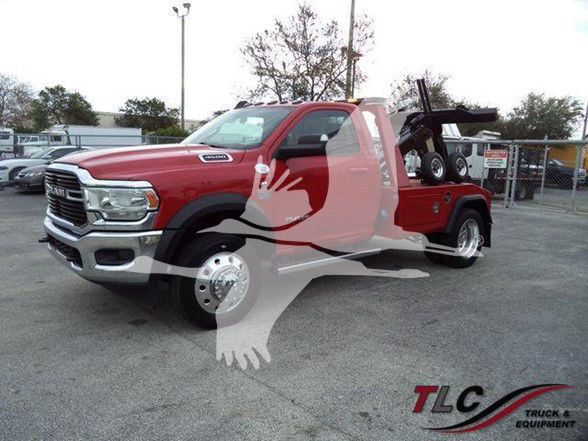
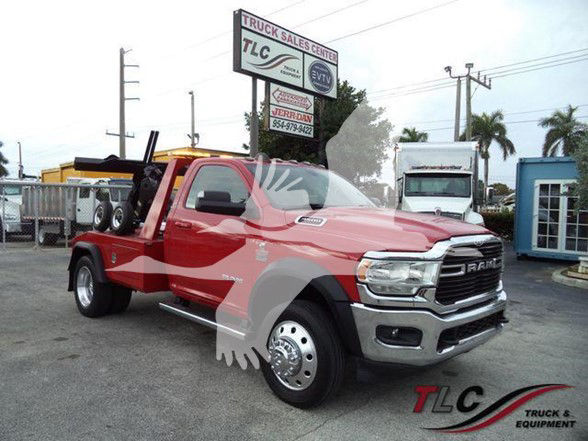
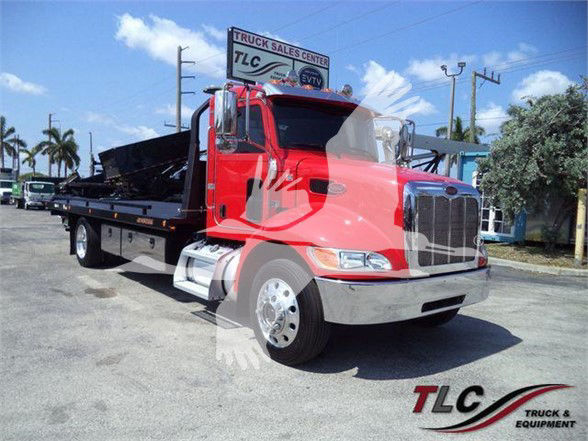
Have 2021 tow truck to sell? List it here to reach thousands of buyers.
2021 Tow Trucks in Florida
Common 2021 tow truck specs in the medium-duty market include GVWRs around 23,500 to 26,000 pounds, diesel power from platforms like the Cummins 6.7L or Duramax 6.6L, and Allison automatic transmissions. Many are built on Freightliner M2 106, International MV, Peterbilt 337, or Chevrolet Silverado 6500HD chassis. On rollback units, a 21 to 22 foot bed, 102-inch deck width, 8,000-pound winch, and 3,500-pound wheel-lift are typical. On wrecker bodies, dual winches, self-loader wheel-lifts, tunnel boxes, and extendable recovery booms are common. Air brakes, air ride suspension, 22.5-inch rubber, aluminum wheels, and extended cabs show up often in this year range because buyers were already prioritizing driver comfort and daily-use durability.
Florida buyers should pay close attention to corrosion, hydraulic condition, and electrical reliability. Even cleaner southern trucks can show wear from humidity, salt air, and heavy stop-and-go service. A rollback should be inspected for deck straightness, cylinder seepage, cable condition, pivot wear, and signs of damage around the subframe and tail section. A wrecker should be checked for boom wear, winch performance under load, sling and fork completeness, wheel-lift function, and remote operation if equipped. On either type, confirm the PTO engages cleanly, the bed or boom cycles smoothly, and the chassis has enough wheelbase and front axle capacity for the body installed. Weight distribution matters more than many first-time buyers expect, especially on 22-foot carriers and heavier self-loaders.
The right 2021 tow truck depends on call mix more than brand loyalty. If the work centers on breakdowns, parking enforcement, and quick recoveries in tight lots, a self-loader or light-duty wrecker is usually the more efficient tool. If the goal is transporting cars, SUVs, small trucks, and damaged vehicles with less risk to driveline components, a rollback is the safer and more versatile setup. Buyers comparing listings should look beyond paint and lights and focus on body manufacturer, winch ratings, wheel-lift capacity, cab-to-axle length, service history, and included towing gear such as L-arms, forks, dollies, straps, chains, and wireless remotes. A well-spec'd 2021 truck can still fit demanding municipal, commercial, or roadside duty if the chassis and towing equipment were matched correctly from the start.
Frequently Asked Questions about 2021 Tow Trucks in Florida
What is the difference between a 2021 rollback tow truck and a 2021 wrecker?
A rollback uses a tilting slideback deck to load and carry the entire vehicle, which makes it ideal for damaged vehicles, all-wheel-drive units, low-clearance cars, and transport work. A wrecker uses a wheel-lift and often a boom to tow a vehicle with two wheels on the ground, which is faster for short tows, impounds, and roadside calls. The better choice depends on the kind of calls the truck will handle most often.
What GVWR and capacity range is common on 2021 medium-duty tow trucks?
Many 2021 tow trucks in this category fall in the 23,500 to 26,000 pound GVWR range. Rollback carriers often have 6-ton class decks with 8,000-pound winches and roughly 3,500-pound wheel-lifts, while medium-duty wreckers may include dual 8,000 to 12,000 pound winches and higher-capacity wheel-lift systems. Actual towing performance depends on the body, wheelbase, axle ratings, and how the truck is equipped.
What should I inspect first on a used 2021 tow truck?
Start with the hydraulic system, PTO operation, and the towing body itself. On a carrier, inspect the deck, subframe, tilt function, winch, cable, and wheel-lift. On a wrecker, inspect the boom, winches, stiff legs if equipped, fork kit, wheel-lift, and remote controls. Then verify chassis condition, brake type, suspension, tire wear, front axle loading, and service records. Cosmetic condition matters less than smooth hydraulic operation and proper weight distribution.
Are 2021 tow trucks a good fit for Florida service?
Yes, but Florida use puts extra importance on electrical condition, cooling system performance, and corrosion checks. Coastal exposure and year-round humidity can affect wiring, lighting, connectors, hydraulic fittings, and metal components. Buyers should inspect for rust in body mounts, deck hardware, toolboxes, and underbody areas, even if the cab and paint still present well.
Which chassis are common under 2021 tow trucks?
Popular medium-duty chassis in this year range include Freightliner M2 106, International MV or 4300-series, Peterbilt 337, and Chevrolet Silverado 6500HD. Most are paired with diesel engines and Allison automatic transmissions because that combination works well for repeated stops, PTO use, and urban towing routes. The best chassis choice usually comes down to service support, axle configuration, and how well the wheelbase matches the tow body.