
2015 Tow Trucks For Sale in Florida
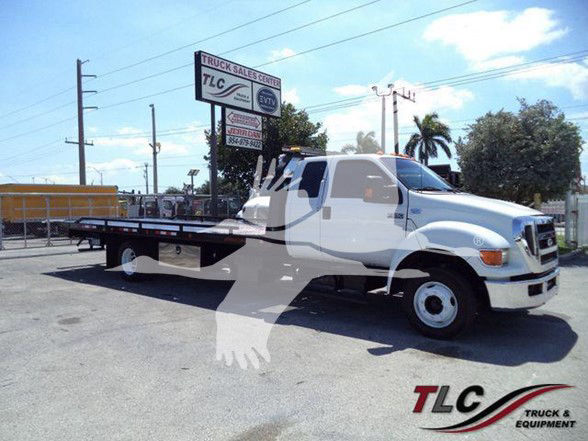
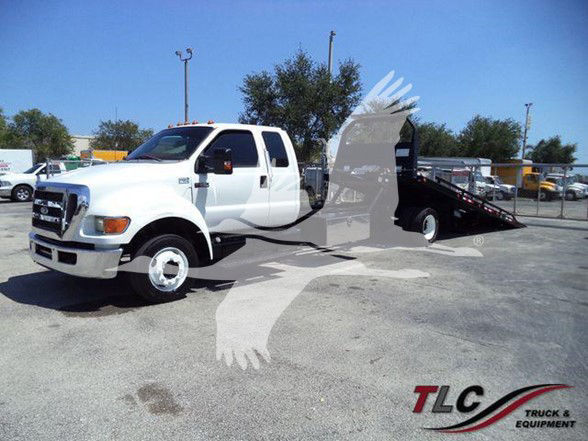
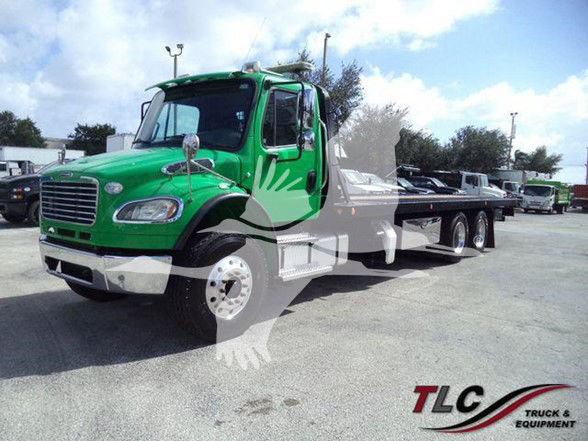
Have 2015 tow truck to sell? List it here to reach thousands of buyers.
2015 Tow Trucks in Florida
The first decision is body style. A rollback carrier is usually the most versatile option for moving cars, pickups, crossovers, and low-clearance vehicles because the bed tilts and slides back for easier loading. A traditional wrecker is better suited to short tows, recoveries, and situations where a wheel-lift-first setup is faster than deck loading. On 2015 models, pay close attention to deck angle, bed height, wheel-lift condition, and L-arm fitment if the truck will regularly handle modern vehicles with low front fascia, long wheelbases, or oversized tires. If the truck will operate heavily in Florida, corrosion condition around the bed subframe, hydraulic lines, crossmembers, toolboxes, and light wiring matters as much as the odometer.
Chassis specs in this segment often fall in the Class 4 through Class 6 range, including GVWRs from roughly 16,000 to 26,000 pounds. Diesel power is common on medium-duty units, while gas engines are frequently seen on smaller 4500, 5500, and similar platforms. Automatic transmissions dominate because they are easier in stop-and-go towing work and reduce driver fatigue. Buyers should verify front axle rating, rear axle rating, wheelbase, cab-to-axle measurement, and brake type before comparing listings. A longer wheelbase can improve weight distribution on a 21- or 22-foot carrier, while the right cab-to-axle length is critical for deck fit and legal axle loading. Air brakes and air ride suspension are more common on heavier medium-duty tow trucks, while hydraulic brakes are typical on smaller chassis.
Condition matters more than age on a 2015 tow truck. Inspect winch operation under load, bed slide wear pads, PTO engagement, hydraulic cylinder seals, wheel-lift pivot points, control station function, and the structure of the deck itself. Look for cracked paint around stress points, uneven bed movement, rust bleeding from welds, and signs of prior overload. Florida buyers should also check A/C performance, cooling system condition, and tire date codes because heat and year-round use can age components faster. A well-maintained 2015 tow truck can still serve productively in local and regional work, but the right truck is the one with service records, clean hydraulics, a straight frame, and a body capacity that matches the vehicles you actually plan to move.
Frequently Asked Questions about 2015 Tow Trucks in Florida
What is the most common type of 2015 tow truck buyers look for?
The most common 2015 tow truck configuration is a rollback carrier, also called a car carrier or flatbed tow truck. Buyers favor this style because it handles a wide range of vehicles, including low-clearance passenger cars, light trucks, and disabled units that should not be pulled with only a wheel lift. In the 2015 market, 20- to 22-foot decks, 102-inch bed width, and a 3,500-pound wheel lift are typical on light- and medium-duty carrier setups.
How do I know if a 2015 tow truck has enough capacity for my work?
Start with the body rating, wheel-lift rating, winch capacity, and chassis GVWR, then compare those numbers to the real vehicles you tow every day. A truck used for compact cars and dealership transfers can be spec'd much differently than one handling loaded pickups, vans, or frequent roadside recoveries. Capacity is not just about what the bed can hold. It also depends on axle ratings, wheelbase, weight distribution, and how the truck carries the load once the vehicle is on the deck or suspended on the wheel lift.
What should I inspect first on a used 2015 rollback tow truck?
Inspect the hydraulics, PTO operation, deck movement, and structural condition first. The bed should slide and tilt smoothly without binding, leaking cylinders, or irregular motion. Check the winch cable or synthetic line, controls, wheel-lift components, L-arms, and tie-down points. Then inspect the frame, crossmembers, toolbox mounts, wiring, lighting, and corrosion around the bed and subframe. A clean drivetrain is important, but expensive tow-body repairs often make or break the value of a used unit.
Are 2015 tow trucks in Florida affected more by corrosion or wear?
Florida trucks can show both, but the pattern is often different from northern trucks exposed to road salt. Surface corrosion can still develop from humidity, coastal exposure, and neglected paint damage, especially around steel decks, wheel-lift assemblies, hydraulic fittings, and electrical connections. At the same time, many Florida tow trucks accumulate heavy stop-and-go service hours, frequent PTO use, and constant A/C demand. Buyers should inspect for rust, but also for heat-related wear, faded interiors, weak air conditioning, and aged hoses, tires, and seals.
Is a 2015 tow truck still a good buy for a small towing business?
Yes, if the truck has the right service history and the spec matches the intended work. A 2015 tow truck can offer a lower acquisition cost while still delivering solid revenue in impound, roadside, repo, auction, and local transport service. The key is to buy on condition and configuration rather than year alone. A well-kept 2015 carrier with sound hydraulics, a straight frame, and documented maintenance is often a better business asset than a newer truck with the wrong body, weak capacity, or deferred repairs.