
Rollback Trucks For Sale in Florida
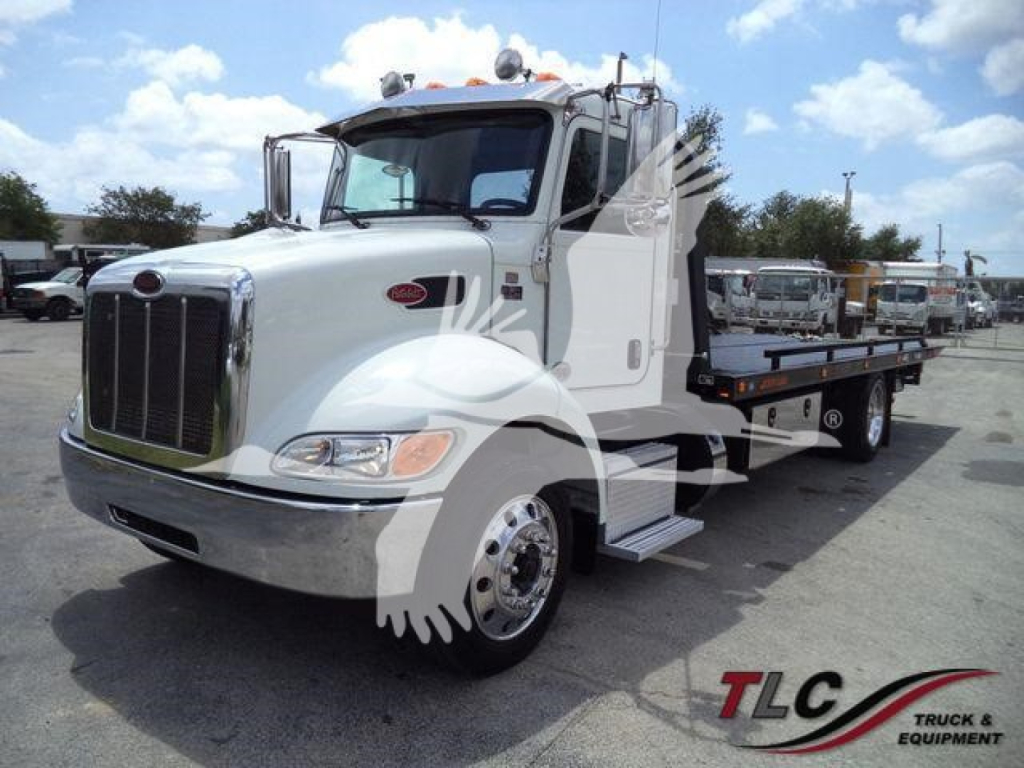
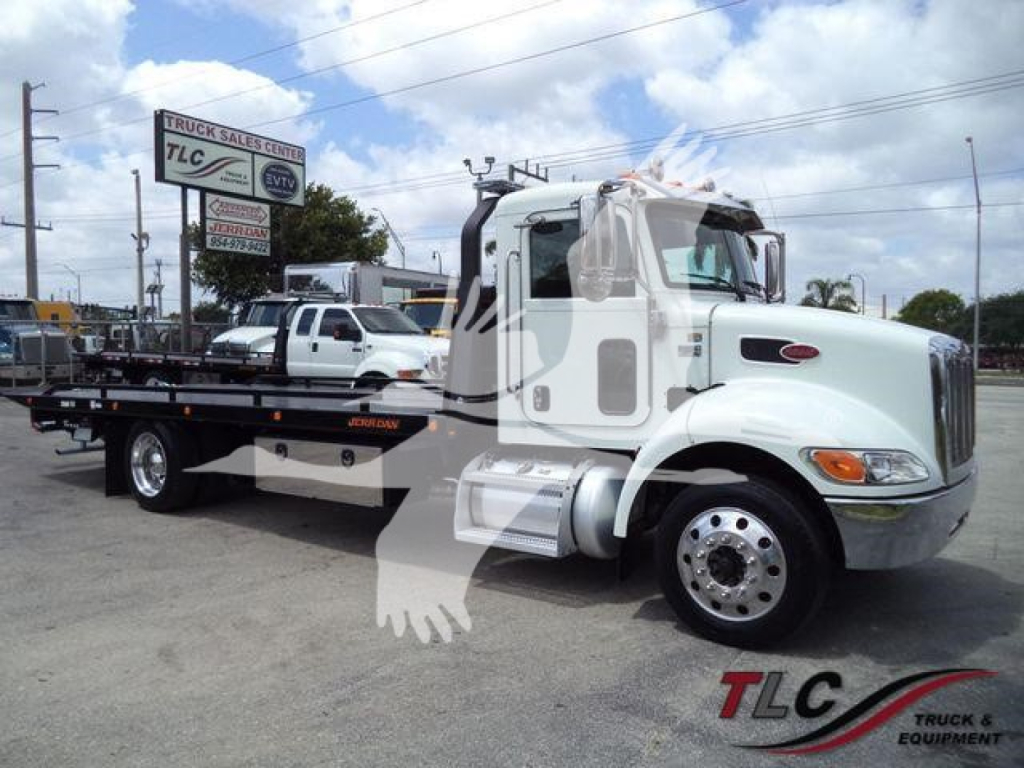
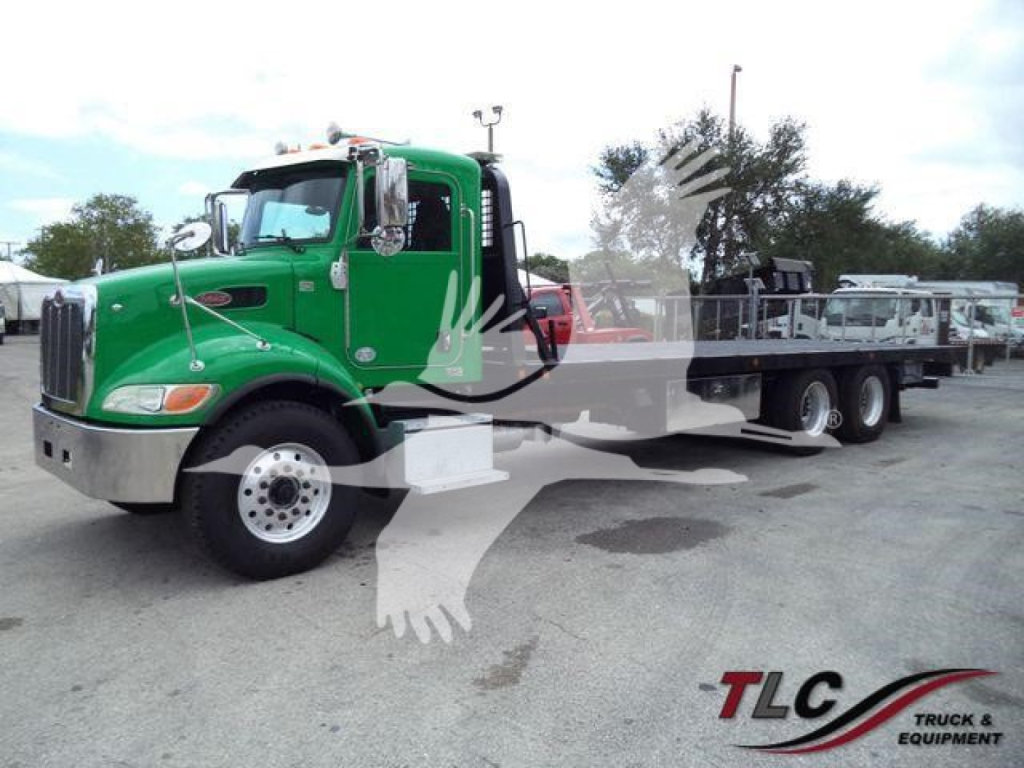
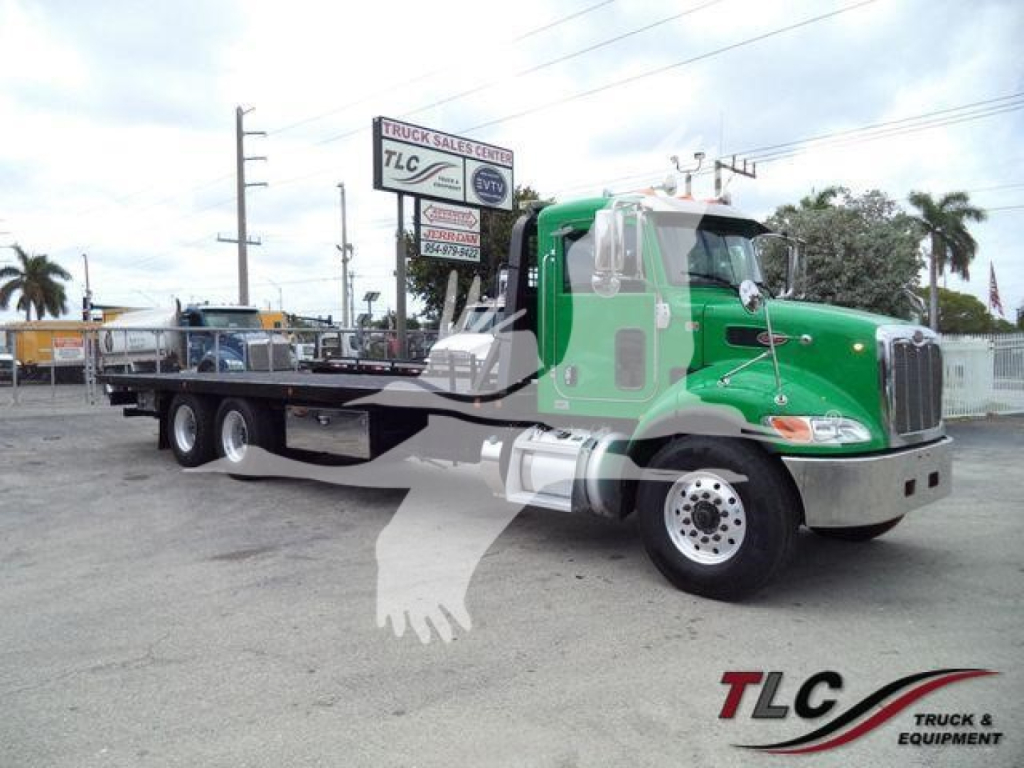
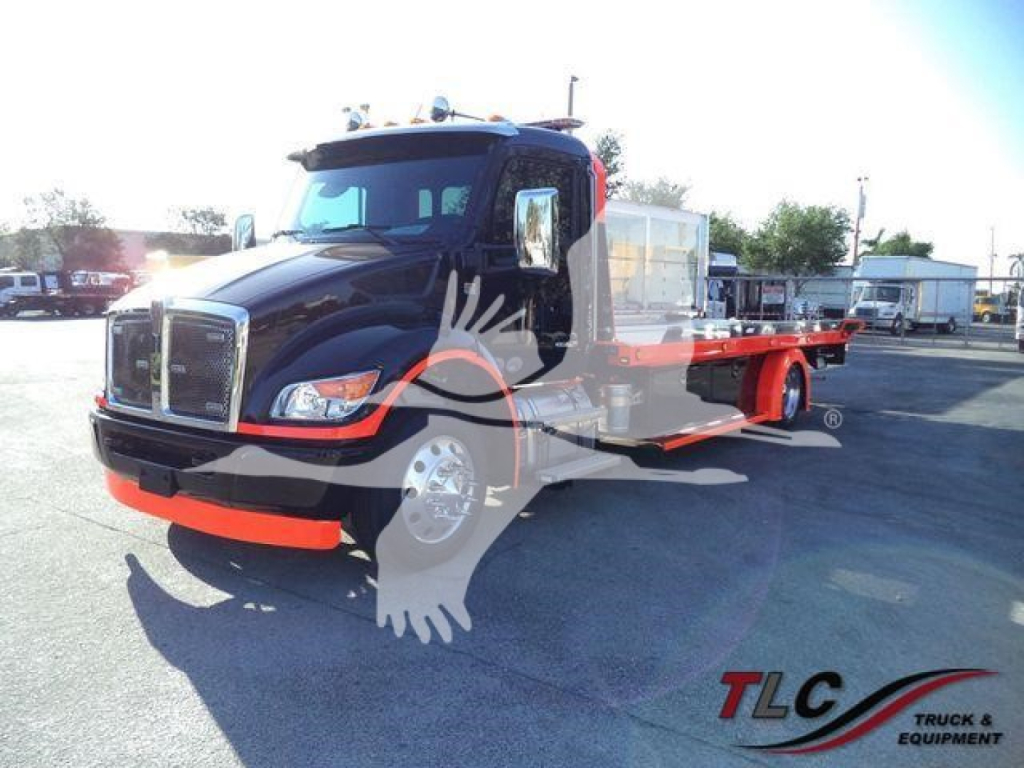
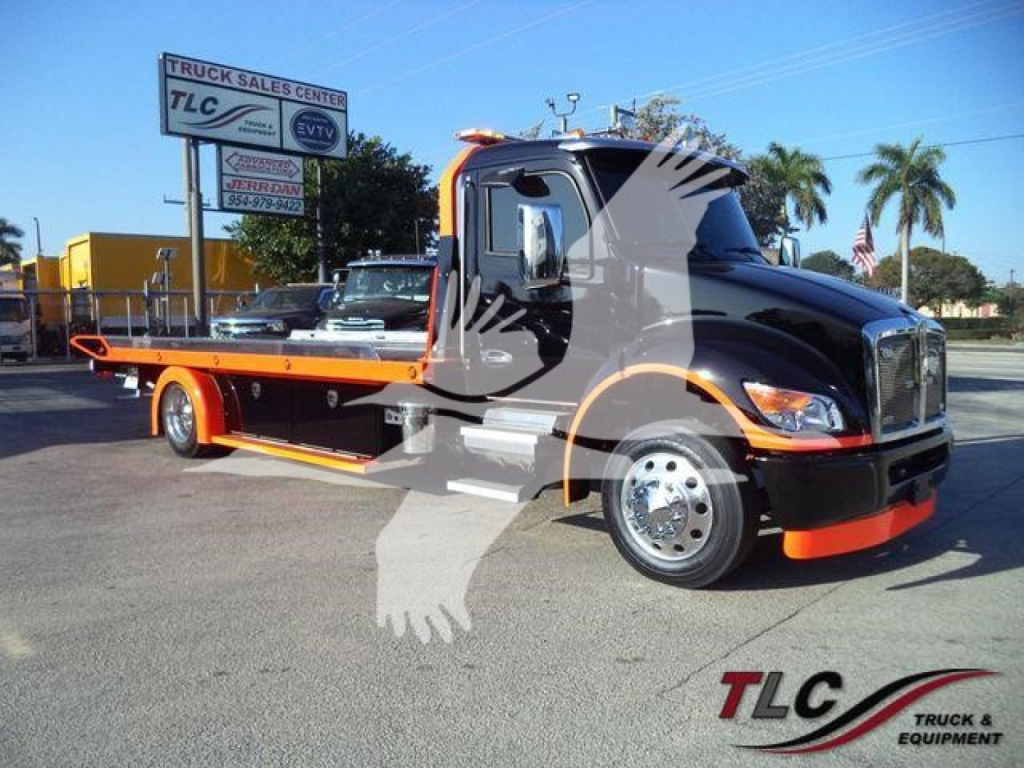
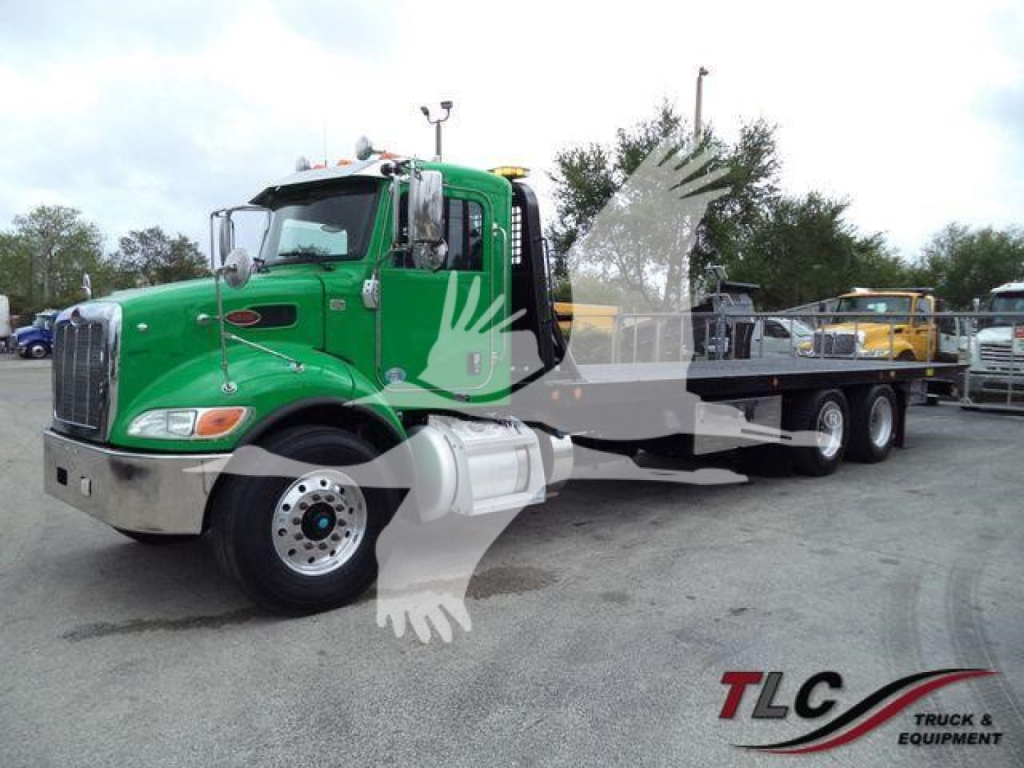
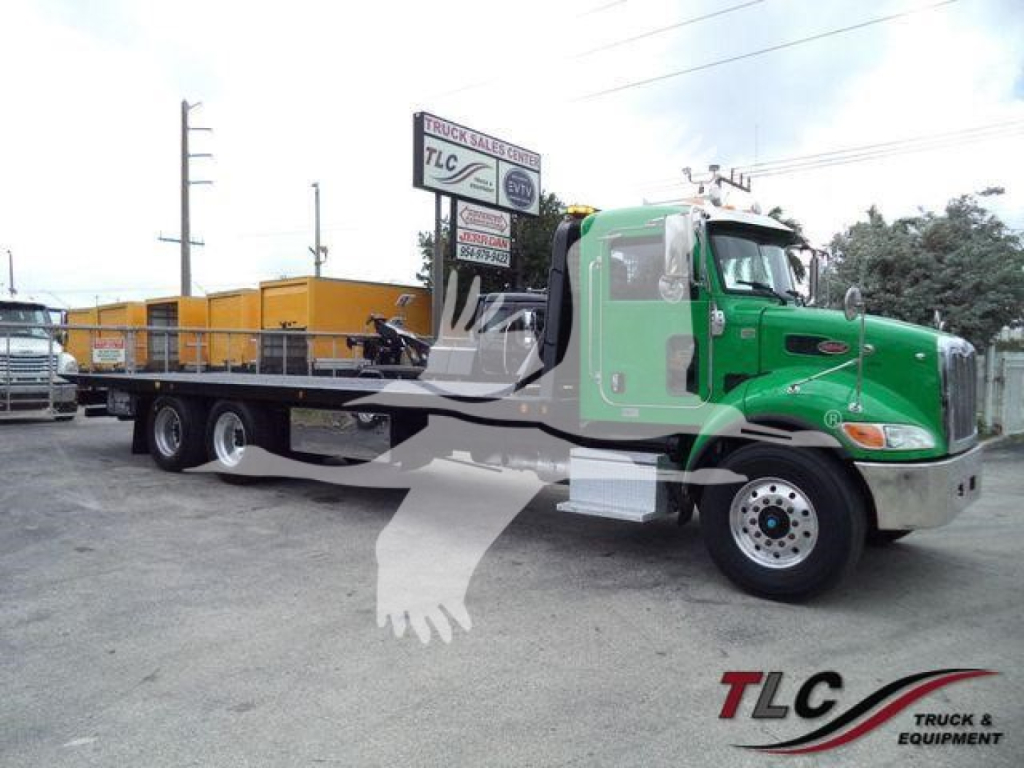
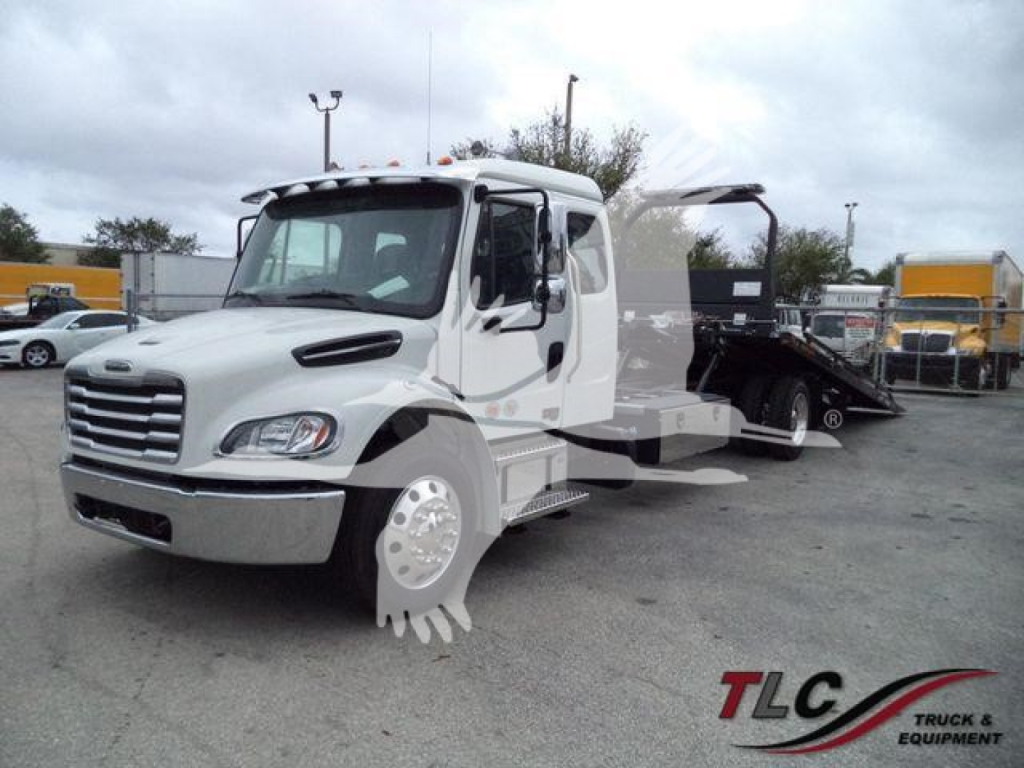
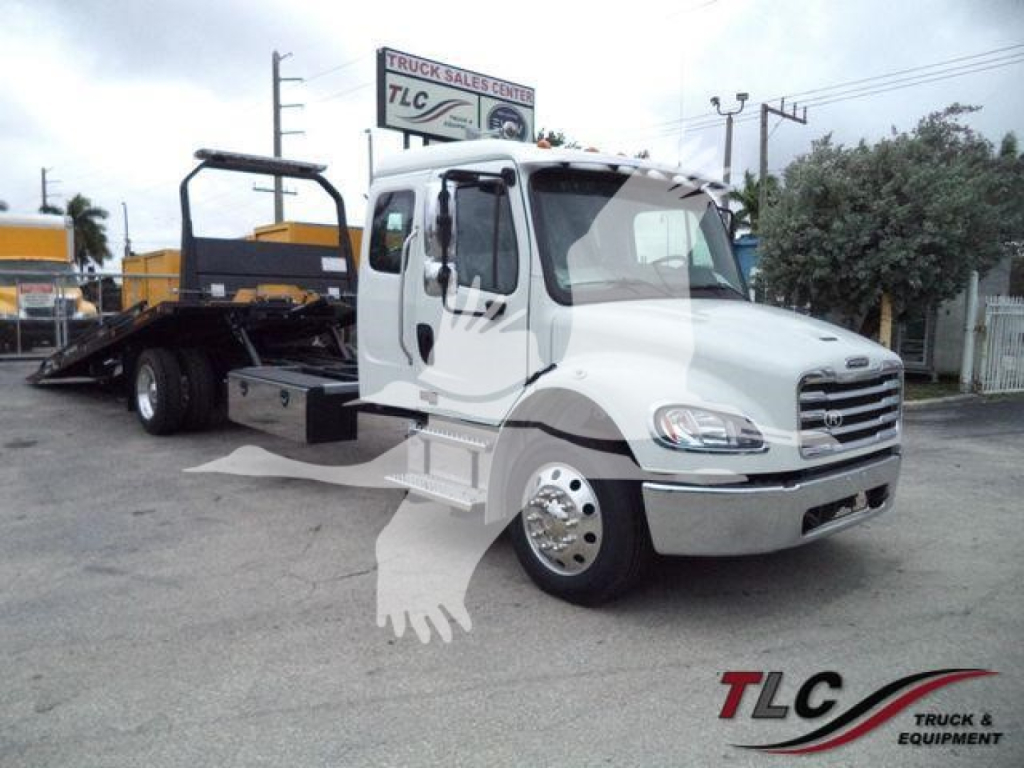
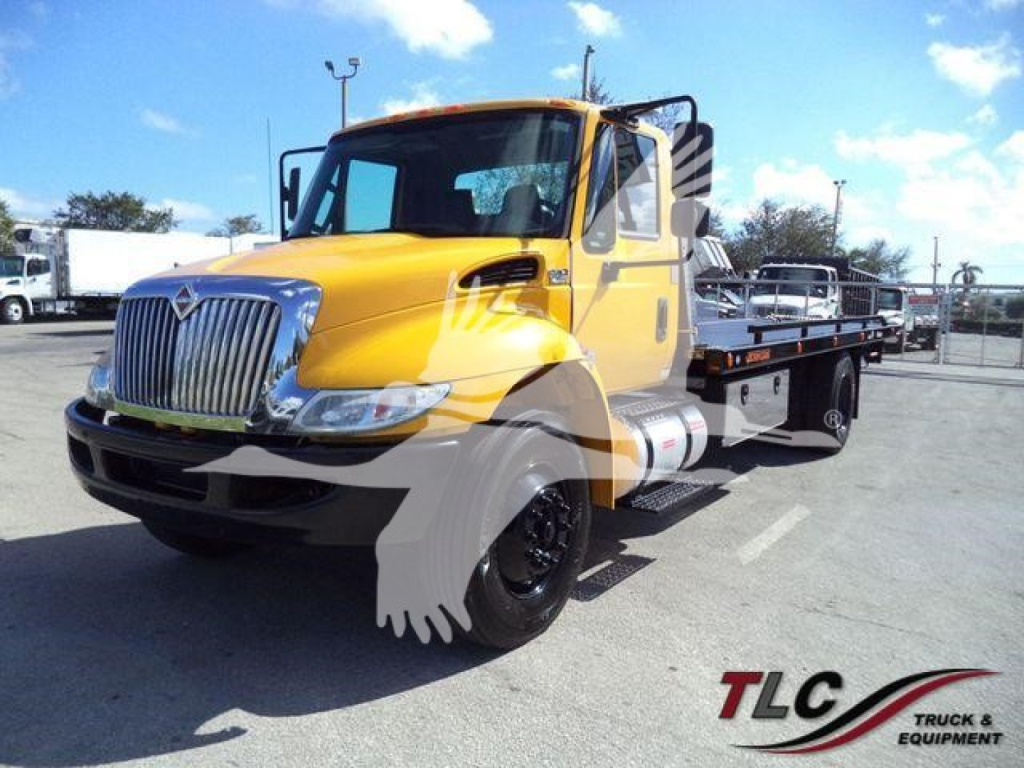
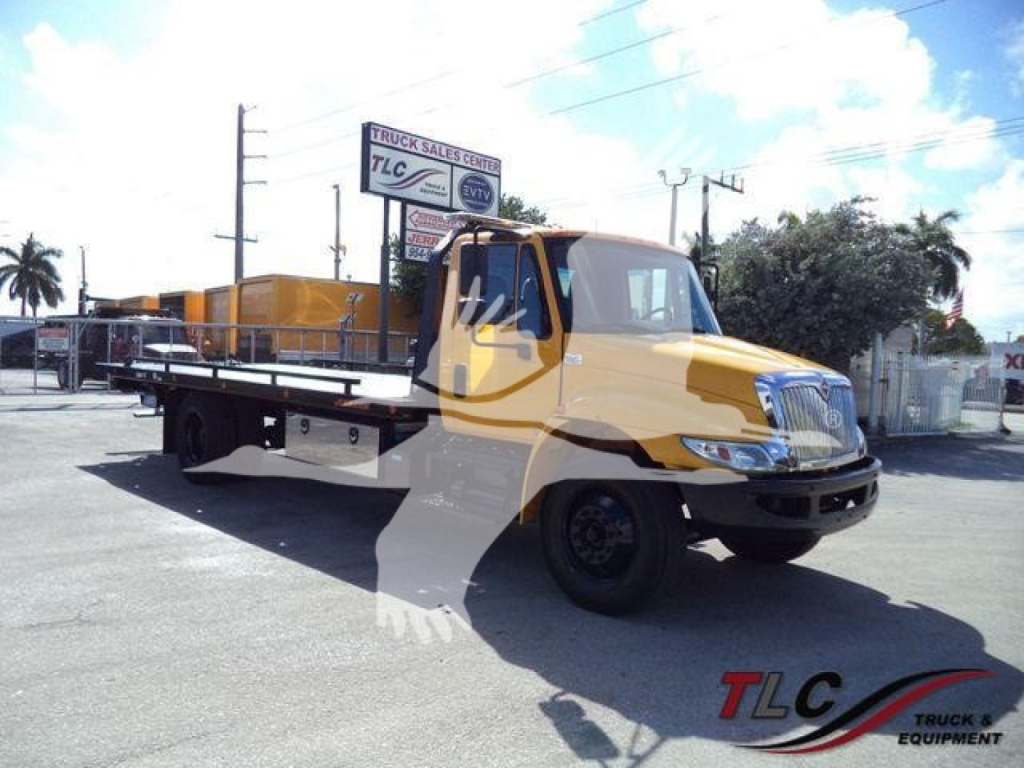
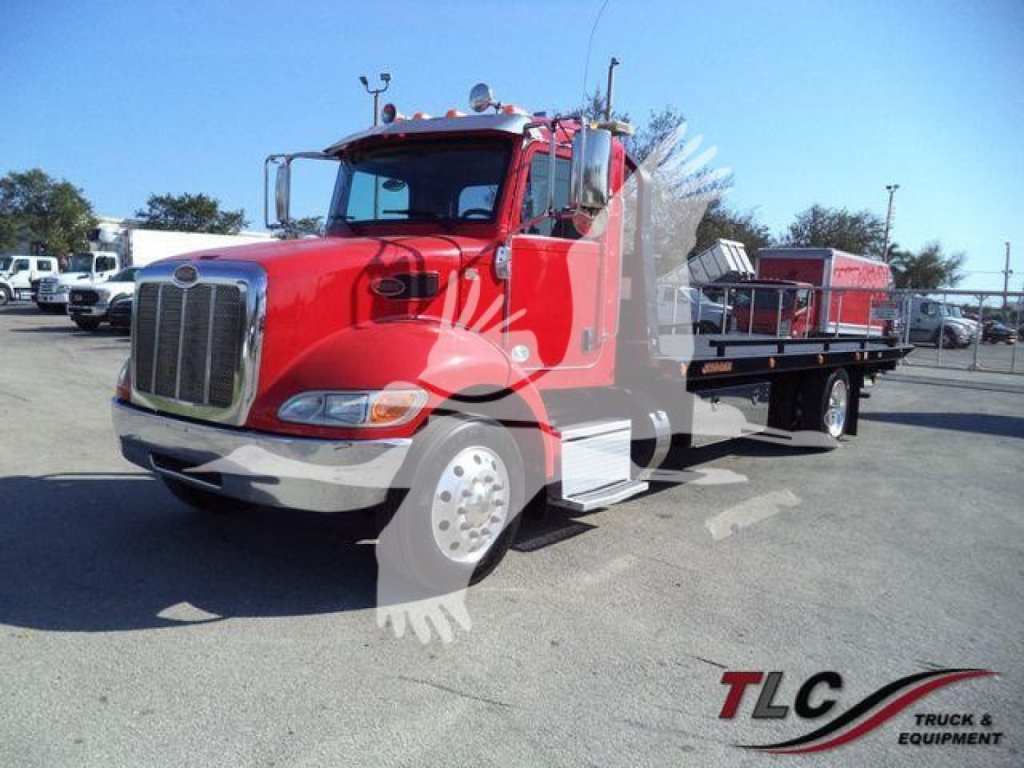
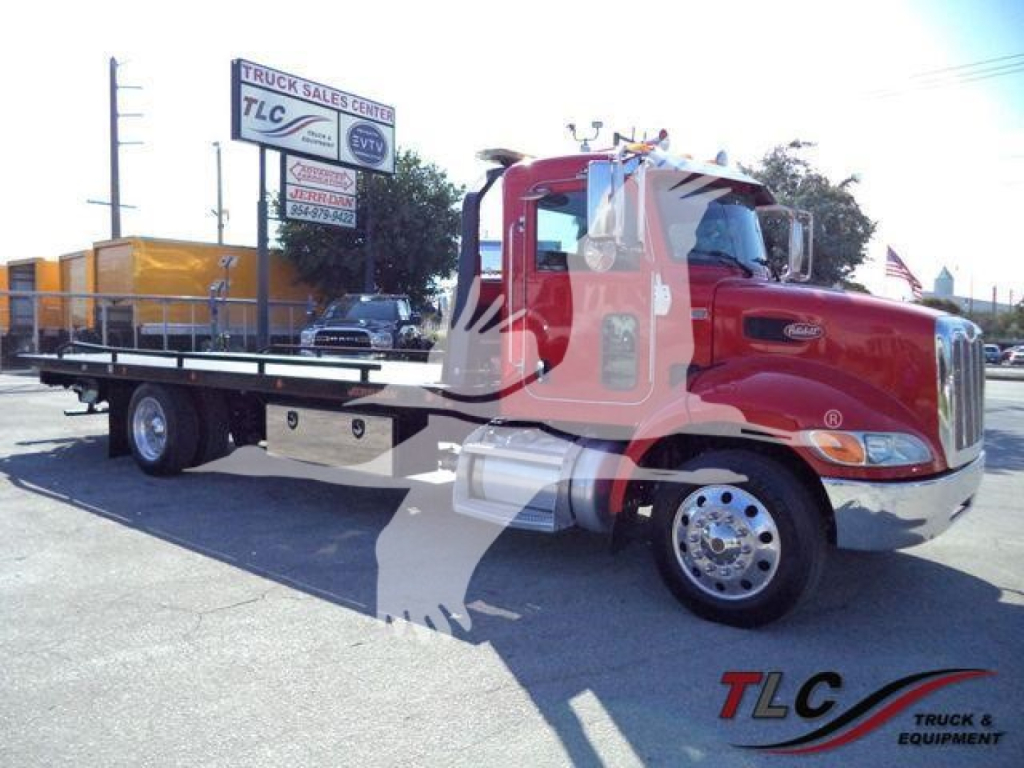
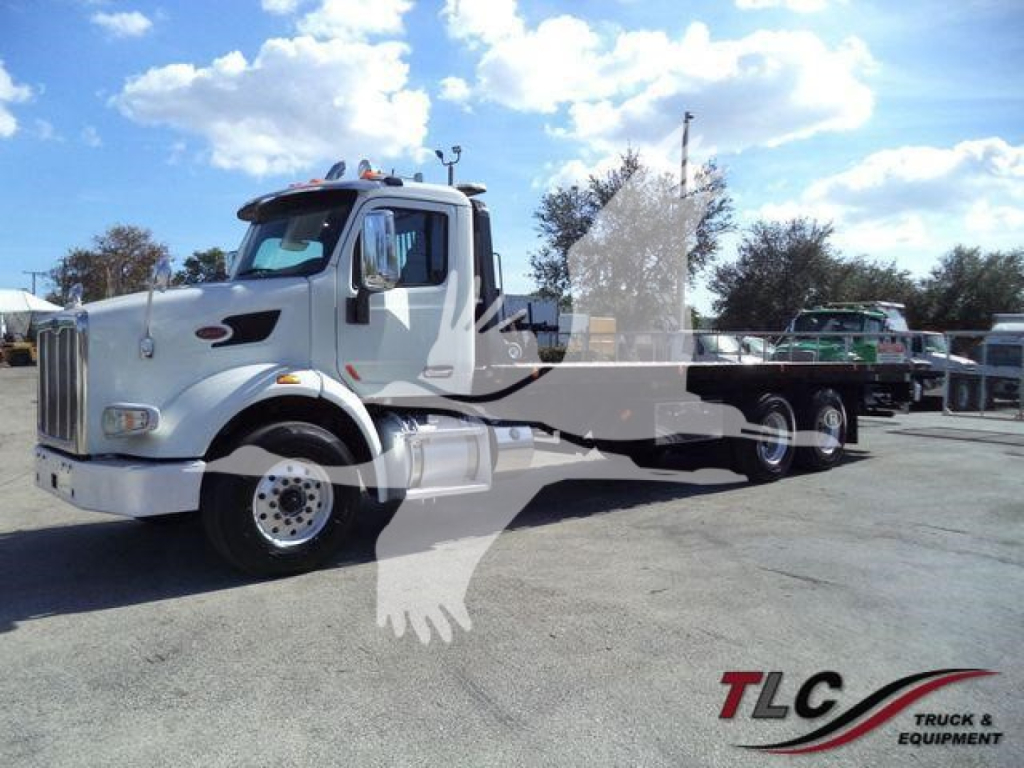
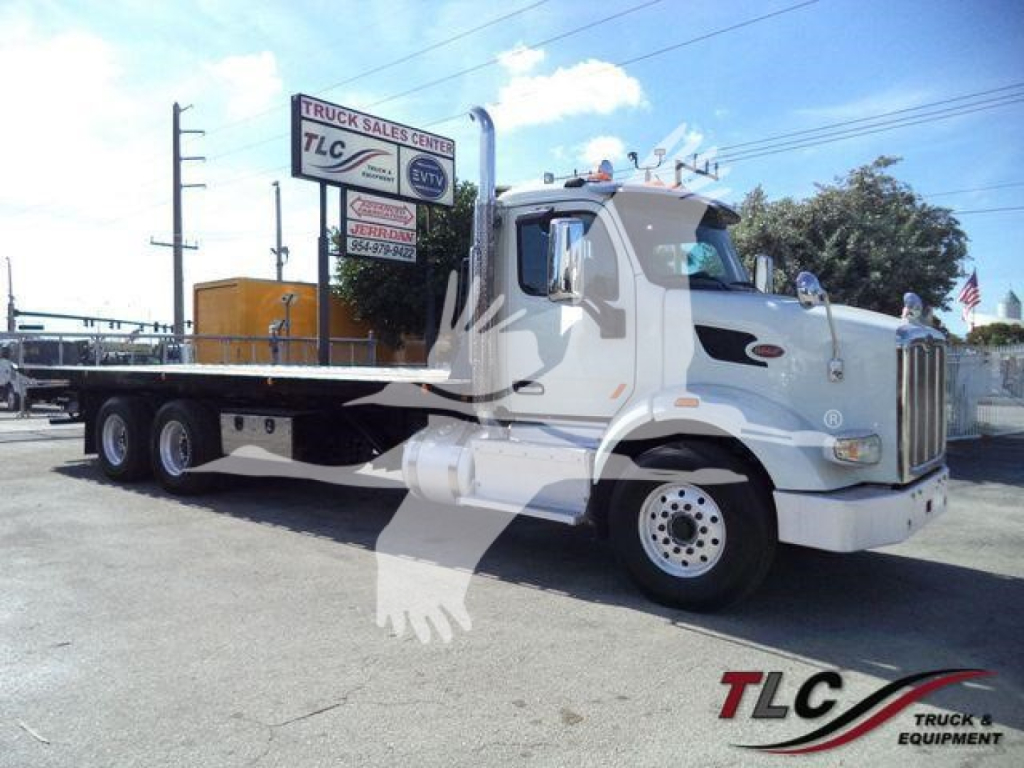
Browse rollback trucks for sale in Florida, including light and medium-duty carriers built for towing, recovery, transport, and roadside service.
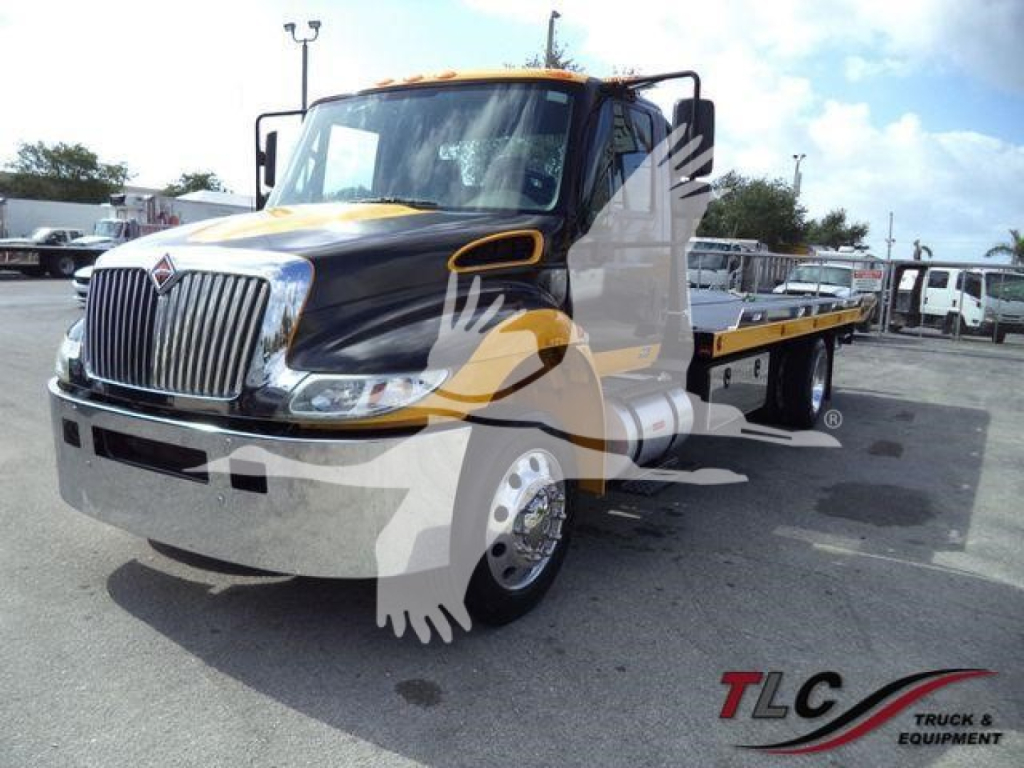
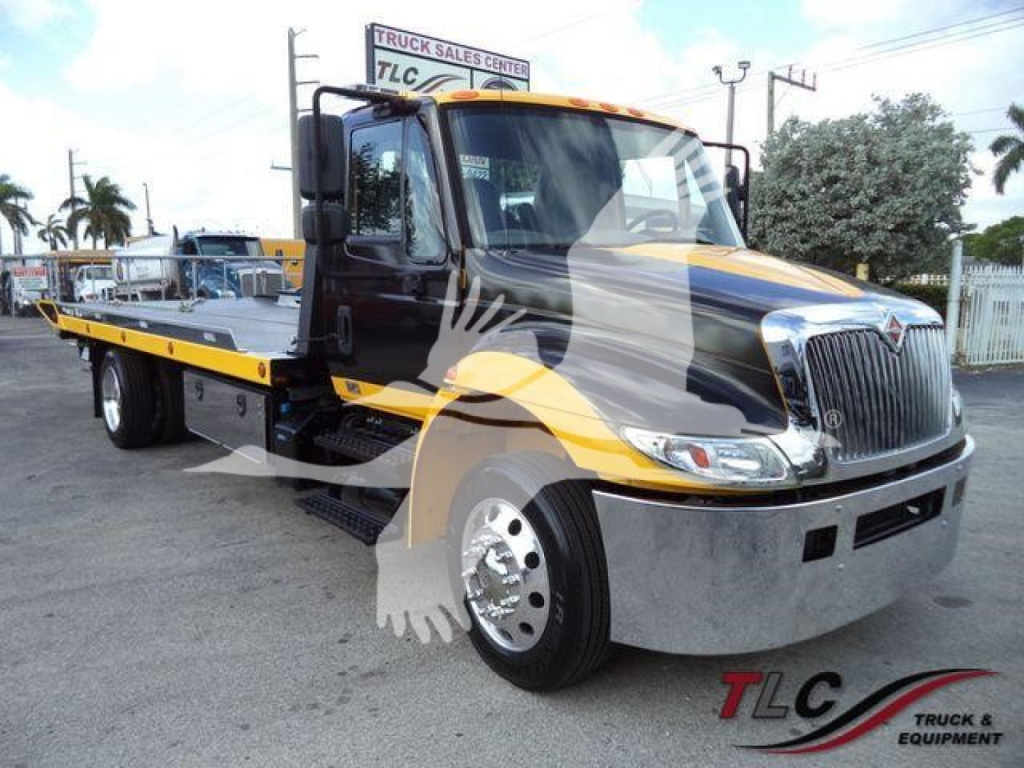
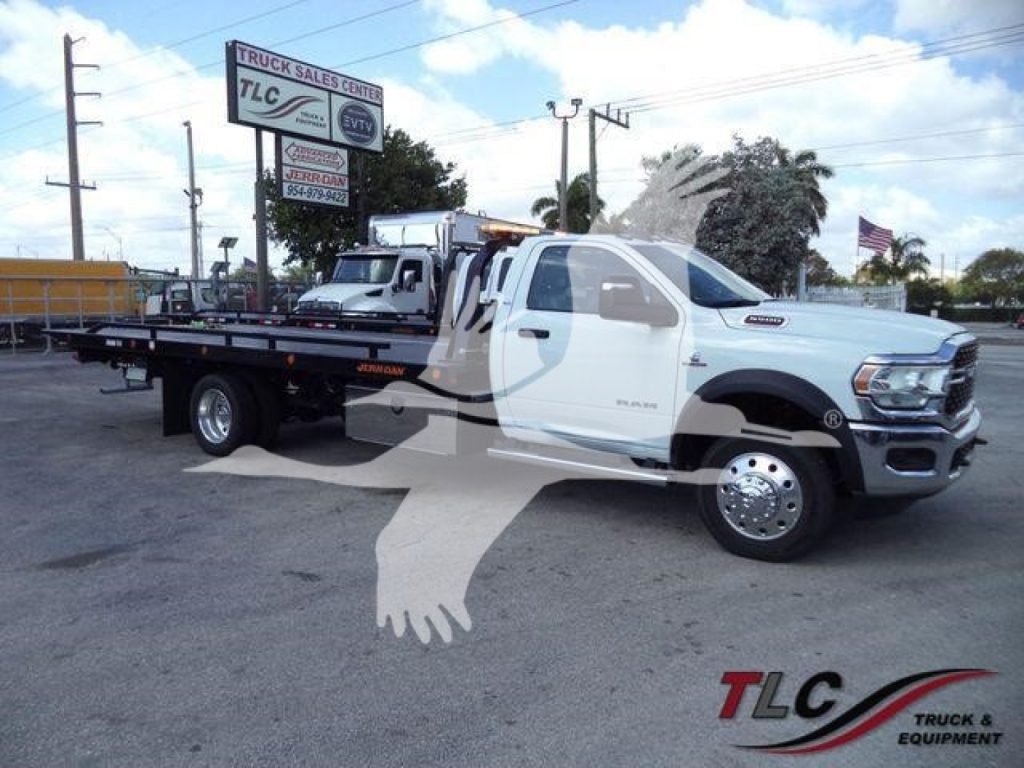
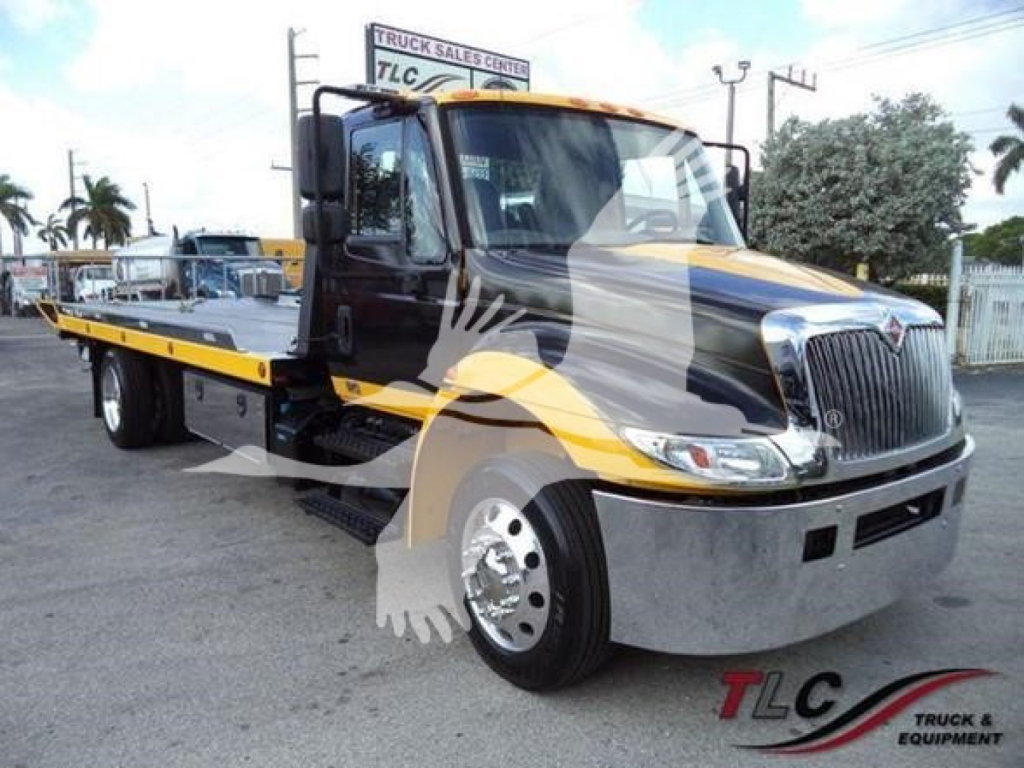
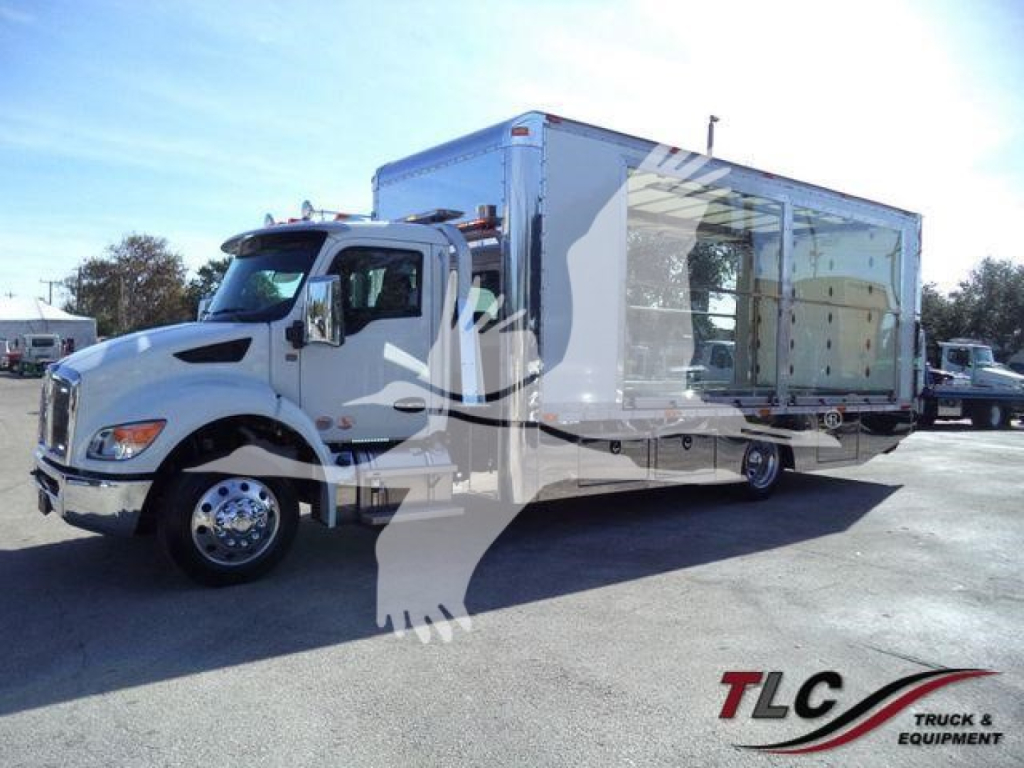
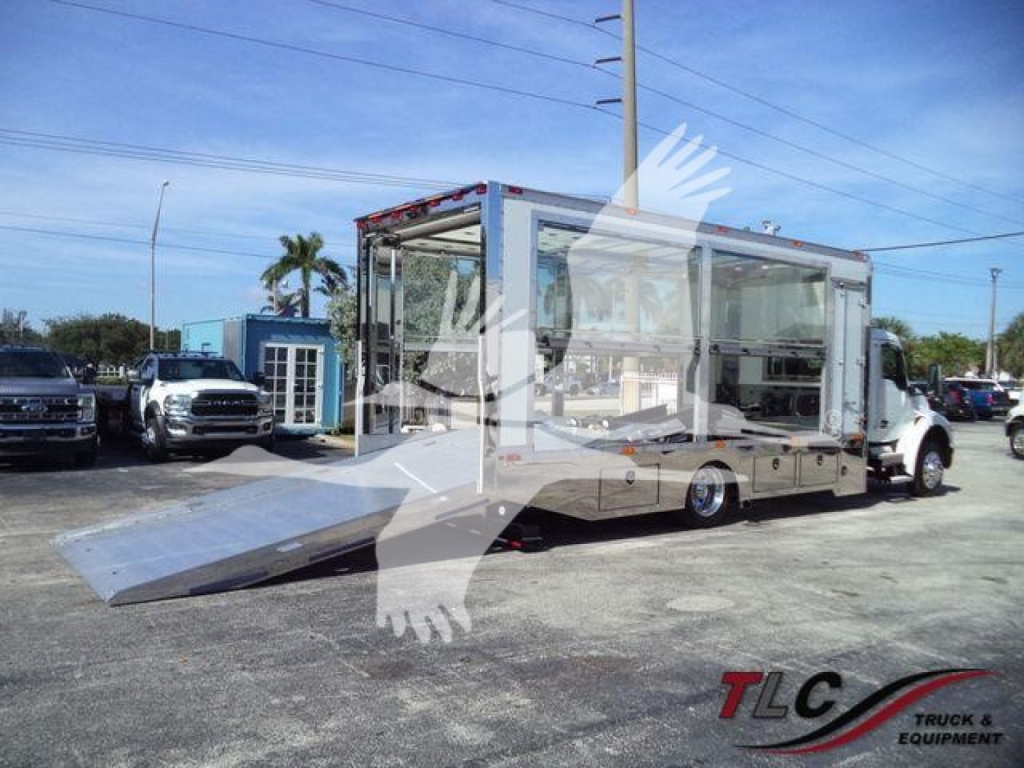
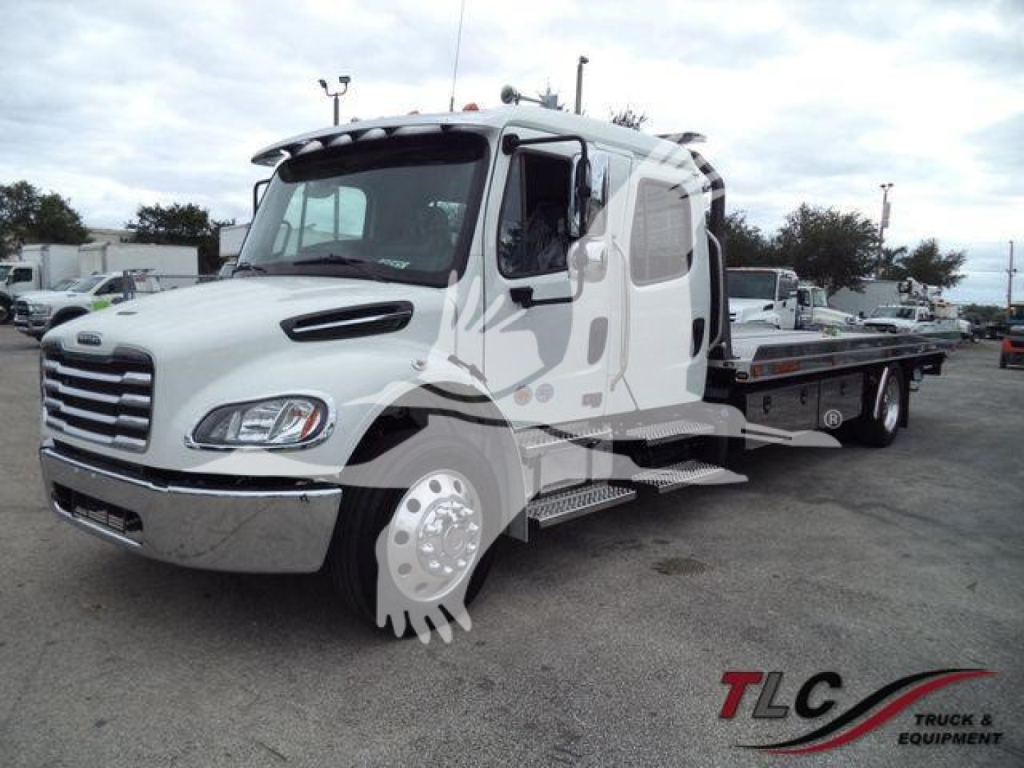
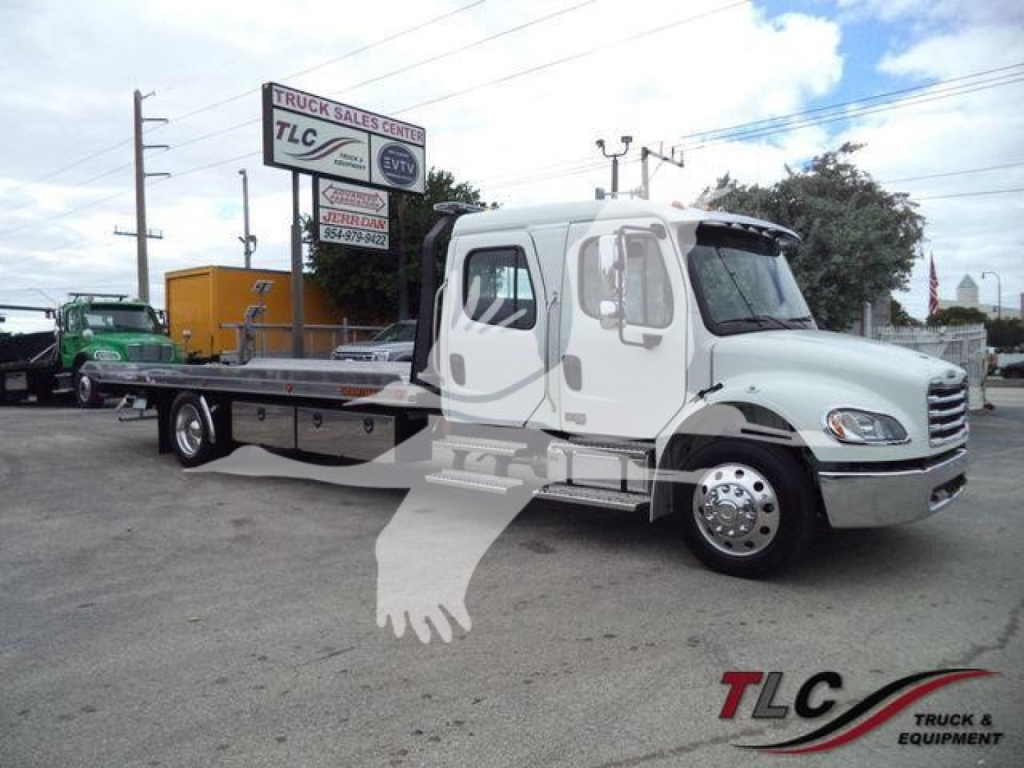
Showing 73 to 96 of 219 results
Have rollback truck to sell? List it here to reach thousands of buyers.
Rollback Trucks in Florida
A buyer should start with chassis class, GVWR, and bed length. Many rollback trucks are spec'd on Class 5 through Class 7 chassis, with 19-foot to 22-foot carriers being common in the market. A medium-duty setup around 26,000 GVWR can be attractive because it offers solid payload capacity without requiring a CDL in some applications, depending on actual operating weight and local rules. Engine horsepower, torque, wheelbase, and transmission choice all affect how the truck performs with a loaded deck, especially in stop-and-go towing work. Automatic transmissions, PTO operation, air brakes on heavier chassis, and air ride rear suspension are all common features buyers compare closely.
Carrier body specs are just as important as the cab and chassis. Look at deck construction, steel versus aluminum, raised rail versus low-profile design, winch rating, wheel-lift capacity, tie-down points, and hydraulic controls. A steel deck is durable and often lower in upfront cost, while aluminum can reduce empty weight and improve payload. Many buyers also look for a wheel-lift on the rear for moving an additional vehicle or improving recovery flexibility, but capacity ratings need to match the work. Practical details like tool storage, work lights, wireless remote controls, roller guides, free spool winches, and headboard design make a real difference in daily use.
Florida buyers should also pay attention to corrosion exposure, cooling performance, and service access. Coastal humidity and salt air can be hard on carrier bodies, hydraulic components, and electrical connections, so bed condition, cylinder seals, wiring integrity, and crossmember rust deserve a close inspection. For high-frequency urban towing, maneuverability and turning radius may matter more than maximum deck length. For longer transport runs between auctions, repair shops, and dealers, ride quality, cab comfort, and highway gearing become more important. The best rollback truck is the one matched to the weight of the vehicles you move, the frequency of winching versus driving on, and the operating environment where it earns its keep.
Frequently Asked Questions about Rollback Trucks in Florida
What is a rollback truck used for?
A rollback truck is used to transport cars, pickups, SUVs, vans, and some light equipment by lowering and sliding the bed to ground level, then loading the vehicle with a winch or by driving it onto the deck. This design reduces loading angle and helps prevent damage to low-clearance vehicles. It is widely used for towing, roadside recovery, dealer transfers, auction transport, and repossession work.
What bed length is common on a rollback truck?
Common rollback bed lengths are usually in the 19-foot to 22-foot range, although exact dimensions vary by chassis and body manufacturer. A longer deck can improve flexibility for larger vehicles, while a shorter carrier may offer better maneuverability in tight city work. The right choice depends on the wheelbases and overall lengths of the vehicles you expect to haul most often.
Is a wheel-lift important on a rollback truck?
A wheel-lift can add versatility because it allows the truck to tow an additional vehicle or reposition units that are not practical to load fully on the deck. It is especially useful in recovery and high-volume towing operations. Buyers should still verify the wheel-lift's rated capacity and compare it to the types of vehicles being moved, because not every wheel-lift is intended for the same duty level.
Should I choose a steel or aluminum rollback bed?
Steel rollback beds are valued for durability and lower initial cost, and they are common in hard-use towing fleets. Aluminum beds reduce empty weight, which can improve payload and sometimes fuel efficiency, and they can be attractive in humid or coastal regions where corrosion matters. The tradeoff usually comes down to purchase budget, expected wear, payload priorities, and long-term maintenance preferences.
What should I inspect on a used rollback truck?
The most important inspection points are the condition of the carrier deck, hydraulic cylinders, PTO operation, winch function, wire rope or synthetic line condition, wheel-lift components, frame integrity, and all bed controls. Buyers should also check for rust on crossmembers and body mounts, leaks in the hydraulic system, uneven deck movement, damaged tie-down points, and electrical issues with lighting or remote controls. On the chassis side, pay close attention to brake condition, suspension wear, transmission performance, and signs that the truck has been consistently operated near its maximum capacity.