
Hino Rollback Trucks For Sale in Florida
Browse Hino rollback trucks for sale, including low-profile car carriers with diesel power, air brakes, wheel lifts, and Jerr-Dan beds.
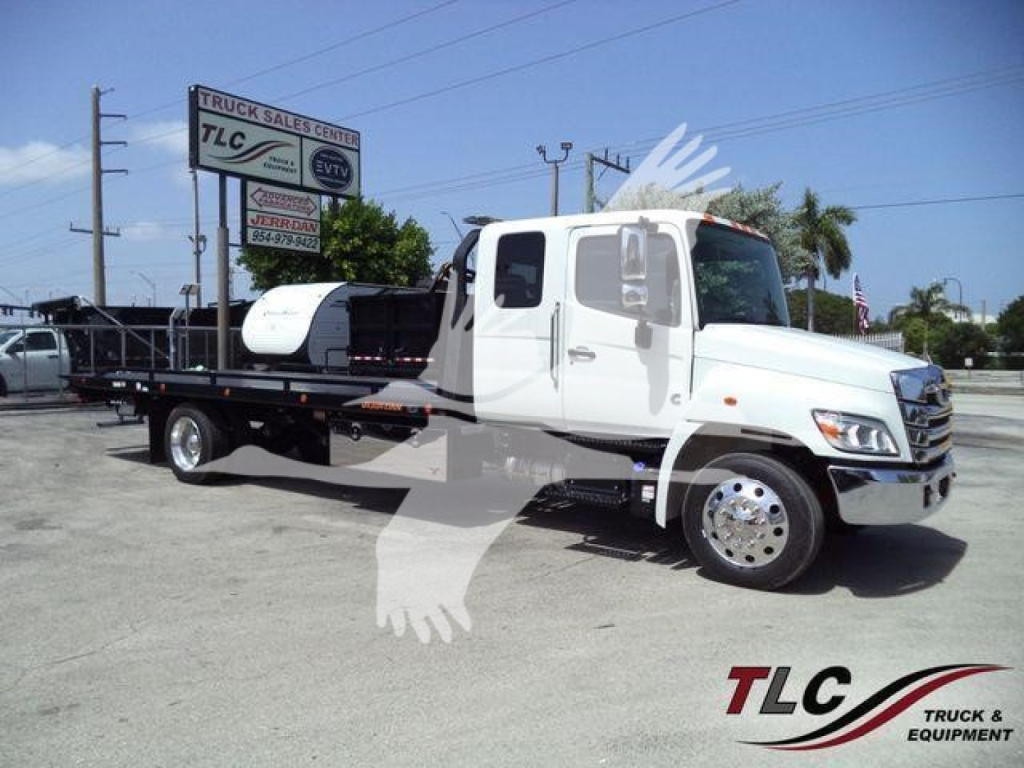
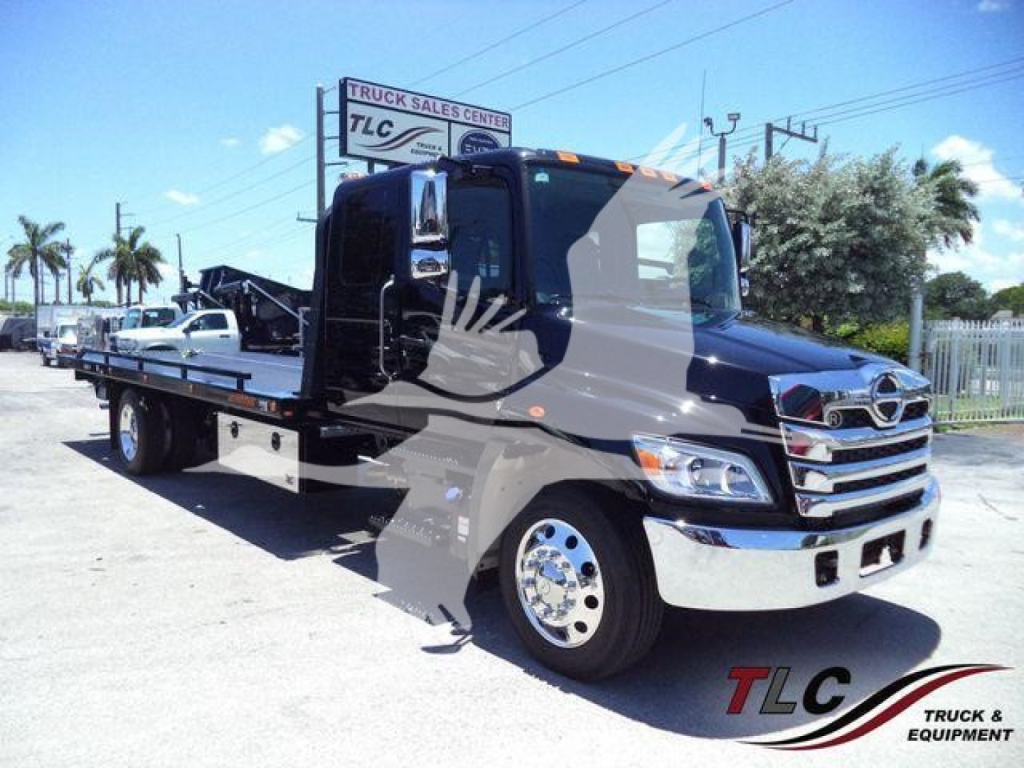
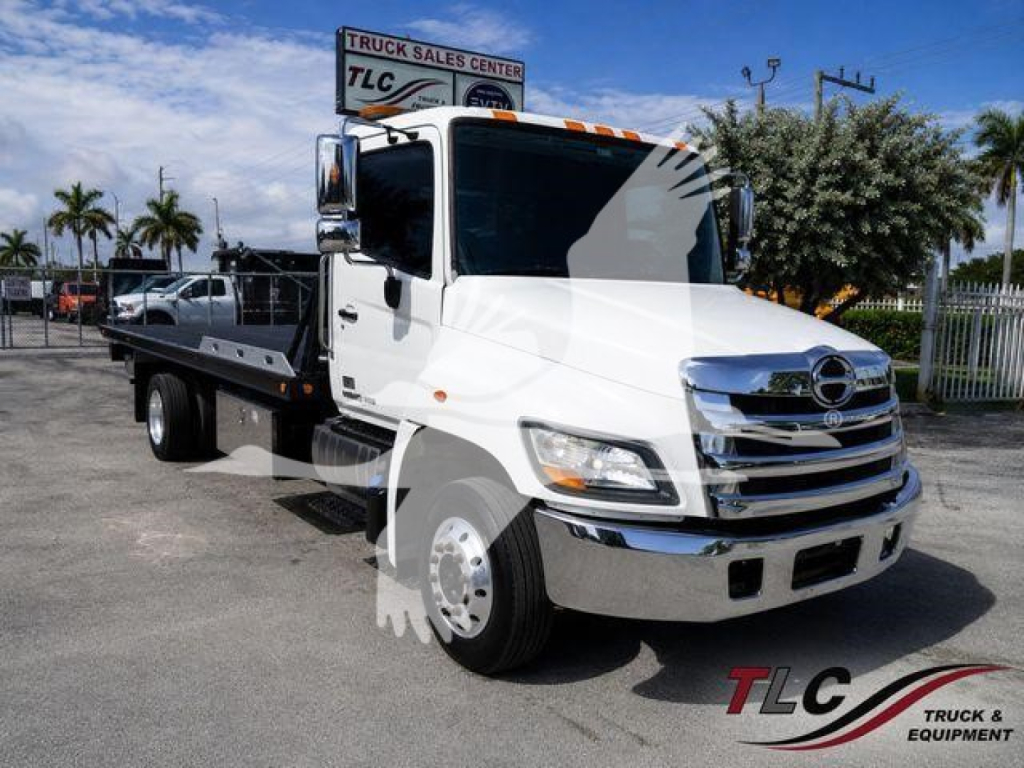
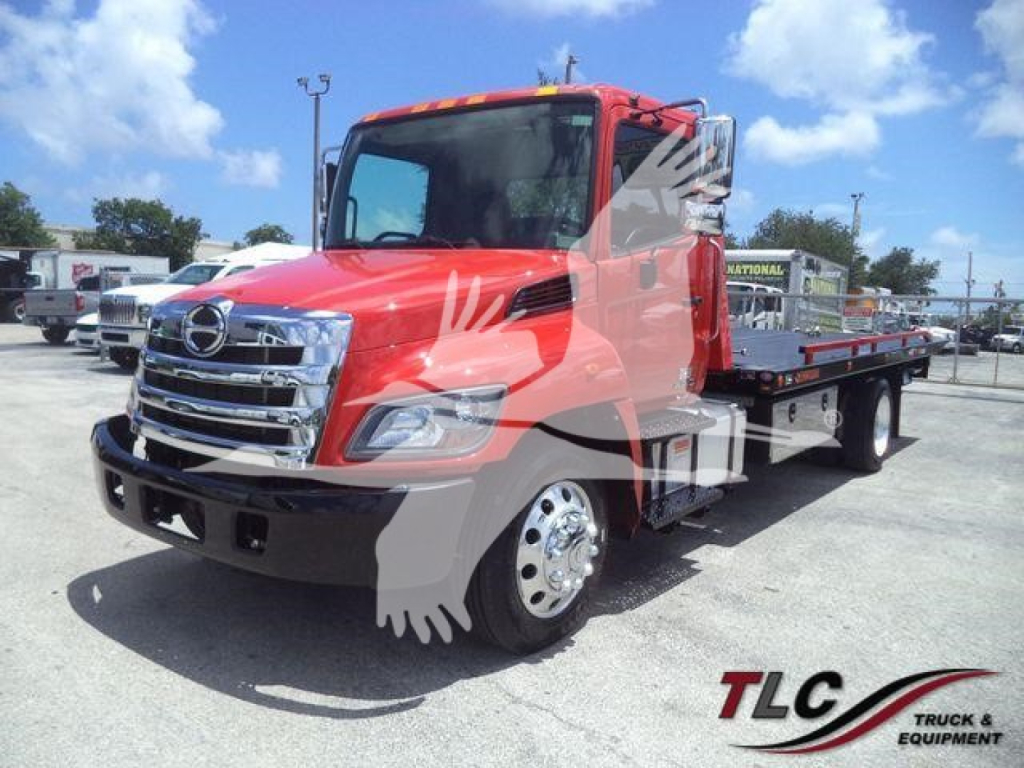
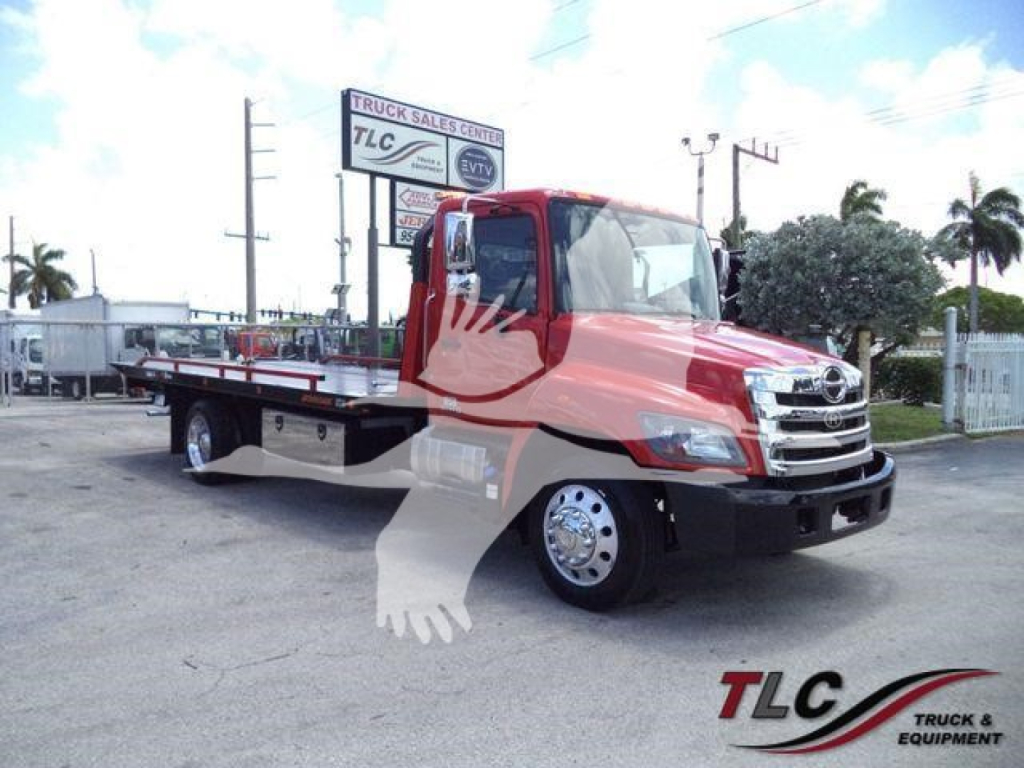
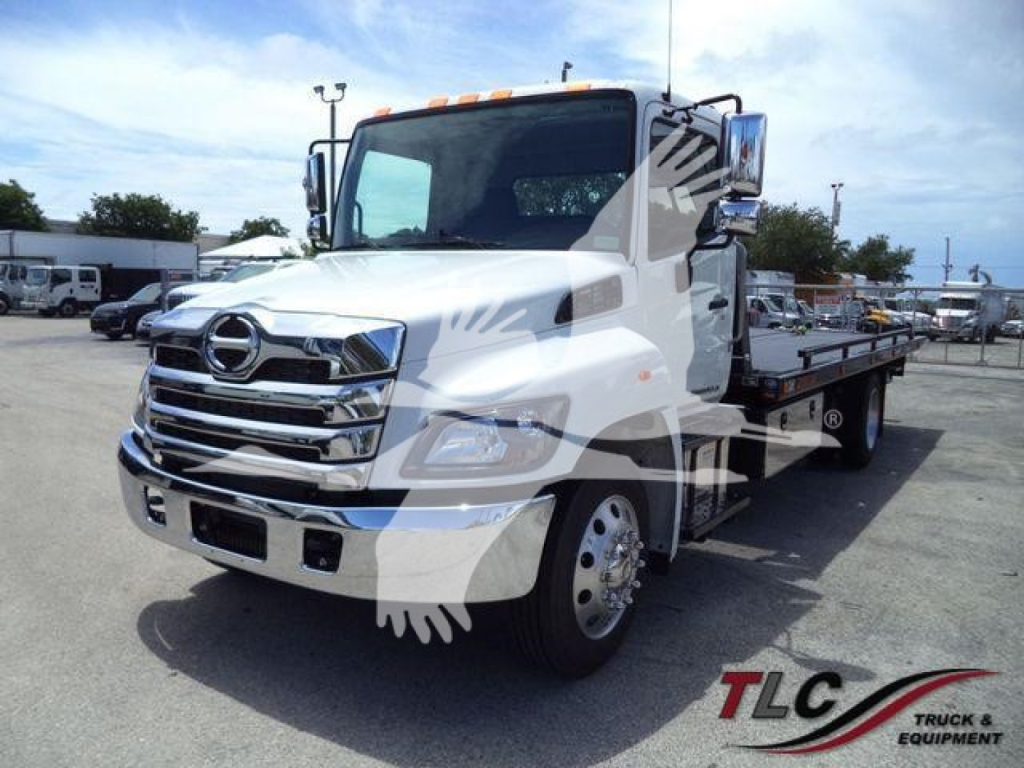
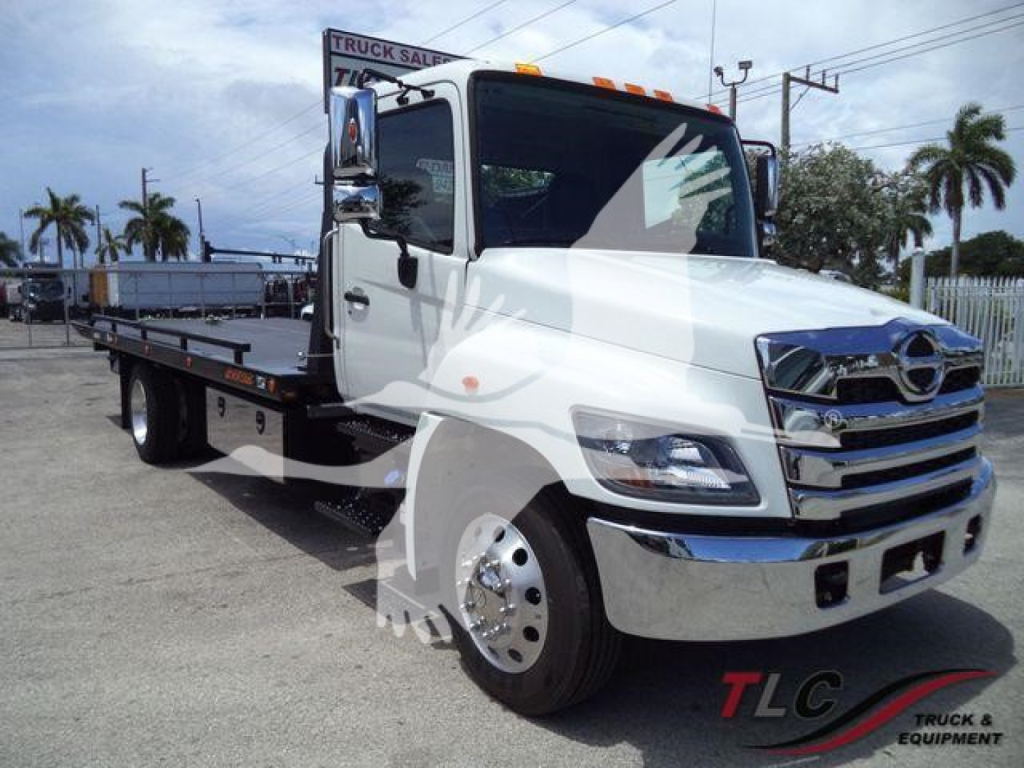
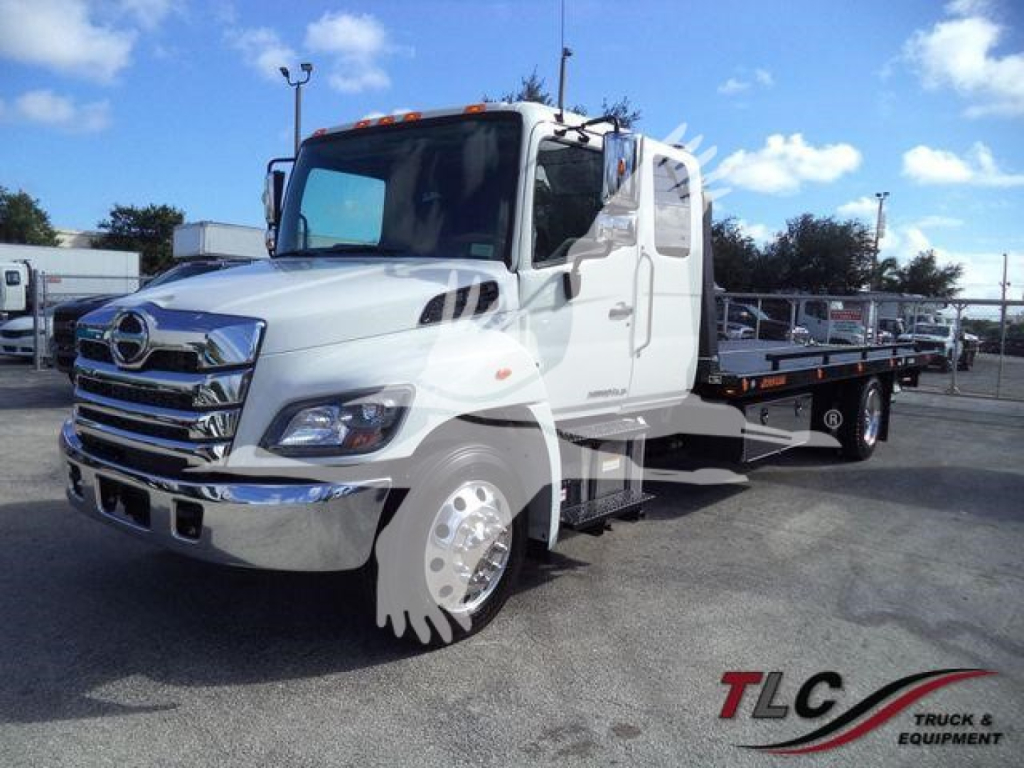
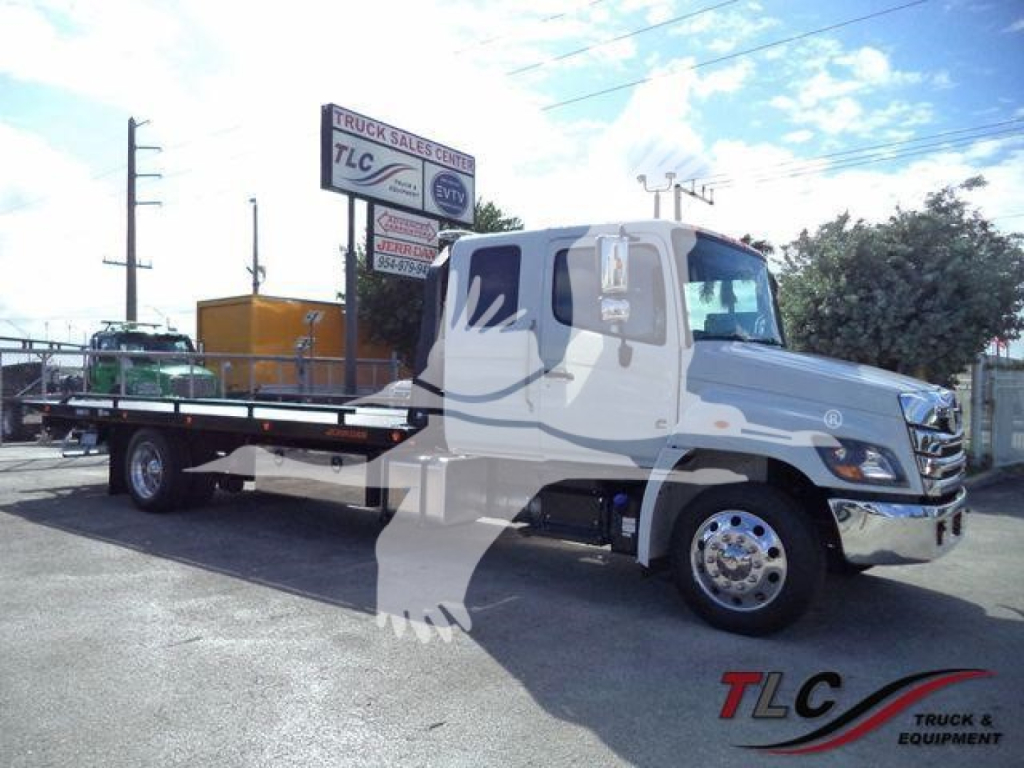
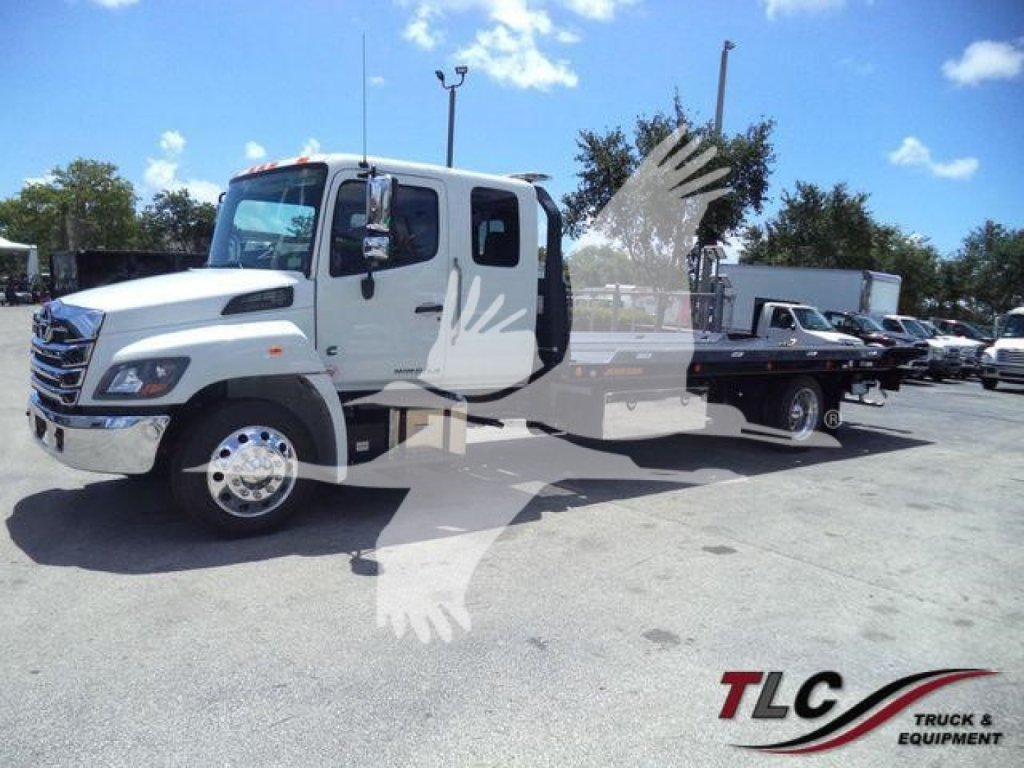
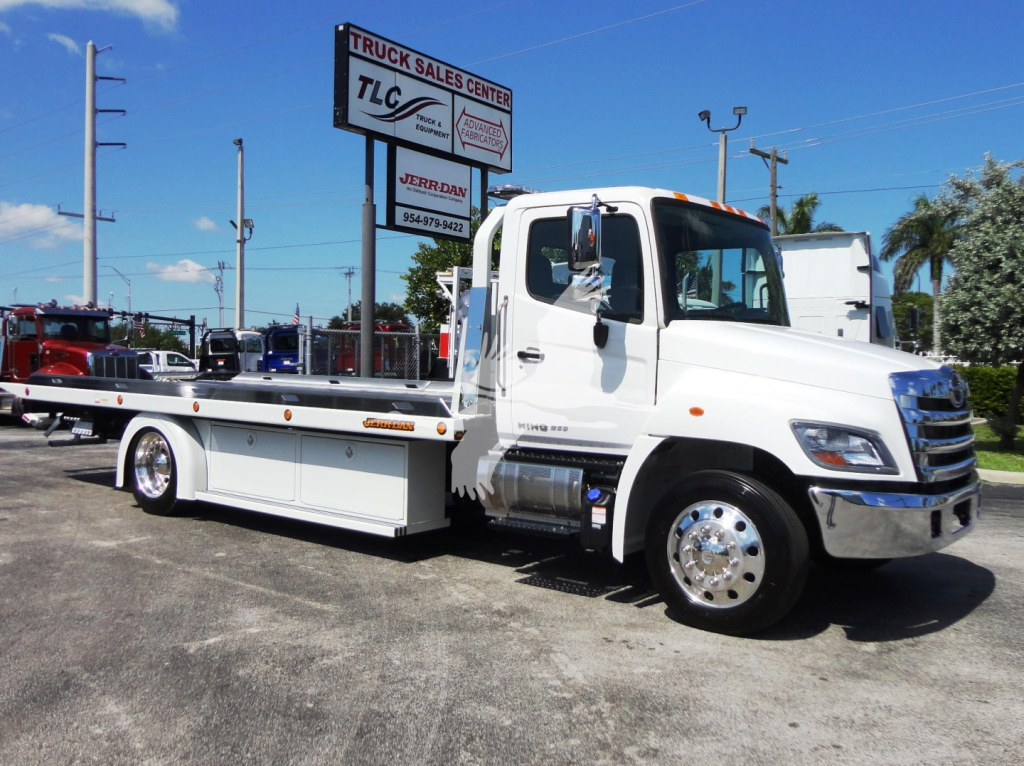
2020 Hino 268A
Selling a hino rollback truck? List your hino rollback truck for sale and reach thousands of commercial buyers.
Hino Rollback Trucks in Florida
One of the main buying decisions is the chassis and powertrain generation. Late-model Hino rollback trucks are often equipped with the Cummins B6.7 diesel and an Allison automatic transmission, while older units may use the Hino J08E diesel. Typical specs in this category include around 260 horsepower, air brakes, air ride suspension, and a 25,950 to 26,000 GVWR range. That combination gives operators a truck that is large enough for daily commercial towing but still manageable in urban traffic, tight lots, and service-station environments. Buyers should compare cab configuration, axle rating, suspension condition, brake type, and transmission model because those details affect both payload handling and long-term serviceability.
The body and recovery equipment matter just as much as the truck itself. Many Hino rollback trucks carry Jerr-Dan low-profile or XLP steel beds in 102-inch widths, usually rated around 6 tons, with 8,000 lb to 10,000 lb winches and 3,500 lb hydraulic wheel lifts. Extra low profile decks help with approach angle on low-clearance vehicles, which is important for moving sports cars, EVs, and damaged units with limited ground clearance. Common features include removable rails, dual toolboxes, LED work lighting, amber light bars, L-arms, chain bridles, and strap packages. When comparing listings, look closely at deck length versus overall body length, wheel lift condition, winch operation, hydraulic leaks, and how the carrier bed fits the intended mix of passenger vehicles versus light commercial trucks.
A Hino rollback can be a strong fit for fleets that want a medium-duty platform with straightforward controls and widely recognized towing upfits. For used trucks, pay attention to frame condition, PTO and hydraulic performance, rust around the deck and subframe, and signs of hard recovery work such as bent rails, cracked crossmembers, or uneven bed travel. For new or recently upfitted units, focus on bed manufacturer support, warranty coverage, low-profile tire setup, and whether the truck is configured for the licensing, bridge law, and operating conditions in your area. The right Hino rollback truck should match the weight of the vehicles you move every day, not just the biggest load you handle once in a while.
Frequently Asked Questions about Hino Rollback Trucks in Florida
What size rollback bed is most common on a Hino rollback truck?
Most Hino rollback trucks in this class are equipped with 20-foot to 22-foot carrier beds, often 102 inches wide. That size works well for standard passenger vehicles, pickups, small vans, and some light equipment. A 22-foot bed generally gives more flexibility for vehicle placement and securement, while a 20-foot setup can still be very effective in tighter operating environments.
What engine and transmission are common in Hino rollback trucks?
Common configurations include the Cummins B6.7 diesel paired with an Allison automatic transmission on newer Hino L6 or similar chassis, while older trucks may use the Hino J08E diesel. Buyers often prefer these combinations because they are well known in medium-duty service and towing applications. The exact engine generation matters for emissions systems, service intervals, and parts planning, so it is worth confirming the full powertrain spec before purchase.
Is a Hino rollback truck suitable for towing low-clearance vehicles?
Yes, many Hino rollback trucks are built with XLP or extra low profile carrier beds specifically to improve loading angles. That makes them well suited for sports cars, EVs, auction vehicles, and damaged cars that cannot tolerate a steep deck angle. Bed design, ramp geometry, and suspension height all affect real-world loading performance, so buyers should look beyond the published bed rating and verify how low the deck sits in transport and loading positions.
What should I inspect on a used Hino rollback truck?
The most important areas are the hydraulic system, carrier bed structure, wheel lift, winch, frame rails, and brake and suspension components. Check for deck misalignment, leaking cylinders, cracked welds, damaged crossmembers, and uneven slide action. It is also smart to review maintenance records, PTO engagement, tire wear, and any evidence of corrosion or hard recovery use, especially on trucks that have worked in high-volume towing service.
What GVWR range is typical for a Hino rollback truck?
A common rating for Hino rollback trucks in this segment is around 26,000 GVWR. That rating is popular because it supports a useful combination of chassis strength, carrier body capacity, and commercial towing equipment without moving into a much heavier platform. Actual usable payload depends on the bed, wheel lift, winch, fuel load, cab configuration, and any accessories installed on the truck.