
Used Freightliner Conventional Daycab Trucks For Sale in New York
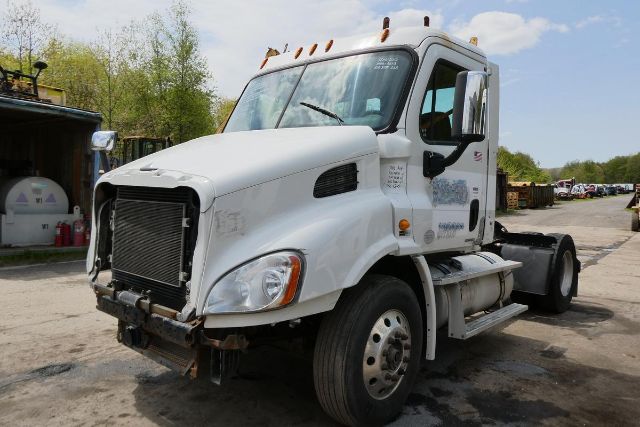
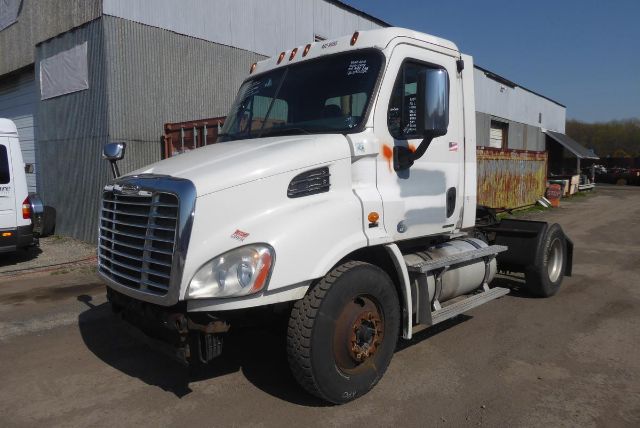
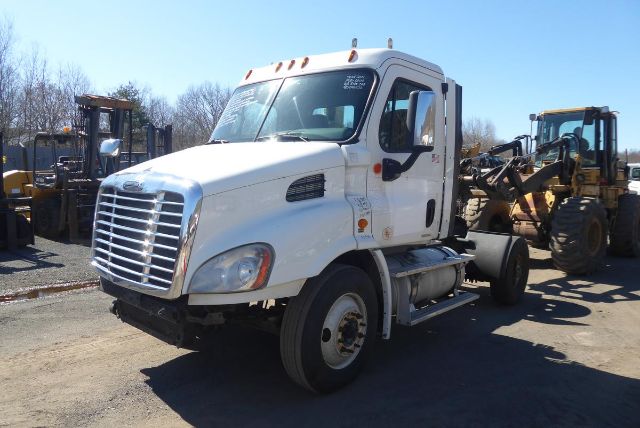
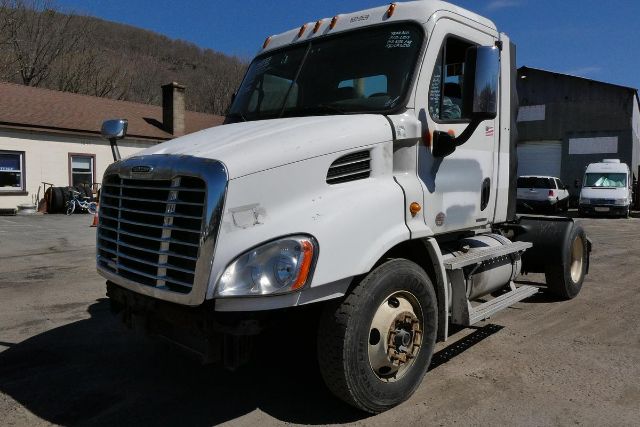
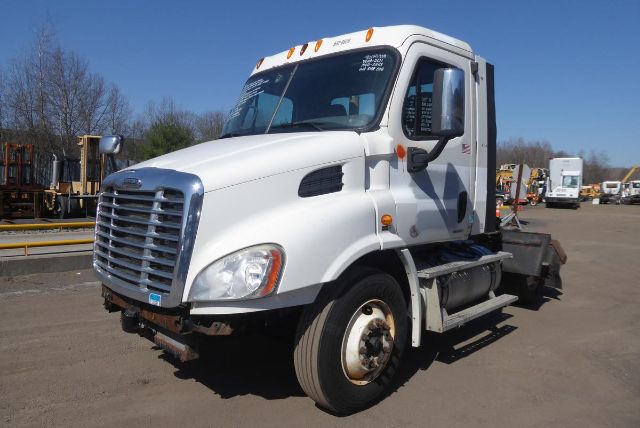
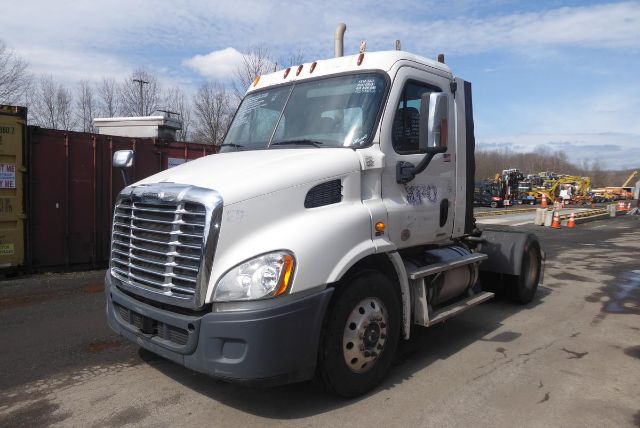
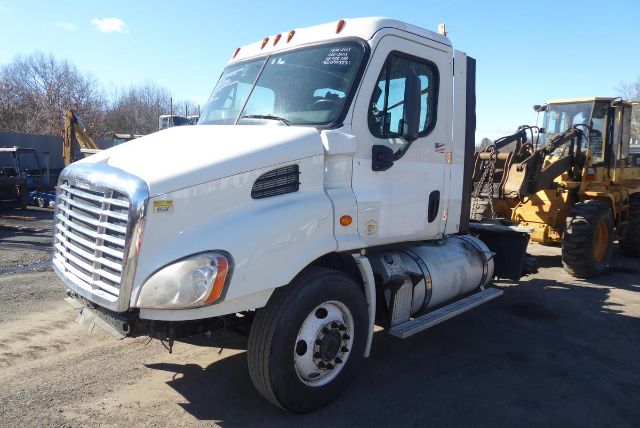
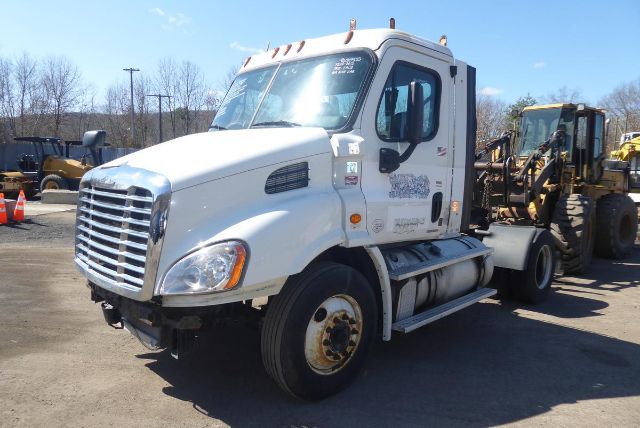
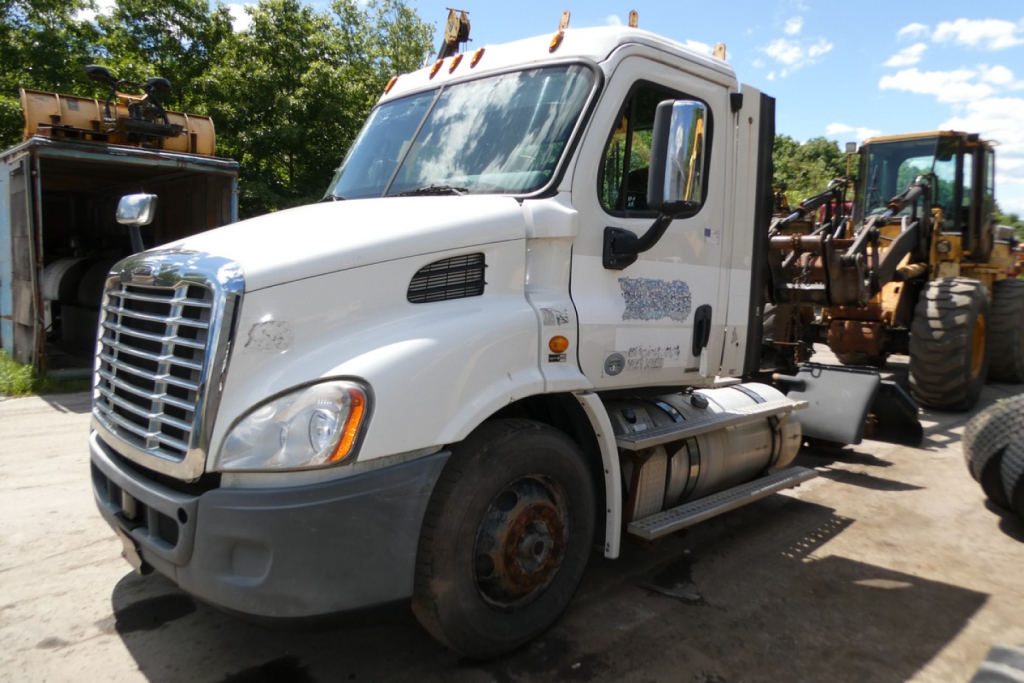
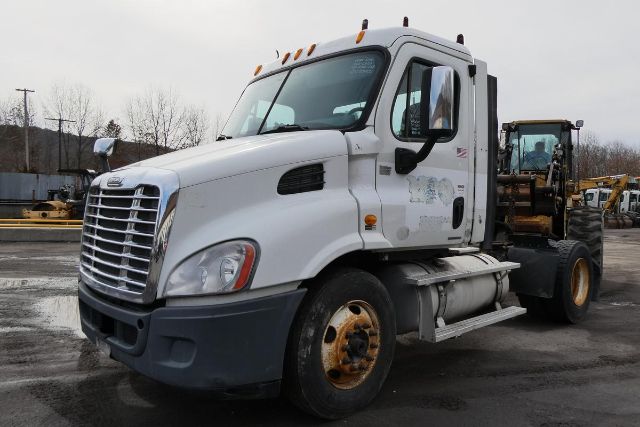
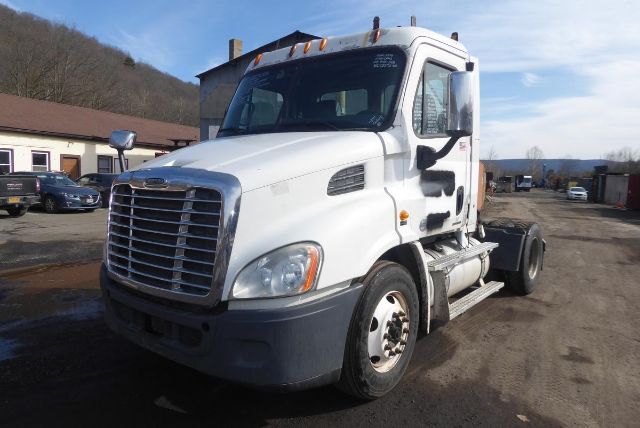
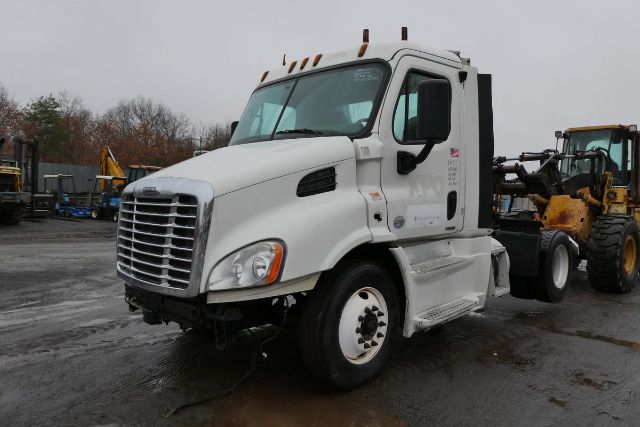
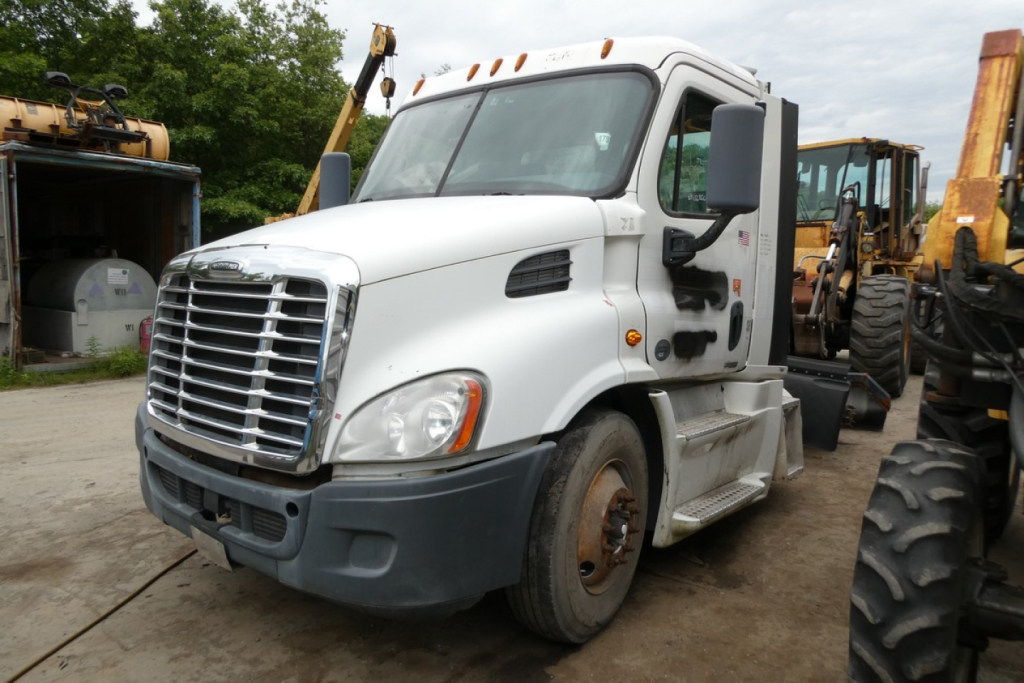
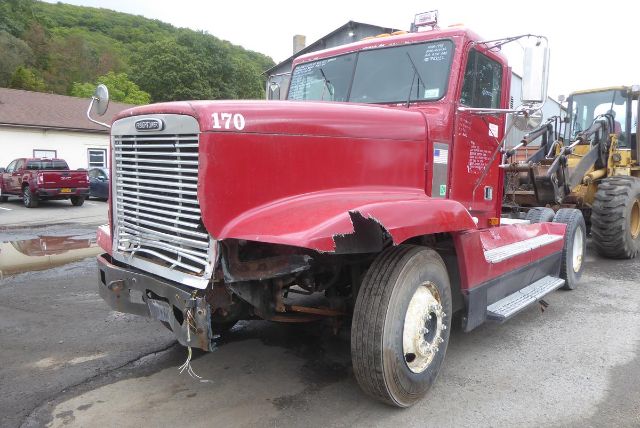
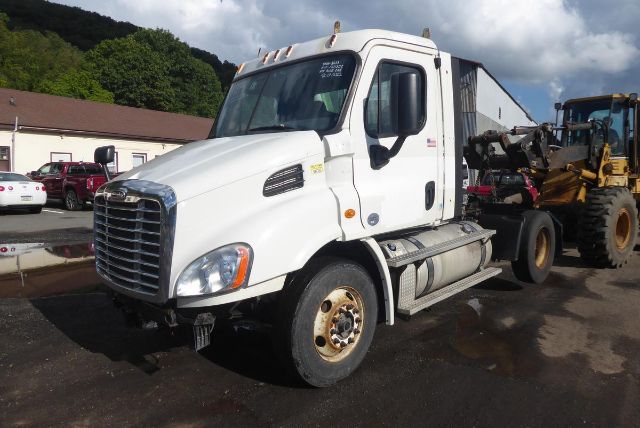
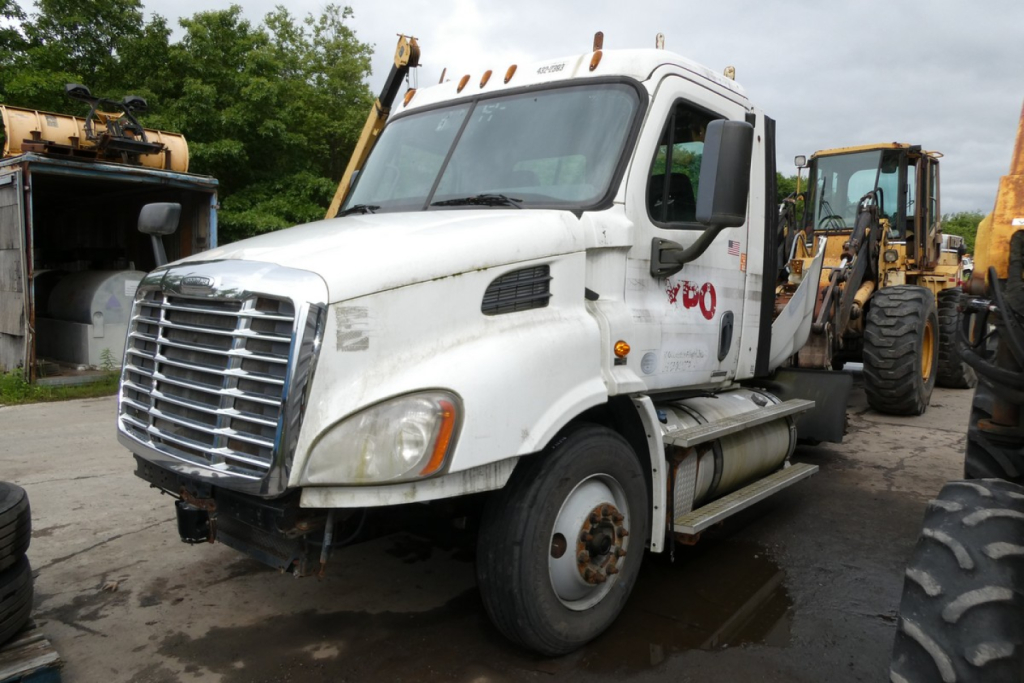
Showing 97 to 112 of 112 results
Have used freightliner conventional daycab truck to sell? List it here to reach thousands of buyers.
Used Freightliner Conventional Daycab Trucks in New York
The main buying decisions usually start with wheelbase, rear axle rating, suspension, and transmission spec. Many Freightliner conventional daycabs in this class carry a 12,000 lb front axle and either a 23,000 lb single rear or a 40,000 lb tandem rear, with common suspensions including AirLiner 2-bag or 4-bag setups. Wheelbases in the 160-inch to 172-inch range are typical for regional tractors because they strike a practical balance between trailer swing clearance and tighter urban turning. Buyers should also check whether the truck has a stationary or air slide fifth wheel, a single frame or double frame, and the rear axle ratio. Ratios such as 3.08 or 3.42 can change how the truck feels in stop-and-go service versus highway cruising.
Freightliner daycabs from the used market often come with Detroit DD13 engines paired with either Eaton Fuller manual transmissions or Detroit DT12 automated manuals. That combination is common in fleet-spec Cascadias because it supports fuel economy and straightforward vocational versatility. On used units, condition matters more than brand familiarity. Pay close attention to engine hours versus odometer, fault codes, aftertreatment history, DEF system performance, clutch or automated transmission service records, and signs of cooling system or head gasket problems. Air disc brakes are a plus for many buyers because they improve stopping consistency and can simplify maintenance planning in heavy stop-start operation. Tire size, hub-pilot steel wheels, and common Meritor drive axles also make it easier to standardize maintenance across a fleet.
For New York buyers, application fit is critical. A lighter single-axle daycab may suit short regional lanes, municipal support work, or lighter trailer pulls, while a tandem axle Cascadia with a 40,000 lb rear, power divider, and air slide fifth wheel is better aligned with heavier freight, intermodal chassis moves, and tougher yard-to-road duty cycles. Freightliner conventional daycab trucks also known as day cab semi tractors are best evaluated by current mechanical condition, prior fleet maintenance, and spec alignment with the routes they will actually run. A clean cab, working HVAC, predictable emissions performance, and the right axle and gearing package usually matter more than cosmetic appearance alone on a used daycab tractor.
Frequently Asked Questions about Used Freightliner Conventional Daycab Trucks in New York
What is the main advantage of a Freightliner conventional daycab over a sleeper tractor?
The main advantage is efficiency for local and regional work. A daycab eliminates the sleeper, which reduces overall weight, shortens the tractor, and usually improves maneuverability in tighter yards, city streets, and terminal environments. For operations that bring drivers home daily, the daycab layout is often the most practical and cost-effective tractor configuration.
What specs matter most when comparing used Freightliner daycab trucks?
The most important specs are axle ratings, wheelbase, rear axle ratio, suspension type, engine model, transmission, and fifth wheel setup. A 12,000 lb front axle with a 40,000 lb tandem rear is common for heavier tractor work, while single-axle configurations can be a better fit for lighter regional applications. Wheelbase affects turning radius and trailer compatibility, and the ratio influences launch performance, cruise rpm, and fuel economy.
Are Detroit DD13 and DT12 combinations good for regional daycab service?
Yes, the Detroit DD13 paired with a DT12 automated manual is a common regional fleet spec because it offers solid fuel economy, drivability, and broad service familiarity. It is especially well suited to highway and mixed regional routes. On a used truck, the better question is not just whether it has a DD13 or DT12, but whether the maintenance history, emissions system performance, and transmission calibration and clutch-related service are documented and current.
What should buyers inspect on a used Freightliner Cascadia daycab in New York?
Buyers should inspect emissions components, fault codes, engine hours, cooling system condition, brake type and wear, suspension condition, and any evidence of hard fleet use such as frame rust, fifth wheel wear, or driveline vibration. In New York, corrosion exposure from winter road treatment is an important concern, so frame rails, crossmembers, air tanks, brake components, and electrical connections deserve extra attention. It is also smart to verify that HVAC, lighting, and aftertreatment systems work correctly before putting the truck into daily service.
Is a single-axle or tandem-axle Freightliner daycab better?
That depends on the application. A single-axle daycab is usually lighter, simpler, and easier to maneuver, making it a strong fit for lighter trailers, short regional lanes, and some delivery or municipal support work. A tandem-axle daycab is the better choice for heavier freight, more demanding traction conditions, intermodal work, and applications that require a 40,000 lb rear axle rating and power divider. The correct choice comes down to trailer weights, route conditions, and bridge and legal weight requirements.