
Used 2012 Freightliner Conventional Daycab Trucks For Sale in New York
Shop used 2012 Freightliner conventional daycab trucks with DD13 power, day cab spec options, and buyer guidance for local and regional hauling.
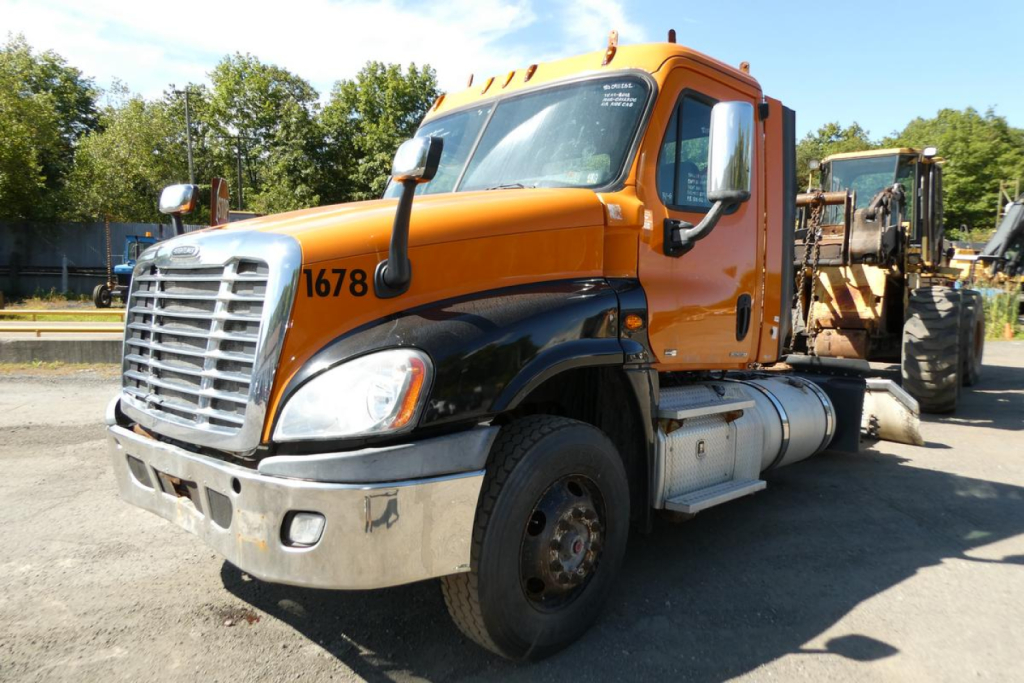
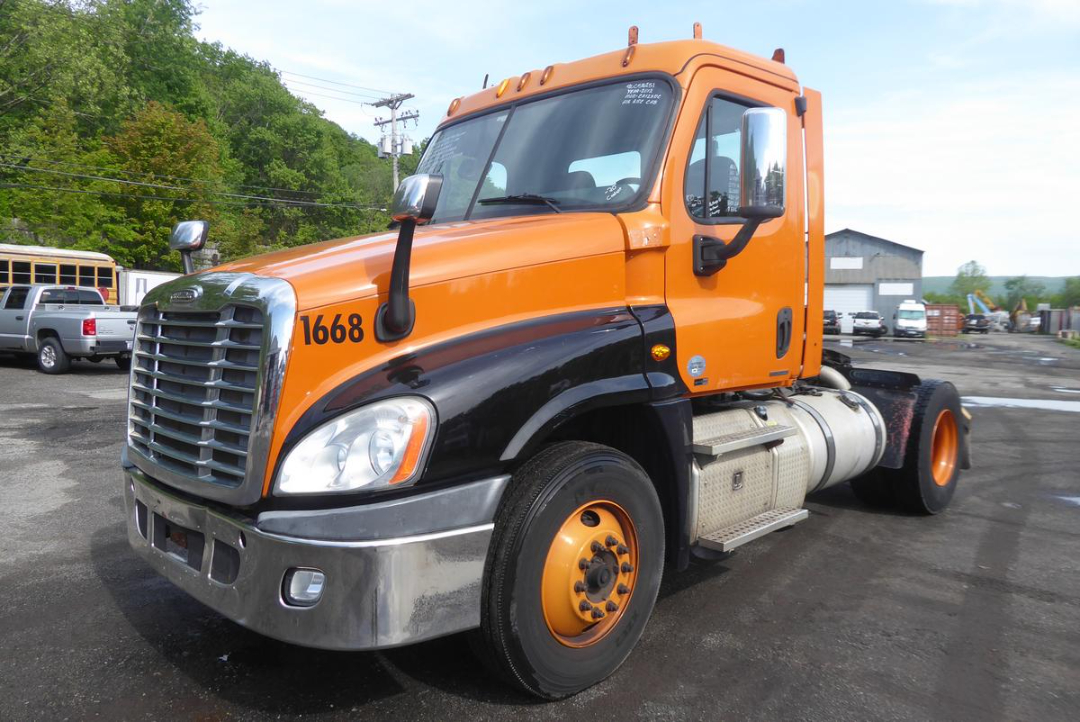
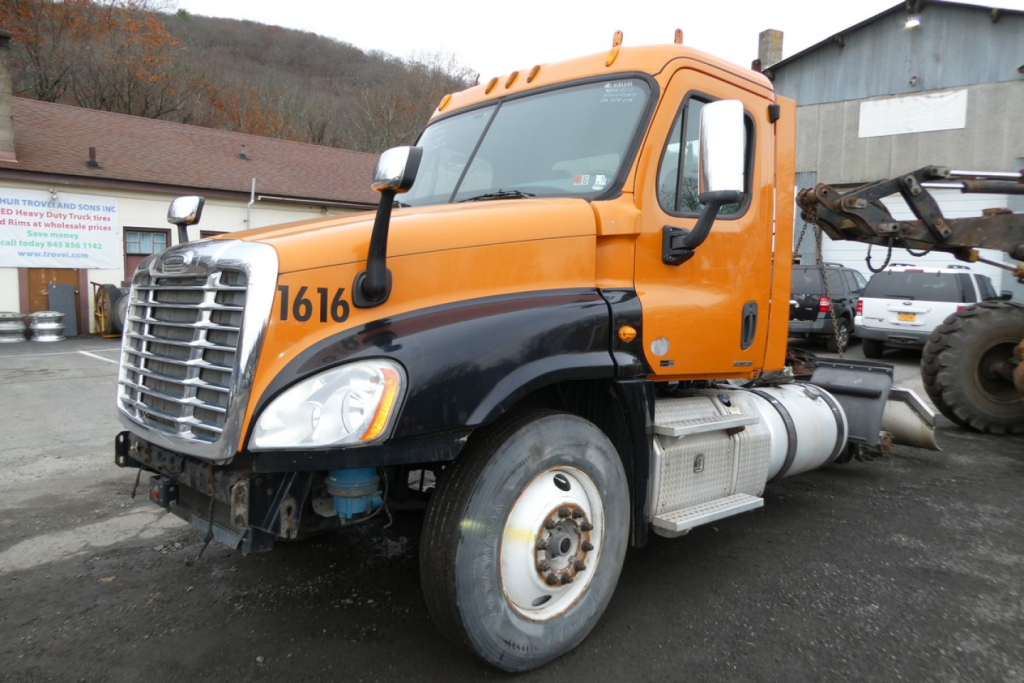
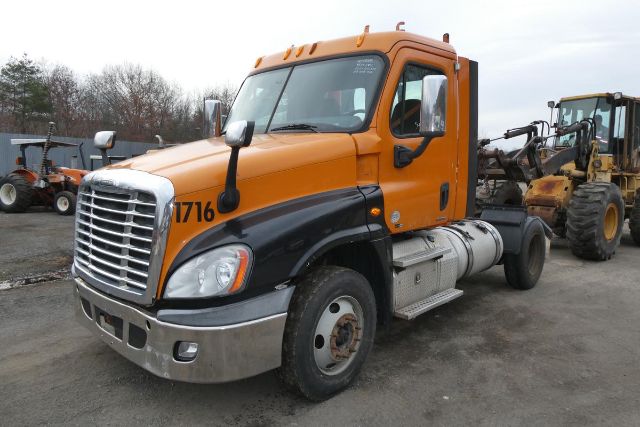
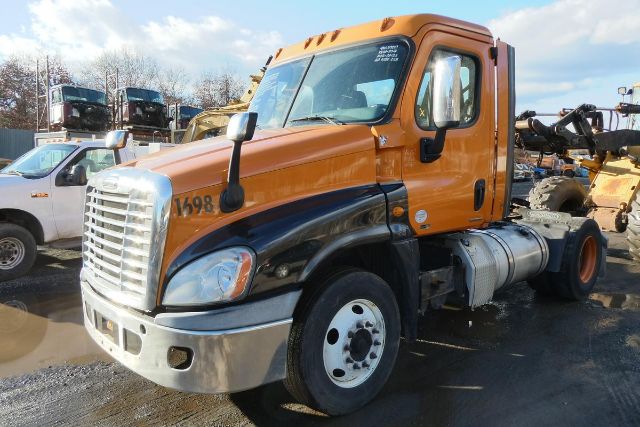
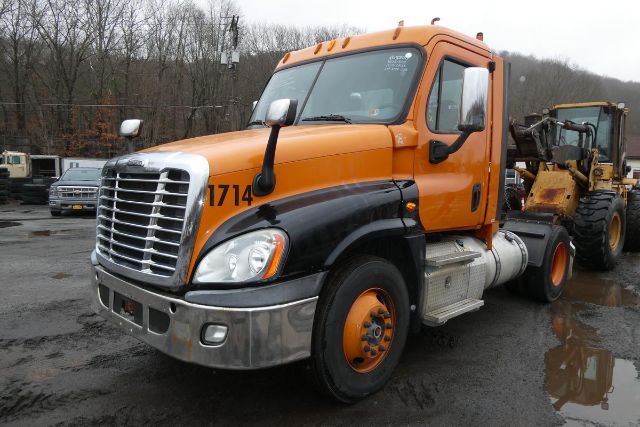
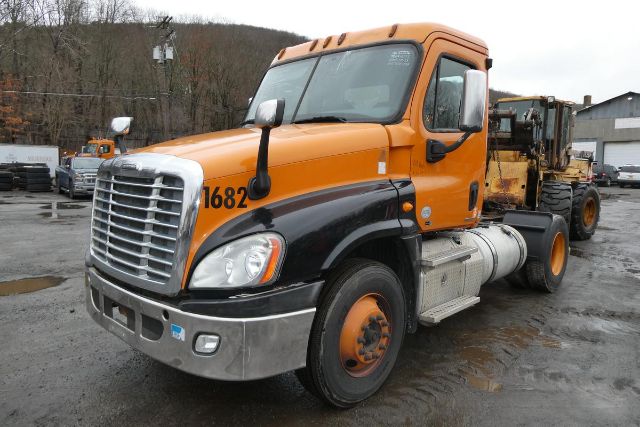
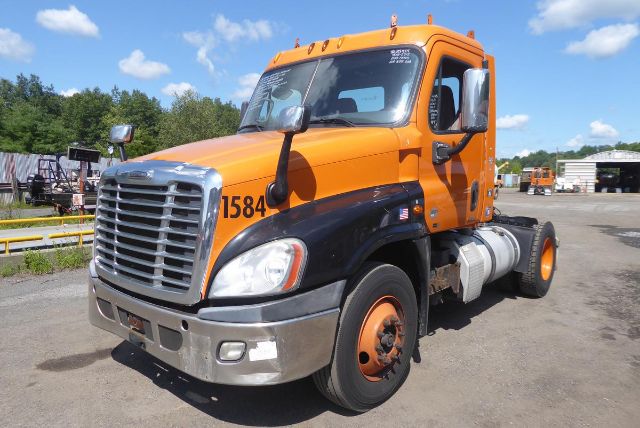
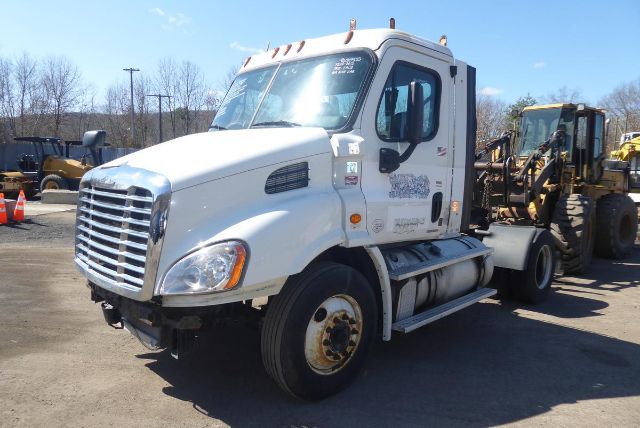
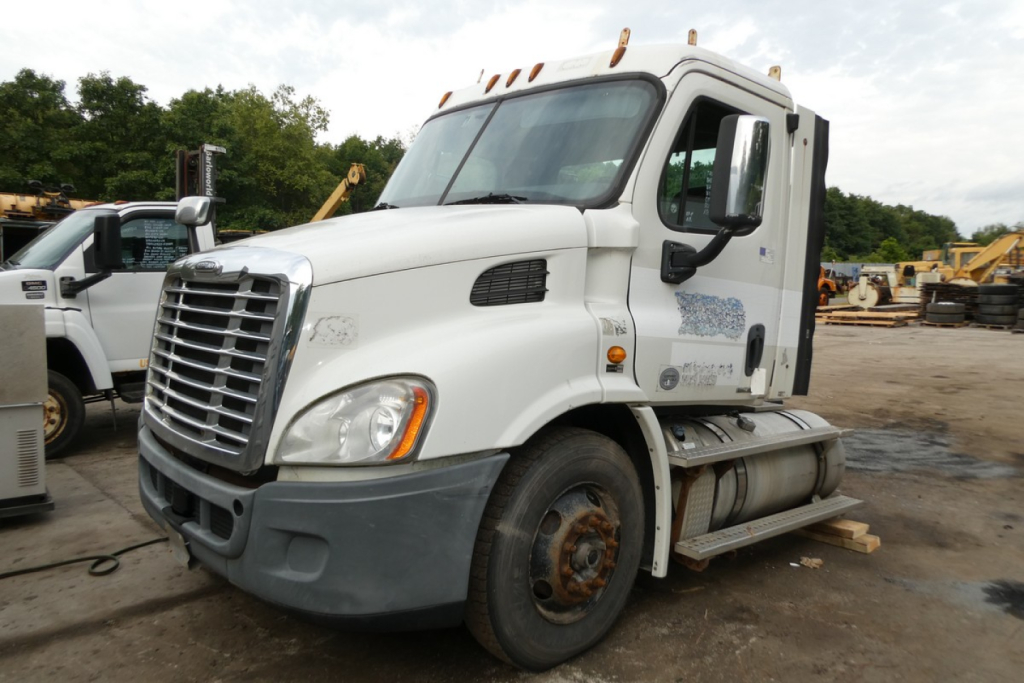
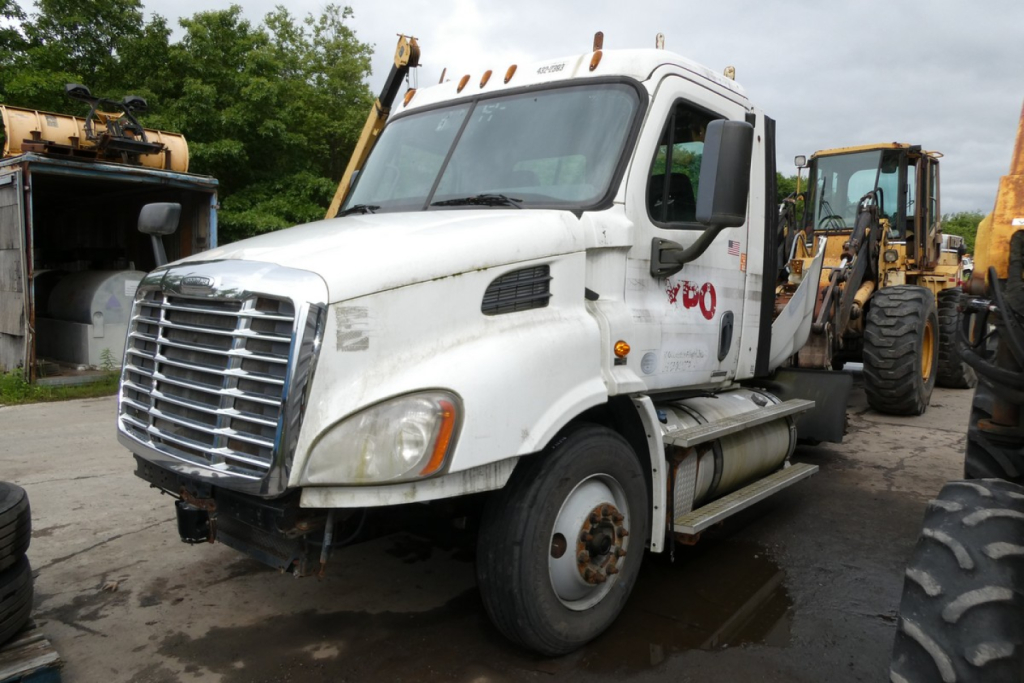
Have used 2012 freightliner conventional daycab truck to sell? List it here to reach thousands of buyers.
Used 2012 Freightliner Conventional Daycab Trucks in New York
Many 2012 Freightliner daycabs in the market are powered by a Detroit DD13, often in the 410 to 500 horsepower range, paired with 10-speed manual or automated transmissions depending on prior fleet spec. Rear axle ratios such as 2.67, 3.08, and 3.42 can change how the truck performs in stop-and-go service versus higher-speed regional lanes. A shorter wheelbase in the 157 to 161 inch range is common on single frame tractors used in tighter urban environments, while longer wheelbases and heavier rear axles may indicate a truck intended for higher gross weights or more demanding trailer combinations. Airliner air ride suspensions, Meritor rears, and 11R22.5 rubber are all common on this class.
For New York buyers, emissions compliance, idle time, and maneuverability matter more than brochure horsepower. A 2012 model year sits in the early DEF era for many Freightliner specs, so it is important to confirm aftertreatment condition, fault history, and whether the truck has had consistent maintenance on DPF and SCR components. On a used daycab, engine hours can be as important as odometer miles because many local tractors spend significant time idling in yards, terminals, and traffic. It is also worth checking for rust at the frame, cab mounts, battery box area, and crossmembers, especially on Northeast trucks exposed to road salt.
The best used 2012 Freightliner conventional daycab for sale is the one matched to the trailer, route, and loading pattern. A stationary fifth wheel may be fine for a dedicated operation, while an air slide adds flexibility across different trailer kingpin settings. Air disc brakes, a pintle hook, single versus tandem rear axle configuration, and cab-to-axle measurement can all affect day-to-day usefulness. Buyers should also verify ECM miles against dash miles, inspect for blow-by, review transmission shift quality, and look closely at suspension wear, steering play, and brake condition. In this category, the right spec usually matters more than the badge on the hood.
Frequently Asked Questions about Used 2012 Freightliner Conventional Daycab Trucks in New York
What engine is most common in a used 2012 Freightliner conventional daycab?
The Detroit DD13 is one of the most common engines found in 2012 Freightliner daycab tractors, especially in Cascadia models. Output commonly falls in the 410 to 500 horsepower range depending on the fleet spec and rating. For a used truck, the key issue is not just engine model but service history, fault codes, aftertreatment condition, and whether ECM data lines up with the stated mileage and hours.
What should I look for when buying a used 2012 Freightliner daycab in New York?
Focus on rust, emissions condition, and maneuverability. New York and the broader Northeast can be hard on frames, cab supports, crossmembers, and electrical connections because of road salt and winter use. A buyer should also inspect the DPF and DEF system closely, confirm there are no active aftertreatment issues, and make sure the wheelbase and axle spec fit tight streets, terminal work, or regional highway operation.
What is the difference between a Freightliner Cascadia 113 and Cascadia 125 daycab?
The Cascadia 113 is often spec'd as a lighter regional or local tractor with shorter wheelbase options and lower rear axle ratings, while the Cascadia 125 is commonly found in heavier tandem axle configurations with higher GVW potential. The exact difference depends on how the original fleet ordered the truck, so buyers should compare front axle rating, rear axle capacity, suspension type, wheelbase, and fifth wheel setup rather than relying only on model name.
Is a 10-speed manual or automated transmission better in a 2012 Freightliner daycab?
It depends on the route and driver preference. A 10-speed manual is simple, familiar, and often preferred in mixed terrain or vocational service where direct control matters. An automated transmission can reduce driver fatigue and help standardize operation in heavy traffic or multi-driver fleets. On a used truck, condition matters more than type, so pay attention to clutch life, shift quality, software history, and any signs of driveline abuse.
How important are wheelbase and fifth wheel style on a daycab tractor?
They are critical because they determine how the truck fits the job. A shorter wheelbase generally improves turning radius and is useful in city, terminal, and port work. A longer wheelbase may improve ride quality or fit a different body or trailer application. A stationary fifth wheel works well in a dedicated setup, but an air slide is more versatile when trailer kingpin settings vary across the fleet.