
Used 2020 Freightliner Conventional Daycab Trucks For Sale in New York
Browse used 2020 Freightliner conventional daycab trucks in New York. Compare Cascadia specs, drivetrain options, axle ratings, and regional haul fit.
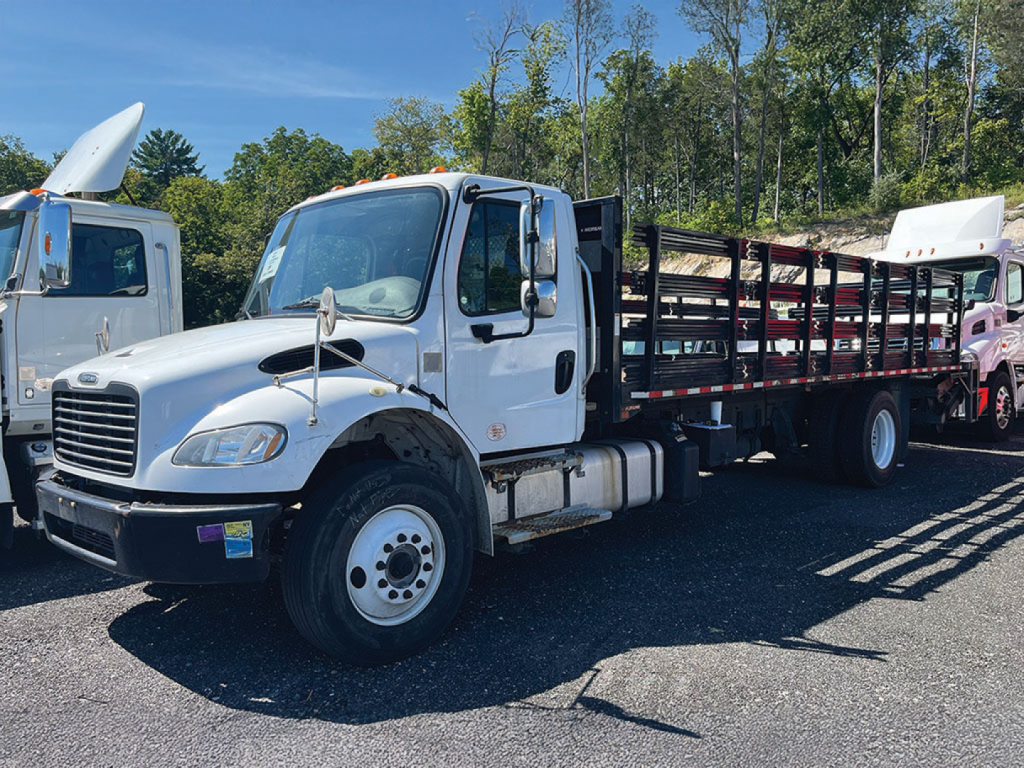
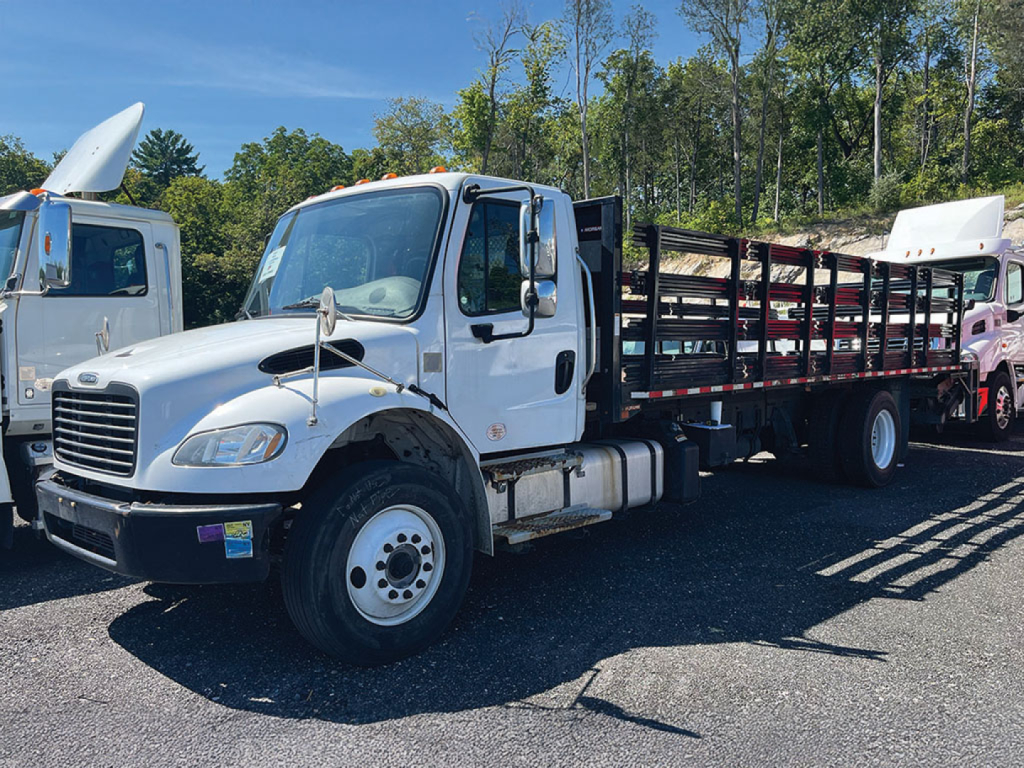
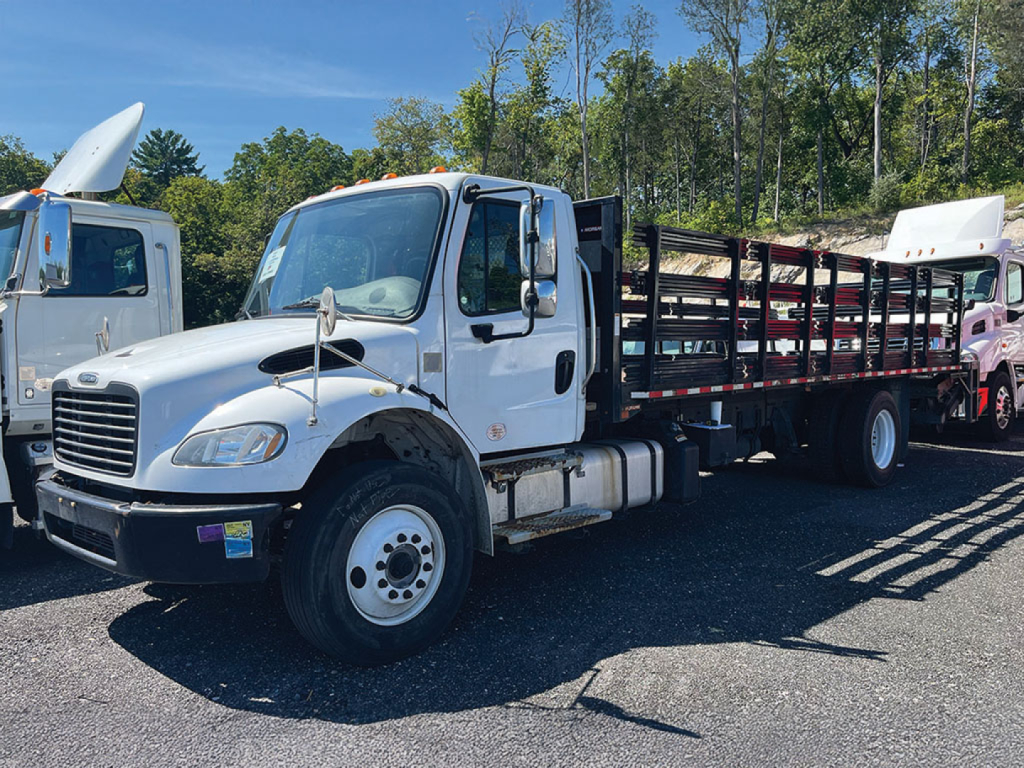
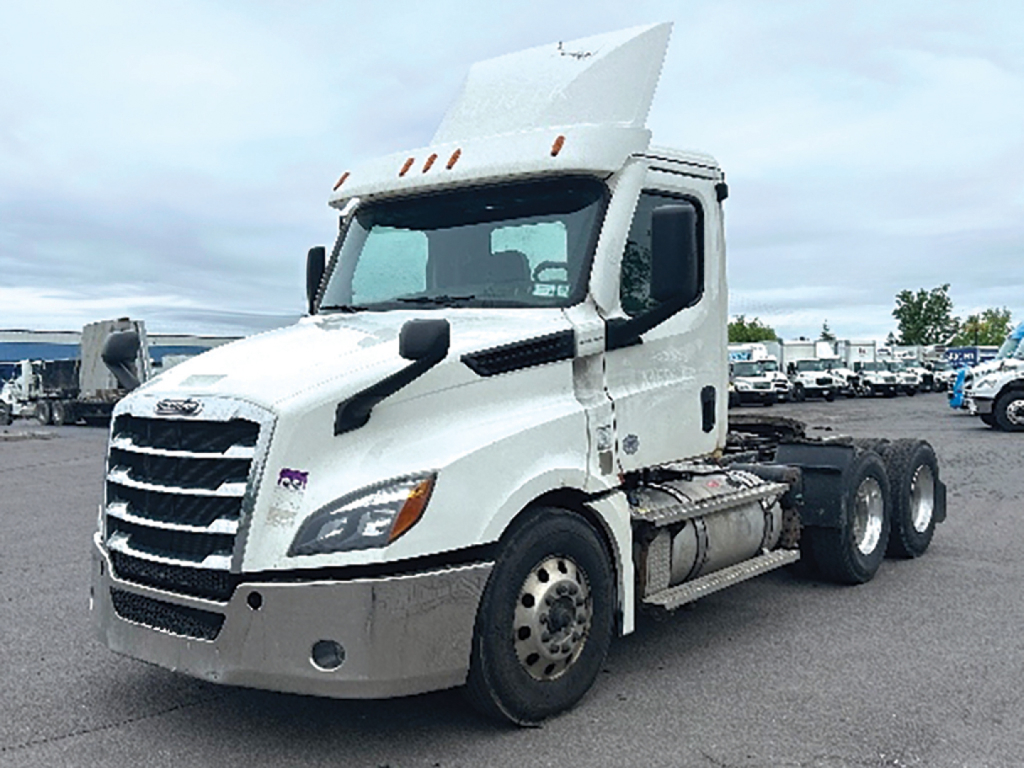
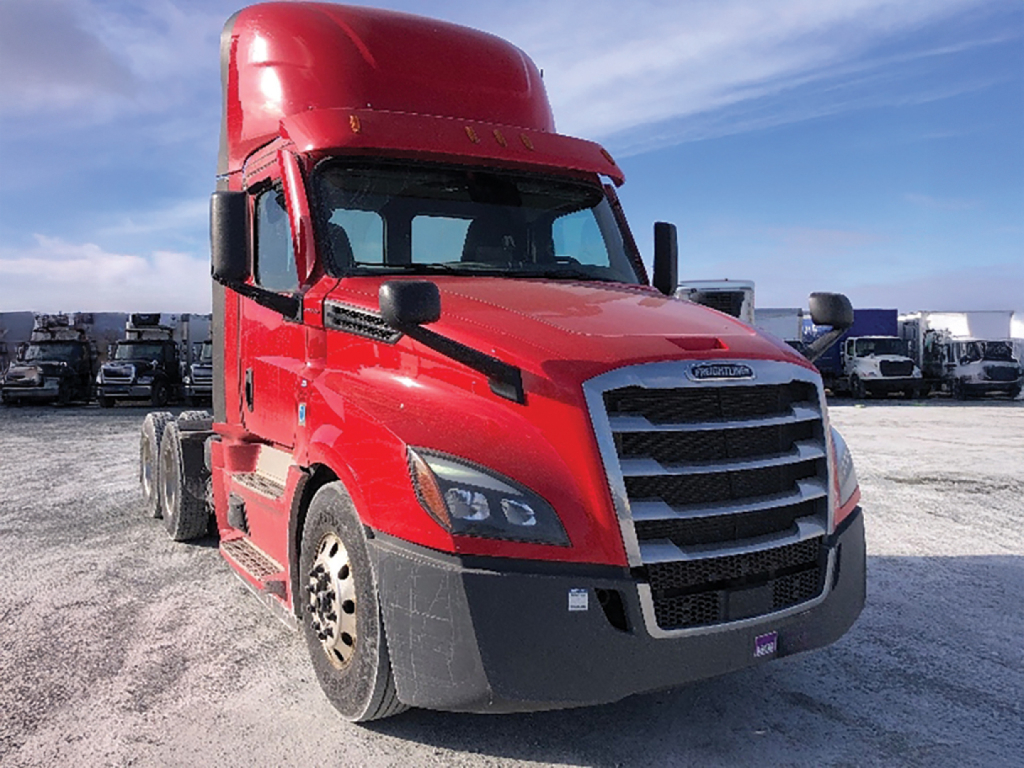
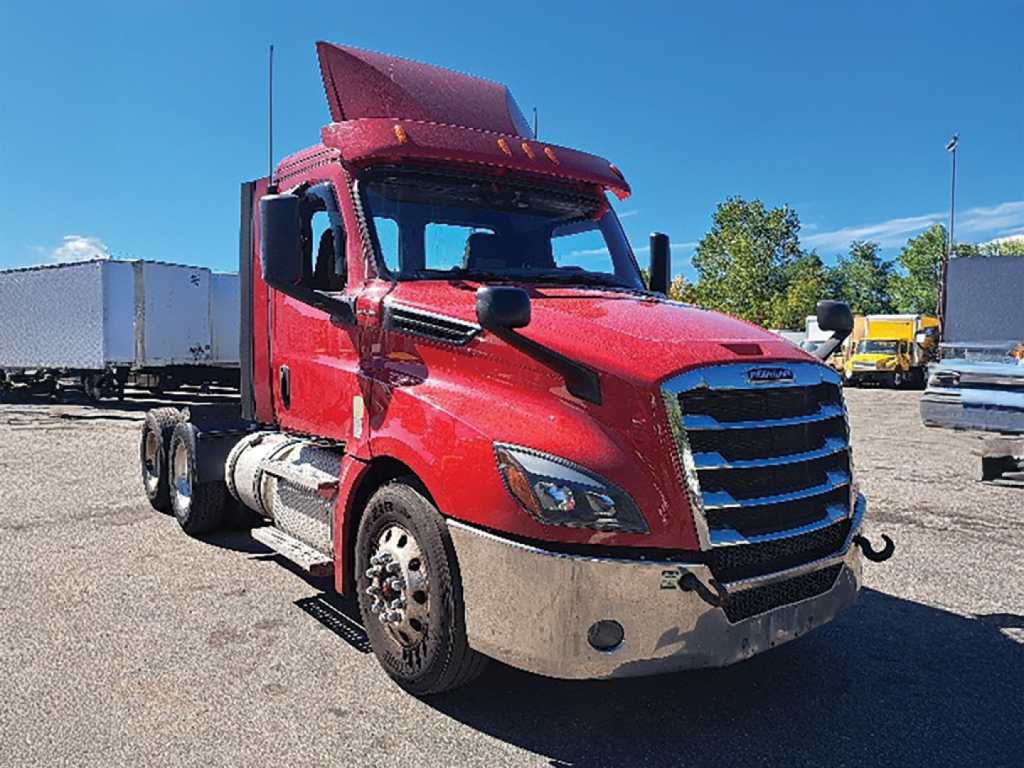
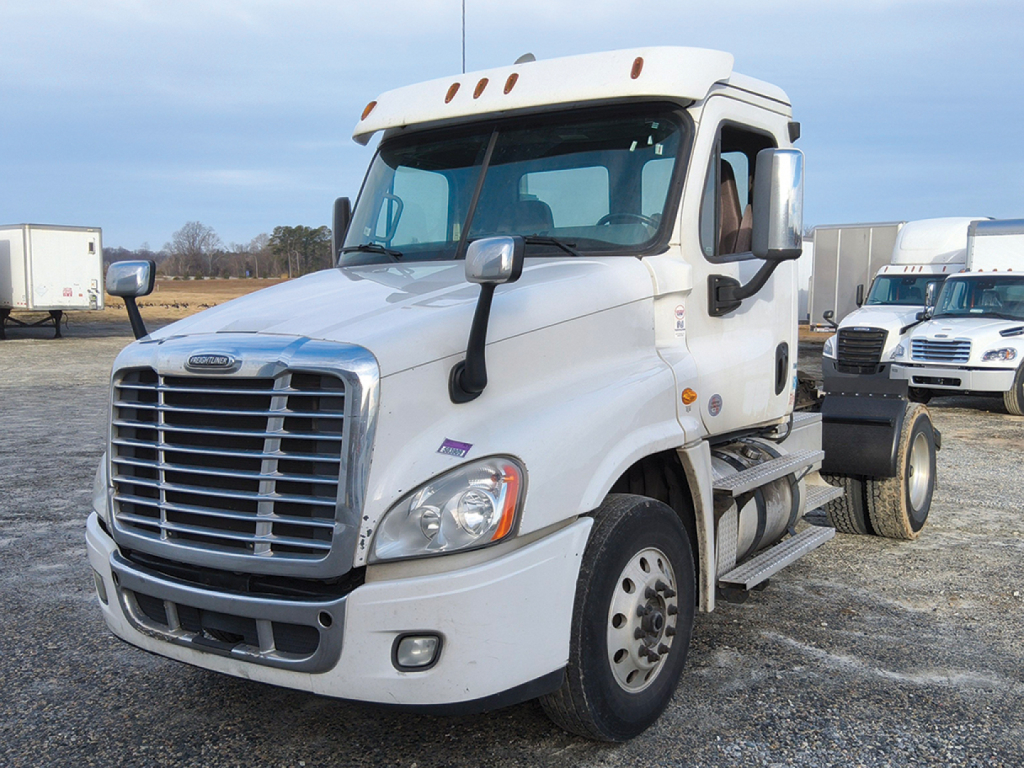

Have used 2020 freightliner conventional daycab truck to sell? List it here to reach thousands of buyers.
Used 2020 Freightliner Conventional Daycab Trucks in New York
The first buying decision is usually axle and suspension spec. A lighter single-axle daycab can make sense for shorter regional lanes, tanker work, or operations where maneuverability and tare weight matter more than maximum gross combination weight. Tandem-axle configurations are more common when the truck will see heavier trailer loads, more varied freight, or tougher duty cycles. Front axles around 12,000 pounds and rear ratings from 23,000 to 40,000 pounds are typical in this class, along with AirLiner suspensions, 11R22.5 rubber, and either stationary or air-slide fifth wheels. Gear ratios such as 3.08 or 3.42 can materially change how the truck performs. A 3.08 ratio generally favors fuel economy and highway cruise efficiency, while a 3.42 ratio can better support startability and mixed-route work.
A 2020 Freightliner daycab should also be evaluated around emissions system condition, brake spec, and frame layout. By this point, DEF-equipped Detroit powertrains were well established, but used buyers still need to check fault history, aftertreatment service records, idle hours, and whether the truck has seen repeated regen-related issues. Air disc brakes are common on later Freightliner conventionals and are a meaningful advantage for fleets that value shorter stopping distances and simpler wheel-end service access. Frame type matters too. A single-frame highway tractor is typical for general freight, while buyers planning to add wet kits, pintle applications, or heavier vocational upfits should verify rail condition, crossmember integrity, and available cab-to-axle space.
Cab condition and operating environment often separate one used daycab from another more than headline horsepower does. On a New York truck, look closely for corrosion on the frame, suspension hardware, battery box, and air system components, along with wear from urban docking and tight-lot maneuvering. ECM miles should be compared against the odometer, and engine hours help show how much idle time the truck has accumulated. Inside the cab, seat wear, HVAC performance, steering wheel play, switchgear condition, and visibility aids all affect day-to-day driver acceptance. A well-matched used 2020 Freightliner conventional daycab can deliver a strong balance of fuel economy, serviceability, and regional productivity when the drivetrain, axle rating, and wheelbase are aligned with the actual trailer and route profile.
Frequently Asked Questions about Used 2020 Freightliner Conventional Daycab Trucks in New York
What is a conventional daycab truck used for?
A conventional daycab truck is a highway-style tractor without a sleeper compartment. It is commonly used for regional freight, drayage, local pickup and delivery, dedicated shuttle routes, tanker service, and other applications where the driver returns home daily. Compared with a sleeper tractor, a daycab usually offers lower curb weight, easier maneuvering, and a shorter wheelbase that can be useful in urban areas and crowded yards.
What engines and transmissions are common in a 2020 Freightliner daycab?
A 2020 Freightliner conventional daycab is commonly equipped with a Detroit DD13 or DD15 diesel engine. Transmission choices often include the Detroit DT12 automated manual and traditional Eaton Fuller manual gearboxes, depending on how the truck was originally spec'd. The right combination depends on duty cycle. Automated manuals are popular for regional fleet work and driver consistency, while manual transmissions can still appeal to buyers who want simpler driver-controlled shifting in specialized operations.
What should I check on a used Freightliner daycab before buying?
The most important checks are engine fault codes, emissions system history, transmission operation, brake wear, suspension condition, frame rust, and fifth wheel wear. Buyers should compare odometer miles to ECM miles, review engine hours for excessive idle time, and inspect service records for injector, turbo, DPF, DEF, and aftertreatment repairs. It is also smart to verify axle ratings, gear ratio, wheelbase, and cab-to-axle dimensions so the truck fits the trailers and routes it will actually handle.
Is a single-axle or tandem-axle Freightliner daycab better?
Neither is universally better. A single-axle daycab is often a good fit when lower tare weight, tighter turning, and lighter-duty operation matter most. A tandem-axle daycab is usually the better choice for higher gross weights, more demanding trailer work, and broader resale flexibility. The decision should be based on loaded trailer weights, bridge law considerations, axle spread requirements, and how often the truck will operate on highway versus urban routes.
Why do gear ratios matter on a used daycab tractor?
Rear axle ratio has a direct effect on launch feel, cruise rpm, fuel economy, and grade performance. A faster ratio such as 3.08 generally supports lower engine speed at highway cruise and can help fuel economy in regional haul. A deeper ratio such as 3.42 can improve startability and low-speed pulling power, which may be useful in mixed terrain, heavy starts, or stop-and-go work. Matching the ratio to the engine, transmission, tire size, and route profile is more important than choosing by ratio alone.