
Used 2019 Freightliner Conventional Daycab Trucks For Sale in New York

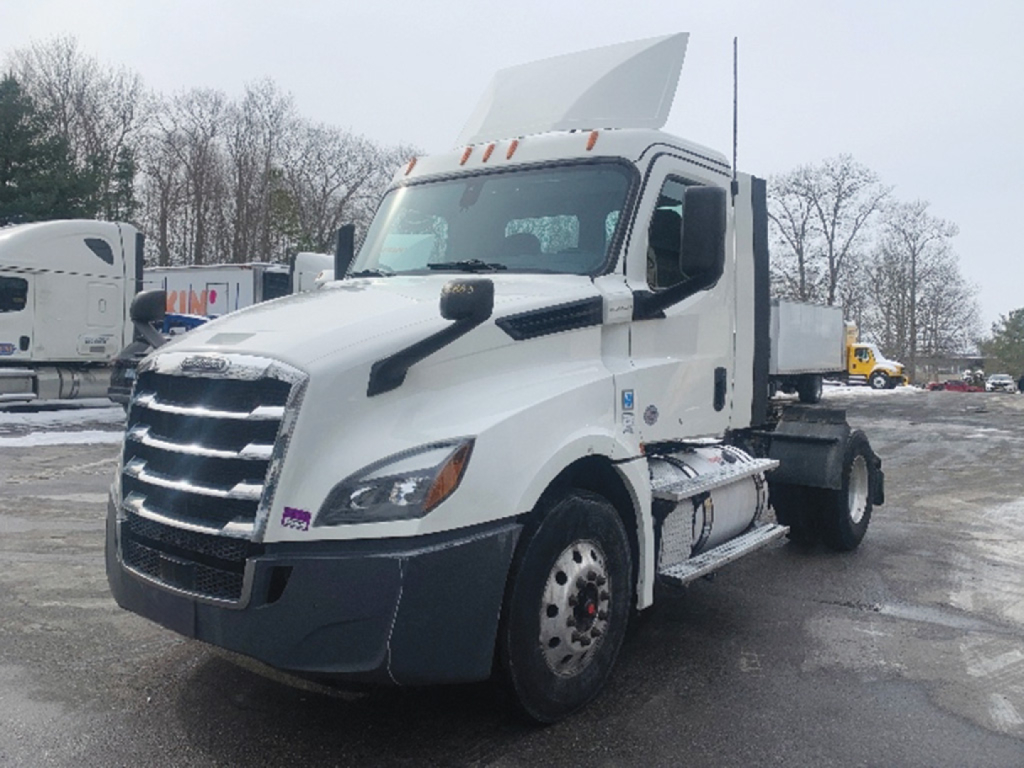
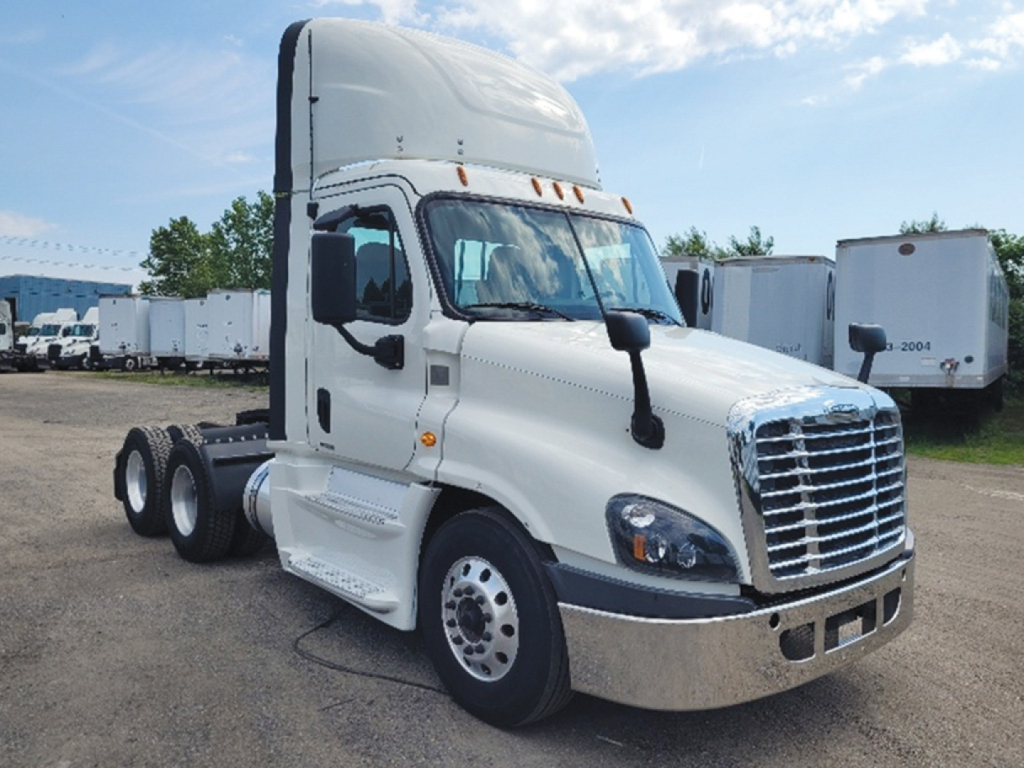
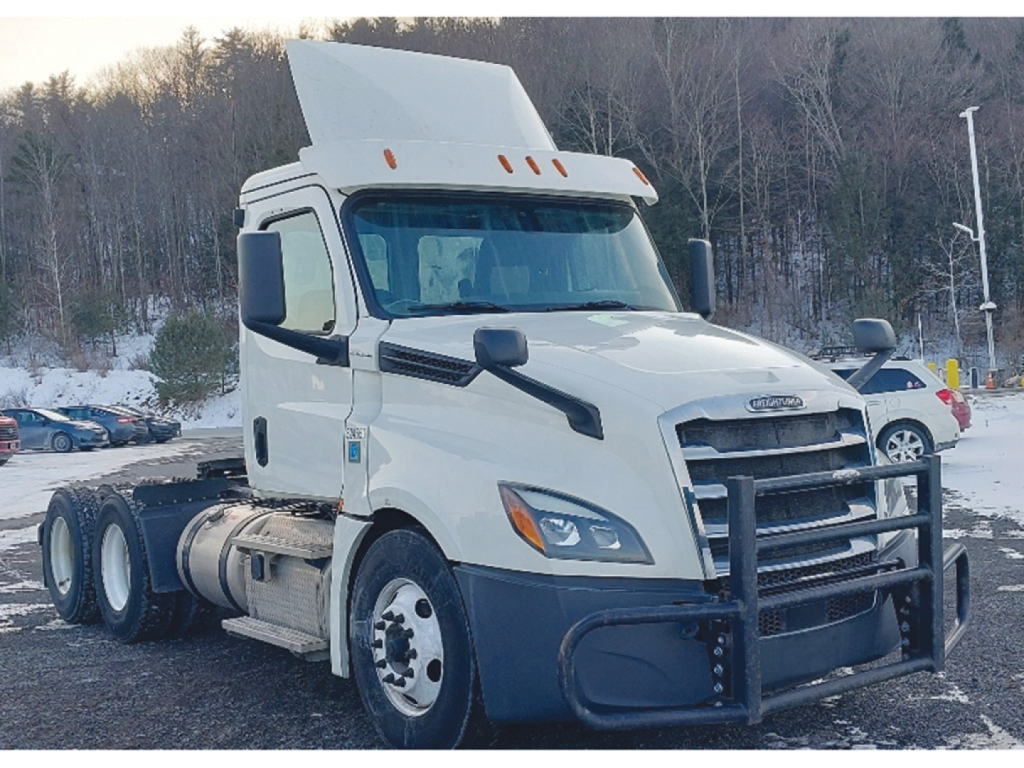
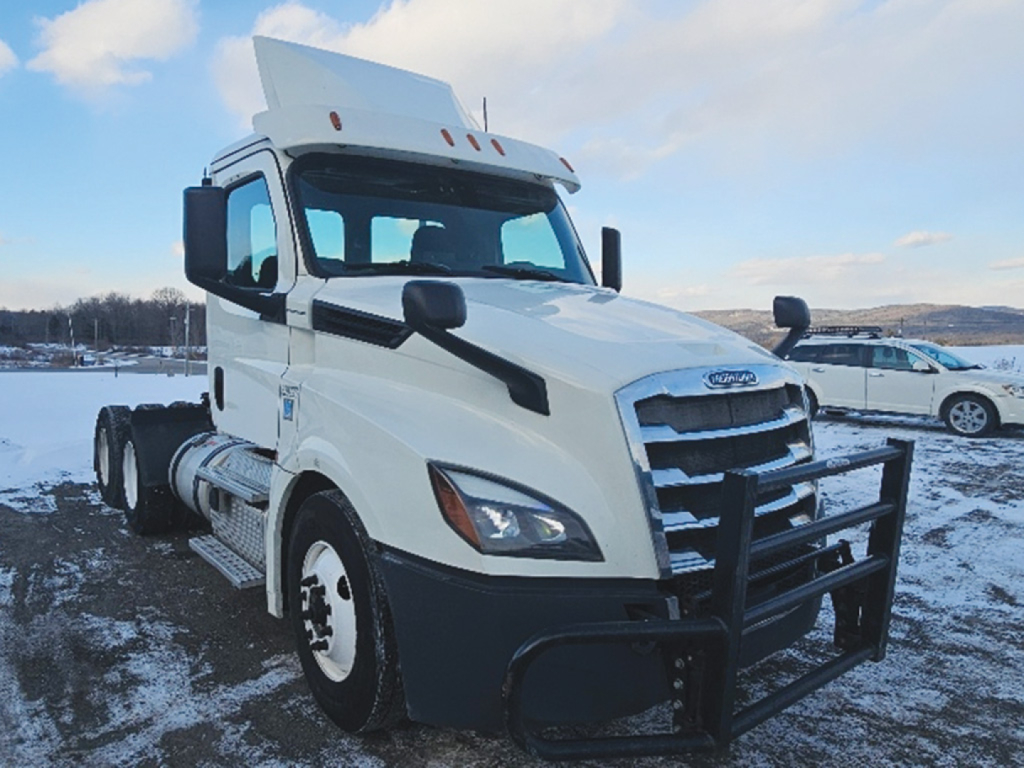
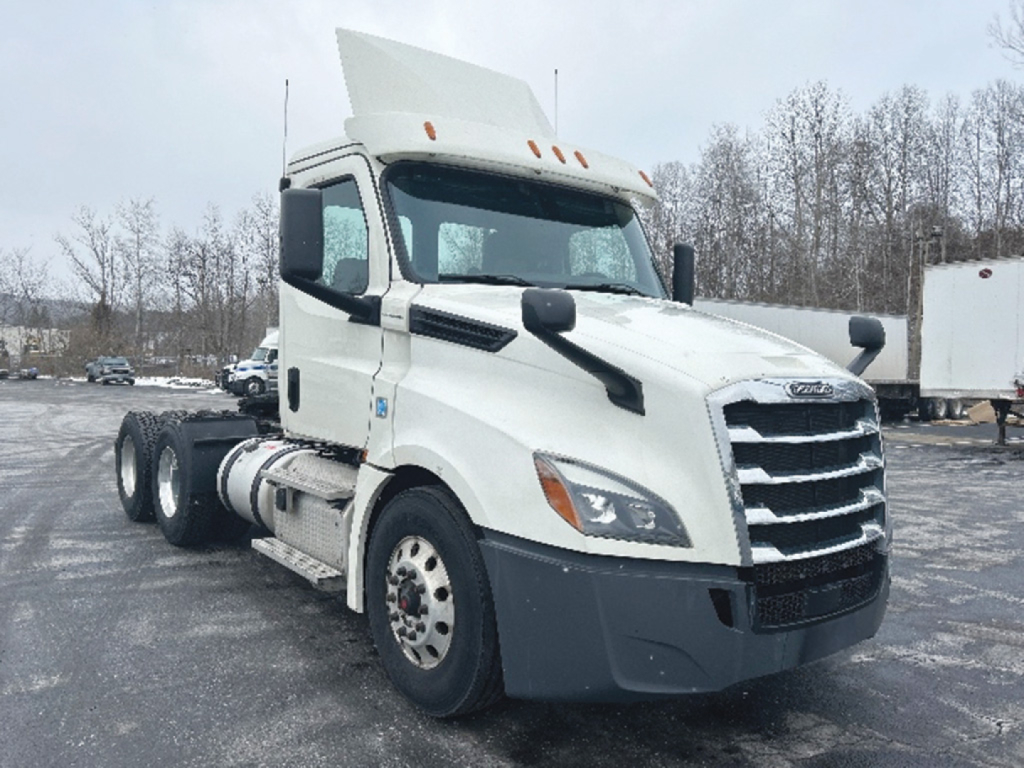
Have used 2019 freightliner conventional daycab truck to sell? List it here to reach thousands of buyers.
Used 2019 Freightliner Conventional Daycab Trucks in New York
The most common engine in this class is the Detroit DD13, often in the 400 to 410 hp range, paired with either a DT12 automated manual or a Fuller 10-speed. That combination works well for regional freight where stop-and-go traffic, bridge approaches, and urban congestion matter as much as highway efficiency. Buyers should pay close attention to rear axle rating, ratio, and suspension setup. Single-axle daycabs can be a strong fit for lighter trailer work and lower empty weight, while tandem-axle trucks make more sense for heavier freight and higher GCWR requirements. Typical items worth comparing across listings include wheelbase, air ride suspension, engine brake, air slide fifth wheel, fuel tank size, tire size, and whether the truck has aluminum or steel wheels.
Cab layout and chassis dimensions matter more on a daycab than many first-time buyers expect. A 157-inch to 166-inch wheelbase is common in regional tractor specs, but the right number depends on trailer swing clearance, axle spread requirements, and how often the truck will be maneuvering into tight docks or distribution yards. Inside the cab, look for practical details like tilt and telescoping steering, cruise control, power windows, HVAC condition, and overall interior wear. Outside, fairings, quarter fenders, horizontal exhaust, and visor setups can affect both driver preference and application. If the truck will spend time in dense Northeast traffic, visibility, turning performance, and ease of entering and exiting the cab are just as important as horsepower.
For a used 2019 Freightliner daycab, the best buying decision usually comes down to matching the drivetrain to the route profile and confirming maintenance history. Check engine hours against odometer miles, review emissions system service, inspect transmission behavior under load, and verify suspension and steering condition. On a daycab tractor, fifth wheel condition, frame integrity, and rear suspension wear are especially important because these trucks often see repeated hook-and-drop cycles. A clean Freightliner conventional daycab with the right axle spec, ratio, and wheelbase can be a cost-effective tractor for regional freight, drayage, and terminal work while still giving drivers a modern, familiar cab.
Frequently Asked Questions about Used 2019 Freightliner Conventional Daycab Trucks in New York
What is a conventional daycab truck?
A conventional daycab truck is a highway tractor with a standard hooded cab and no sleeper compartment. It is designed for local, regional, and dedicated route work where the driver returns home or to a terminal instead of staying overnight in the truck. Compared with sleeper tractors, daycabs are typically lighter, shorter overall, and easier to maneuver in tight urban and warehouse environments.
What engine and transmission are common in a 2019 Freightliner daycab?
Many 2019 Freightliner conventional daycab trucks are equipped with a Detroit DD13 engine, often rated around 400 to 410 horsepower. Common transmission choices include the Detroit DT12 automated manual and Eaton Fuller manual transmissions such as a 10-speed. The right setup depends on the route, driver preference, loaded weight, and the amount of stop-and-go operation the truck will handle.
Is a single-axle or tandem-axle Freightliner daycab better?
A single-axle daycab is usually better for lighter trailer work, lower operating weight, and applications where maneuverability matters most. A tandem-axle daycab is the better choice for heavier freight, higher combined weight ratings, and more demanding regional hauling. Buyers should match the axle setup to trailer type, commodity weight, and any bridge or state weight requirements that apply to their lanes.
What should I inspect first on a used 2019 Freightliner conventional daycab?
Start with the engine, emissions system, transmission operation, and service records. Then inspect the fifth wheel, frame rails, suspension, steering components, tires, and brake condition. On a daycab, repeated local and drop-yard use can create wear in the rear suspension, fifth wheel assembly, and cab interior, so those areas deserve close attention along with idle hours and any fault code history.
Why are Freightliner daycabs popular for New York operations?
Freightliner daycabs are popular in New York because they are widely supported, relatively easy to service, and commonly available in specs that suit regional and urban freight. Their aerodynamic design, Detroit powertrain options, and practical wheelbase choices make them useful for port drayage, warehouse runs, dedicated lanes, and terminal-to-terminal work where a sleeper is unnecessary.