
Used 2017 Freightliner Conventional Daycab Trucks For Sale in New York
Shop used 2017 Freightliner conventional daycab trucks, including Cascadia models with DD13 power, daycab specs, and regional haul setups.
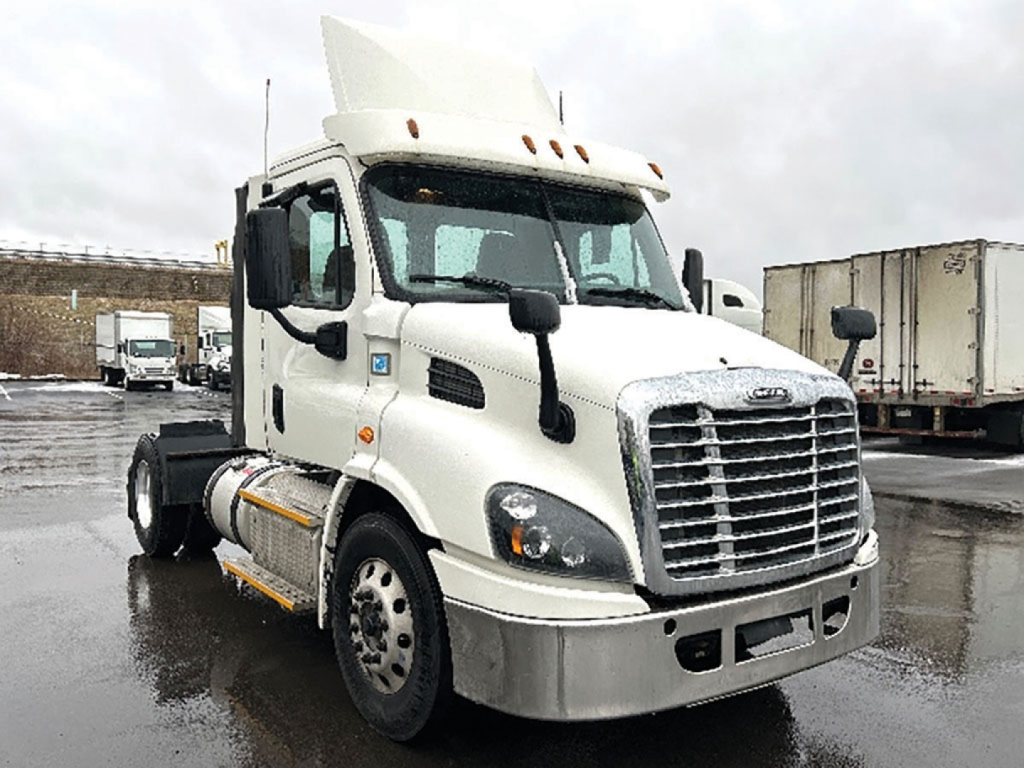
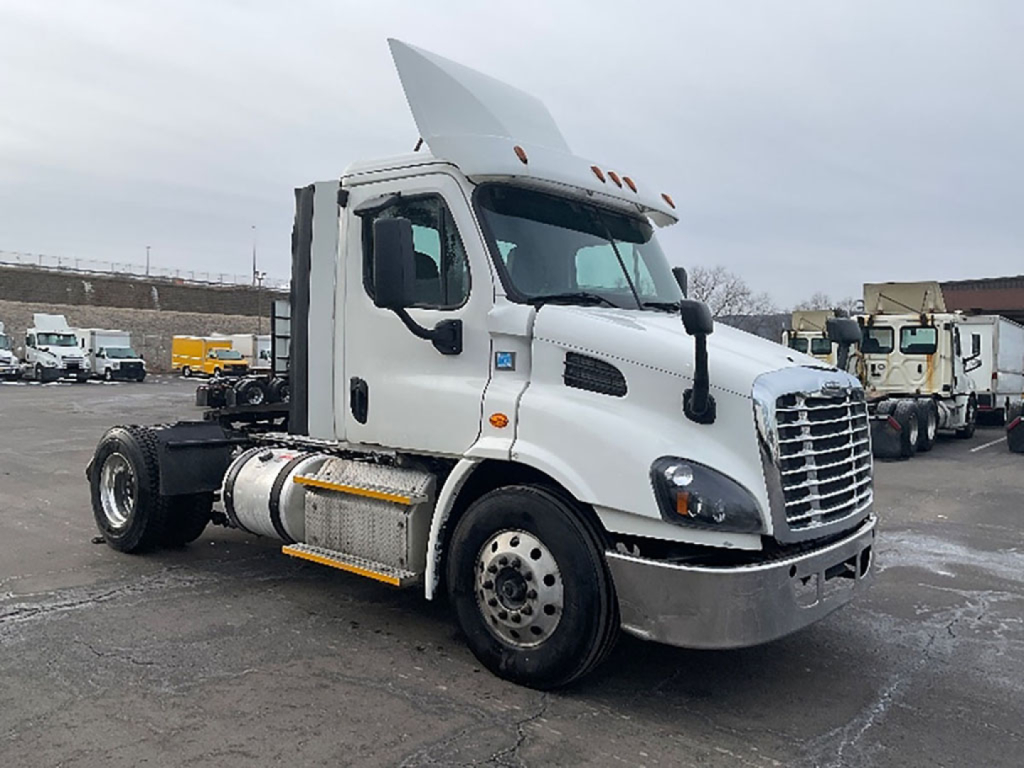
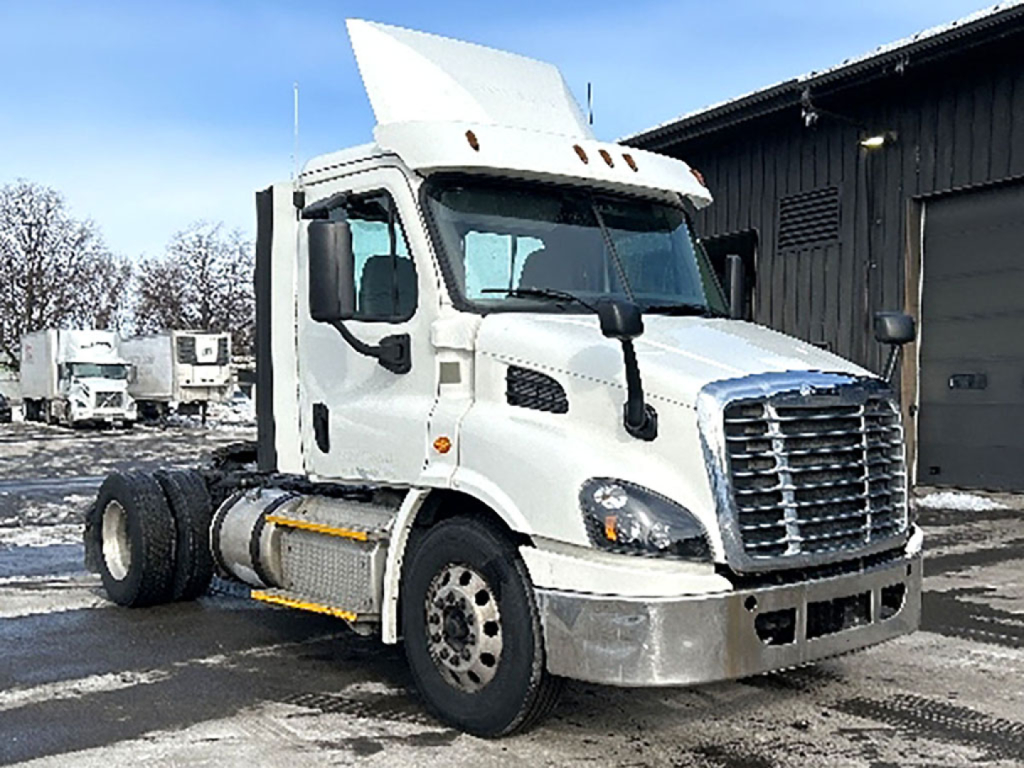
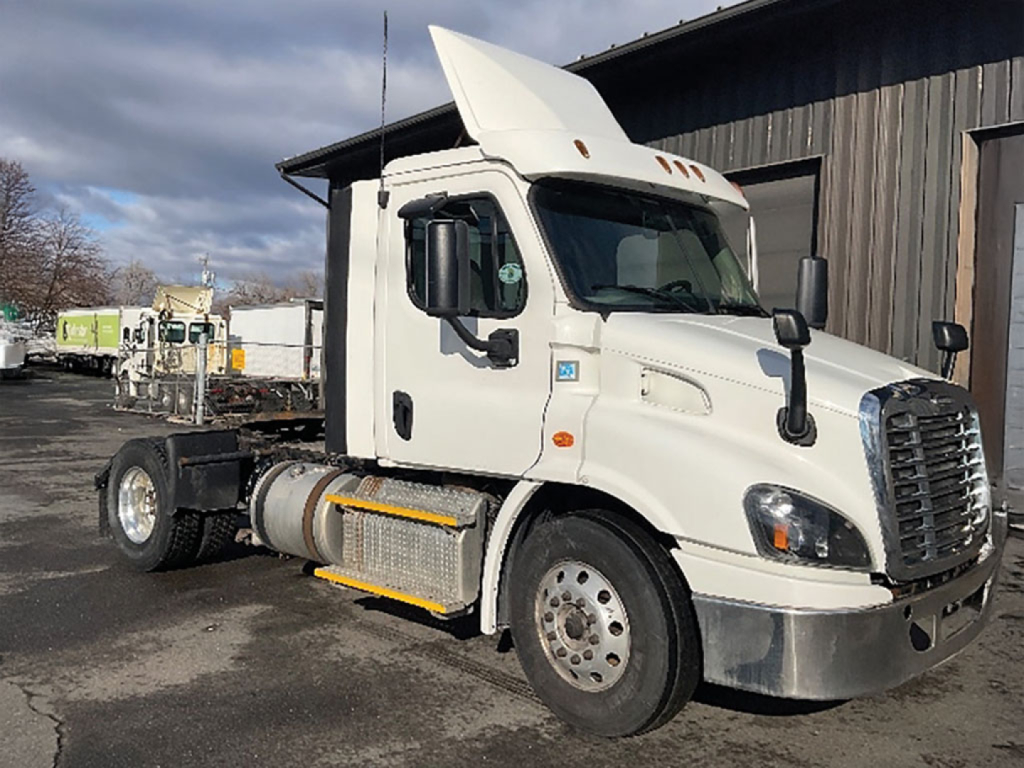
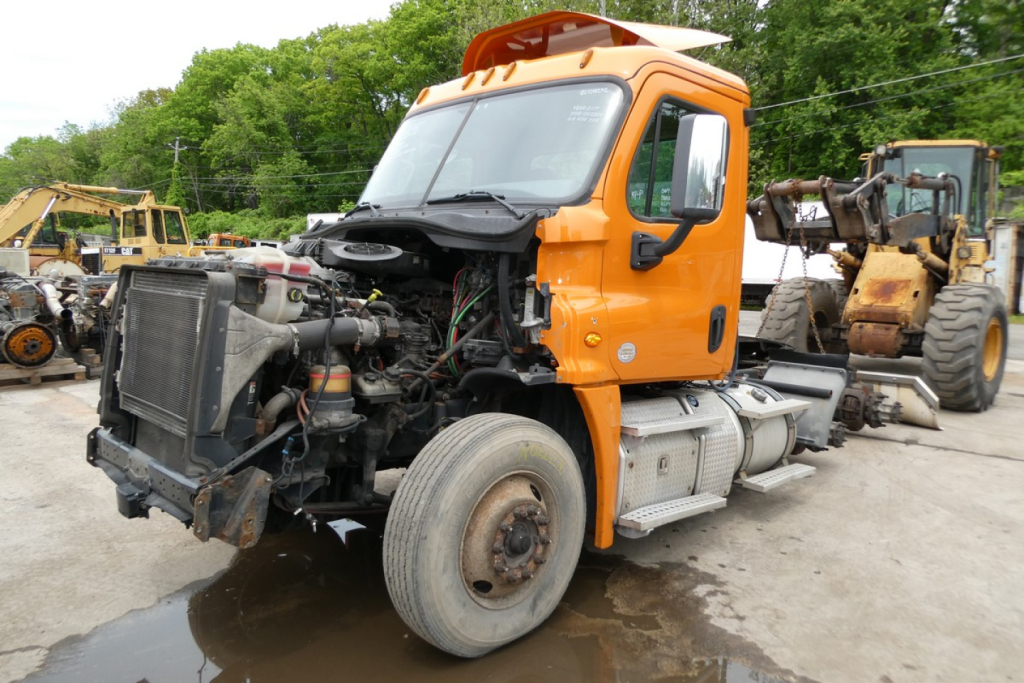
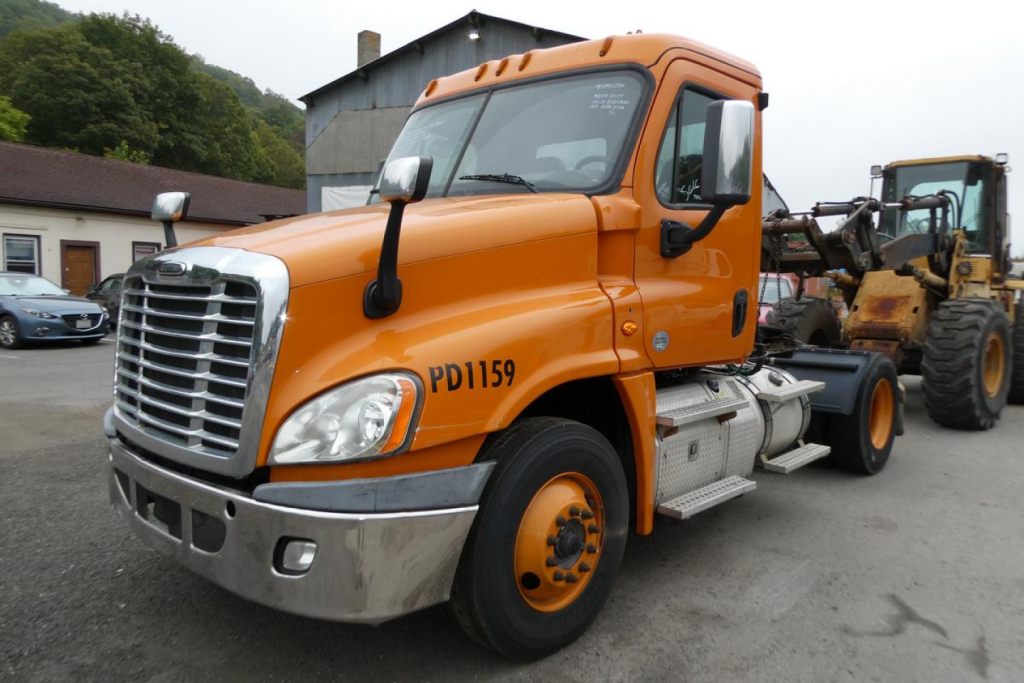
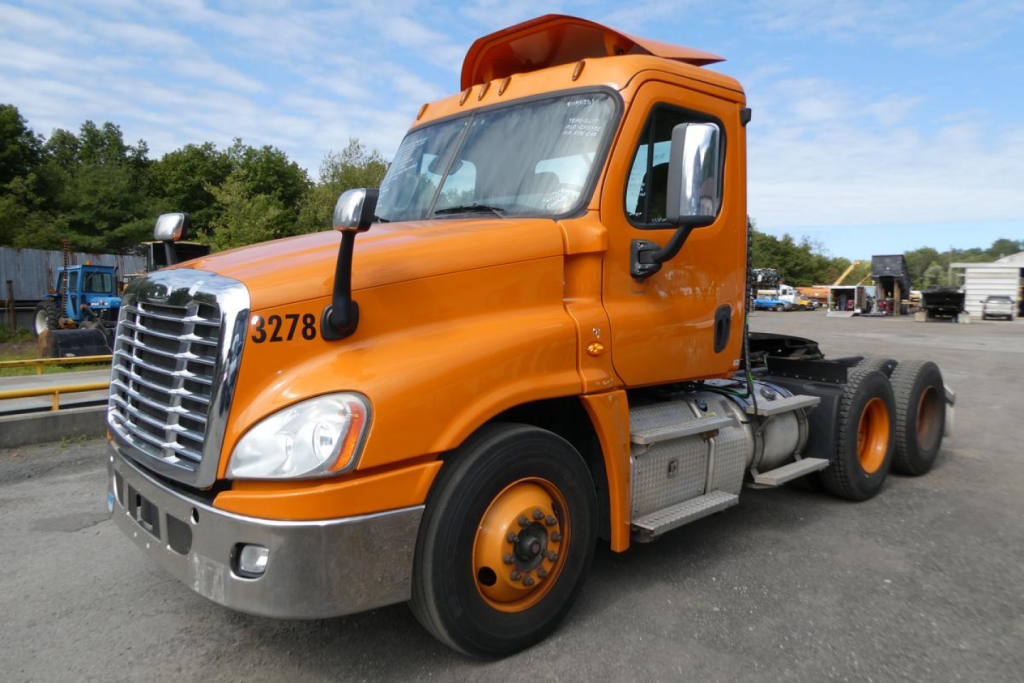
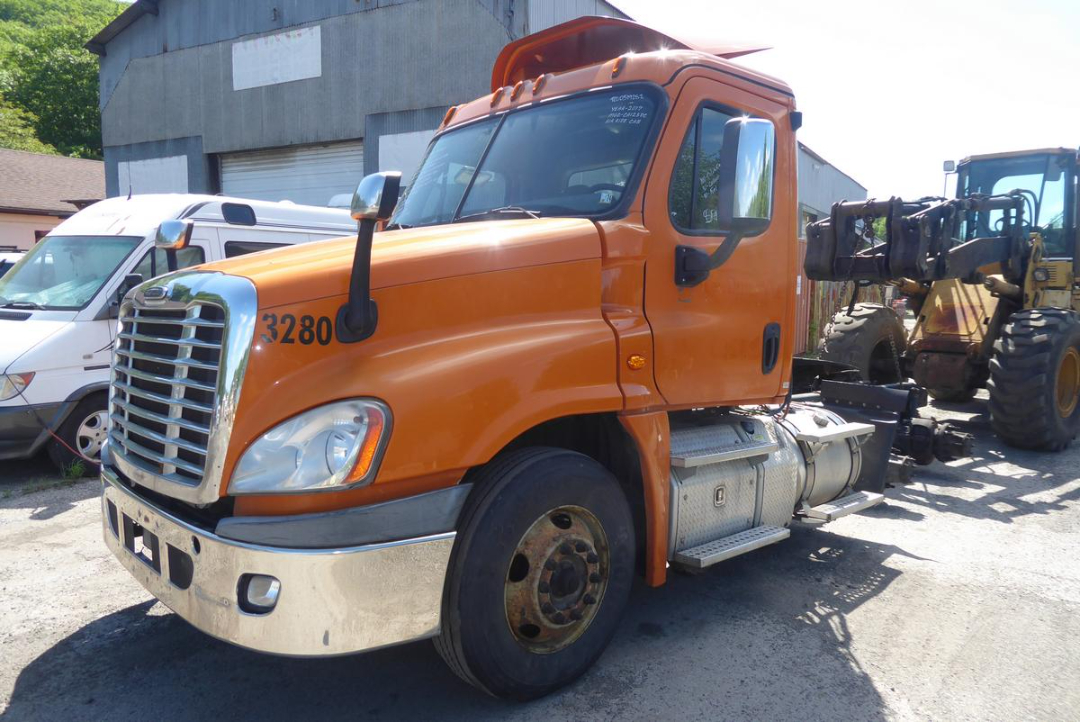
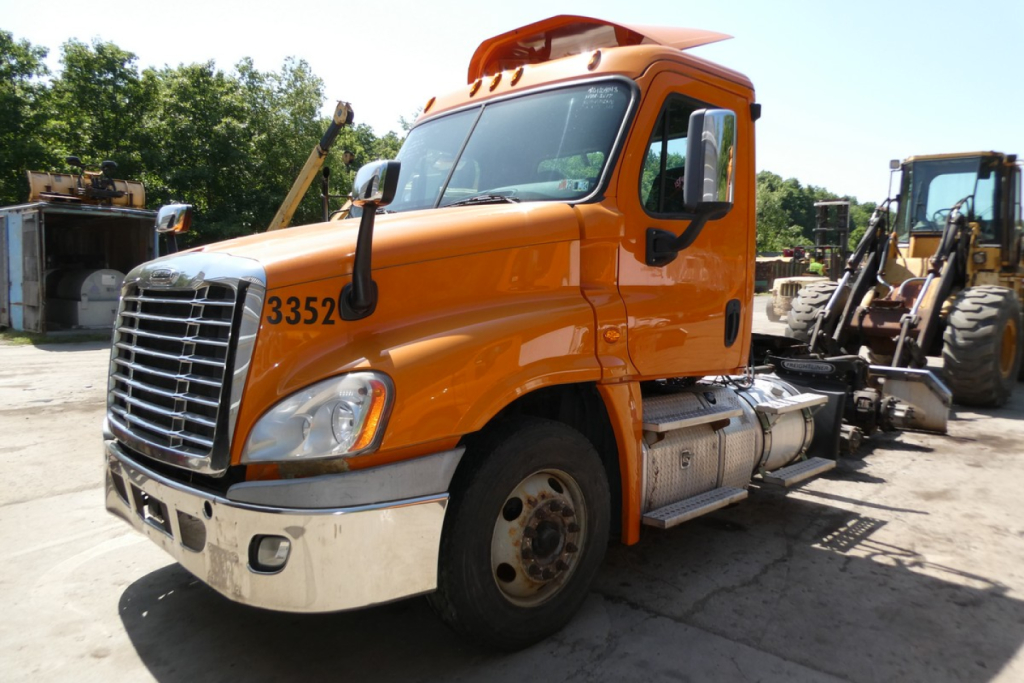
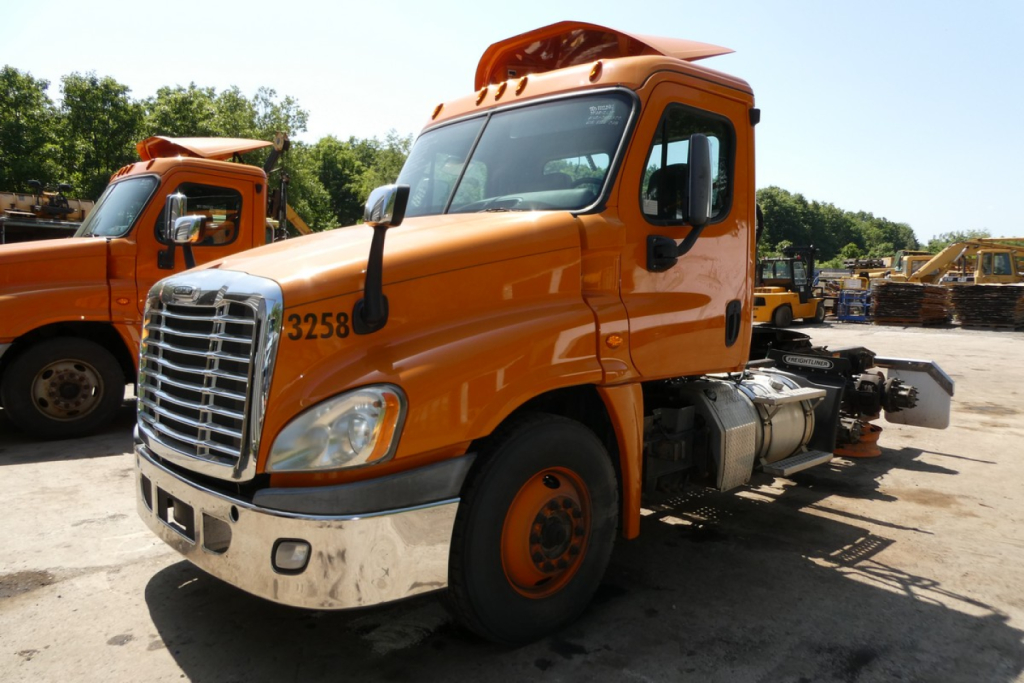
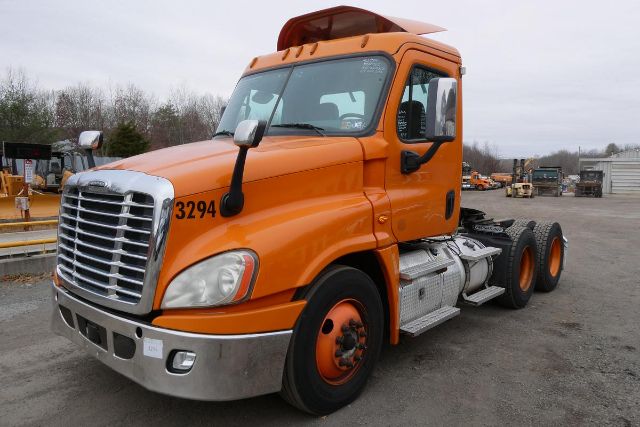
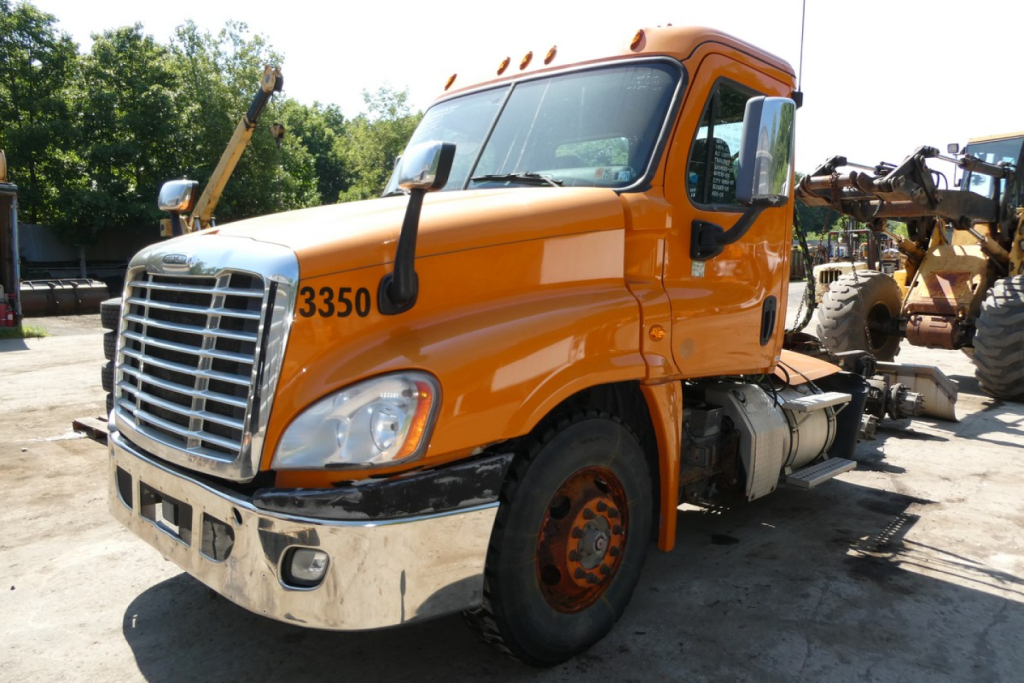
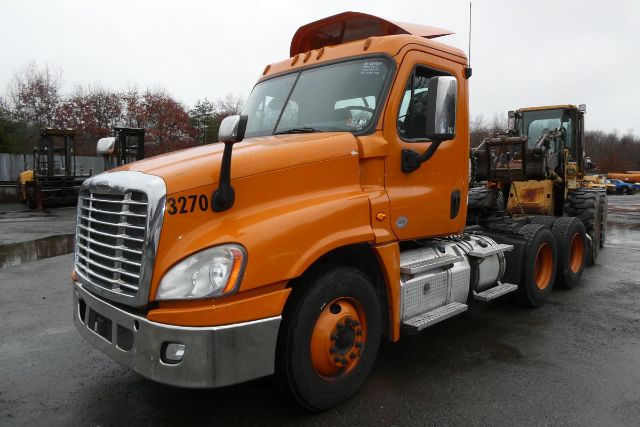
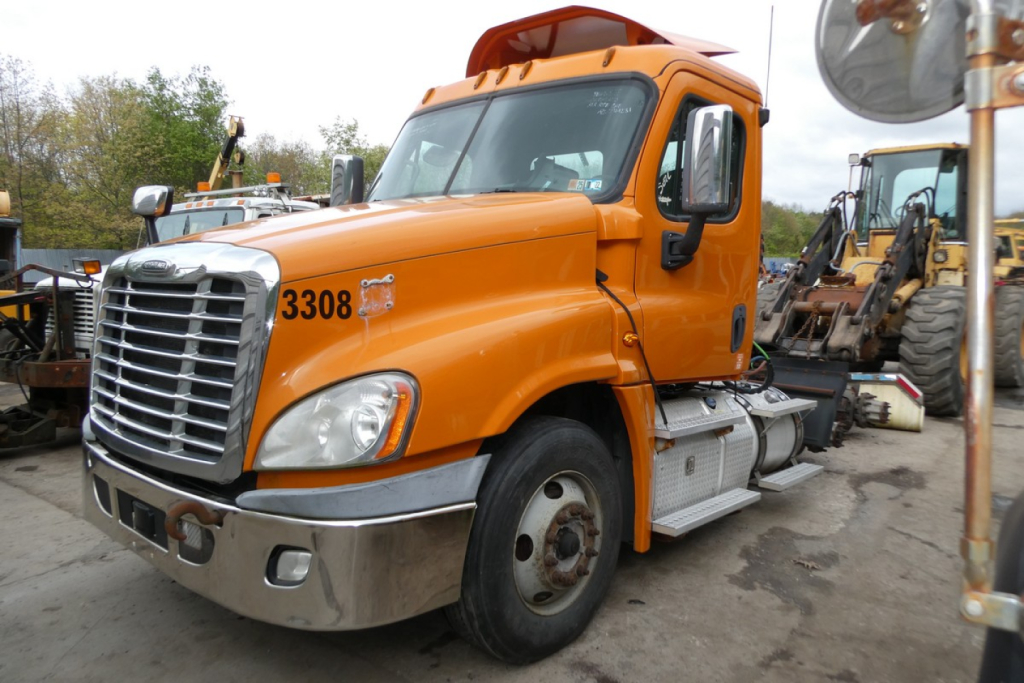
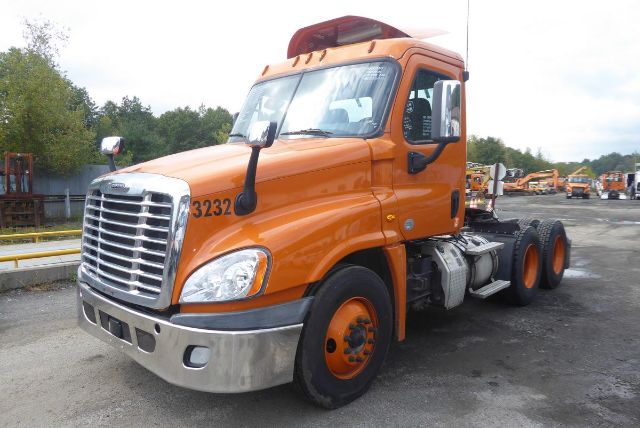
Have used 2017 freightliner conventional daycab truck to sell? List it here to reach thousands of buyers.
Used 2017 Freightliner Conventional Daycab Trucks in New York
A 2017 Freightliner daycab in this class is often spec'd with a Detroit DD13 engine and either a Detroit DT12 automated manual or a 10-speed manual transmission. That combination is well-suited for regional van, reefer, container, and light to mid-weight flatbed duty. Common rear axle ratings can range from around 23,000 pounds on lighter regional specs up to 40,000 pounds on heavier tandem-axle setups, with Airliner air ride suspension and ratios such as 3.08 or 3.42 showing up regularly. Wheelbases around 157 to 172 inches are typical, and that dimension matters because it affects turning radius, bridge law flexibility, and how the truck matches up with trailers and kingpin settings. Buyers should also pay attention to 5th wheel type, including stationary or air slide, since that changes how easily the truck can adapt across multiple trailer lengths.
Condition is the deciding factor on any used 2017 Freightliner conventional daycab. A serious buyer should compare dash miles to ECM miles and engine hours, review aftertreatment history, and inspect the DEF system, one-box condition, and fault code activity before making a decision. On DT12-equipped trucks, service records for clutch actuator and transmission calibration work matter. On manual transmission trucks, clutch life, driveline wear, and shift quality deserve a close look. Brake type is another practical item, as many trucks in this segment have air disc brakes, which can offer strong stopping performance but should be checked for rotor and caliper condition. Tire size, frame layout, suspension rating, and signs of prior accident or vocational use also tell you a lot about how the truck was worked.
For fleet buyers and owner-operators alike, the 2017 Freightliner daycab remains attractive because parts support is strong, Detroit powertrains are widely understood by shops, and the platform fits a broad range of commercial applications. The best spec depends on the job. A lighter single-frame setup with a stationary 5th wheel may be ideal for dedicated local lanes, while a tandem-axle truck with a 40,000-pound rear, power divider, and air slide 5th wheel is better suited for heavier regional trailer work. The key is to match horsepower, axle ratio, wheelbase, and suspension to the freight instead of buying on mileage alone.
Frequently Asked Questions about Used 2017 Freightliner Conventional Daycab Trucks in New York
What are the most common engine and transmission specs in a used 2017 Freightliner conventional daycab?
Many 2017 Freightliner conventional daycab trucks, especially Cascadia 125 models, are equipped with a Detroit DD13 engine in the 410 to 450 horsepower range. Common transmissions include the Detroit DT12 automated manual and traditional 10-speed manuals. The DD13 is popular for regional hauling because it offers a good balance of power, fuel economy, and service familiarity, while transmission choice usually comes down to driver preference, route type, and fleet maintenance strategy.
Is a 2017 Freightliner daycab a good fit for regional and local hauling?
Yes. A 2017 Freightliner daycab is typically well-suited for regional runs, local delivery support, drayage, terminal-to-terminal freight, and dedicated lane work. The daycab layout reduces weight compared with a sleeper, improves visibility, and keeps the truck practical for operations where the driver returns home daily. Wheelbase, rear axle rating, and 5th wheel setup should still be matched to the trailer and freight, since some daycabs are spec'd for lighter regional work and others for heavier tandem-axle applications.
What should I inspect first on a used 2017 Freightliner daycab?
Start with engine hours, ECM mileage, maintenance records, and active or stored fault codes. On a 2017 emissions-era truck, the DEF system, aftertreatment components, and one-box history are critical. You should also inspect transmission operation, rear axle and suspension condition, brake wear, tire wear patterns, frame condition, and signs of collision repair. If the truck has a DT12 automated manual, calibration history and clutch-related service are especially important.
What axle and suspension setups are common on Freightliner conventional daycabs?
Used Freightliner conventional daycabs can be found with lighter single-axle style regional specs or heavier tandem-axle configurations. Common rear axle ratings include around 23,000 pounds on lighter setups and 40,000 pounds on tandem trucks, often paired with Airliner air ride suspension. These specs matter because they affect payload capability, trailer compatibility, ride quality, and the type of work the truck can handle efficiently.
Why does wheelbase matter on a Freightliner daycab?
Wheelbase affects turning radius, weight distribution, trailer gap, and overall maneuverability. A shorter wheelbase can be an advantage in city work, tight terminals, and crowded yards. A longer wheelbase may better suit certain trailer combinations and help with ride quality or component placement. On a used Freightliner daycab, wheelbase should be reviewed alongside cab-to-axle and 5th wheel position to make sure the truck fits the intended trailer lengths and kingpin settings.