
Used 2011 Freightliner Conventional Daycab Trucks For Sale in New York
Shop used 2011 Freightliner conventional daycab trucks in New York. Compare Cascadia specs, DD13 power, wheelbase, axles, and drivetrain setups.
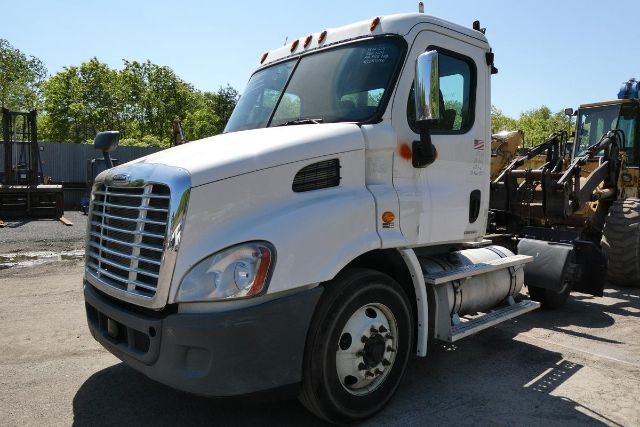
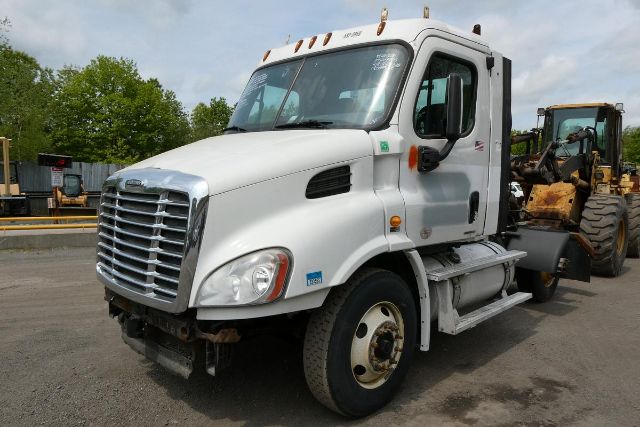
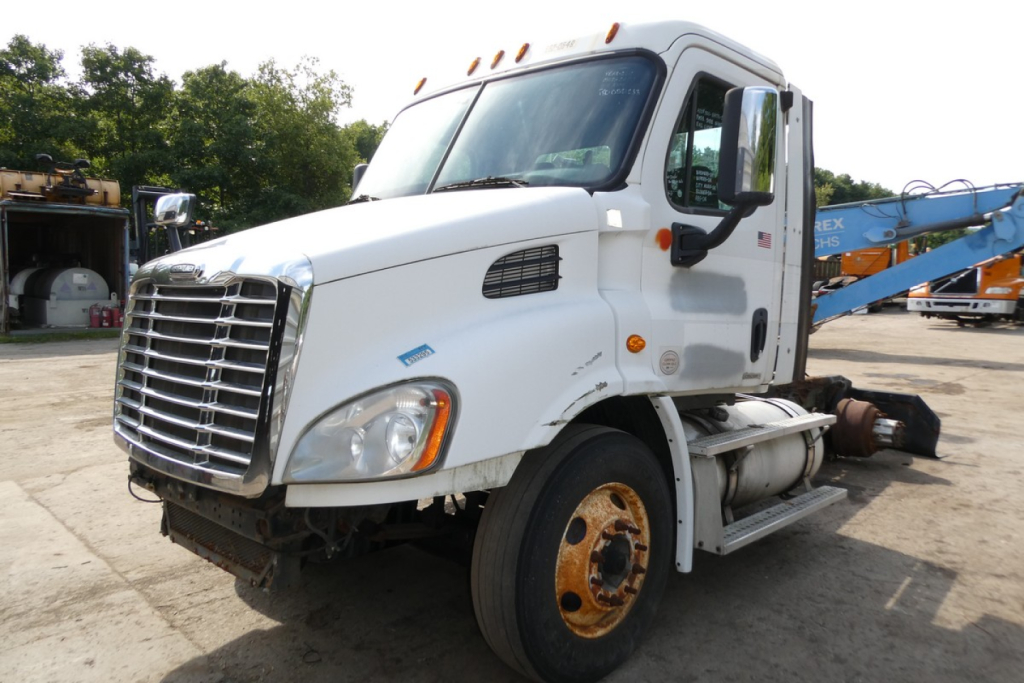
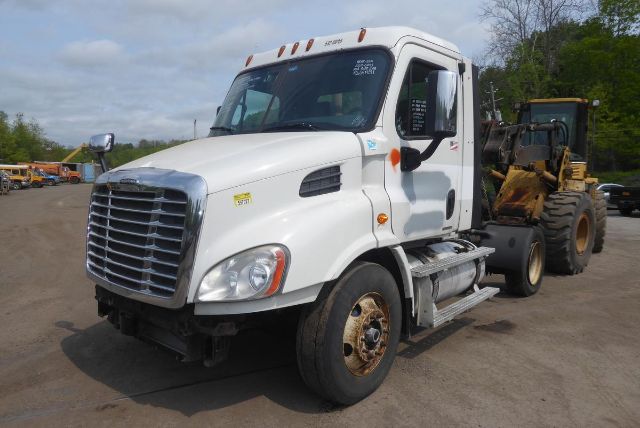
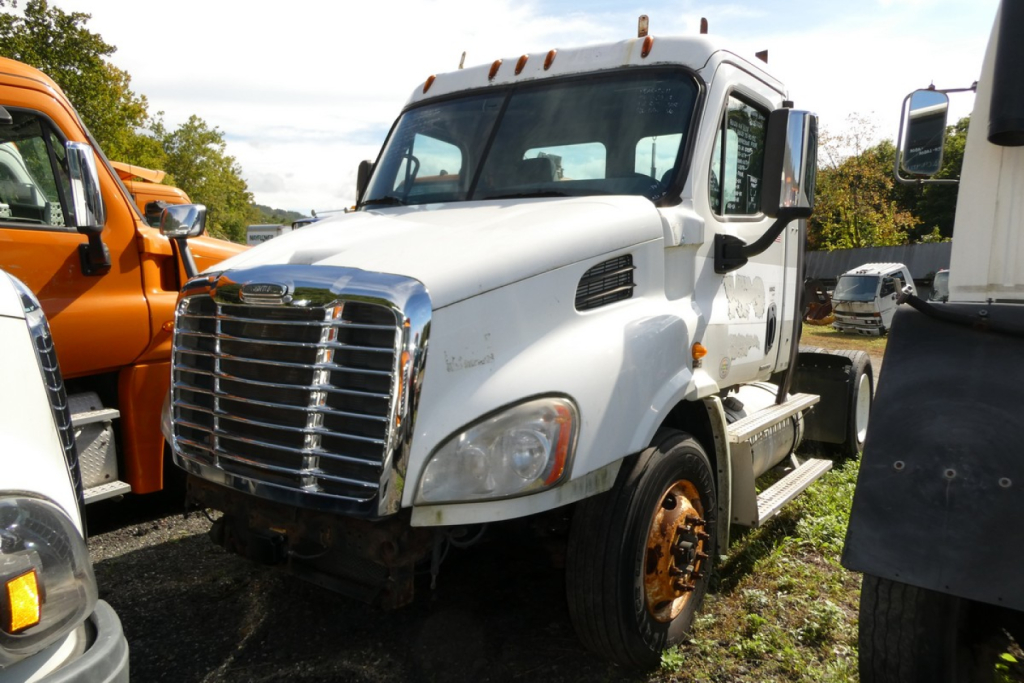
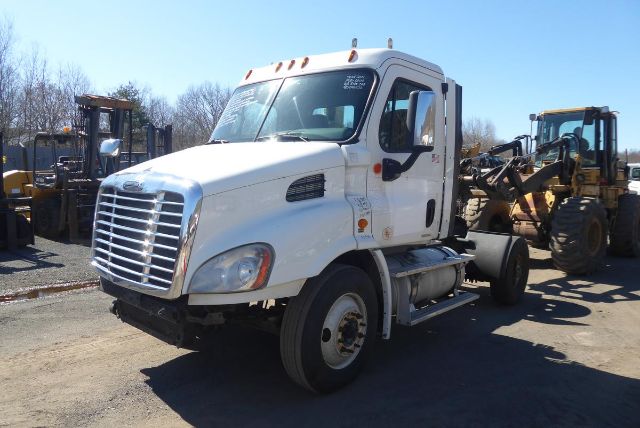
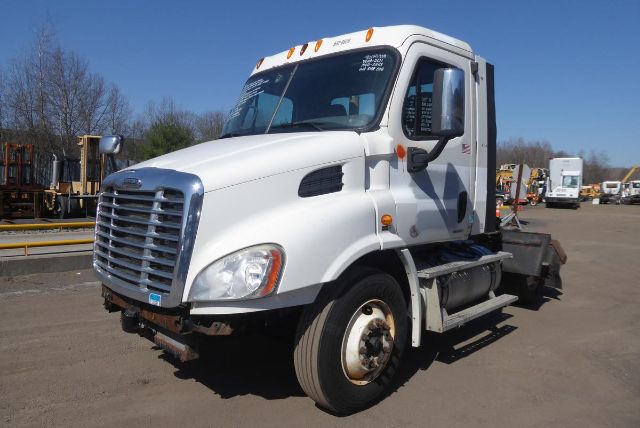
Selling a used 2011 freightliner conventional daycab truck? List your used 2011 freightliner conventional daycab truck for sale and reach thousands of commercial buyers.
Used 2011 Freightliner Conventional Daycab Trucks in New York
The key buying decisions usually come down to engine rating, rear axle ratio, wheelbase, and fifth wheel setup. Many 2011 Freightliner daycabs were spec'd with DD13 power in the 410 hp range, paired with Fuller manual transmissions and rear ratios that can vary widely depending on intended duty cycle. A taller ratio such as 2.67 generally favors fuel mileage and higher road speed, while deeper gearing is more helpful if the truck spent its life in heavier vocational or stop-and-go applications. Wheelbases in this class are often in the mid-150-inch range, which keeps the truck nimble around terminals, city streets, and tight loading areas. Stationary fifth wheels are common on fleet daycabs, while some buyers may prefer a sliding fifth wheel for flexibility across trailer lengths and kingpin settings.
Condition matters more than headline mileage on a used 2011 model. A daycab with consistent maintenance records, matching odometer and ECM readings, healthy suspension components, and a clean driveline inspection is usually a better value than a lower-priced truck with deferred repairs. Buyers should pay close attention to emissions equipment, especially on early DEF-era trucks, and verify the condition of the DPF, DEF system, sensors, and wiring. It is also smart to inspect cab mounts, hood alignment, steering play, brake type, and rear suspension wear. Freightliner daycabs commonly use Airliner suspension, Meritor rear axles, and 12,000 lb front axles, so replacement parts and service support are generally straightforward.
For the best fit, match the truck to the route and trailer it will actually pull. A single-axle Freightliner conventional daycab is a strong choice for regional van, reefer, container, and light tanker work where lower tare weight and tighter turning radius matter. Buyers running heavier gross weights or more demanding traction conditions may need to move up to a tandem axle daycab instead. The advantage of a 2011 Freightliner is familiarity: most fleets and independent operators already know the platform, technicians know how to service it, and the spec sheet is usually easy to interpret once you confirm axle ratings, transmission model, brake configuration, and cab-to-axle dimensions.
Frequently Asked Questions about Used 2011 Freightliner Conventional Daycab Trucks in New York
What is a 2011 Freightliner conventional daycab best used for?
A 2011 Freightliner conventional daycab is best suited for local and regional hauling where a sleeper is not necessary. Common applications include dry van, reefer, container drayage, tanker, and dedicated route work. The shorter overall length improves maneuverability in yards, city streets, and dock areas, and the lower curb weight can help payload and fuel economy compared with a sleeper tractor.
What engine and transmission are common in a used 2011 Freightliner daycab?
One of the most common setups is a Detroit DD13 diesel engine paired with a Fuller 10-speed manual transmission. This spec was popular because it offered a good mix of fuel economy, serviceability, and adequate horsepower for regional work. Buyers should still verify exact horsepower rating, transmission model, rear axle ratio, and whether the truck has engine brake, DEF, and other emissions-related components functioning correctly.
How important is axle ratio on a Freightliner daycab?
Axle ratio has a direct effect on how the truck performs on the road. A taller ratio like 2.67 generally lowers engine rpm at cruising speed and can improve fuel economy on highway routes, while a deeper ratio provides better startability and pulling power in heavier or more stop-and-go service. The right choice depends on trailer weight, terrain, average speed, and how often the truck operates in urban traffic versus open highway.
What should I inspect on a used 2011 Freightliner conventional daycab before buying?
Focus on maintenance history, ECM and odometer consistency, engine blow-by, clutch and transmission operation, suspension wear, brake condition, and signs of frame or cab damage. On a 2011 truck, the emissions system deserves extra attention. Check the DPF and DEF components, look for fault codes, and confirm there are no recurring issues with sensors or wiring. It is also worth measuring wheelbase, cab-to-axle, and fifth wheel position to make sure the truck matches the trailers you plan to pull.
Is a single-axle Freightliner daycab enough for most operations?
A single-axle daycab is enough for many regional and local applications, especially when hauling lighter freight, containers, or trailers that do not require tandem tractor capacity. It usually offers lower empty weight, fewer tires and drivetrain components to maintain, and easier maneuverability. If your operation regularly runs heavier gross combination weights, steep grades, or traction-sensitive routes, a tandem axle tractor may be the better fit.