
Used 2018 Freightliner Conventional Daycab Trucks For Sale in New York
Browse used 2018 Freightliner conventional daycab trucks for sale in New York, including Cascadia day cabs with Detroit power and fleet-ready specs.
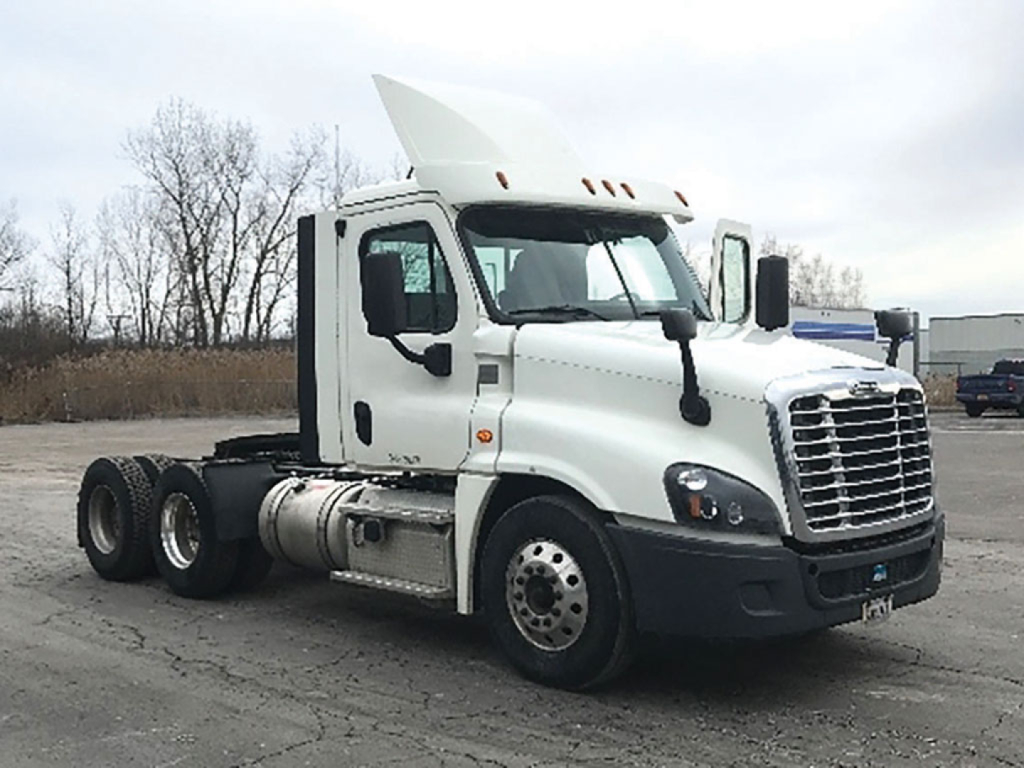
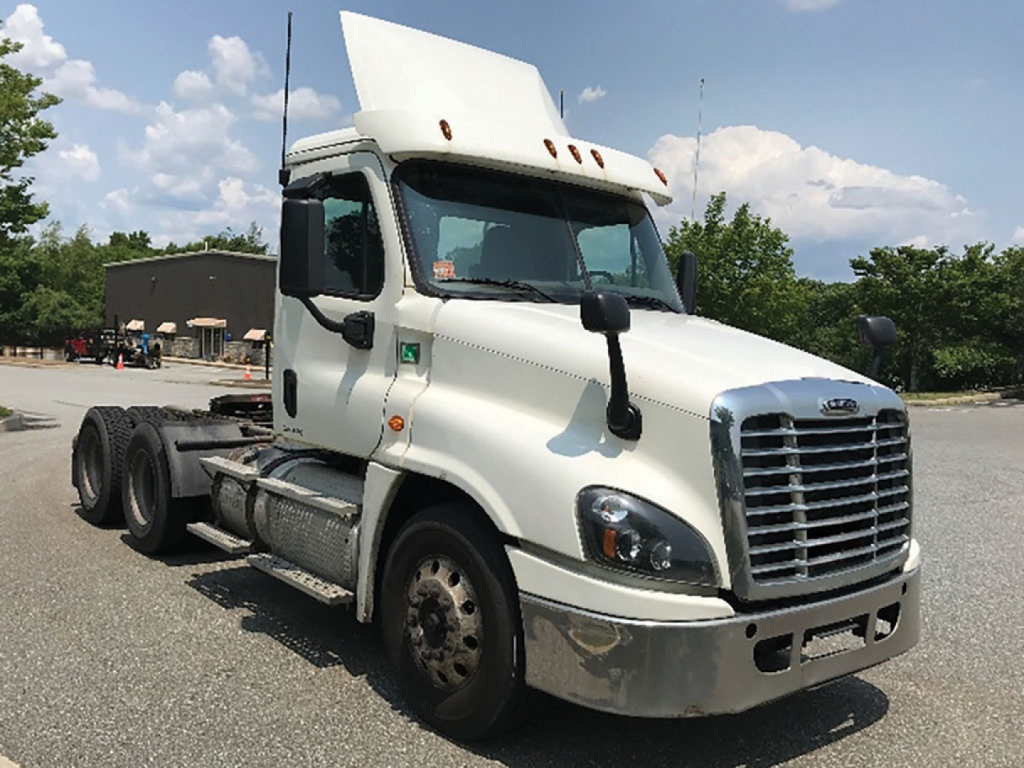
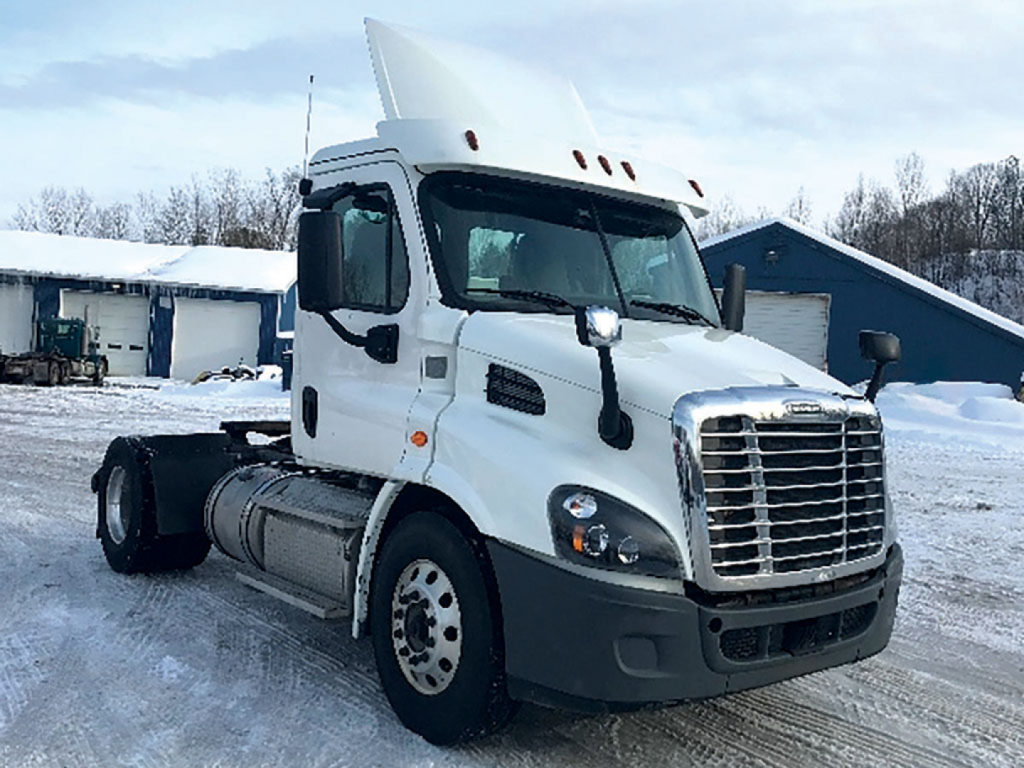
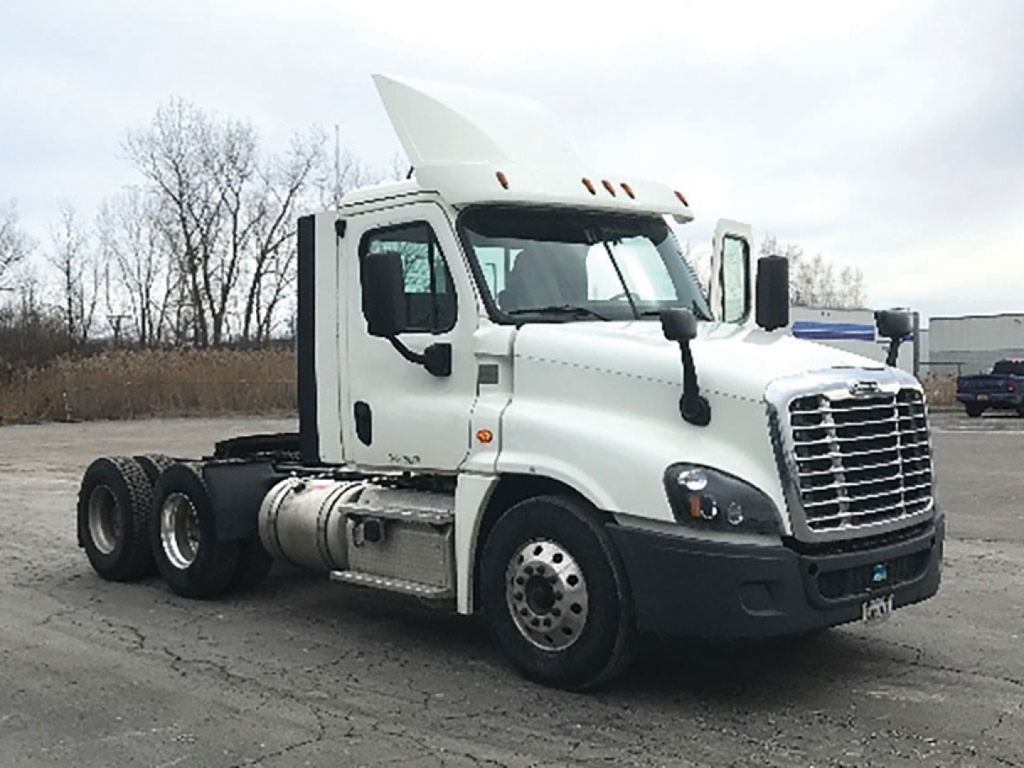
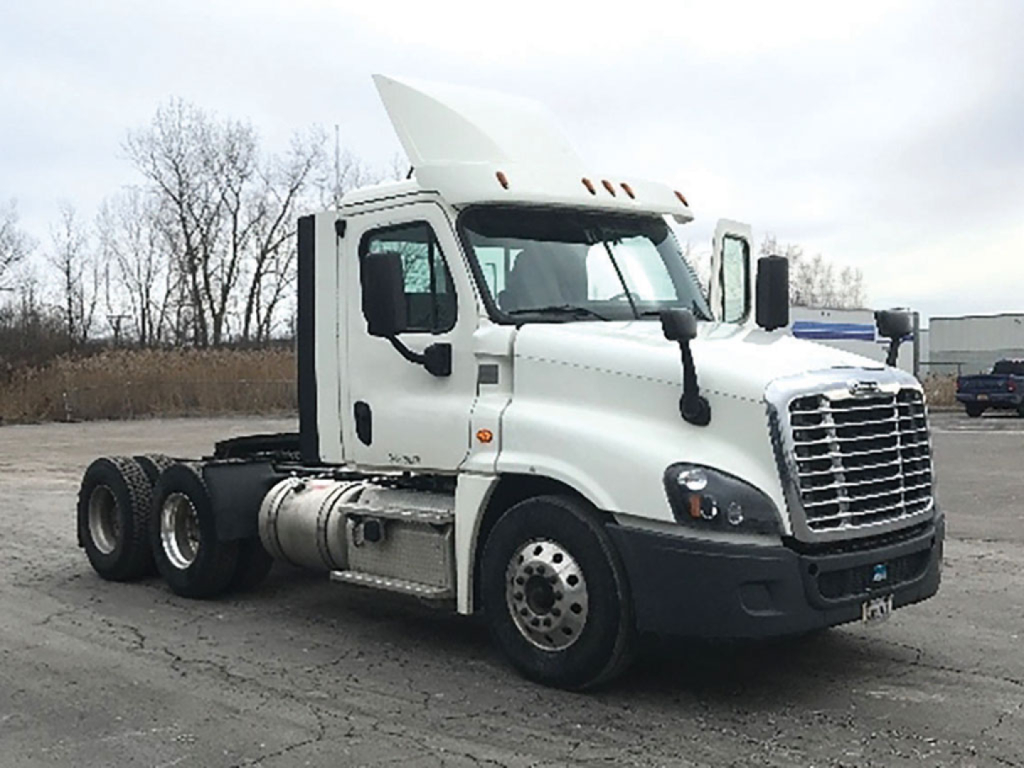
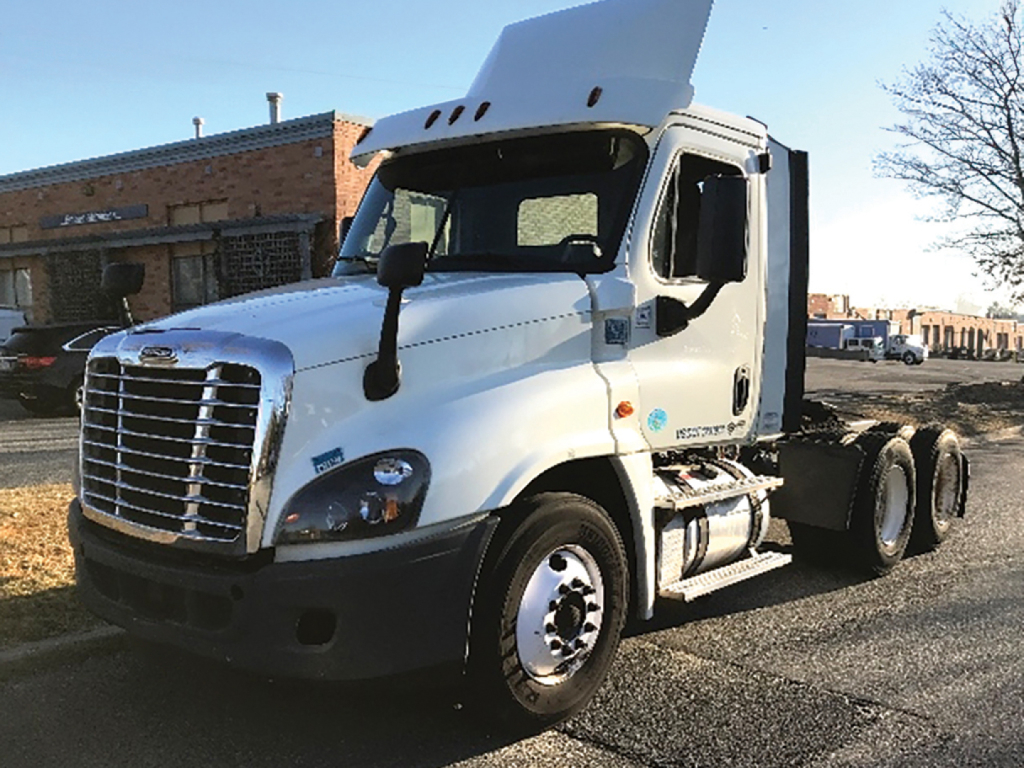
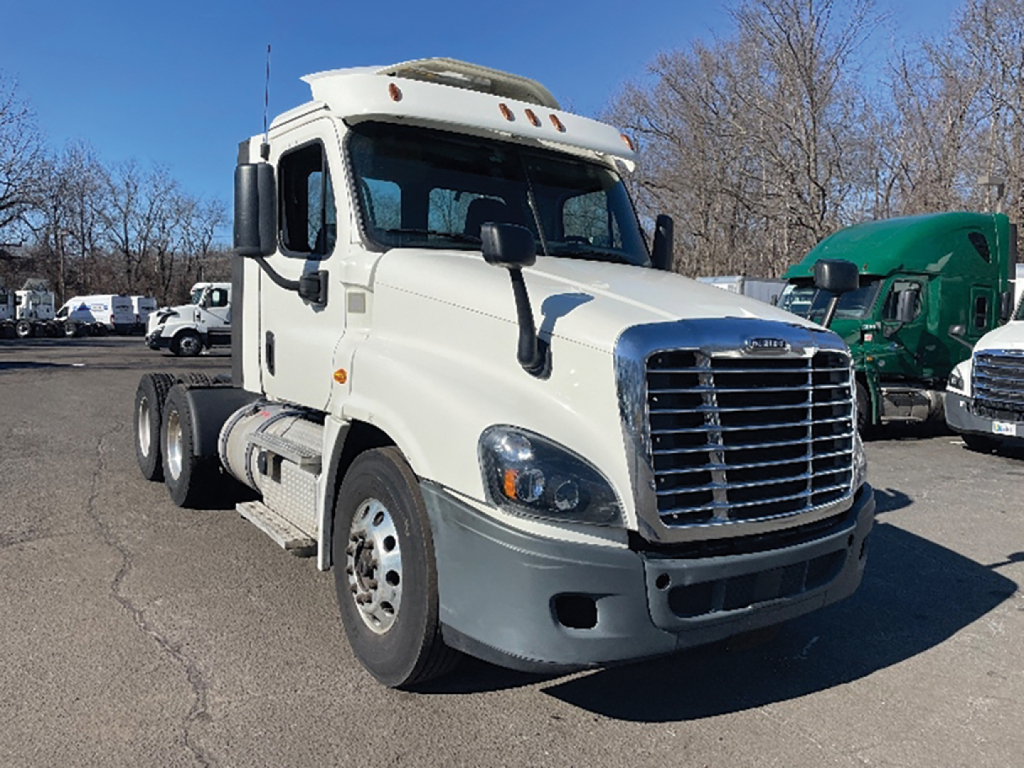
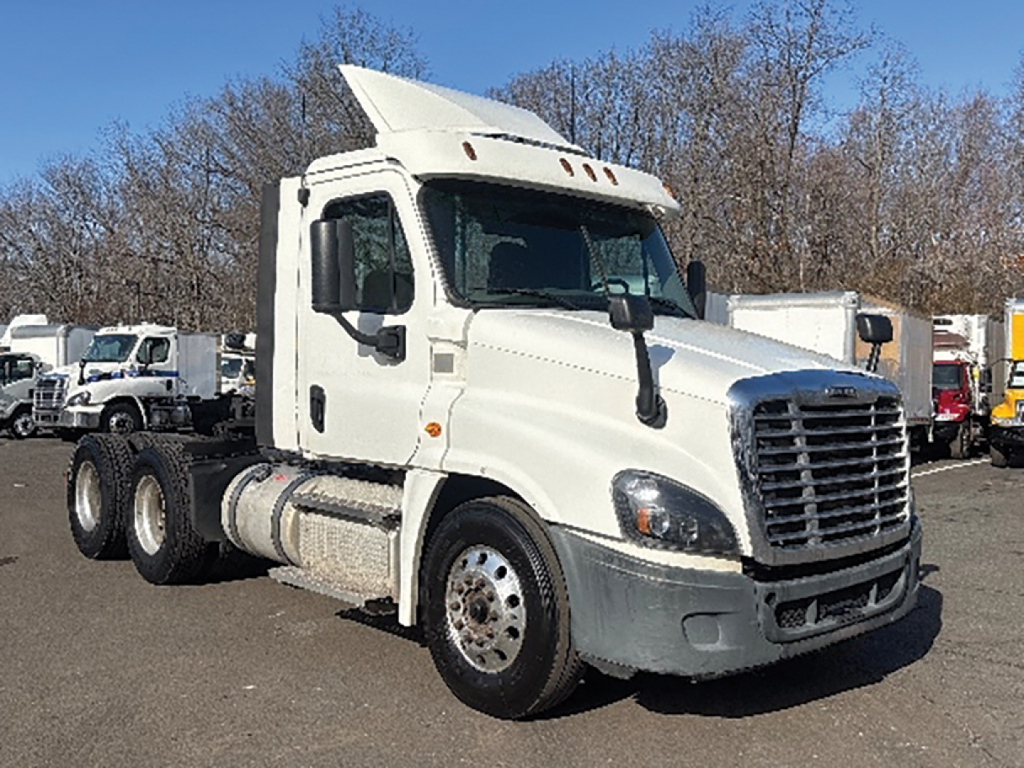
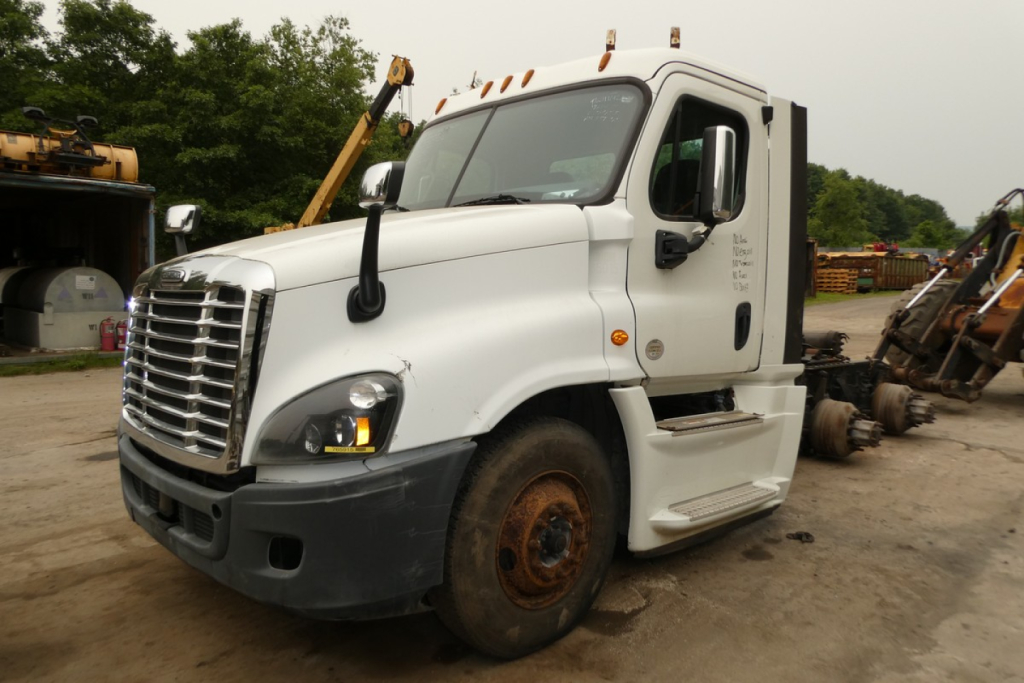
Have used 2018 freightliner conventional daycab truck to sell? List it here to reach thousands of buyers.
Used 2018 Freightliner Conventional Daycab Trucks in New York
The most important spec decisions usually come down to wheelbase, axle ratings, rear ratio, and fifth wheel setup. Many conventional daycab trucks in this class are spec'd with 12,000 lb front axles, 40,000 lb rears, air ride suspension, and wheelbases in the 157-inch to 178-inch range. A shorter wheelbase generally improves maneuverability in tight yards, city streets, and terminal environments, while a longer wheelbase can help ride quality and frame space for tanks or vocational add-ons. Rear ratios such as 3.08 or 3.23 are common on highway-oriented day cabs and should be matched to your transmission, cruise speed, and average payload. Buyers running mixed service should also check for single versus tandem axle configuration, stationary versus air slide fifth wheel, and whether the truck has a pintle hook or other rear frame equipment.
On 2018 Freightliner day cabs, cab and chassis details can make a meaningful difference in uptime and driver acceptance. Air disc brakes, collision mitigation, cruise control, tilt and telescoping steering, aluminum fuel tanks, and roof fairings are all common features on fleet-spec trucks from this period. Detroit powertrains are widely used in these units, which helps with diagnostics familiarity and service access, but a buyer should still review fault history, aftertreatment performance, and transmission calibration status before purchase. If the truck has a DT12 automated manual, confirm clutch wear history, software updates, and how the truck was used, since severe stop-start applications can affect driveline wear differently than linehaul service.
A conventional daycab truck, also known simply as a day cab tractor or non-sleeper semi truck, is best evaluated by intended route profile rather than badge alone. A truck hauling 80,000 lb gross on regional turns needs a different spec than one handling containers, dry van shuttles, or short LTL runs. Look closely at engine brake performance, suspension type, tire size, frame condition, and cab corrosion if the truck has spent time in Northeast winter service. For many buyers, a used 2018 Freightliner daycab offers a strong balance of aerodynamics, modern safety equipment, and operating efficiency without the added weight and complexity of a sleeper configuration.
Frequently Asked Questions about Used 2018 Freightliner Conventional Daycab Trucks in New York
What engine and transmission combinations are common in a used 2018 Freightliner conventional daycab?
Most used 2018 Freightliner conventional daycab trucks are equipped with Detroit diesel engines, primarily the DD13 or DD15, paired with either a DT12 automated manual transmission or a traditional manual gearbox. The DD13 is a common fit for regional and local applications where fuel economy and lighter overall spec are priorities, while the DD15 is often chosen for heavier or more sustained highway work. The right combination depends on gross weight, terrain, average trip length, and whether your drivers prefer automated or manual shifting.
Is a Freightliner daycab a good fit for local and regional hauling in New York?
Yes. A Freightliner daycab is well suited for New York regional service, city delivery, terminal work, and port-related operations because it offers a tighter overall footprint than a sleeper tractor while still providing the power and axle capacity needed for commercial freight. Buyers in New York should pay special attention to maneuverability, wheelbase, emissions system health, and corrosion exposure from winter road treatment. A shorter wheelbase and properly matched rear ratio can be especially valuable in dense urban and warehouse environments.
What should I inspect first on a used 2018 Freightliner day cab?
Start with the engine, aftertreatment system, transmission operation, and rear axle condition, then move to frame integrity, suspension wear, brake type and condition, and cab electronics. On a 2018 model, it is important to verify fault codes, service records, regeneration history, and any software updates related to the engine or automated transmission. Tire wear patterns, kingpin and fifth wheel wear, and air system leaks can also reveal how the truck was operated and maintained.
What wheelbase is best for a conventional daycab truck?
The best wheelbase depends on the application. A shorter wheelbase, often around the mid-150-inch range, is typically better for city routes, yard work, and operations that require tight turning radius. A longer wheelbase, often in the 170-inch range or above, may offer better ride quality and more flexibility for fuel capacity, fairings, or specific chassis equipment. Buyers should match wheelbase to trailer type, loading dock layout, bridge law considerations, and the need for maneuverability versus stability.
Are 2018 Freightliner conventional daycabs typically equipped with modern safety features?
Many are. It is common to find 2018 Freightliner day cabs with collision mitigation, engine brakes, cruise control, air disc brakes, and improved cab ergonomics compared with older tractors. Feature content varies by original fleet spec, so buyers should confirm the presence and functionality of any safety systems rather than assuming they are standard. For fleets focused on driver retention and reduced accident exposure, these features can add real value beyond the basic powertrain and axle specifications.