
Utility Trailers For Sale in Colorado
Browse Utility trailers for sale in Colorado, including reefer, flatbed, and drop deck models with specs buyers compare most.
Learn more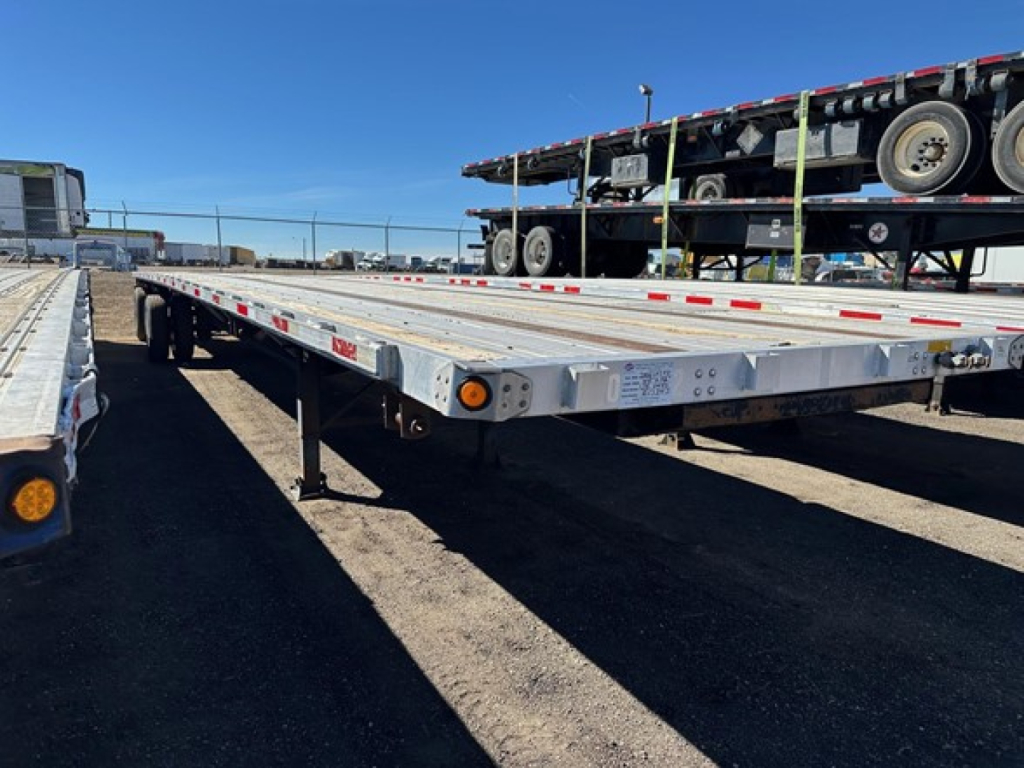
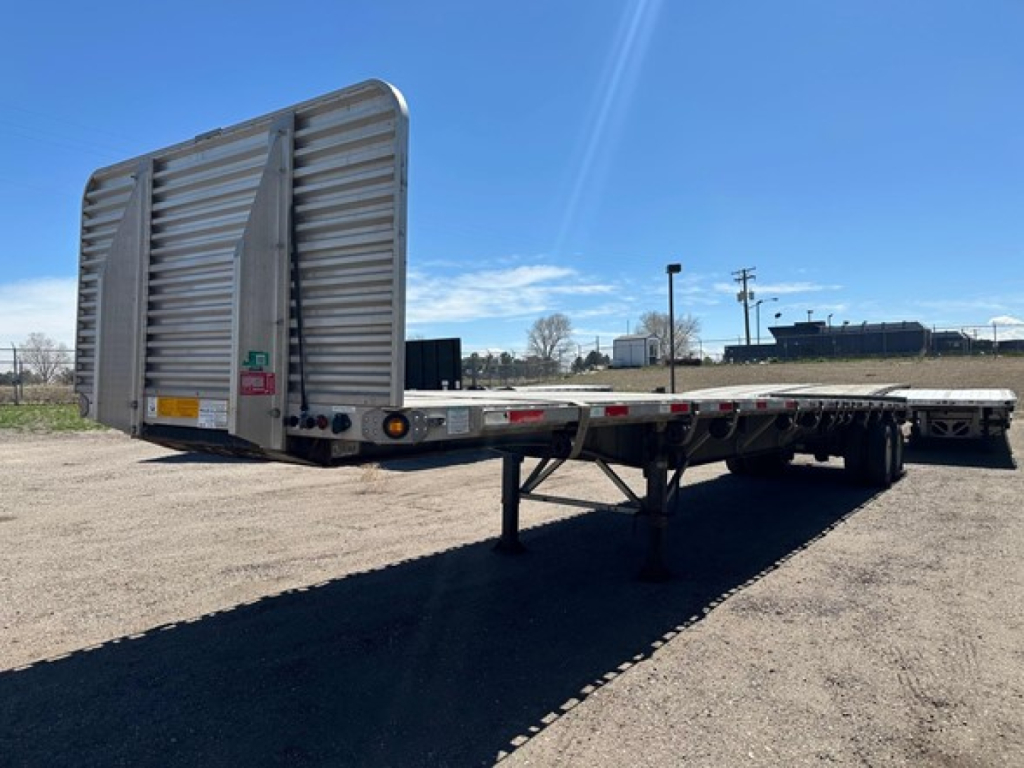
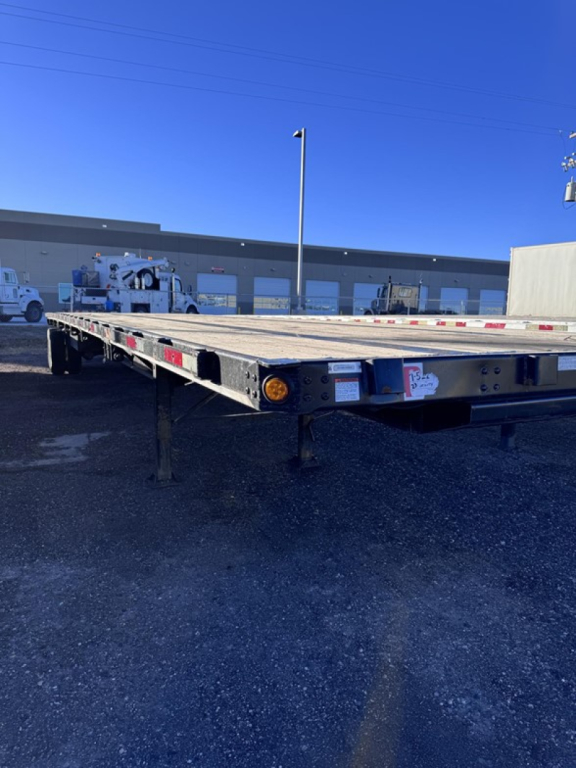
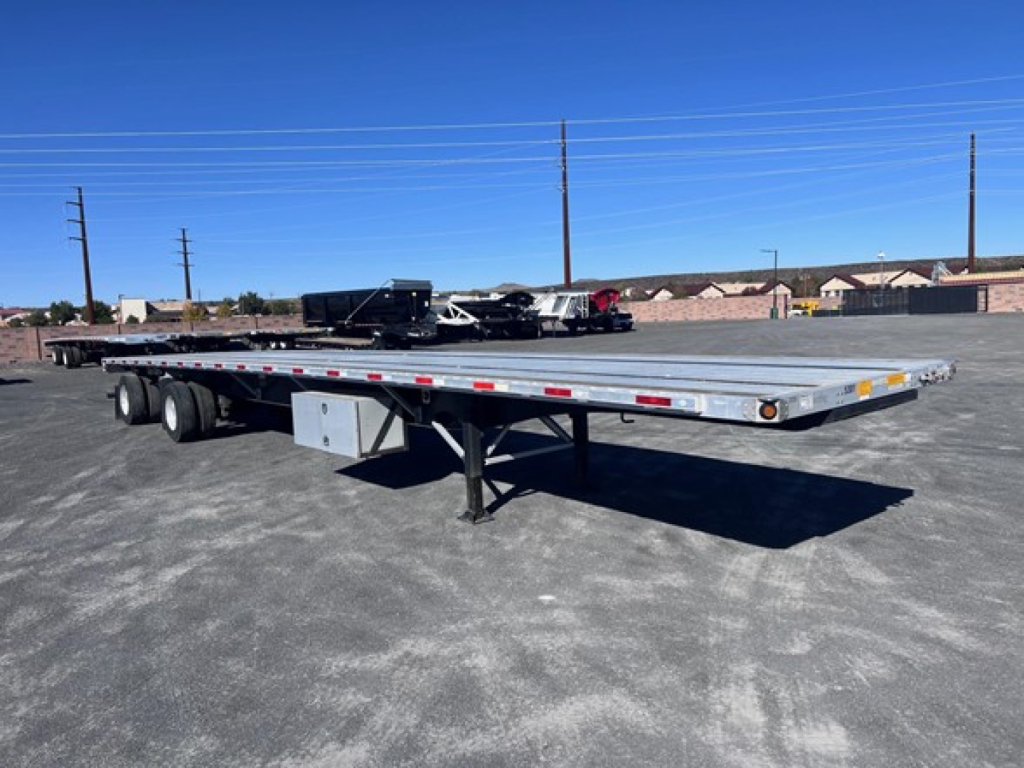
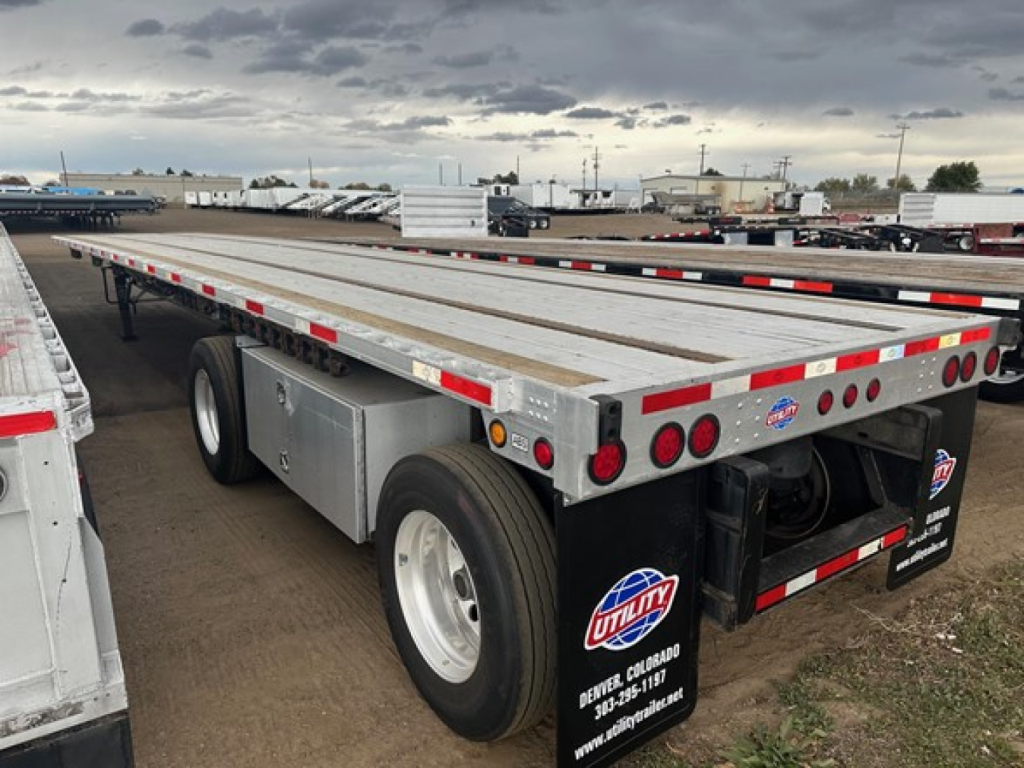
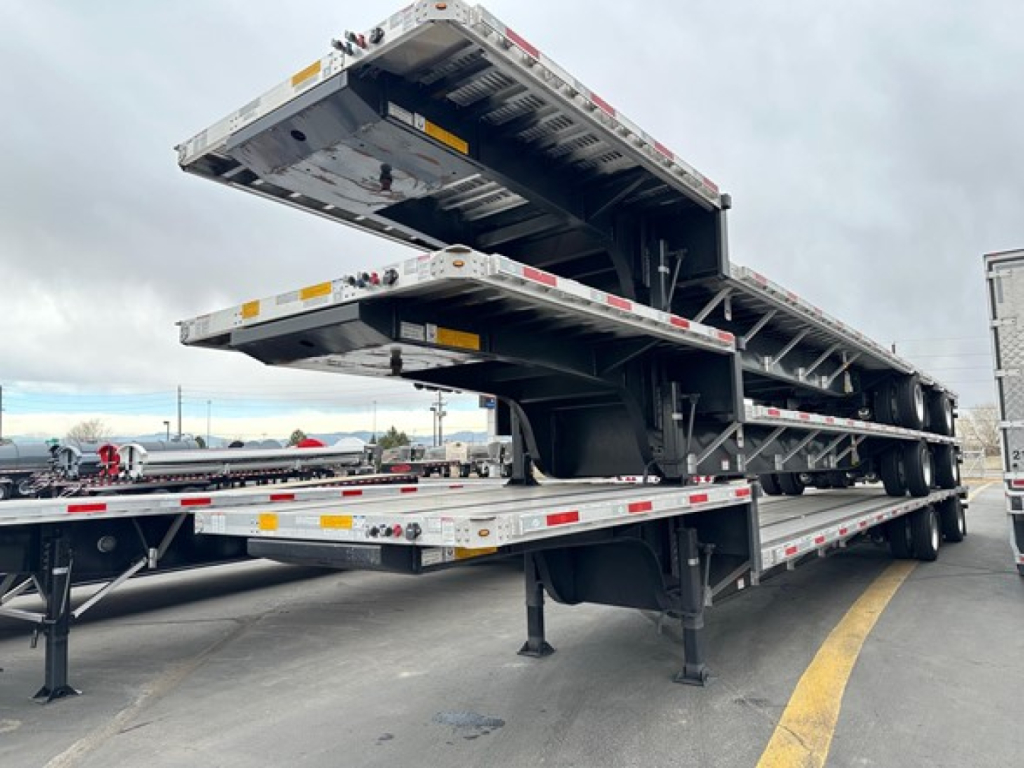
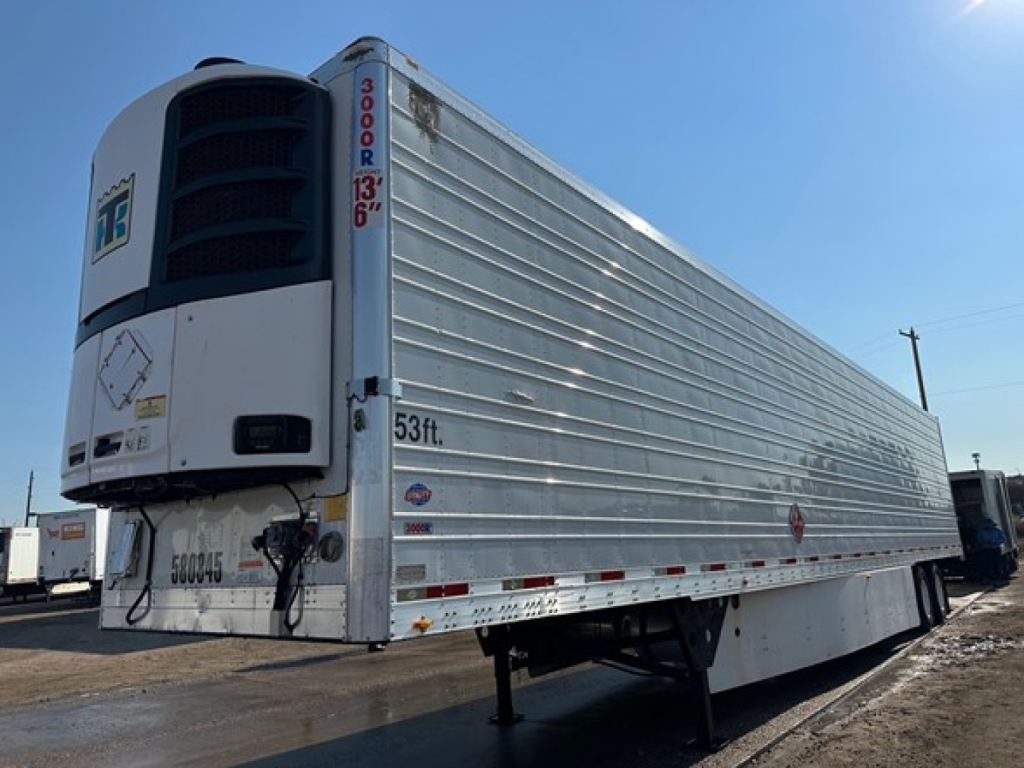
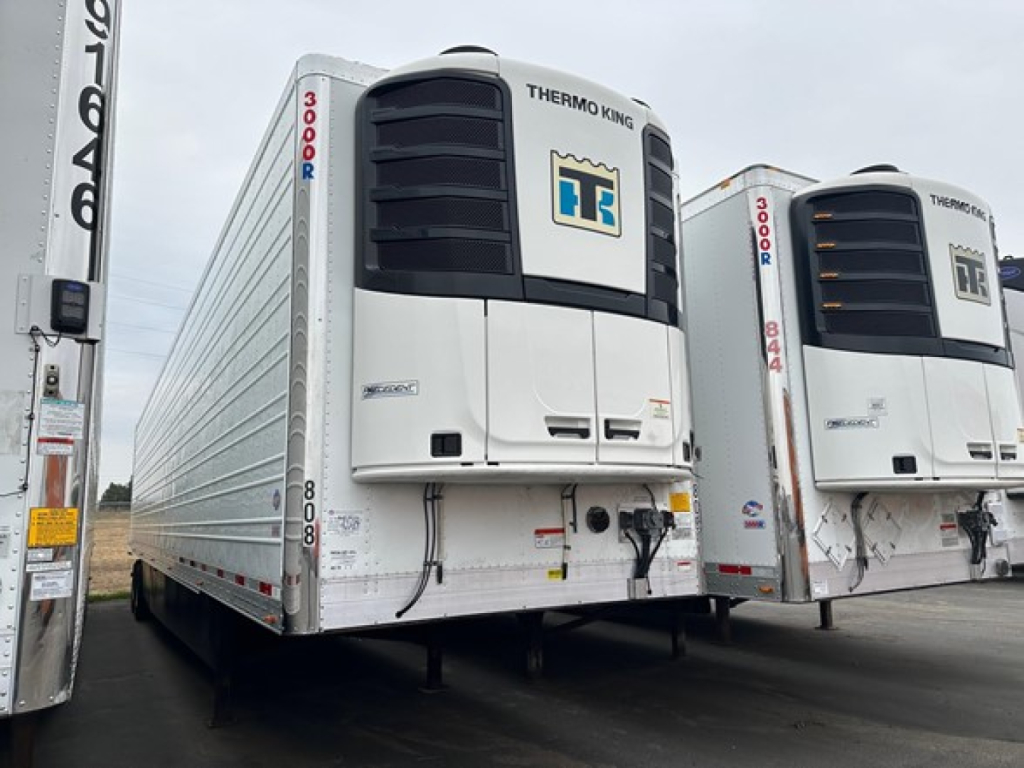
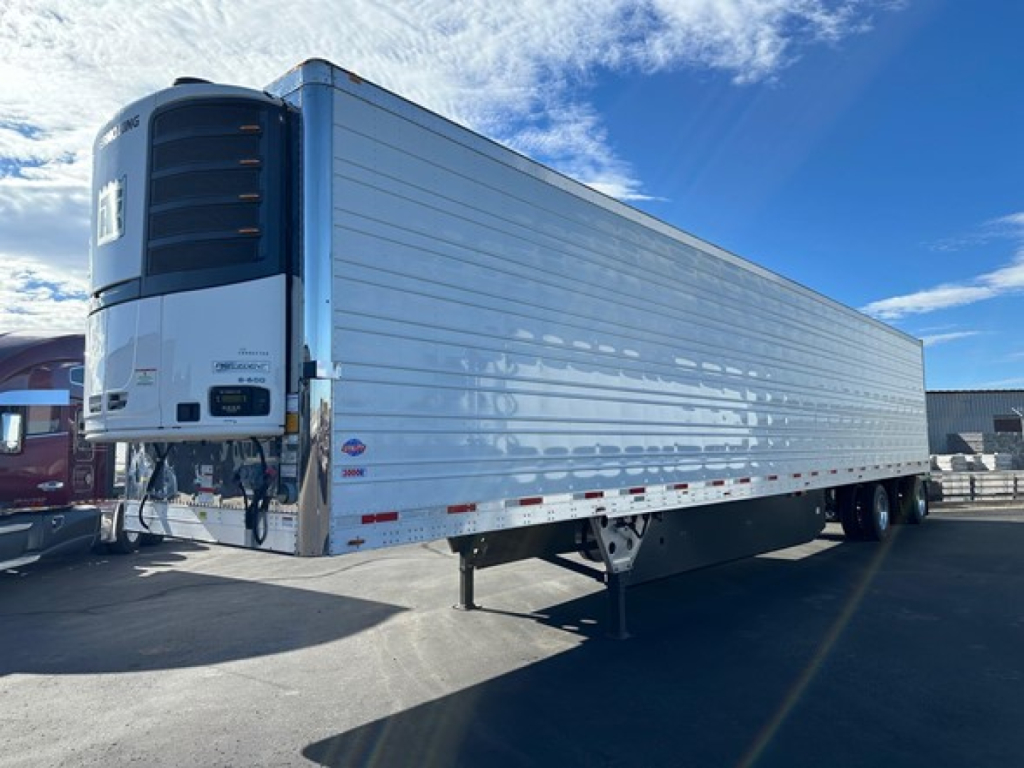
Showing 49 to 60 of 86 results
Have utility trailer to sell? List it here to reach thousands of buyers.
About Utility Trailers in Colorado
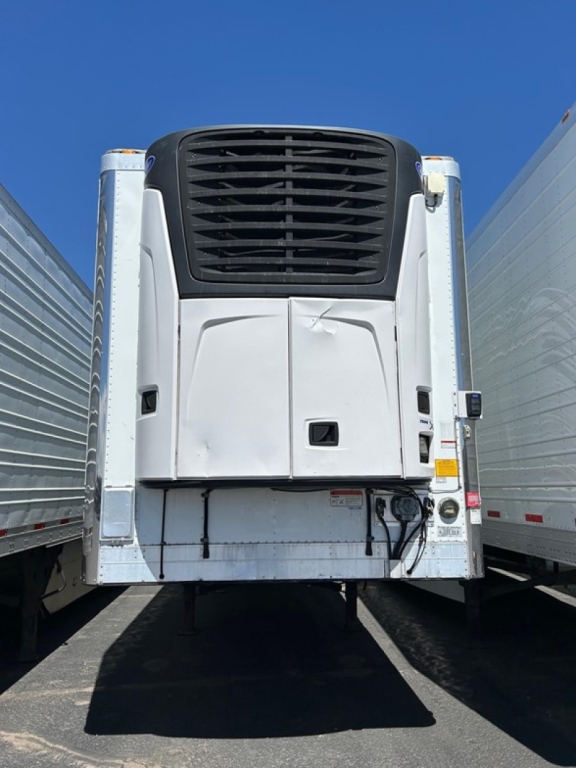
For refrigerated operations, the details matter. A Utility reefer trailer may be set up with Thermo King or Carrier equipment, chute systems for produce or frozen lanes, stainless rear hardware, and low-profile 22.5 tires to help manage deck height and loading dock compatibility. Colorado fleets often pay close attention to unit run hours, evaporator performance, door seal condition, and any signs of floor delamination or impact damage from forklift traffic. If the trailer will run regional mountain routes, suspension condition, brake spec, and tire setup become even more important because elevation changes and weather put more demand on the trailer than steady interstate freight.
Utility flatbed trailers, including the 4000AE combo flatbed, are built around a steel-and-aluminum combination design that balances payload with durability. Common specs include steel main beams, aluminum crossmembers, aluminum decking, nail strips, stake pockets, pipe spools, sliding winches, and winch tracks on both road and curb side. Buyers looking at Utility flatbeds and drop decks should pay attention to axle configuration, spread versus tandem layout, rear slide options, coil package setup, and overall deck condition. A California legal configuration can also matter for fleets that need flexibility on western lanes.
Utility drop deck trailers fit buyers hauling taller freight that will not ride legally on a standard flatbed. These trailers are often spec'd with combo construction, air ride, sliding suspension, and securement hardware that supports steel, building products, machinery, and other irregular loads. Across all Utility trailer types, the brand is generally valued for clean spec packages, resale strength, and broad parts and service familiarity. The right trailer comes down to freight profile first, then suspension type, axle spread, floor and deck construction, securement package, and any regional compliance needs tied to the lanes you run.
Frequently Asked Questions
What are the most common Utility trailers for sale?
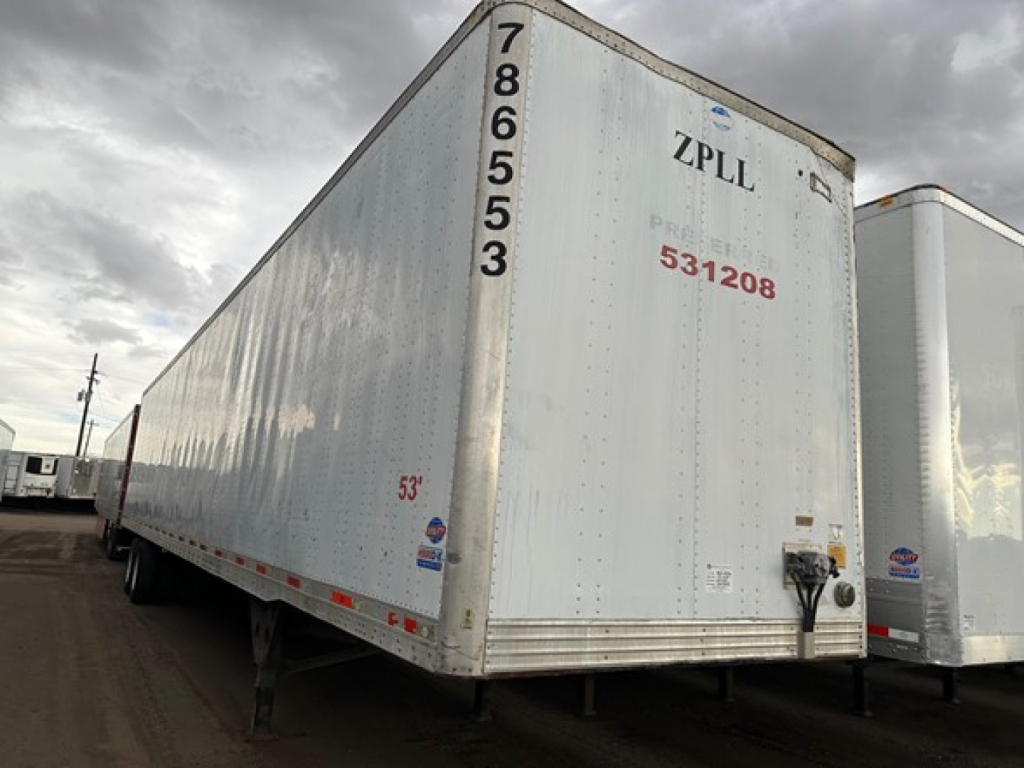
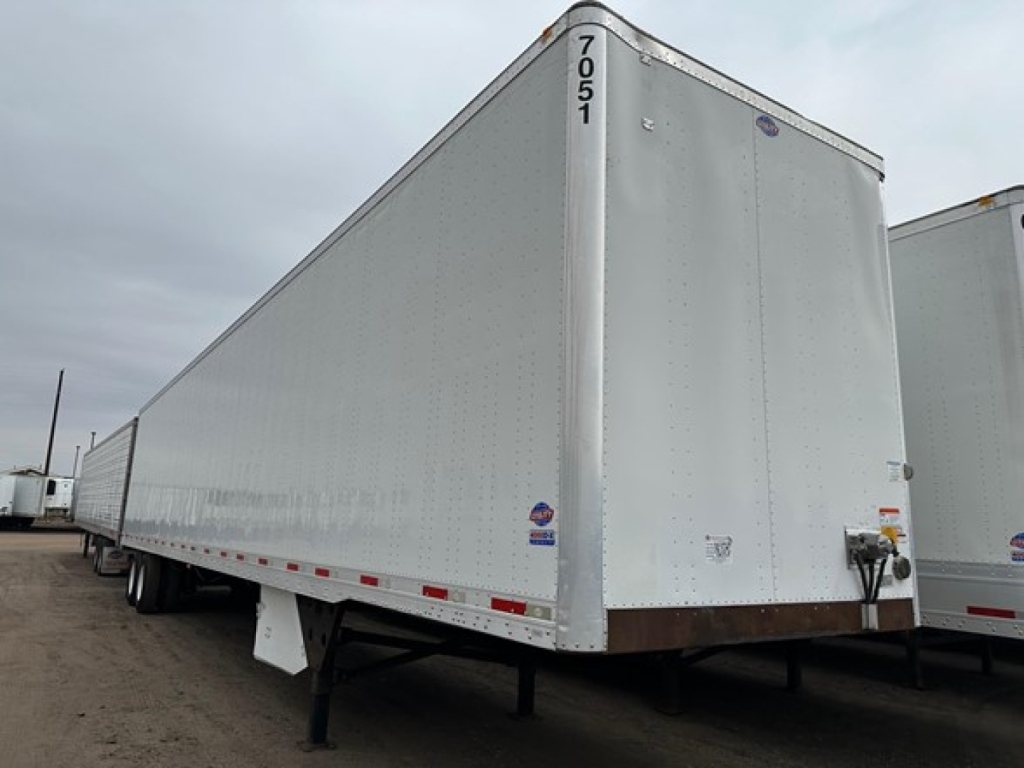
The most common Utility trailers on the market are 53-foot reefer trailers such as the Utility 3000R, along with Utility combo flatbeds and drop deck trailers like the 4000AE. Reefers are widely used in grocery, foodservice, and temperature-controlled distribution, while the flatbed and drop deck models are built for general freight, steel, machinery, and construction-related loads.
What should I inspect first on a used Utility reefer trailer?
Start with the refrigeration unit, floor, doors, and rear frame. Buyers should review engine hours and maintenance records on the reefer unit, then inspect the duct floor for damage, check the door seals and hinges, and look closely at the rear sill, threshold, and impact areas for forklift and dock damage. Suspension components, slider function, tire inflation systems, and insulation-related issues such as moisture intrusion also deserve close attention.
How is a Utility combo flatbed different from an all-steel flatbed?
A Utility combo flatbed uses steel where strength is most critical, typically in the main beams, while aluminum is used in components like crossmembers, deck sections, and side rails to reduce tare weight. That combination can improve payload capacity without giving up the structural durability buyers expect in heavy commercial use. The exact tradeoff depends on freight type, loading method, and how often the trailer sees concentrated loads like coils or equipment.
When does a Utility drop deck make more sense than a standard flatbed?
A Utility drop deck makes more sense when the freight is too tall to move legally on a standard flatbed or when a lower deck height improves loading and securement. Common examples include equipment, crated machinery, and certain construction materials. Buyers should compare lower deck height, upper deck length, axle placement, and securement package to make sure the trailer fits both the freight and the routes it will run.
Which trailer specs matter most for Colorado operations?
For Colorado freight, buyers often prioritize brake condition, suspension performance, tire spec, and overall structural condition because mountain grades, winter weather, and frequent elevation changes add stress to both tractor and trailer. Reefer buyers may also put extra value on reliable refrigeration performance and good door sealing, while flatbed and drop deck buyers often focus on air ride stability, deck condition, and securement features that support mixed regional freight.