
2023 Utility Trailers For Sale in Colorado
Browse 2023 Utility trailers including dry vans, reefers, and flatbeds. Compare specs, trailer lengths, axle setups, and body options.
Selling a 2023 utility trailer? List your 2023 utility trailer for sale and reach thousands of commercial buyers.
2023 Utility Trailers in Colorado
For dry van buyers, Utility 4000-series vans are known for lightweight construction and fleet-friendly specifications. Common details include aluminum roofs, composite or sheet-and-post wall construction, hardwood flooring, logistics posts, swing doors, and tandem slider suspensions with air pin release. Buyers should pay close attention to interior height, floor rating, side panel style, threshold plate condition, rear frame durability, and whether the trailer has side skirts or other fuel-saving options. For regional and high-cycle dock work, features like anti-dock walk systems, heavy-duty rear impact protection, and durable wearbands can matter as much as mileage or age.
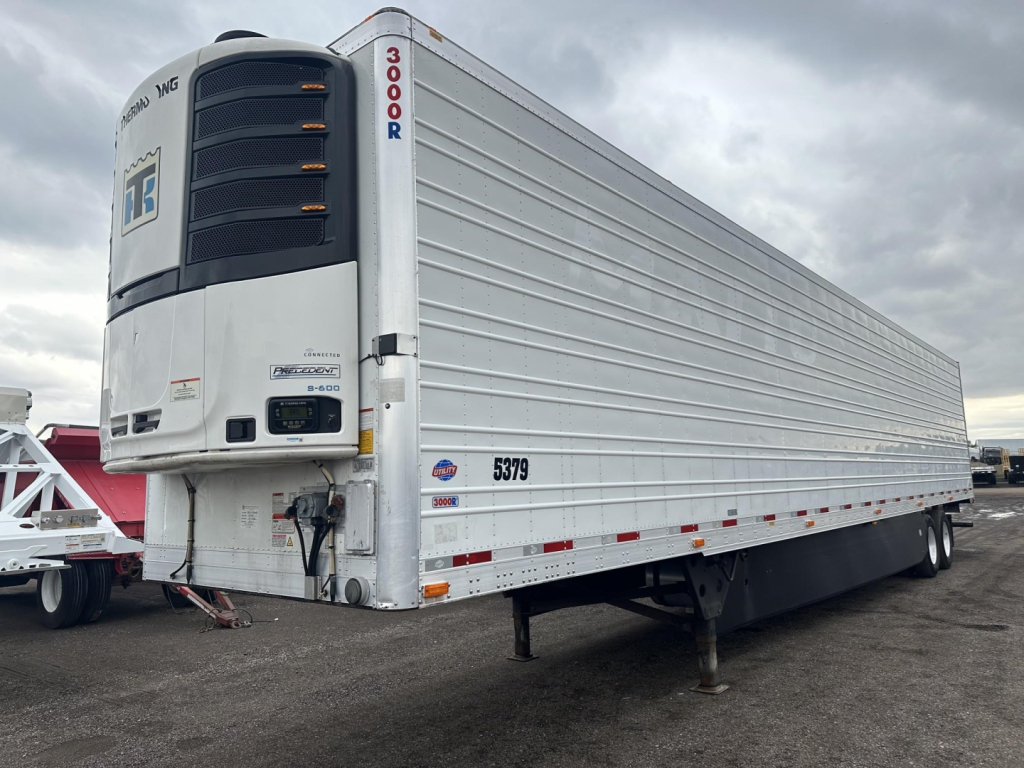
For temperature-controlled freight, Utility reefer trailers are a common choice because the platform is built around insulation performance, interior durability, and compatibility with major refrigeration units. Important checkpoints include insulation package, interior liner condition, floor type, door seal integrity, evaporator and bulkhead layout, and suspension spec. A reefer that spends most of its life in multi-stop grocery service is a different buy than one used for long-haul frozen freight. Side skirts, air ride suspension, slider tandems, LED lighting, and corrosion-resistant rear hardware are all common features that affect maintenance cost and day-to-day usability.
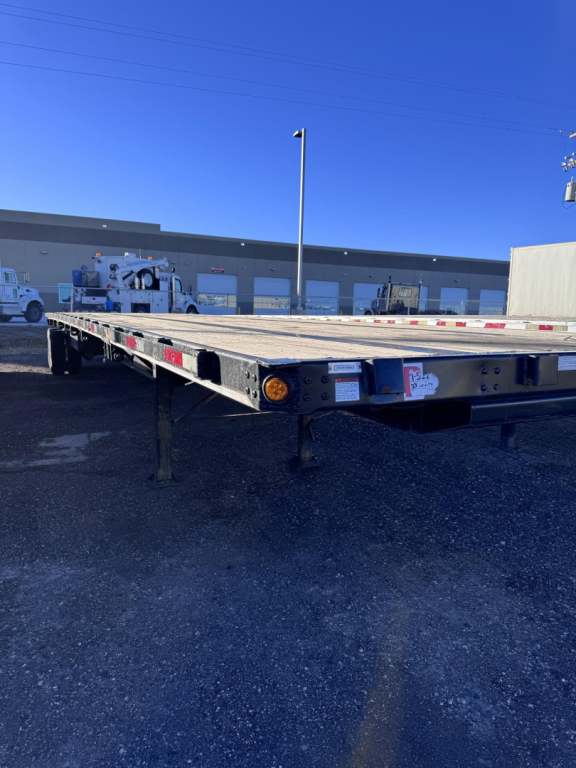
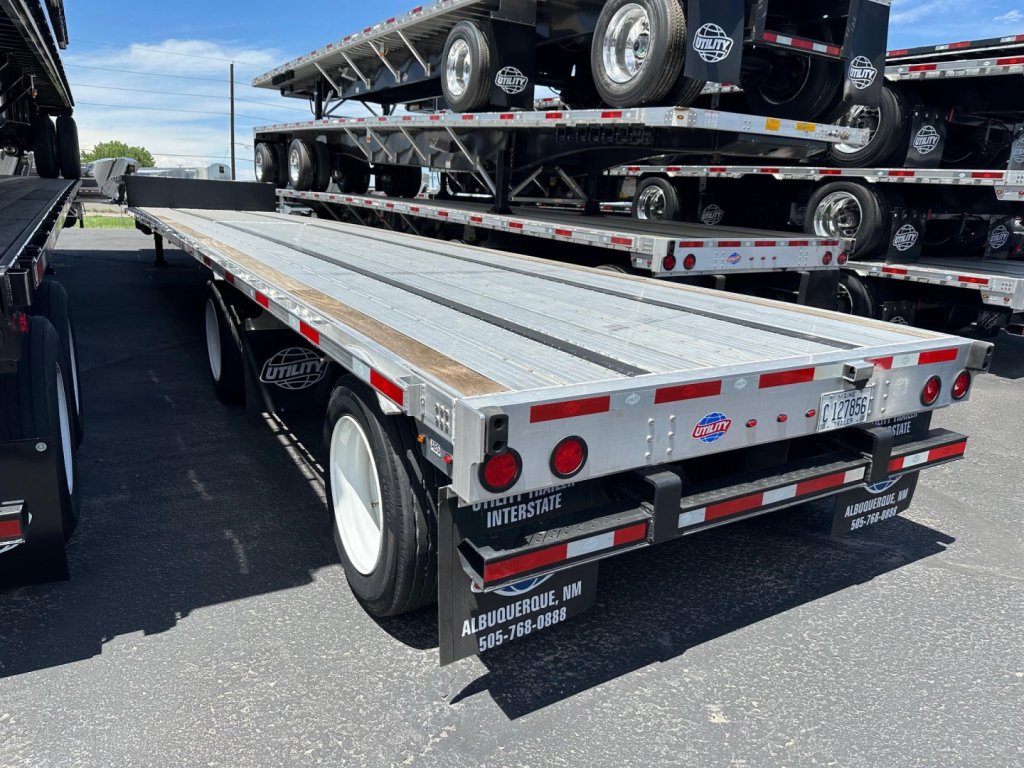
On the flatbed side, Utility combo flatbeds are popular because they balance payload with durability by pairing steel main beams with aluminum components such as crossmembers, deck, and side rails. Buyers should verify deck style, coil package rating, number and placement of sliding winches, winch track on road side and curb side, pipe spool capacity, stake pocket spacing, axle spread, and California legal setup if western lanes are involved. Spread axle and sliding rear axle configurations both appear in this brand, and each has tradeoffs in bridge law flexibility, tire scrub, and maneuverability. Across all 2023 Utility trailers, condition still comes down to maintenance history, prior application, and whether the original spec matches the freight you plan to haul.
Frequently Asked Questions about 2023 Utility Trailers in Colorado
What types of 2023 Utility trailers are most common on the market?
The most common 2023 Utility trailers are dry vans, refrigerated trailers, and flatbeds. Utility is especially well known for 53-foot van and reefer platforms used in freight fleets, along with combo flatbeds built for strength without excessive tare weight. Buyers usually narrow the search by body style first, then compare suspension, axle layout, trailer length, door configuration, and interior or deck features.
What should I look for when buying a used 2023 Utility dry van trailer?
Focus on the structural and wear items that affect service life and freight compatibility. Key areas include floor condition, rear frame and threshold plate wear, roof integrity, wall panel condition, suspension type, slider operation, door hardware, and any signs of repeated dock impact. It also helps to confirm logistics post spacing, interior dimensions, tire size, wheel material, and whether aerodynamic equipment like side skirts is present and intact.
Are Utility reefer trailers a good choice for temperature-controlled freight?
Utility reefer trailers are widely used in temperature-controlled operations because they are designed for insulation efficiency, durable interior surfaces, and compatibility with common refrigeration unit setups. A good reefer purchase depends on more than the box itself, so buyers should inspect liner condition, floor wear, door seals, rear frame corrosion, suspension components, and the refrigeration unit's maintenance records. The intended application matters because multi-stop distribution and long-haul frozen service put different demands on the trailer.
What are the advantages of a Utility combo flatbed trailer?
A Utility combo flatbed typically uses steel main beams with aluminum crossmembers, deck, and rails, which helps balance structural strength and payload capacity. This design is popular in steel, building materials, machinery, and general open-deck hauling. Buyers should confirm whether the trailer has a coil package, adequate winch and spool setup, proper stake pocket configuration, and the axle layout needed for their routes and weight distribution requirements.
How important is axle configuration on a 2023 Utility trailer?
Axle configuration is one of the most important spec choices because it affects legal weight distribution, turning radius, tire wear, and lane flexibility. Tandem sliders are common on dry vans and reefers because they help with dock positioning and bridge law compliance. Spread axle, fixed spread, and rear slide axle configurations are more common on flatbeds, where buyers may prioritize load placement, California compliance, or stability for specialized freight.