
2023 Utility Trailers For Sale
Shop 2023 Utility trailers including dry vans and reefers. Compare specs, suspension, floors, doors, and temperature-control options.

Selling a 2023 utility trailer? List your 2023 utility trailer for sale and reach thousands of commercial buyers.
2023 Utility Trailers
For dry van applications, a 2023 Utility trailer is commonly spec'd with air ride suspension, swing doors, wood floors, aluminum roof construction, and either steel or aluminum wheel packages. Fleet buyers typically pay close attention to base rail height, plated trailer status, and trailer weight because these details affect durability, legal payload, and lane flexibility. A sliding tandem remains important for bridge law compliance and dock positioning, while options like PSI tire inflation systems can help reduce roadside tire events and improve tire life. Buyers moving retail, packaged goods, or general palletized freight should also inspect floor condition, logistics post layout, roof bow integrity, and door frame wear.
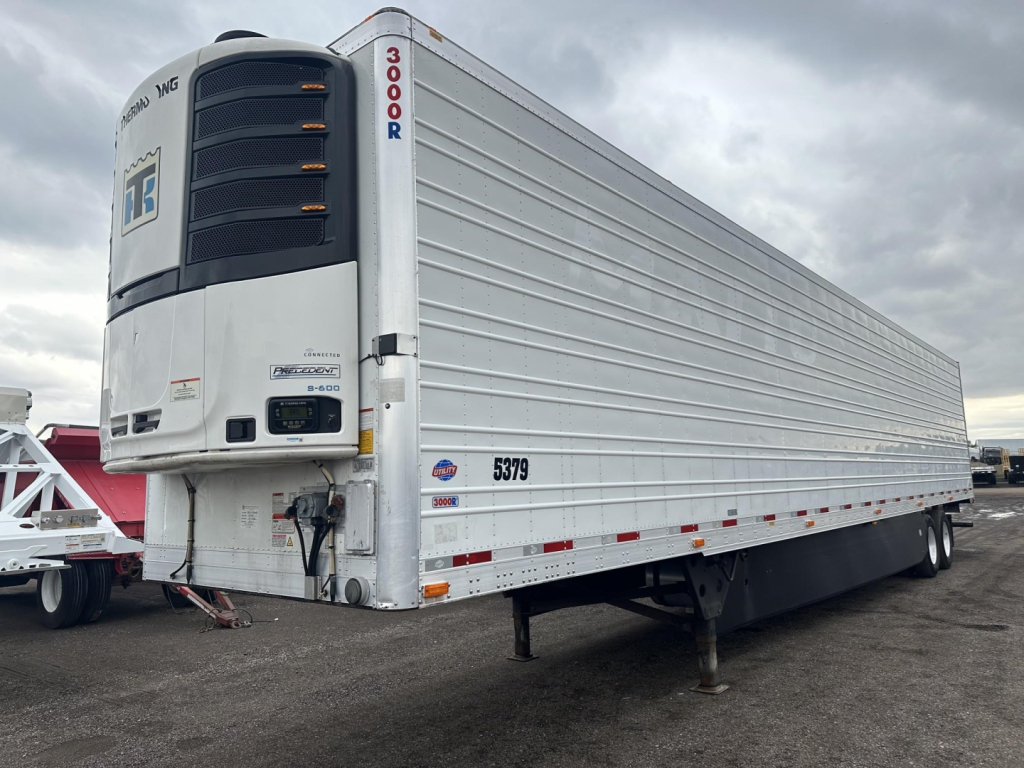
For refrigerated freight, 2023 Utility reefer trailers are designed around temperature retention, air circulation, and trailer body integrity. Common specs include aluminum duct floors, insulated walls, interior liners such as Versitex or similar composites, and front-mounted refrigeration units from Carrier or Thermo King. Reefer buyers should compare engine hours on the unit, service records, fuel tank condition, evaporator performance, door seal condition, and the integrity of the bulkhead, scuff liners, and floor channels. Air ride suspension is common in this segment because it helps protect sensitive cargo, and features like anti-dock-walk systems, stainless lock boxes, and rear vents can matter depending on loading patterns and product mix.
The main advantage of a late-model Utility trailer is familiarity across the industry. Shops know them, parts are widely available, and resale demand tends to stay healthy when the trailer has a clean maintenance history. A serious buyer should match the trailer spec to the freight first, then verify structural condition, tire age, brake wear, wheel-end service history, and any telematics or tire inflation equipment. For reefer service, the trailer body and the refrigeration unit need to be evaluated as one system. For dry van service, the trailer's floor, rear frame, and suspension condition usually tell you more than cosmetics. A 2023 model year can offer a useful balance of current equipment standards and lower acquisition cost than brand-new replacements.
Frequently Asked Questions about 2023 Utility Trailers
What are the most common 2023 Utility trailer configurations?
The most common 2023 Utility trailer configurations are 53-foot dry vans and 53-foot refrigerated trailers, both typically built to 102-inch width for standard over-the-road freight service. Dry vans are used for general freight, retail, and palletized goods, while reefer trailers are built for temperature-controlled freight such as produce, frozen food, dairy, and pharmaceuticals. Many are spec'd with air ride suspension, sliding tandems, swing doors, and 22.5 low-profile tires.
What should I check first on a 2023 Utility reefer trailer?
Start with the refrigeration unit hours, maintenance records, and overall cooling performance under load. Then inspect the insulated body, interior liner, floor condition, door seals, and bulkhead for damage or air leaks. A reefer trailer must hold temperature efficiently, so the trailer body matters just as much as the Carrier or Thermo King unit mounted on the nose. Tire inflation systems, lock boxes, and air ride suspension are useful supporting features, but temperature integrity is the first priority.
Are 2023 Utility dry vans good for general freight?
Yes. A 2023 Utility dry van is a common choice for general freight because it combines a proven trailer design with broad serviceability and strong compatibility with standard dock, warehouse, and over-the-road operations. Buyers typically look for sound floor condition, straight sidewalls, healthy rear frame structure, and a suspension setup that matches their lanes and payload profile. Sliding tandems and PSI systems are especially attractive for fleets trying to improve compliance and reduce tire-related downtime.
How do I choose between steel and aluminum wheel packages on a Utility trailer?
Steel wheels generally cost less up front and are common in fleet service where replacement cost matters more than appearance or minor weight savings. Aluminum wheels reduce weight and can improve corrosion resistance and appearance, which matters to some operators and can help preserve resale appeal. The right choice depends on payload sensitivity, operating environment, maintenance practices, and total cost of ownership rather than wheel material alone.
Do late-model Utility trailers hold their resale value well?
Utility trailers generally maintain solid resale demand because the brand is widely recognized, parts support is strong, and many repair shops are familiar with their construction. Resale value depends most on maintenance history, body condition, floor integrity, suspension wear, and for reefers, the condition and hours of the refrigeration unit. A clean late-model trailer with documented service and desirable specs usually performs better in the secondary market than one with missing records or deferred maintenance.