
Utility Flatbed Trailers For Sale in Colorado
Shop Utility flatbed trailers for sale, including combo flatbeds with coil packages, air ride suspensions, sliding winches, and California-legal specs.
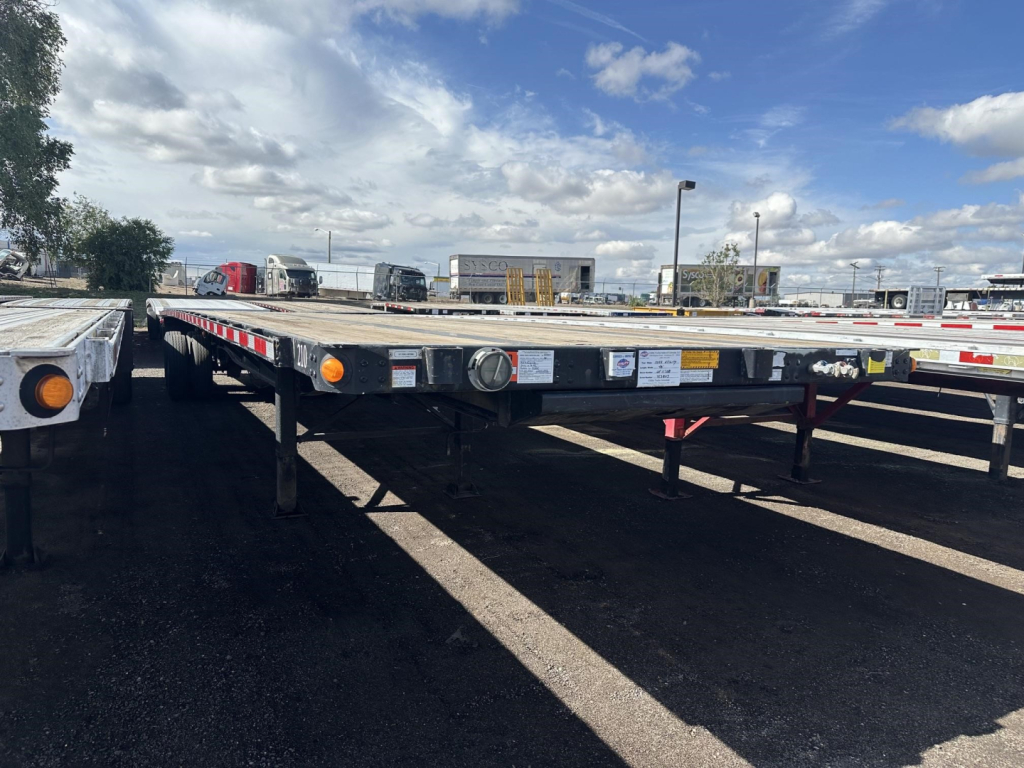
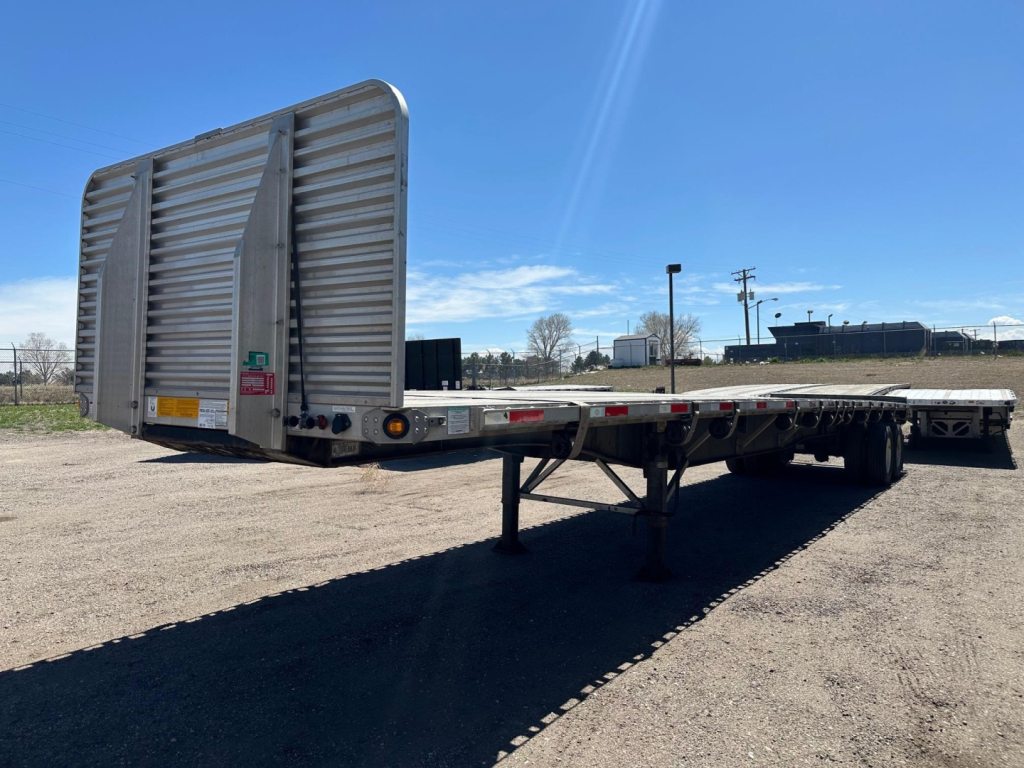
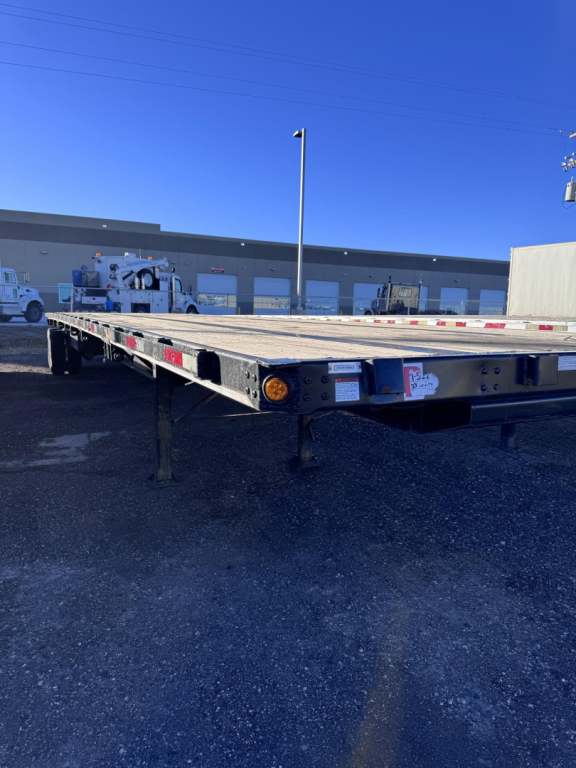
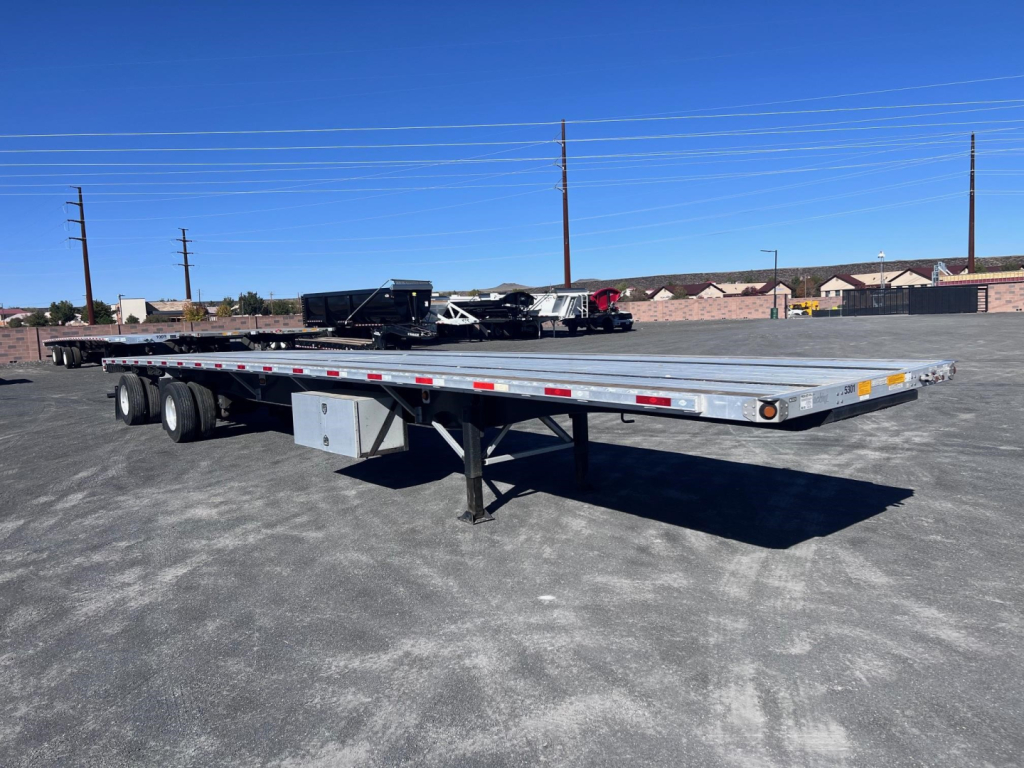
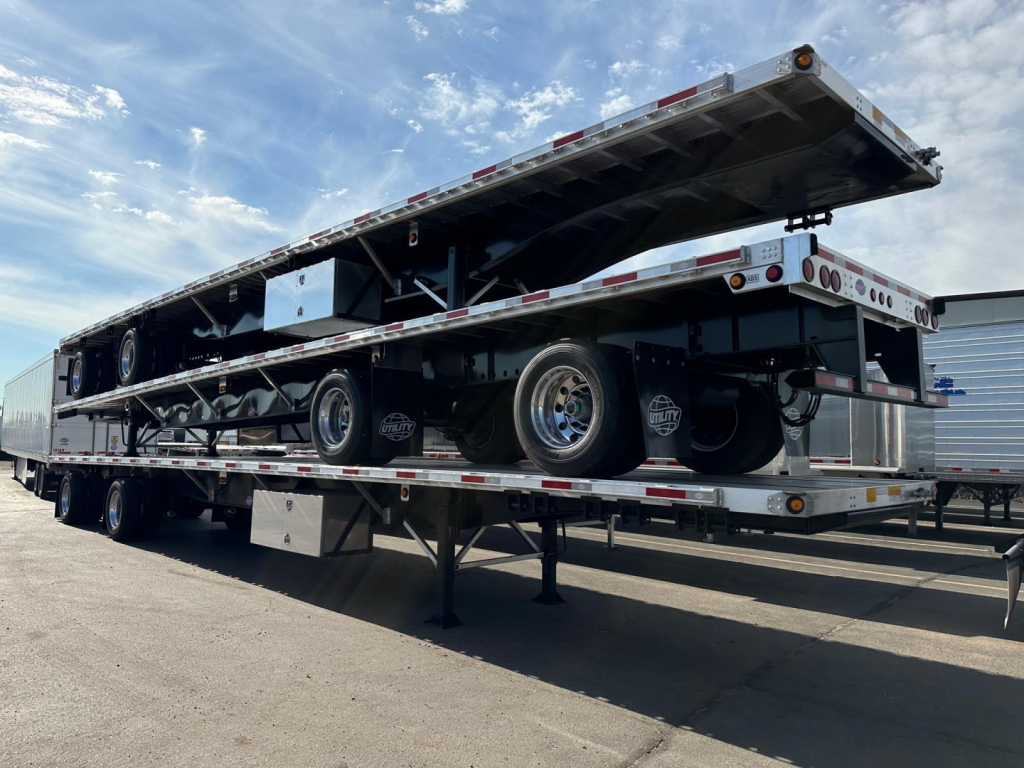
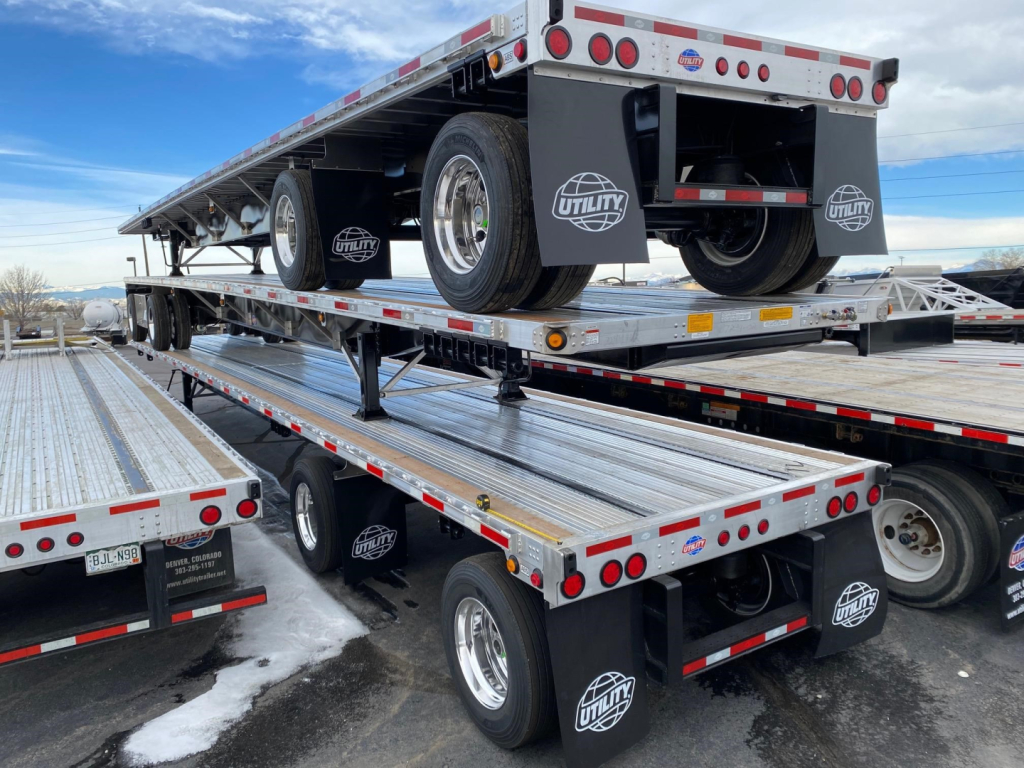
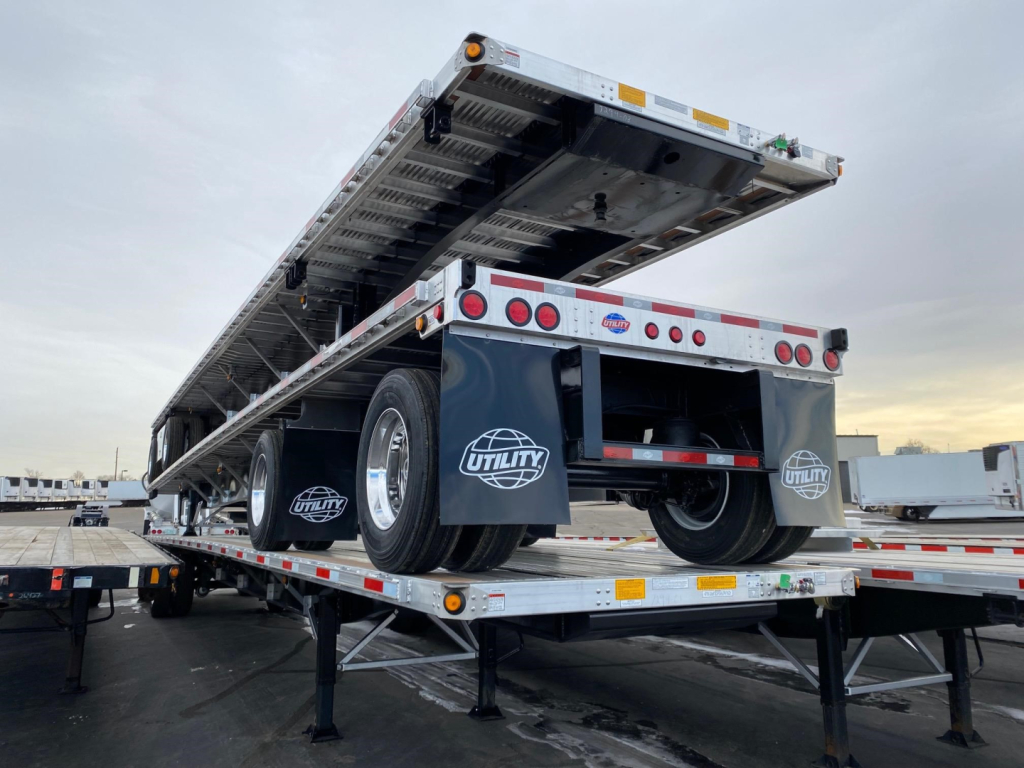
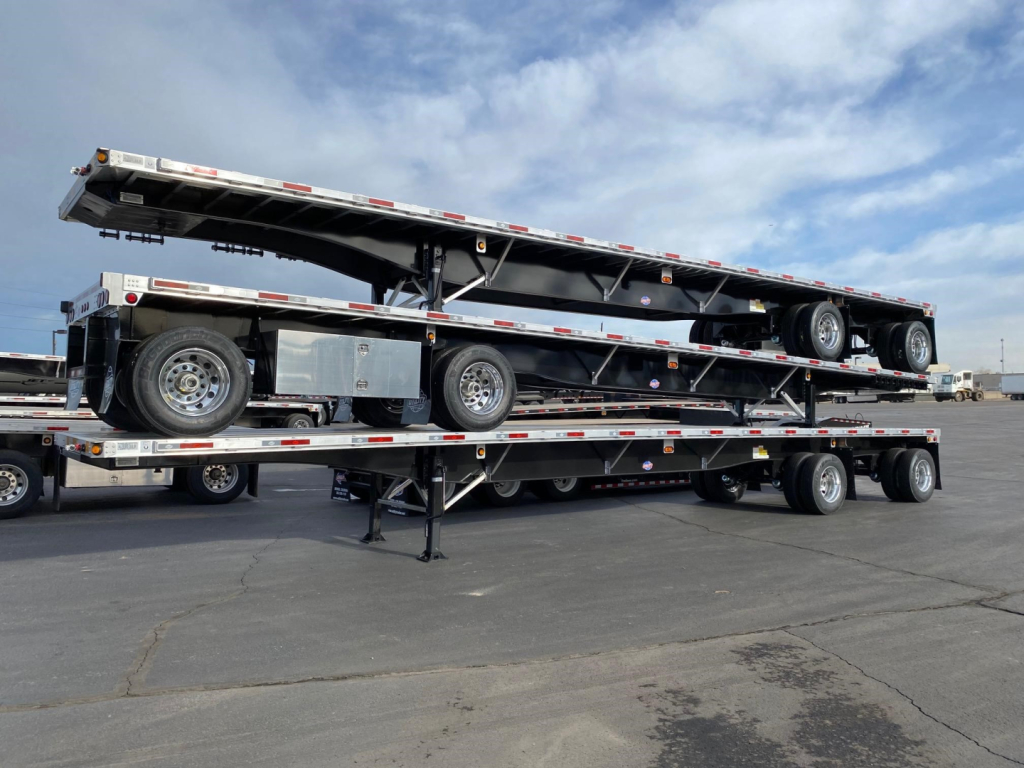
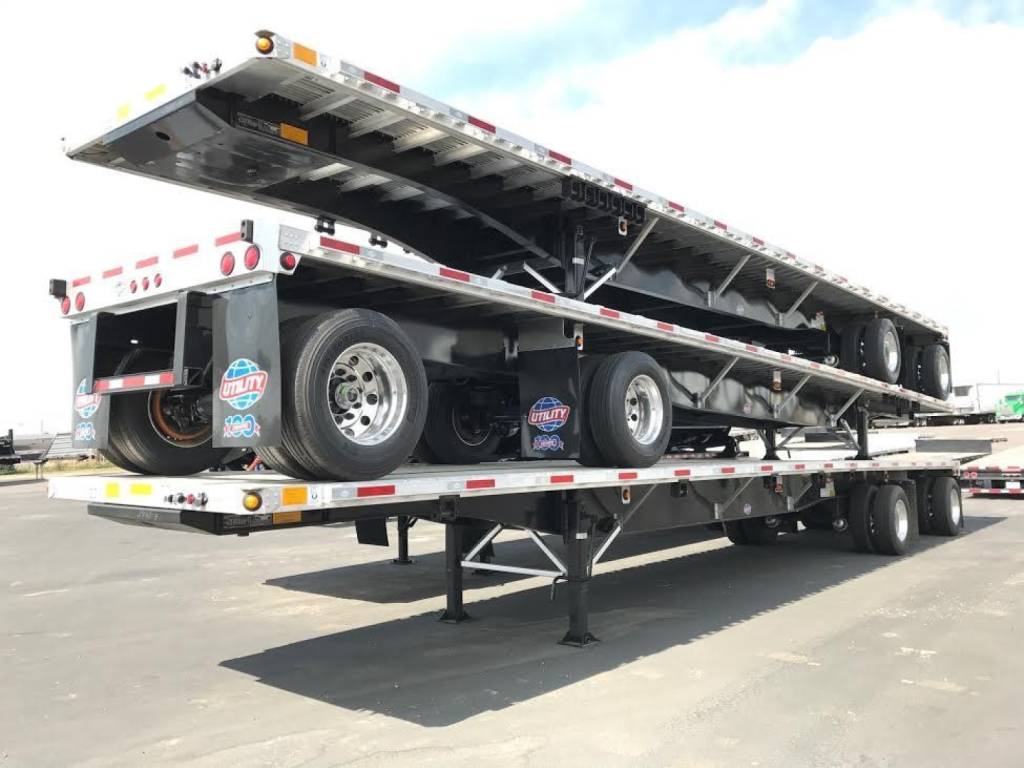
Selling a utility flatbed trailer? List your utility flatbed trailer for sale and reach thousands of commercial buyers.
Utility Flatbed Trailers in Colorado
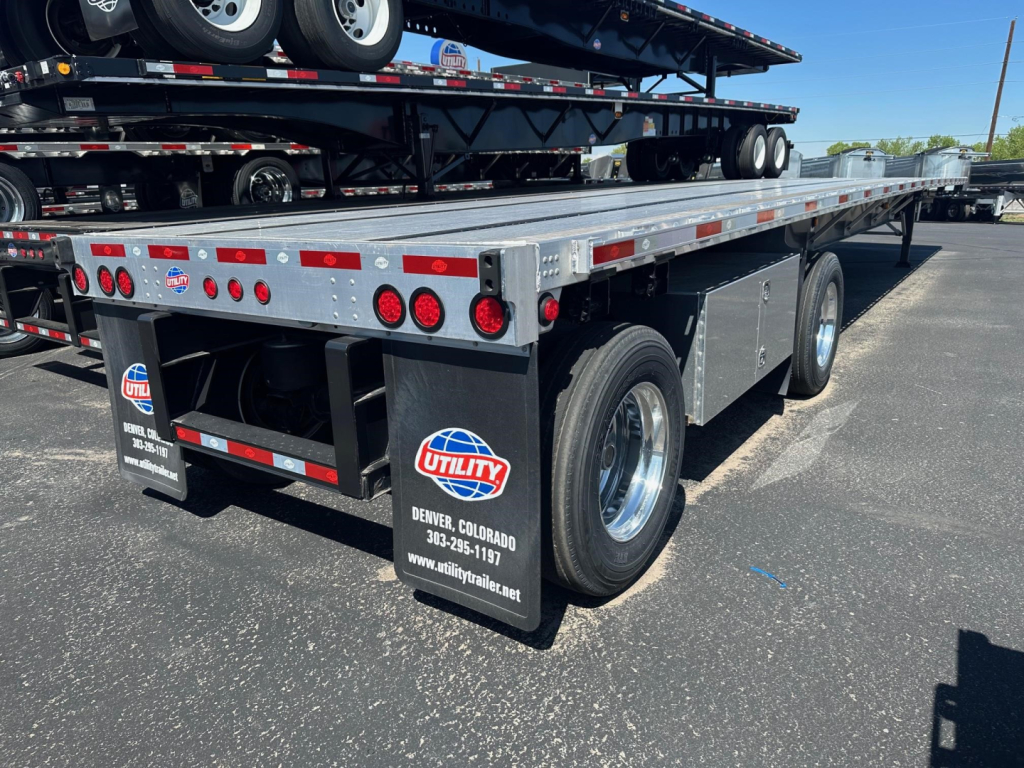
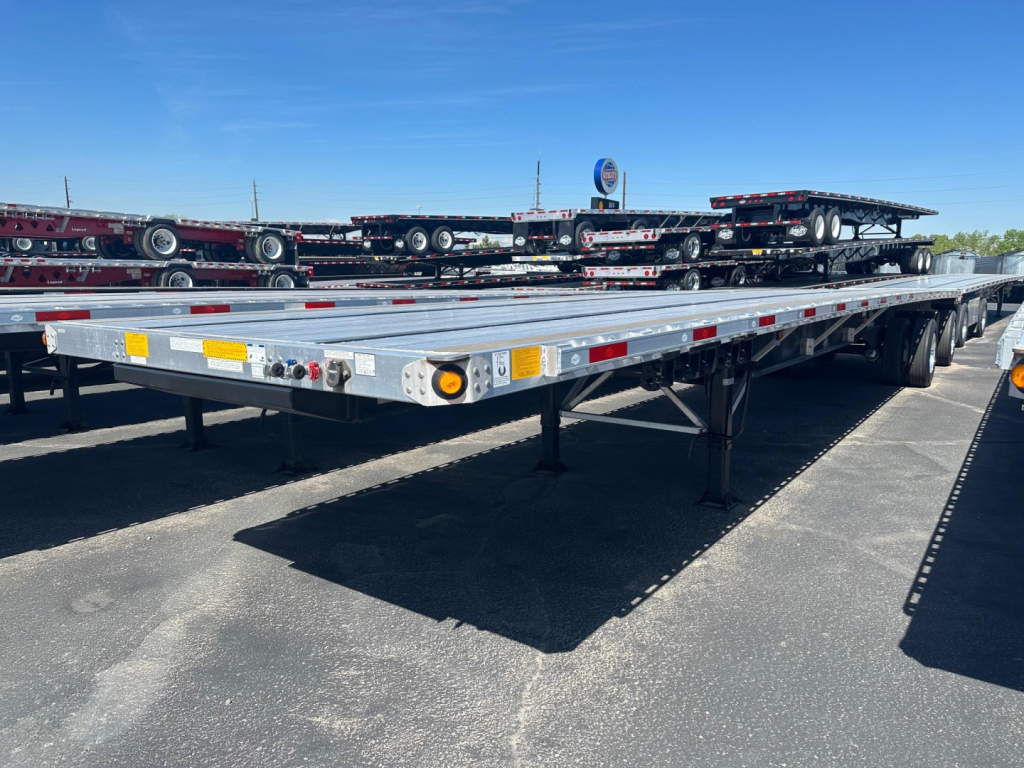
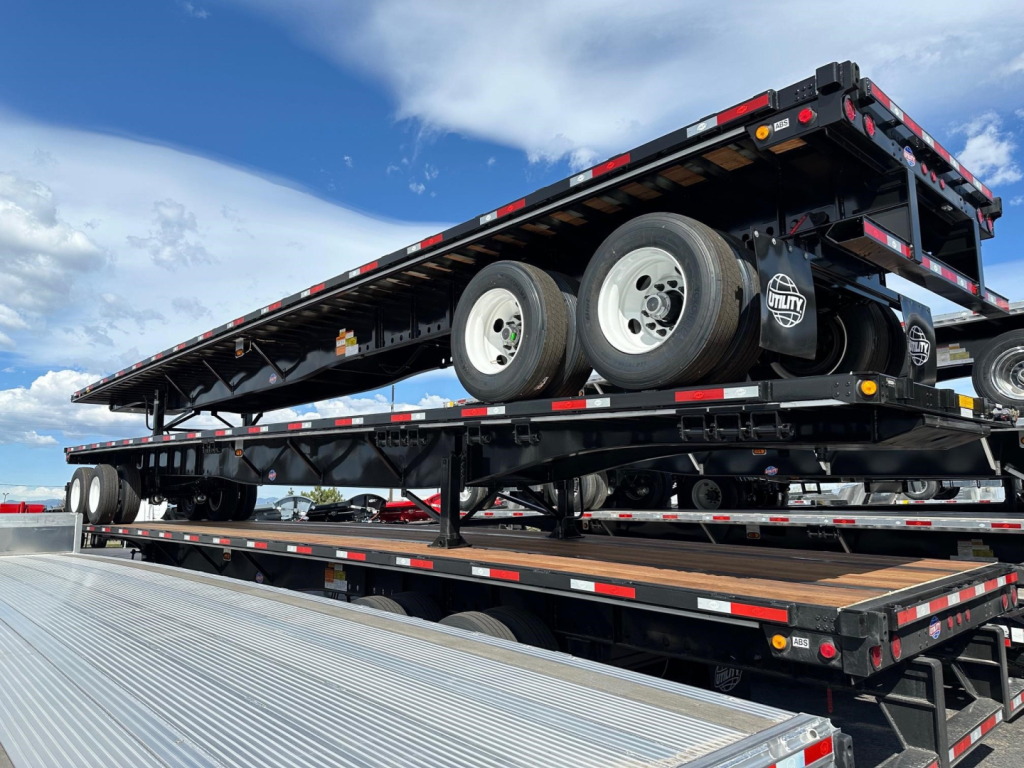
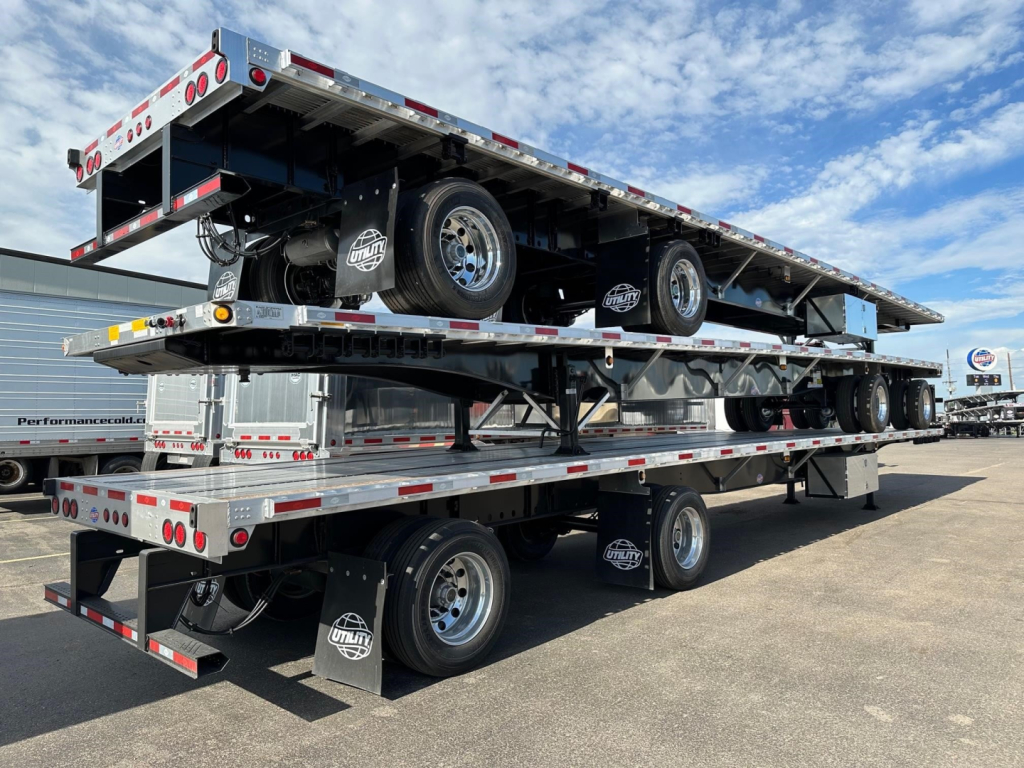
A lot of the buying decision comes down to deck spec and securement layout. Many Utility flatbeds are equipped with aluminum floors, dual nail strips, stake pockets, pipe spools, and sliding winches on one or both sides. Coil packages are especially important if you haul steel, because they allow the trailer to handle concentrated coil weight more safely and legally when matched to the right axle and bridge setup. Some trailers also include chain hangers, J-hook systems, tool boxes, and rear ICC filler plates, all of which matter when drivers are securing loads every day and need a practical, organized trailer. If your freight mix changes from week to week, a well-optioned combo flatbed usually gives more operating flexibility than a stripped trailer.
Suspension and axle arrangement matter just as much as deck construction. Utility flatbeds in this class are commonly found with air ride suspension, fixed spread axles, tandem axles, or rear sliding axle setups. In Colorado and across the Mountain West, those choices affect bridge compliance, ride quality, tire wear, and how easily the trailer can be positioned for legal loads across different states. California-legal specifications are also common on 53-foot trailers, which can be a major advantage for fleets that cross western markets and need the axle spread and kingpin setting to work in multiple jurisdictions. Low-profile 22.5 tires, mixed aluminum and steel wheel packages, and dump valves are also typical spec points that influence deck height, durability, and ease of loading.
For a buyer comparing listings, the key is to match the trailer to the freight you actually haul most. A lighter combo flatbed can improve payload on general commodity work, but concentrated freight may justify a heavier coil package and more robust securement hardware. Pay close attention to trailer length, axle spread, air ride type, winch track placement, deck condition, and how the securement package is set up from the factory. Utility has a strong presence in the flatbed market because these trailers tend to be straightforward, versatile, and easy to place into regional or over-the-road service when the spec matches the application.
Frequently Asked Questions about Utility Flatbed Trailers in Colorado
What is a Utility combo flatbed trailer?
A Utility combo flatbed trailer uses a mixed-material design, typically with steel main beams and aluminum crossmembers, side rails, and deck components. This layout is intended to keep trailer weight down without giving up the beam strength needed for demanding open-deck freight. Combo flatbeds are popular for operations that want a strong all-around trailer for steel, lumber, machinery, and general building products.
Why is a coil package important on a flatbed trailer?
A coil package is designed to handle concentrated steel coil loads by reinforcing the trailer structure and providing the proper load area for secure placement. It matters because coil freight puts much more stress on a smaller section of the deck than evenly distributed cargo. Even if a trailer is used for mixed freight, a coil package can add versatility for carriers that occasionally haul steel.
What should I look for in the axle configuration on a Utility flatbed?
The axle setup affects legal loading, ride quality, and where the trailer can operate. Fixed spread axles can be useful for weight distribution, while tandem or rear sliding axle configurations may offer more flexibility for state bridge laws and dock positioning. Buyers should compare axle spread, suspension type, kingpin setting, and whether the trailer is California legal if western regional compliance is important.
Are aluminum deck components better than all-steel construction on a flatbed trailer?
Aluminum deck and structural components usually reduce tare weight, which can improve payload capacity and fuel efficiency over time. Steel still offers advantages in high-stress areas, which is why combo construction is common on Utility flatbeds. The better choice depends on freight type, expected abuse, repair preferences, and how much value the operation places on lower empty weight.
What securement features are most useful on a Utility flatbed trailer?
The most useful securement features depend on cargo, but buyers commonly prioritize stake pockets, sliding winches, winch tracks on both sides, pipe spools, chain storage, nail strips, and tool boxes. These features improve day-to-day versatility and reduce the time drivers spend adapting the trailer to each load. A flatbed with a well-planned securement package is usually easier to dispatch across a wider range of freight.