
2026 Utility Trailers For Sale in Colorado
Shop 2026 Utility trailers for sale, including dry vans, reefers, and flatbeds with proven specs for freight, dock work, and fleet use.
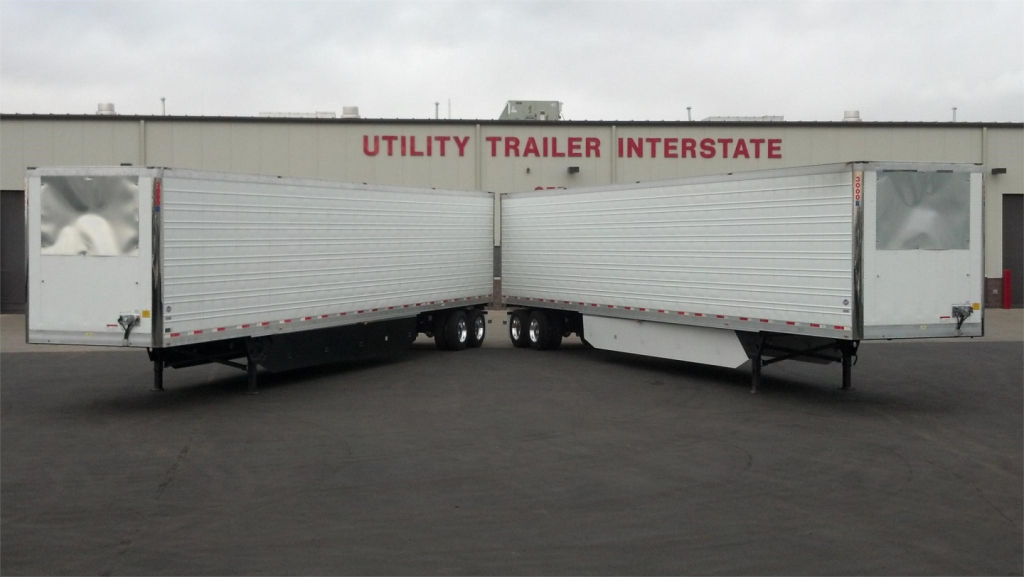
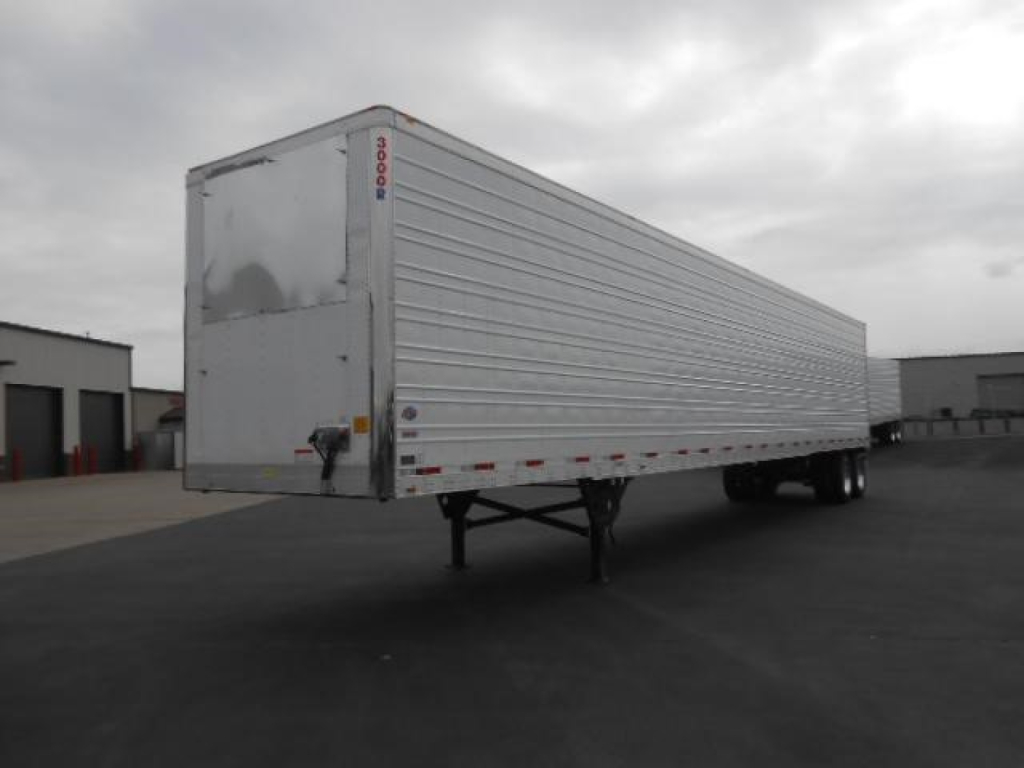
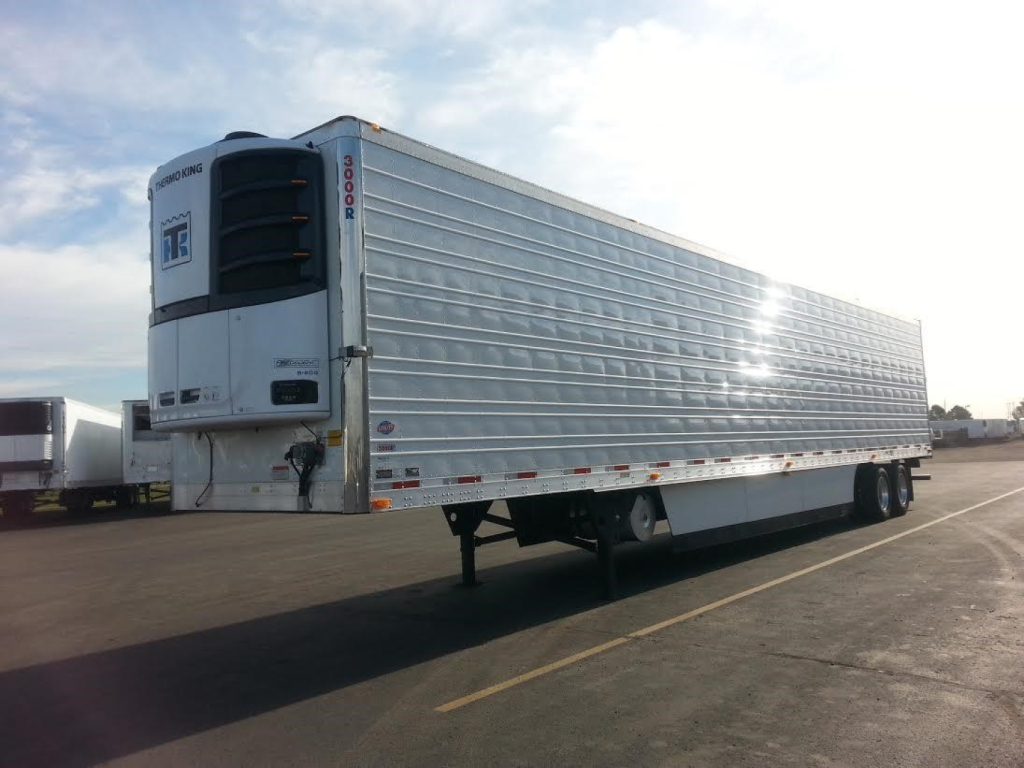
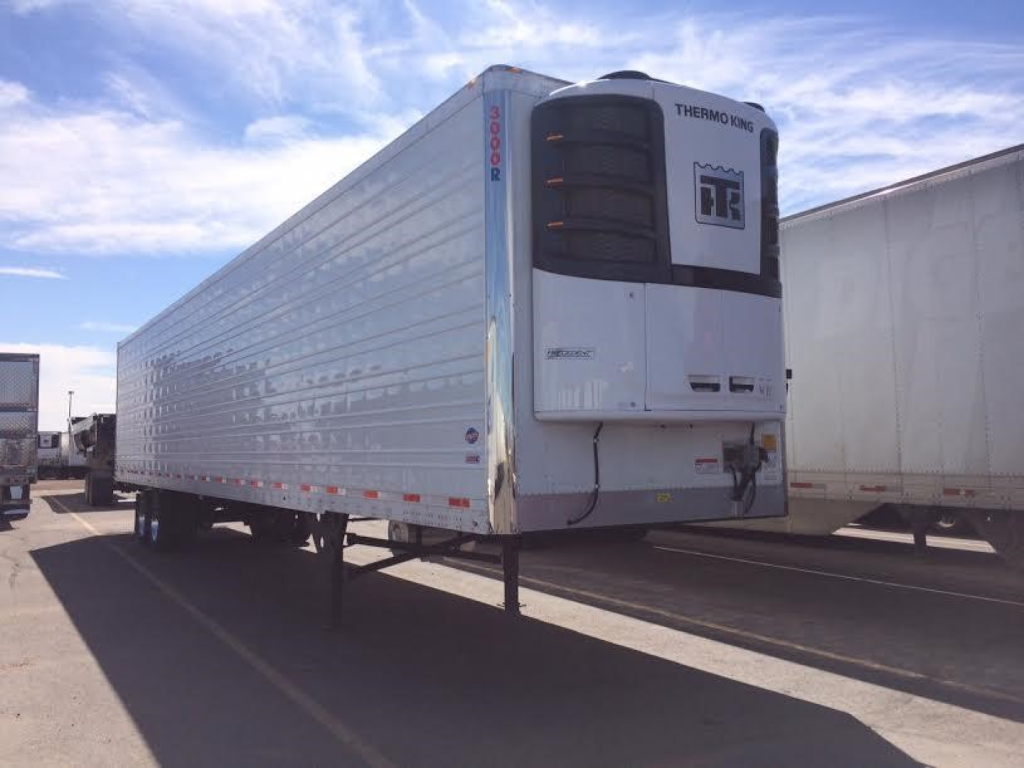
Selling a 2026 utility trailer? List your 2026 utility trailer for sale and reach thousands of commercial buyers.
2026 Utility Trailers in Colorado
For dry van applications, Utility trailers are commonly built around durable sheet-and-post construction with options such as smooth or corrugated side panels, composite wall liners, aluminum roofs, logistic posts, wearbands, and hardwood floors. Details like tall bottom rails, heavy-duty threshold plates, anti-dock-walk systems, and rear swing doors matter if the trailer will spend its life in tight dock service and multi-stop freight. Buyers should pay close attention to tandem setting, slider pin operation, floor fastener pattern, and interior wall configuration because those items directly affect loading flexibility, forklift durability, and day-to-day maintenance cost.
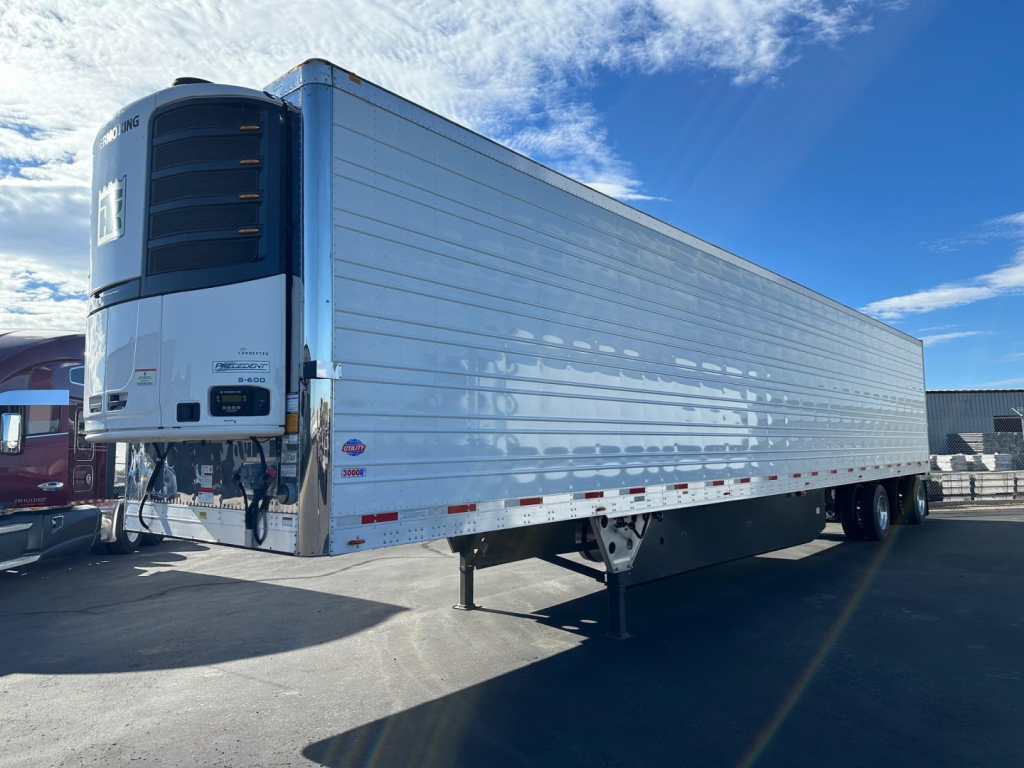
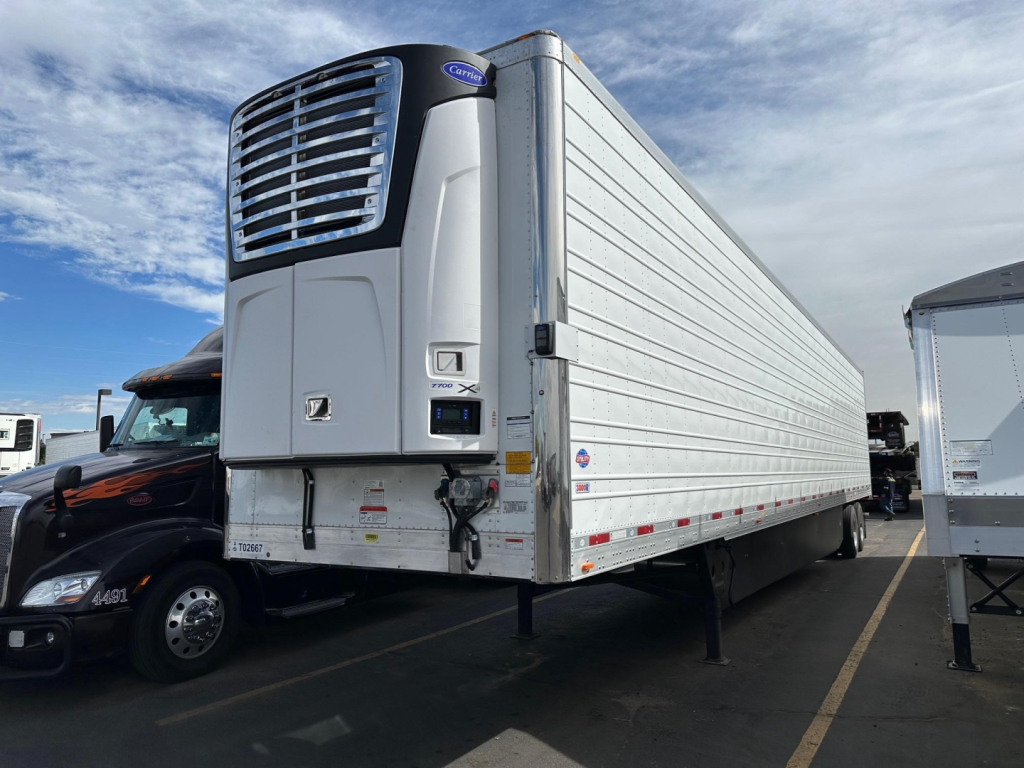
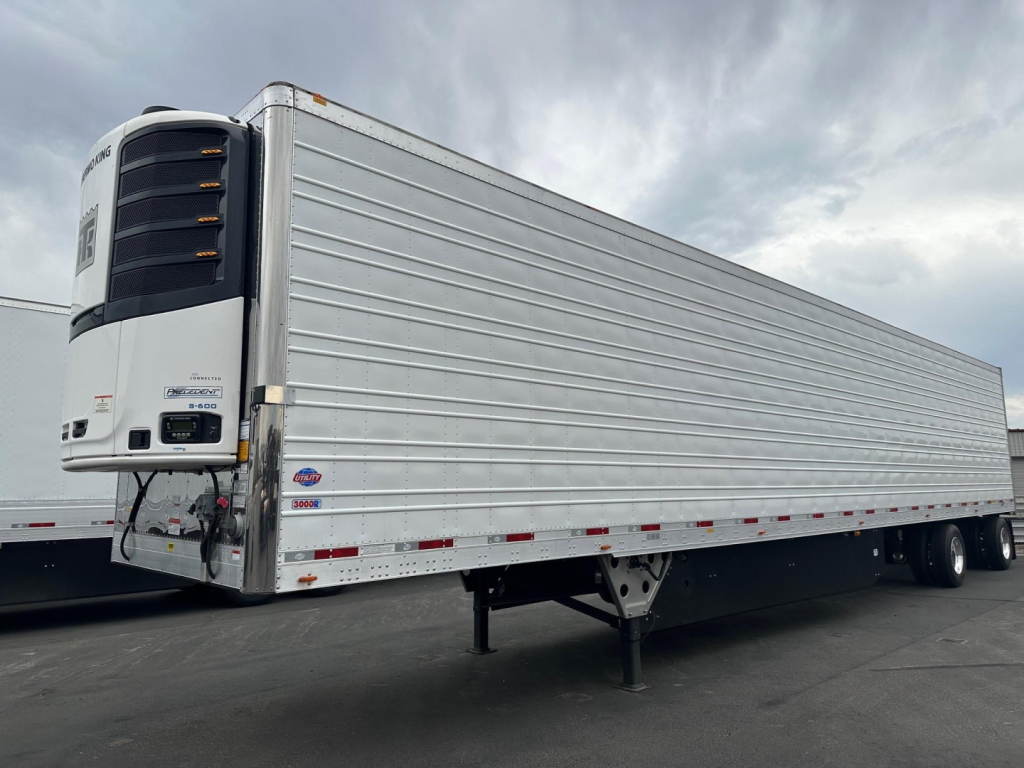
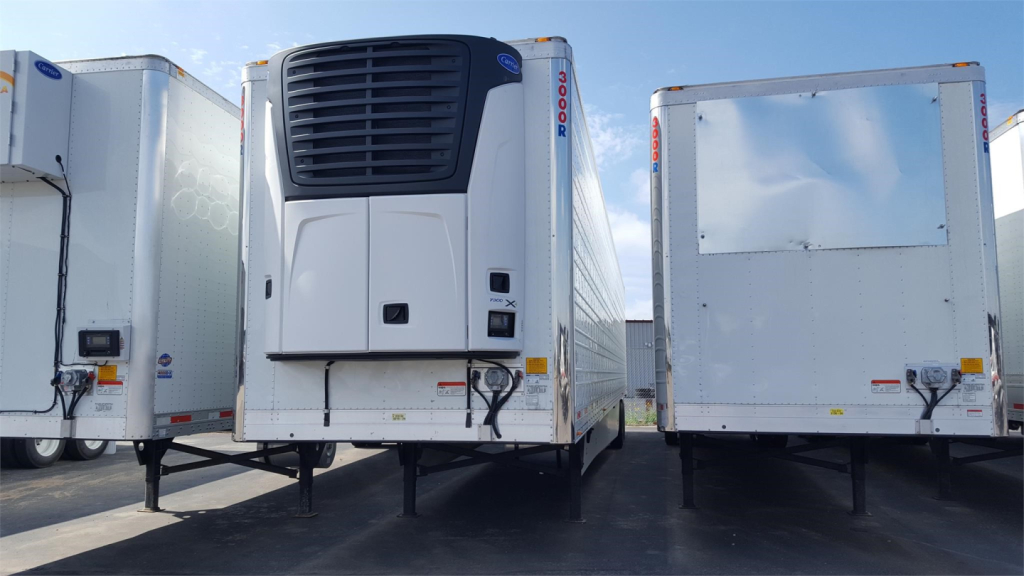
In refrigerated service, Utility reefers are widely recognized for strong insulation performance and practical integration with Carrier, Thermo King, and other transport refrigeration units depending on spec. Common buyer checkpoints include chute design, aluminum duct flooring, rear vents, bulkheads, single-temp versus multi-temp capability, and shore power provision for electric operation at the dock. Colorado operations add another layer of consideration because altitude, winter cold, and temperature swings can influence reefer pull-down performance, unit runtime, and fuel use. A well-specced 2026 reefer should also be evaluated for tire inflation systems, side skirts, aerodynamic tails, and brake package selection because those features affect both operating efficiency and compliance.
Utility flatbeds remain popular in steel, building materials, machinery, and general commodity hauling, especially in 48-foot and 53-foot formats with combo construction. Buyers often look for steel main beams with aluminum crossmembers, aluminum deck and rails, stake pockets, sliding winches, dual-sided winch tracks, coil package equipment, and the right axle spread for bridge law and freight mix. The right 2026 Utility trailer depends less on the badge than on matching the trailer spec to the lane, commodity, and loading method. Suspension type, wheel-end spec, door configuration, flooring, aerodynamic devices, and cargo securement layout are the items that usually separate a trailer that looks right on paper from one that performs well over several years of service.
Frequently Asked Questions about 2026 Utility Trailers in Colorado
What types of 2026 Utility trailers are most common?
The most common 2026 Utility trailers on the market are dry vans, refrigerated trailers, and flatbeds. Utility is especially well known for 53-foot dry van and reefer platforms used in truckload and regional fleet service, but flatbed configurations are also common for commodity and construction-related freight. Most buyers start by narrowing the category first, then comparing suspension, axle layout, flooring, and cargo handling features within that trailer type.
What should I look for in a 2026 Utility dry van trailer?
The key items are body construction, floor strength, tandem configuration, and dock-duty protection. Buyers usually check for smooth versus corrugated side panels, composite or plywood interior wall structure, logistic post spacing, wearbands, anti-dock-walk systems, threshold plate condition, and hardwood floor fastening pattern. If the trailer will run drop-and-hook freight, slider operation and kingpin setting are important. If it will handle dense palletized freight, floor rating and bottom rail durability carry more weight.
What matters most when buying a 2026 Utility reefer trailer?
The refrigeration unit spec is only part of the decision. Buyers should also look at insulation package, duct floor design, chute configuration, rear venting, bulkhead setup, door seal condition, and whether the trailer is single-temp or multi-temp capable. In higher-altitude and cold-weather states like Colorado, reefer performance under variable ambient conditions can be important, so unit brand, maintenance history, and runtime strategy deserve close attention along with the trailer body spec.
Are Utility flatbed trailers a good choice for specialized freight?
Yes, especially when the trailer is equipped for the commodity it will carry. A Utility flatbed with a coil package, sliding winches, stake pockets, pipe spools, and dual winch tracks can handle a wide range of freight from steel and lumber to machinery and packaged loads. Buyers should verify deck construction, beam design, axle spread, and securement layout because those details determine how versatile the trailer will be across different shippers and load profiles.
Do aerodynamic and tire management options make a difference on a 2026 Utility trailer?
They can make a measurable difference in operating cost on long-haul and high-mileage applications. Side skirts, aerodynamic tails, and automatic tire inflation systems can help improve fuel economy, reduce irregular tire wear, and support better trailer tracking over time. These features are especially useful in fleet service where small efficiency gains scale across many miles, but they still need to be weighed against repair exposure and route conditions.